




Showing 1 - 10 of 654
Elephants need space
Oped, Editorial, Published on 16/02/2026
» Elephants hold a special place in the hearts of Thais. The latest evidence was Wednesday's protest following the death of Seedor Hu Pab, a male elephant that died on Feb 3 during a ham-fisted relocation attempt by the Department of National Parks, Wildlife and Plant Conservation (DNP).
Navigating between global superpowers
News, Vitit Muntarbhorn, Published on 14/02/2026
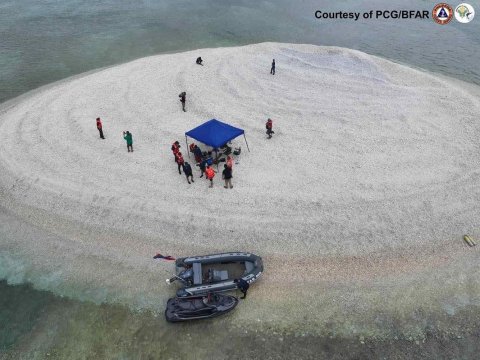
» Both China and the US issued new national security policies over the past year. At first glance, they seem to diverge markedly, portending a deep rupture in the world order. Yet, they may also bear some similarities in terms of self-interest and self-advancement. Collateral to that, other countries seeking to forge a middle path may wish to navigate a perspicacious route towards global equilibrium.
Surviving the collapse of the population
Oped, Gwynne Dyer, Published on 13/02/2026
» 'To them that hath shall [more] be given" is generally a reliable guide, especially in economic matters, but it doesn't work if the beneficiaries are too stupid to take advantage of the gift. The scarce and precious commodity in this case being people, who are in increasingly short supply.
Emerging markets stand strong
Oped, Kristalina Georgieva and Mohammed Al-Jadaan, Published on 12/02/2026
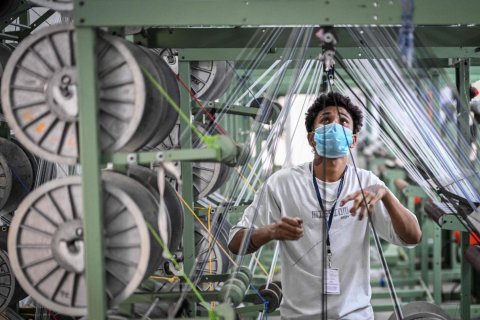
» It used to be that when advanced economies sneezed, emerging markets caught a cold. That is no longer true. Following recent global shocks, such as the post-pandemic inflation surge and a new wave of tariffs, emerging markets have held up well. Inflation has continued to slow, currencies have generally retained their value, and debt issuance costs have remained at manageable levels. There has been no sign of the kind of financial turbulence that came with past economic shocks.
Rethinking global health finance
Oped, Walter O Ochieng & Tom Achoki, Published on 06/02/2026
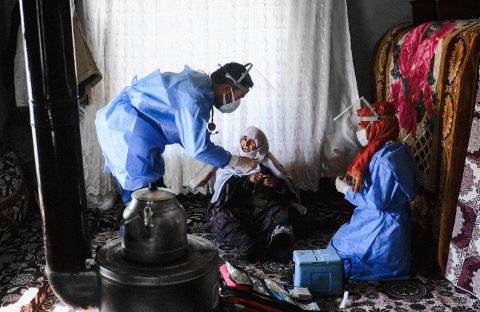
» For the past half-century, the economics of global health were straightforward. Under the so-called "grant-based" approach, rich countries donate to poor countries, which use the funds to meet their populations' health needs. Success was measured by services provided or lives saved, rather than by balance sheets. While this model was far from perfect, the latest approach replacing it -- focused on using tools like guarantees and blended finance to crowd in private capital -- threatens to produce even worse outcomes.
How to feed the world's ten billion people
Oped, Yurdi Yasmi, Published on 22/01/2026
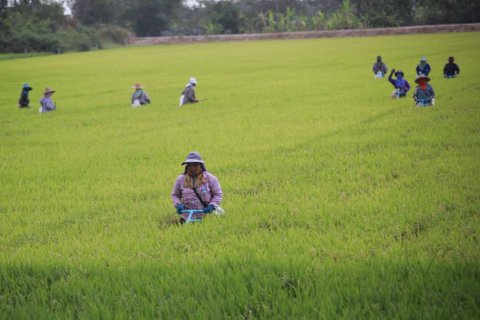
» With the world struggling to feed eight billion people today, how will we feed ten billion by 2050?
2026 outlook calls for recalibration
News, Mohamed A El-Erian, Published on 17/01/2026
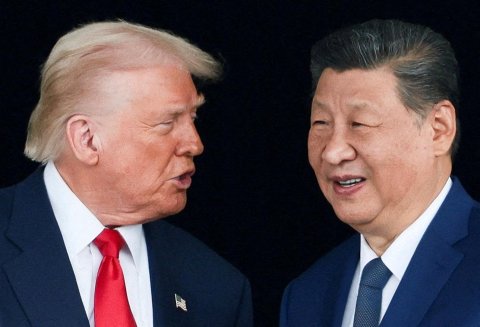
» For global markets, 2025 was defined as much by what did not happen as by what did. The year offered a masterclass in the power of a single narrative, with massive, concentrated bets on AI masking various other unanswered questions. Yet as we move further into 2026, the AI narrative is unlikely to prove strong enough to continue overshadowing other lingering uncertainties, many of which reflect deeper structural shifts. For investors, central banks, and governments alike, the situation demands adaptation.
Moderate global growth masks regional strains
Oped, John J. Metzler, Published on 14/01/2026
» Global economic growth still continues, but at a moderate pace. That's the verdict from the UN's World Economic Situation and Prospects 2026, which predicts that global economic output will grow by 2.7% this year, or slightly below the 2.8% estimated for 2025, but less than the pre-pandemic average of 3.2%.

Thai diplomacy amid global turmoil
News, Kavi Chongkittavorn, Published on 13/01/2026
» How do we know which way the wind is drifting? This is a frequently asked question amid the tectonic shifts in international politics. Answers vary. Some say the wind blows from Washington, others from Beijing. Some insist it comes from the market, others from geopolitics. Regardless of the answers, Thailand -- thanks to its nimble diplomacy -- has managed to go with the flow without much difficulty.
A model to keep multilateralism alive and well
News, José Manuel Barroso, Published on 27/12/2025
» Few would deny that there has been a shift away from multilateral cooperation in recent years. As the world becomes more multipolar, geopolitical tensions are hampering efforts to devise common solutions to shared problems, and rising nationalism and fiscal crises within many traditional donor countries are threatening the institutions on which multilateralism depends.