




Showing 1 - 10 of 4,541

Co-pay scheme misses mark
Editorial, Published on 05/04/2026
» A newly elected government following through on its campaign promises is usually a cause for praise. However, the Anutin Charnvirakul administration's vow to resurrect its flagship "Khon La Khrueng Plus" or Half-and-Half co-payment scheme is instead being met with trepidation.

Sporting chance
Postbag, Published on 05/04/2026
» Re: "Save women's sport", (PostBag, March 31, 2026).
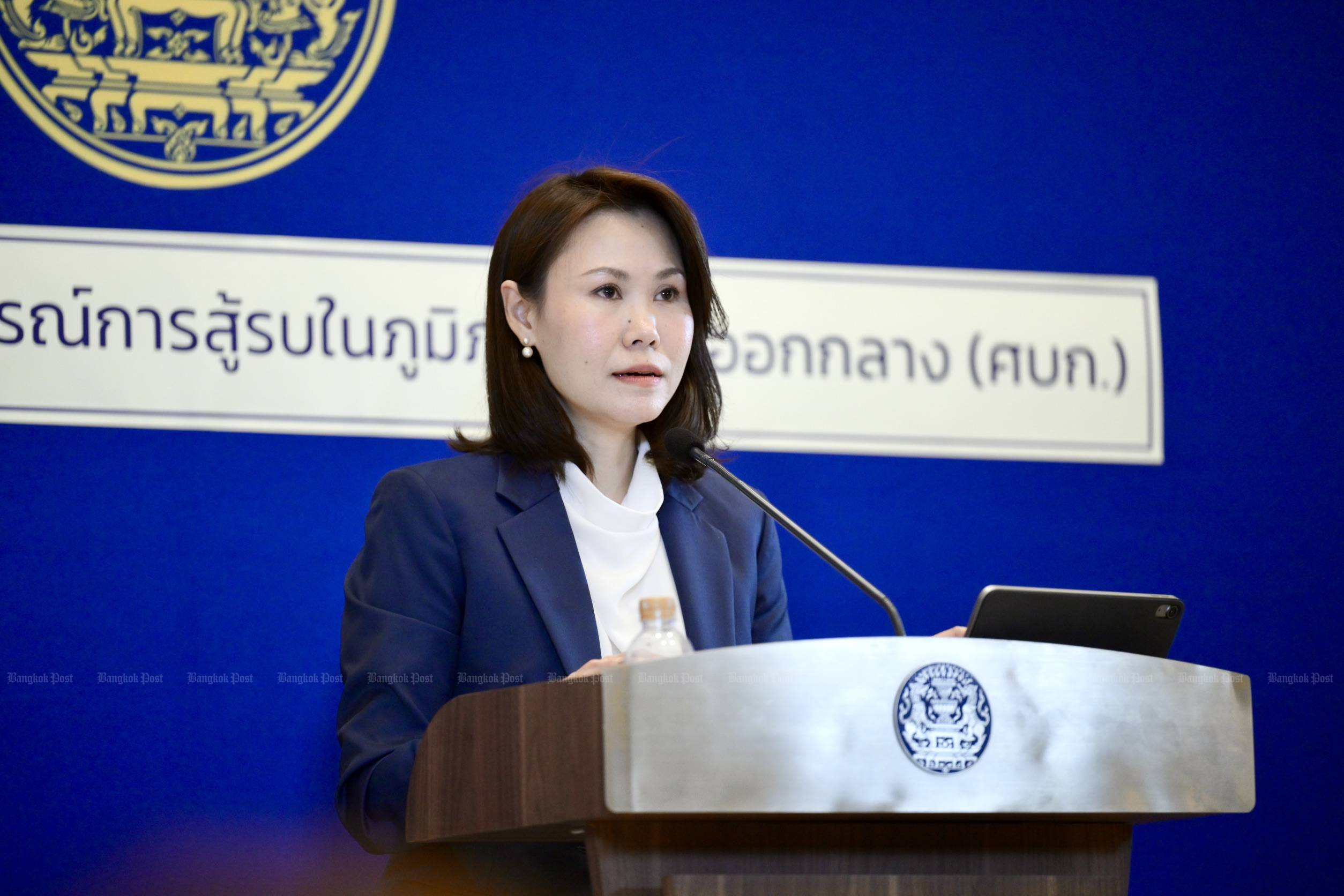
No, this is not a New Normal
Vanich Kittichai, Published on 04/04/2026
» “This is the New Normal” is how spokesperson for the Centre for Monitoring the Situation in the Middle East, Nuttaa Mahattana, has characterised Thailand’s current struggle with soaring fuel and commodities prices triggered by the war in the Middle East.

Save Dutch embassy
Postbag, Published on 04/04/2026
» Re: "City's green spaces losing ground", (Opinion, March 30).
Trump's threat to exit Nato forces rethink
News, Gwynne Dyer, Published on 04/04/2026
» As Washington abandons the transatlantic pact following an unprovoked attack on Iran, Europe must prepare for a future without US security guarantees.

Fuel-saving ideas
Oped, Postbag, Published on 02/04/2026
» Re: "PM apologises for fuel 'chaos'", (BP, March 28).
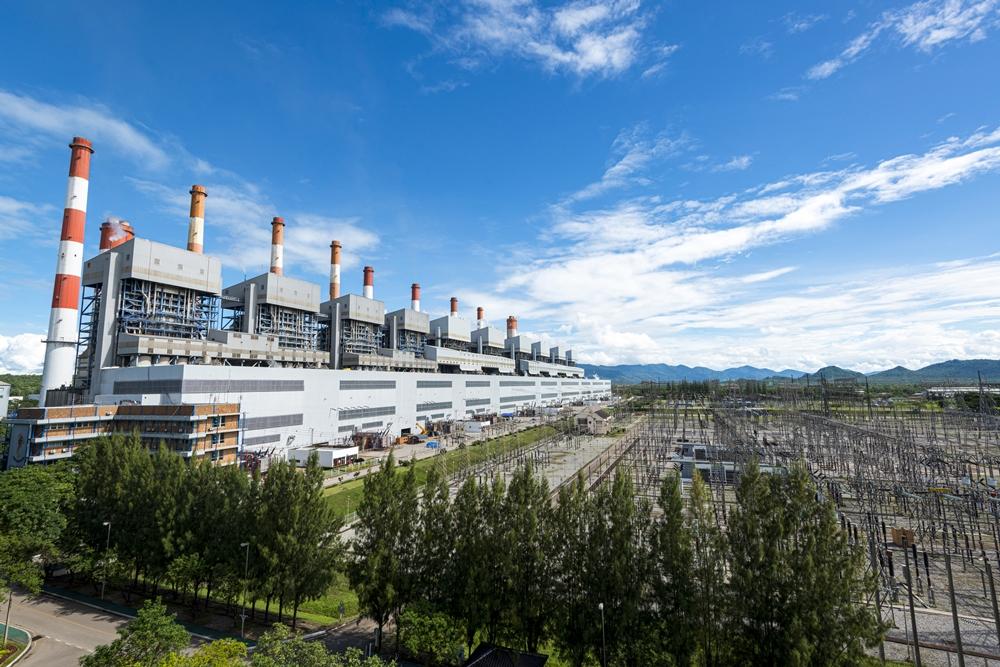
Urgent push for fair climate finance
Oped, Sarinee Achavanuntakul, Published on 01/04/2026
» Ever more visible, the various impacts from climate change are eroding both Thailand's economic competitiveness and the livelihoods of its people: season by season, in heat waves that flatten productivity, floods that swallow farmland, and coastal erosion that is slowly reclaiming communities.

Fuel reform now
Oped, Postbag, Published on 01/04/2026
» Re: "PM apology a good start," (Editorial, March 30).

Rethinking Thailand's visa-free policy
Oped, Kavi Chongkittavorn, Published on 31/03/2026
» Thailand is planning to cut visa-free stays from 60 days to 30 days. This long-overdue change reflects growing concern over the effectiveness of immigration surveillance. Moreover, scaling down visa-free stays underscores the seriousness of the Anutin government's efforts to combat scammers, illegal work, and other underground activities that exploit easy visa access to turn Thailand into a base for under-the-table operations.
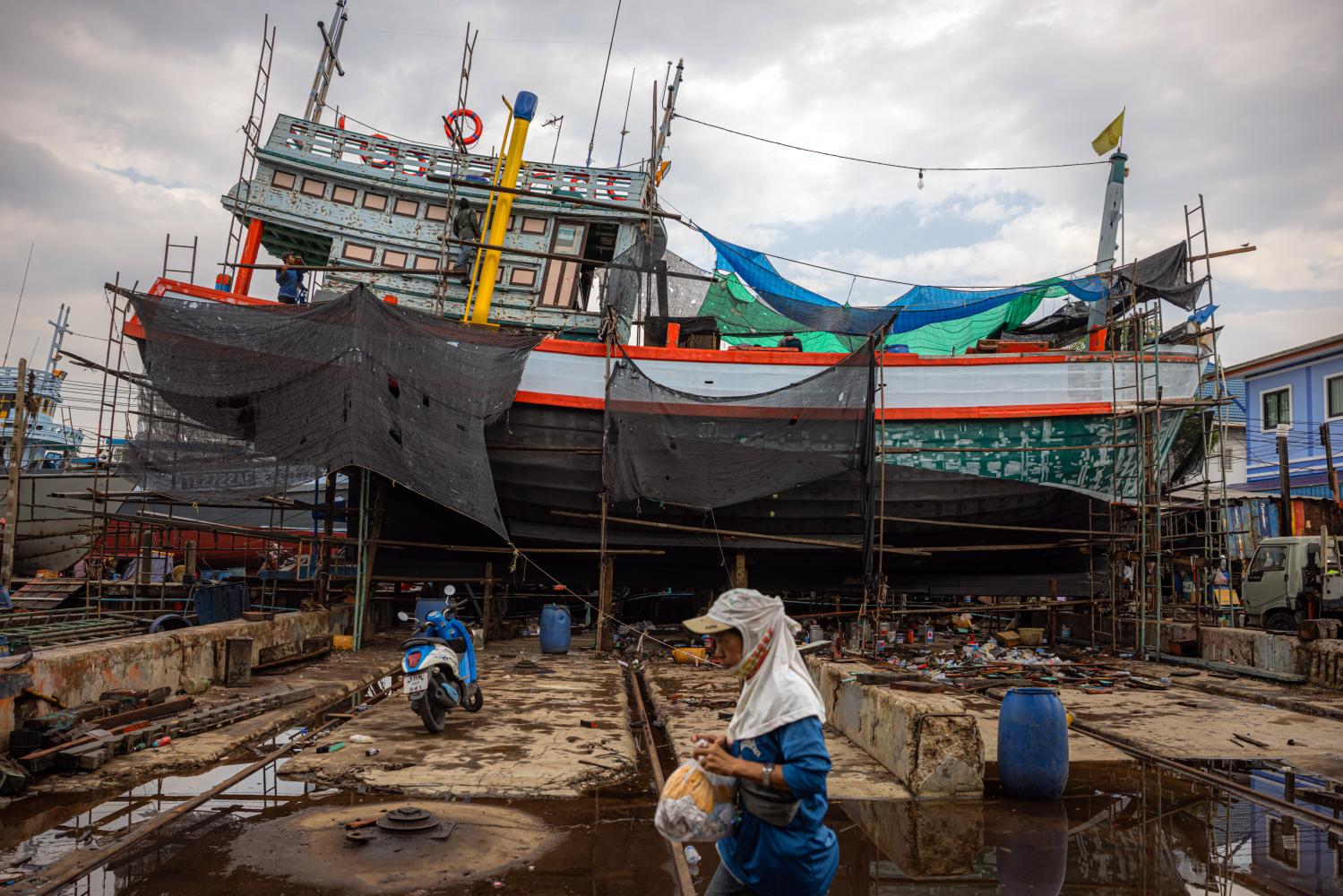
The silent engines of Asean realism
Oped, Imran Khalid, Published on 30/03/2026
» The global economy is currently tackling what may be the most significant energy disruption since the 1970s. The effective throttling of the Strait of Hormuz -- now seeded with Iranian Maham mines and subject to a tense, IRGC-monitored tolling system -- has physically severed the energy arteries that sustain the industrial heart of Southeast Asia.