



Showing 1 - 10 of 266

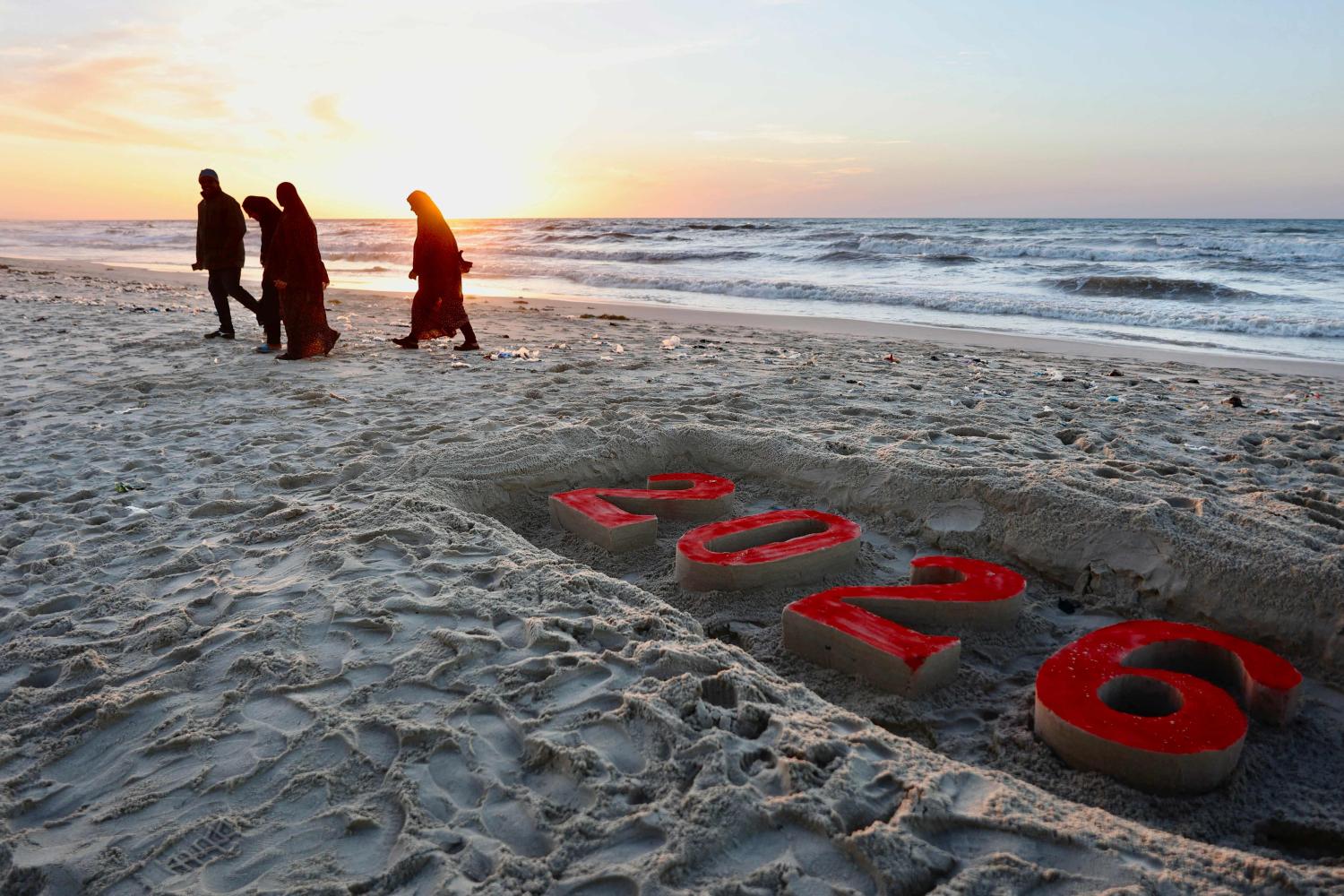
Thailand's political trajectory in 2026
Oped, Thitinan Pongsudhirak, Published on 09/01/2026
» What happens in Thai politics this year and the immediate horizon will be determined by the upcoming election on Feb 8. While contesting political parties are in full campaign mode, the contemporary history of Thai polls so far in the 21st century is not encouraging. Only once in the past 25 years have voting results went the way they were meant to, in accordance with the popular will. Whether the vote in four weeks will follow the same pattern will depend on whether the conservative establishment gets its preferred outcome.
How world order looks after 2025
Oped, Yuen Yuen Ang, Published on 05/01/2026
» For mathematicians, 2025 may stand out as a "perfect square": 45 multiplied by 45, a rare symmetry. But its significance goes far beyond numerical elegance -- it marks the year the postwar global order expired and a new one began.
A lesson in geoengineering for grown-ups
Oped, Gwynne Dyer, Published on 18/12/2025
» A few days ago the European Union's Earth Observation programme, "Copernicus", made a special announcement at the end of its monthly report on the state of the climate. It said that the average global temperature for the past three years (2023-2025) has been 1.5 degrees Celsius above the pre-industrial level. That's the level we were warned that we must never exceed.
Climate disasters demand swift action
Oped, Genevieve Donnellon-May, Published on 10/12/2025
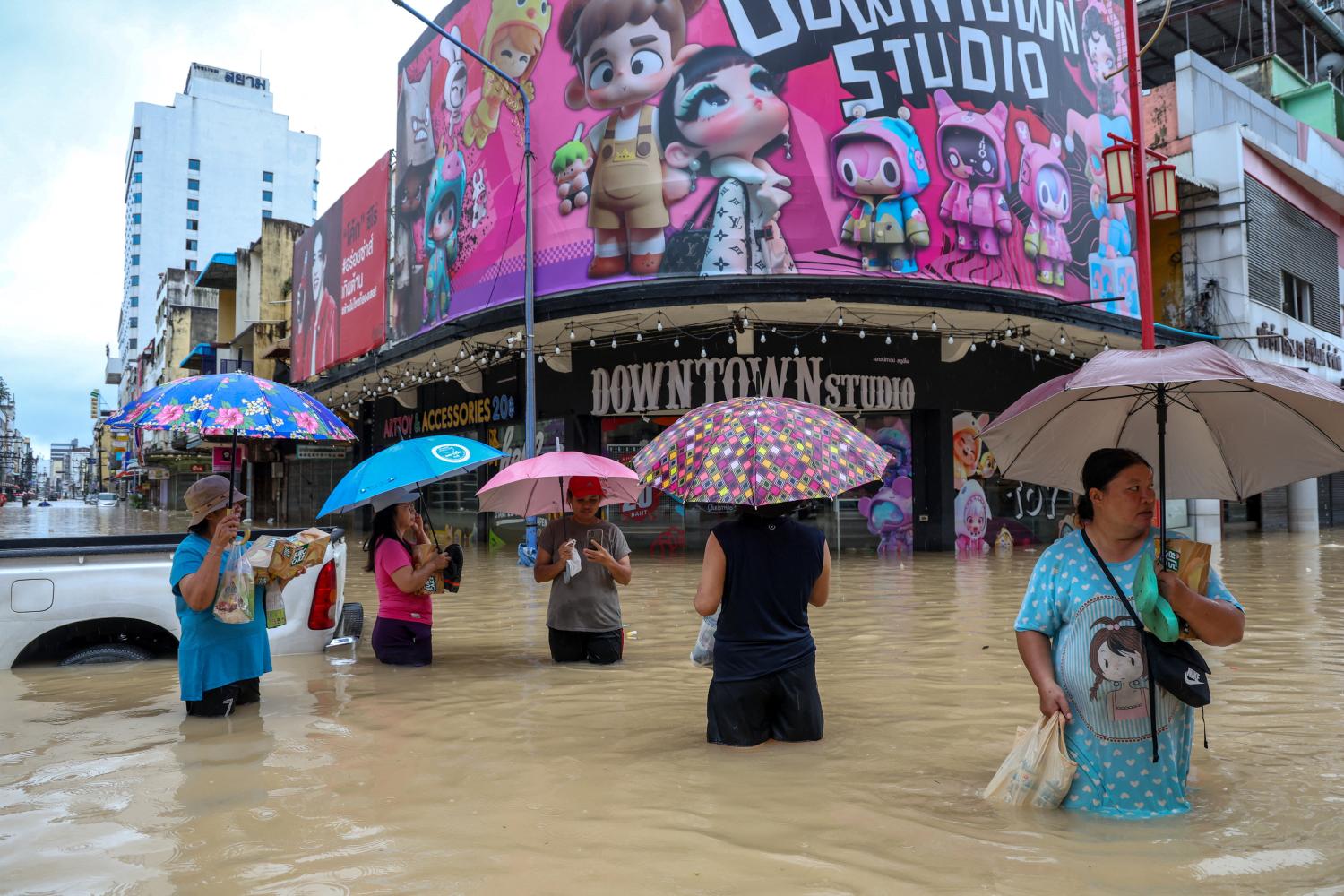
» Southeast Asia is in crisis. Less than a week after the United Nations Climate Change Conference (COP30) concluded in Brazil, the region is grappling with devastating floods and landslides, underscoring the urgent climate challenges that countries have repeatedly raised on the global stage.

Condo ruling a warning
Oped, Editorial, Published on 29/11/2025
» After a decade, the attempt by the Bangkok Metropolitan Administration (BMA) to demolish a high-rise building in Soi Ruamrudee in the capital is finally seeing some light at the end of the tunnel.

Adam Smith and the moral economy we have lost
Oped, Antara Haldar, Published on 12/11/2025
» With the 250th anniversary of The Wealth of Nations approaching next year, the world is gearing up to honour Adam Smith. But which Smith should be recognised? The hard-nosed "founding father" of modern economics, or the philosopher who wrote The Theory of Moral Sentiments? Scholars have wrestled with this question, a riddle known as "Das Adam Smith Problem", for centuries, because it concerns not just dualities within Smith's thought, but also our own uneasy relationship with morality and markets.
Can world weather another crisis?
Oped, Jayati Ghosh, Published on 07/11/2025
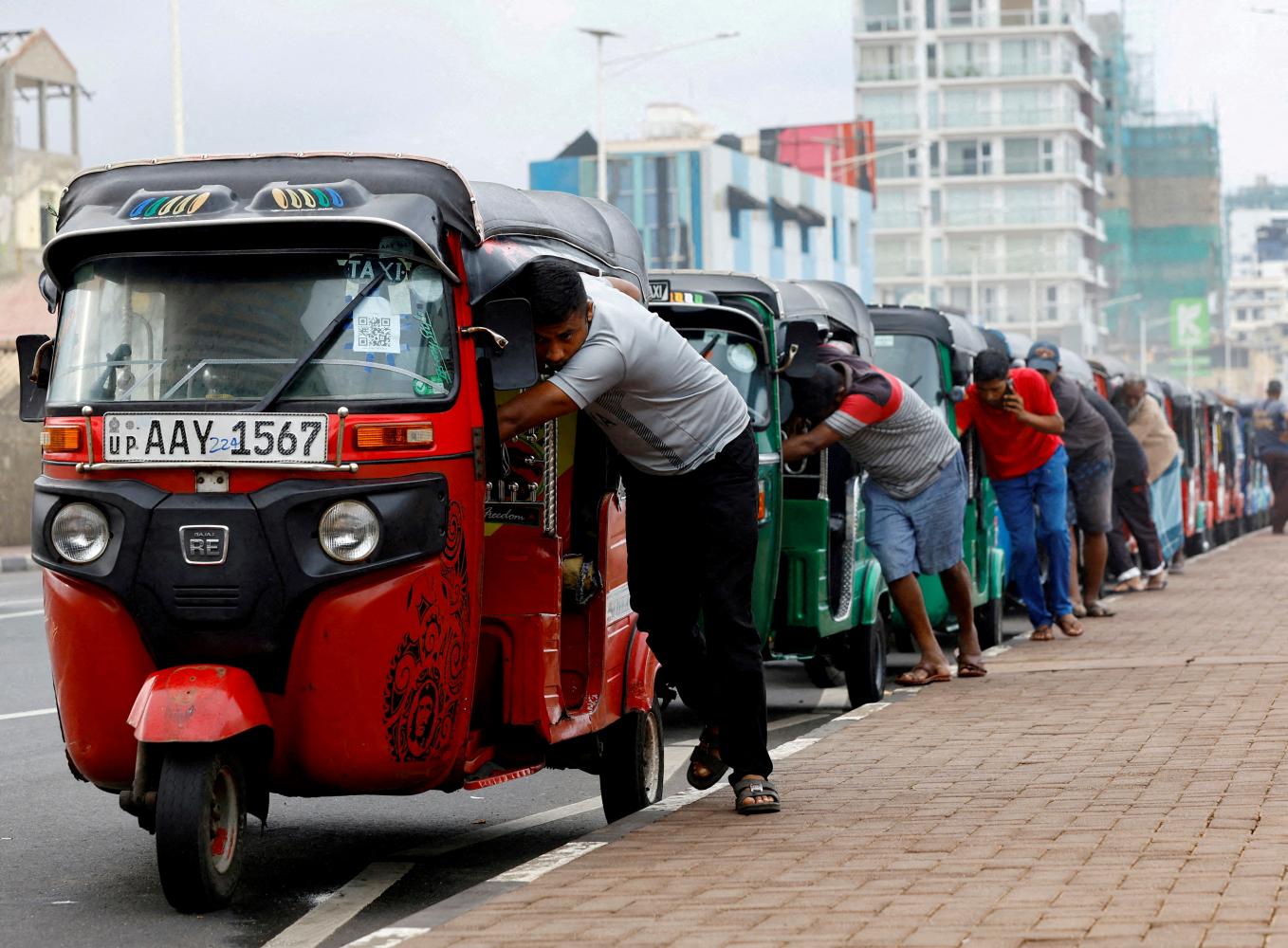
» As stock markets hit record highs, rising financial fragility is setting off alarm bells across the United States and Europe. The International Monetary Fund has recently echoed these concerns, stoking fears of a looming crisis.
Southeast Asia amid the US-China rift
Oped, Thitinan Pongsudhirak, Published on 03/10/2025
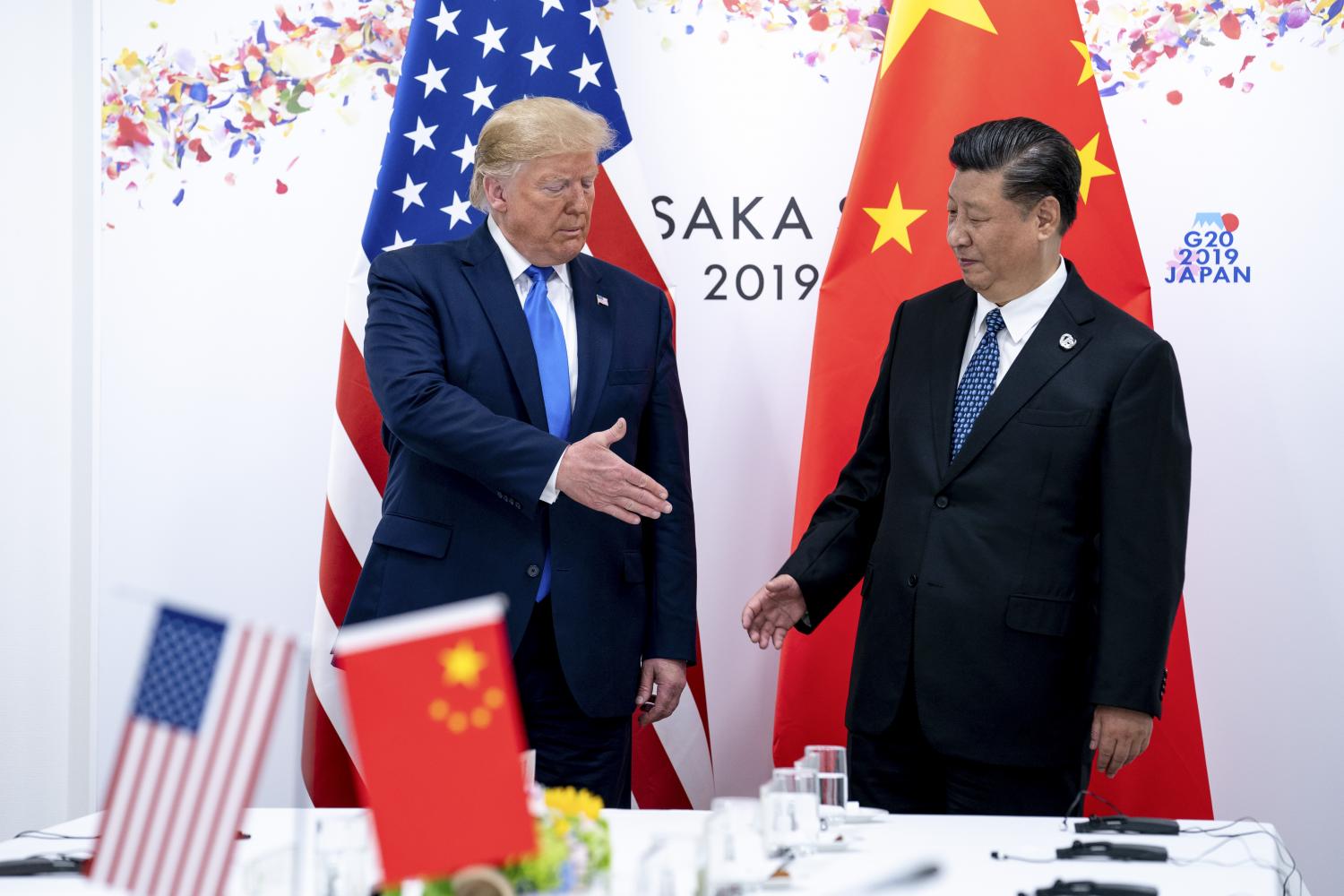
» The rivalry between the United States and China has become the defining contest of the 21st century. Barely two decades ago, Washington and Beijing were partners in prosperity. America's support for China's entry into the World Trade Organization in 2001 epitomised the high-water mark of engagement, reflecting the belief that economic integration would lead to greater political cooperation. Today, that partnership has morphed into suspicion and confrontation. Relations between the United States and China have deteriorated so swiftly that many observers now describe them as locked in a "new Cold War". The more pressing question, however, is not whether this analogy holds, but whether confrontation can be managed short of outright conflict.
Market still 'wrong' on climate
Oped, Fiona Watson, Published on 01/10/2025
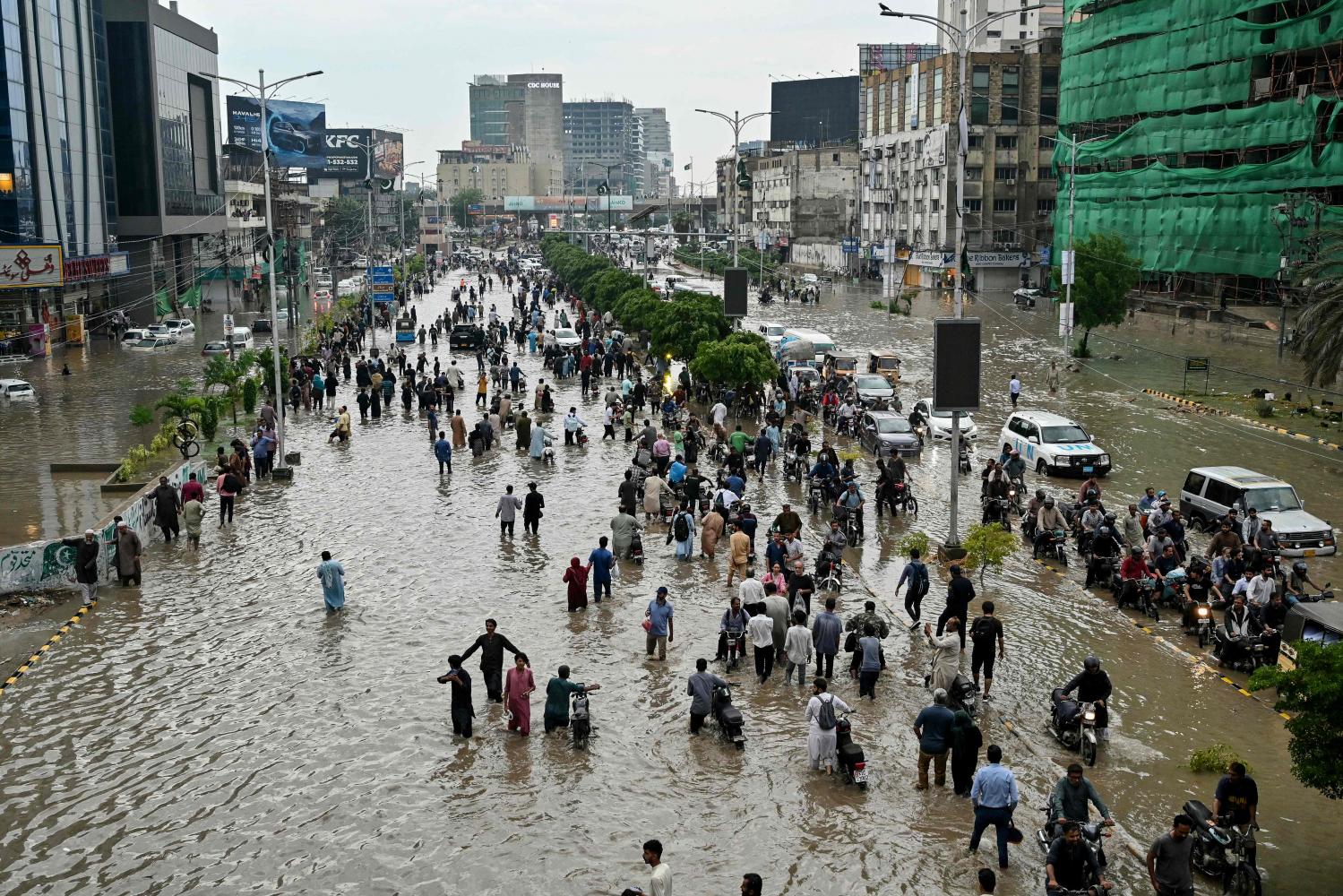
» As business, government and nonprofit leaders debate the future of climate action ahead of the United Nations Climate Change Conference (COP30) in Brazil, the global economy remains vulnerable to acute and chronic climate-driven shocks whose impact could be more severe than that of the 2008 global financial crisis. At a time when many governments and businesses continue to underestimate and underprice physical climate risk, we must remember that neither financial markets nor regulators are always right. What if their current complacency about climate risks is catastrophically wrong?
Renminbi debt in a dollar-denominated world
Oped, Paola Subacchi, Published on 25/09/2025
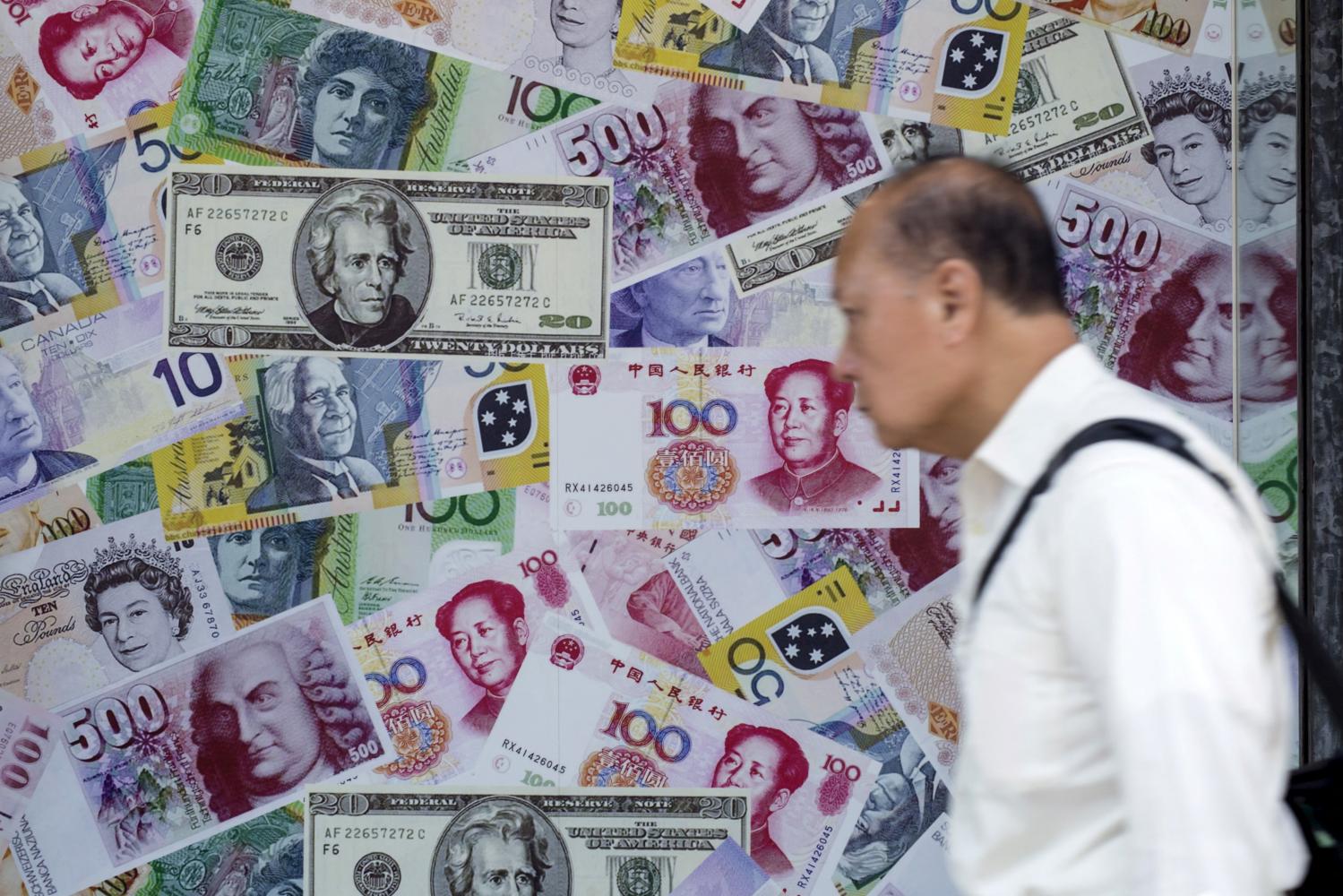
» When governments borrow on international markets, they do so overwhelmingly in US dollars. Roughly two-thirds of international debt issuance is denominated in foreign currencies, of which nearly half is in dollars and about 40% is in euros. The rest is spread across other currencies, including the Chinese renminbi.