




Showing 1 - 10 of 58
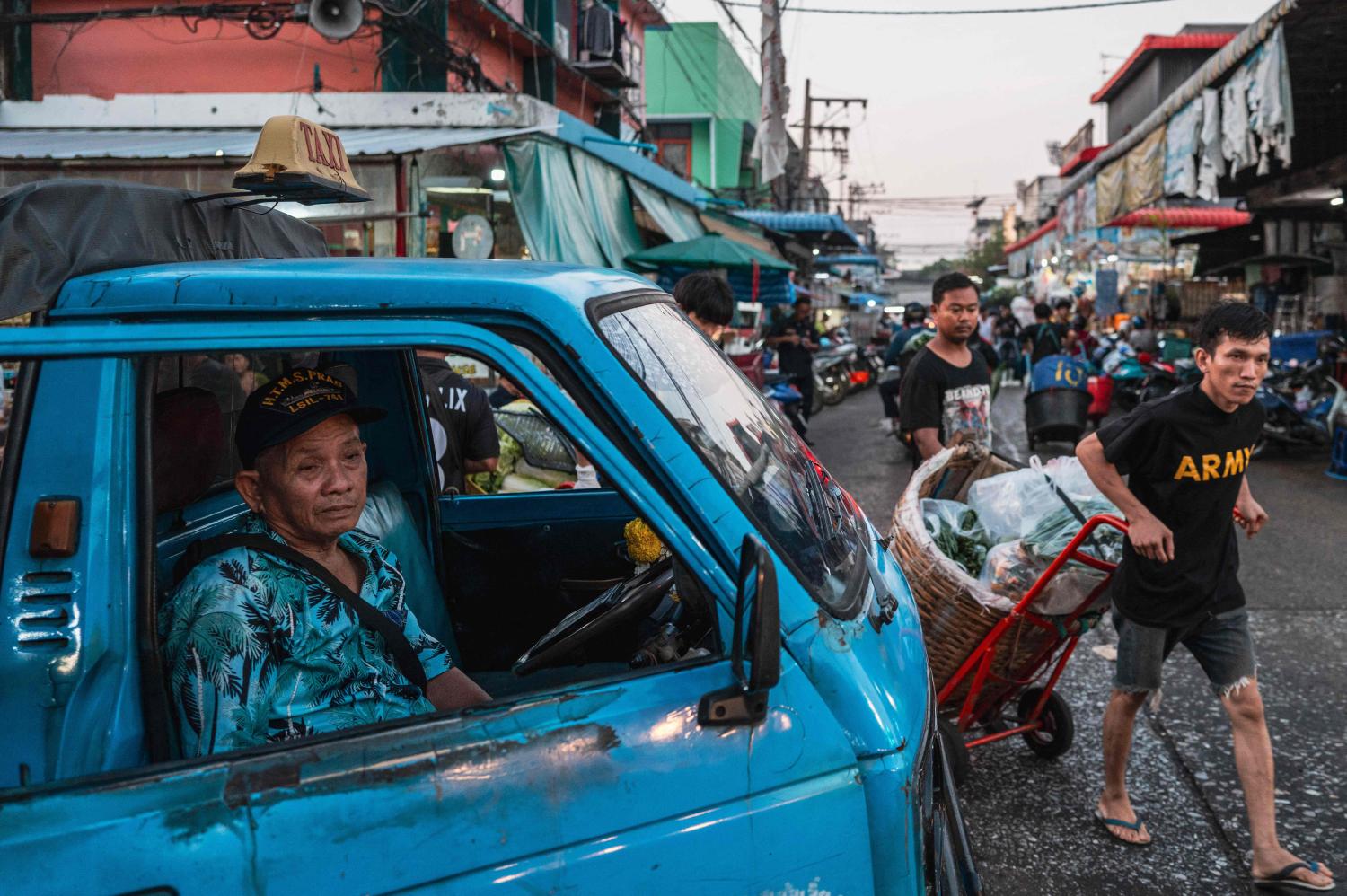
Risk of crisis growing more acute
Oped, Chartchai Parasuk, Published on 05/03/2026
» This article is a follow-up to my previous piece titled "Fiscal deficit will trigger 2026 crisis". In that article, I argued Thailand's heavy dependence on external liquidity, combined with the government's need for 860 billion baht annually to finance its deficits, would lead to a severe liquidity shortage and, ultimately, a financial crisis.
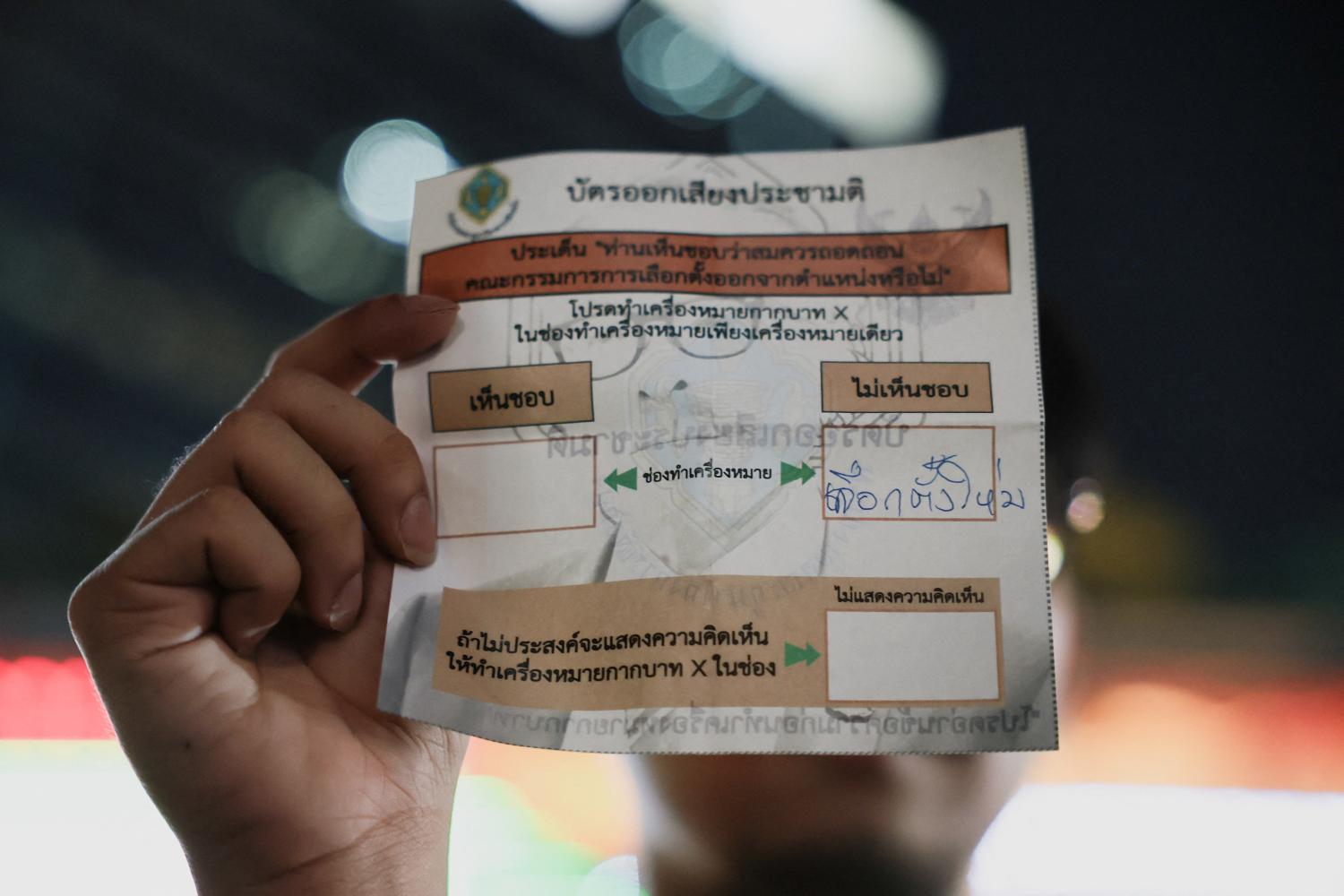
The gist of Thai politics over 20 years
Oped, Thitinan Pongsudhirak, Published on 20/02/2026
» Thailand's democratic institutions have been repressed and kept weak to the point that confusion still prevails almost two weeks after the Feb 8 election, which purportedly showed a clear victory for the ruling Bhumjaithai (BJT) Party under Prime Minister Anutin Charnvirakul. On the one hand, Mr Anutin and BJT stalwarts are busy forming a coalition government with other parties. On the other hand, fraud allegations from civil society groups and the opposition People's Party have reached a critical mass with the plausibility that the recent vote might be nullified to pave the way for a new poll.
Surviving the collapse of the population
Oped, Gwynne Dyer, Published on 13/02/2026
» 'To them that hath shall [more] be given" is generally a reliable guide, especially in economic matters, but it doesn't work if the beneficiaries are too stupid to take advantage of the gift. The scarce and precious commodity in this case being people, who are in increasingly short supply.

Fair charter vote
Oped, Postbag, Published on 13/01/2026
» Re: "Somchai criticises EC's 'biased' info", (BP, Jan 12).

Rethinking finance beyond aid
Oped, Justin Yifu Lin & Yan Wang, Published on 06/11/2025
» Traditional donors have sharply scaled back their aid commitments to developing countries over the past year. Some, like the United States, have virtually eliminated their aid programmes. According to the Organisation for Economic Co-operation and Development (OECD), official development assistance (ODA) from member countries declined by 7.1% in 2024, its first annual drop in six years.
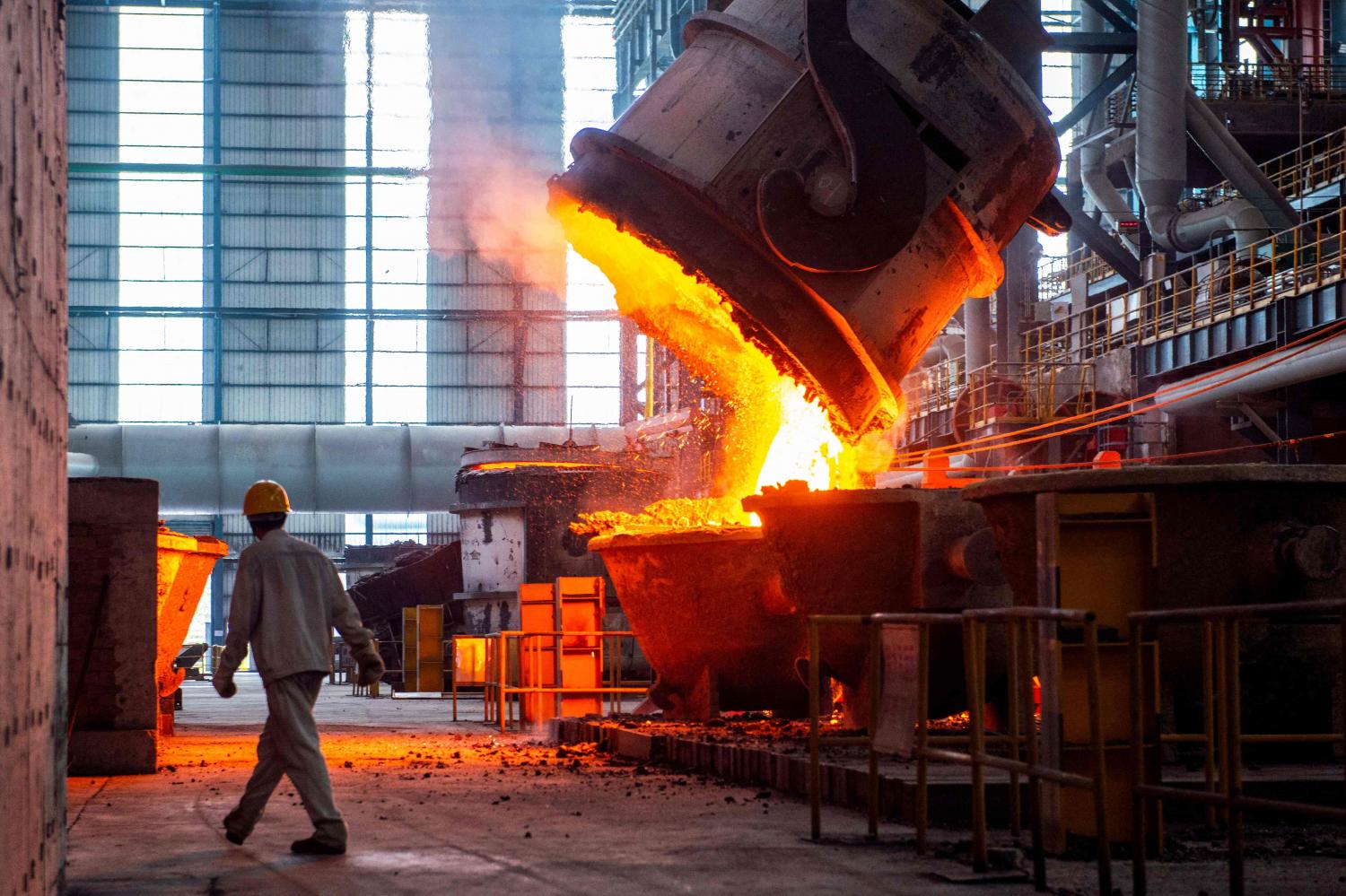
Time to focus on climate funding
Oped, Rakesh Mohan & Janak Raj, Published on 04/11/2025
» Discussions about climate finance often focus on the most vulnerable countries, such as small island developing states -- and for good reason. But the nine major emerging-market economies (EMEs) -- Argentina, Brazil, China, India, Indonesia, Mexico, Russia, South Africa, and Turkey -- also have significant climate-finance needs, which must be met if the world is to have any chance of achieving its climate goals. Nowhere are those needs larger than in China.
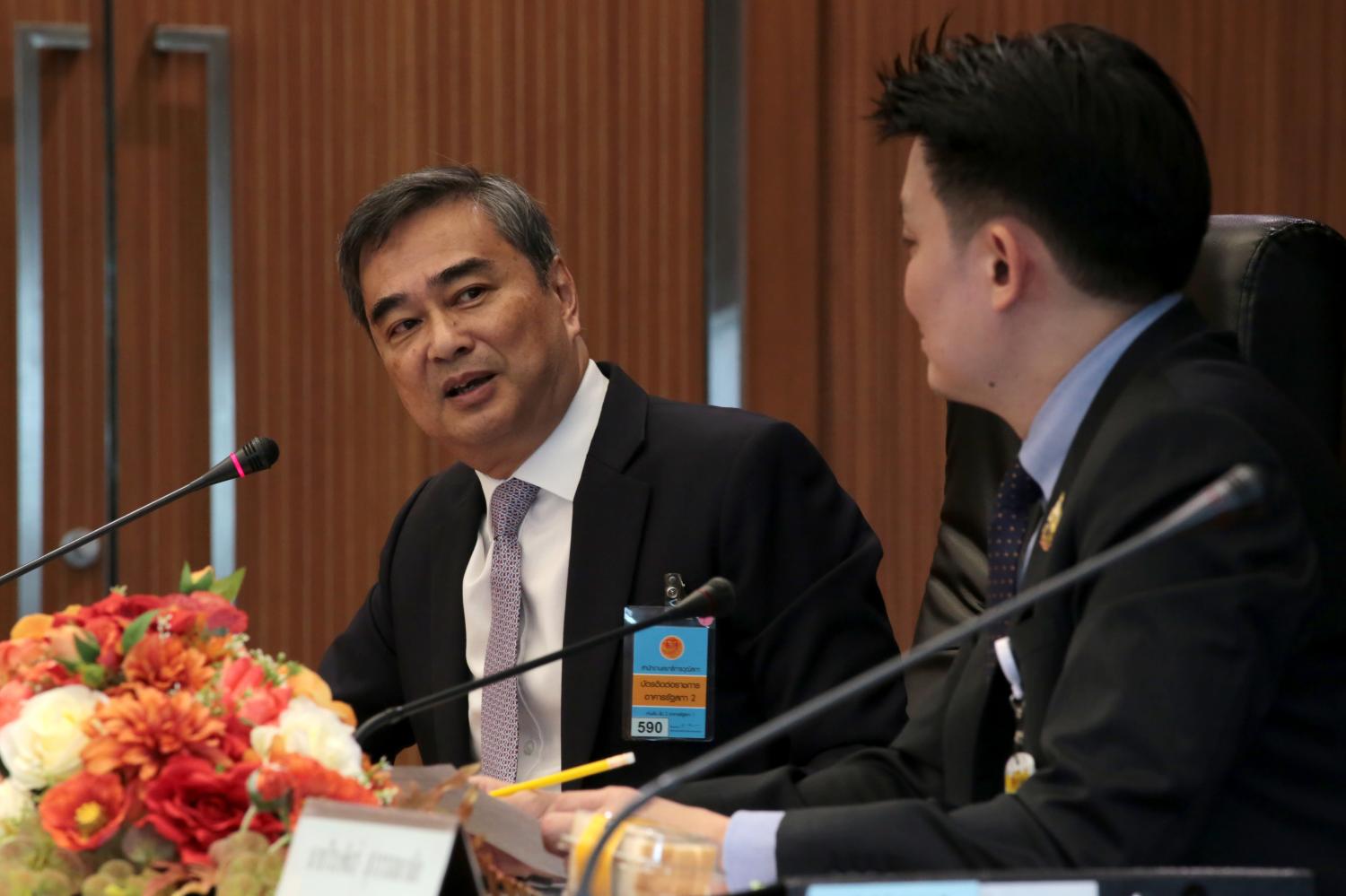
Can Abhisit help the ailing Democrats?
Oped, Veera Prateepchaikul, Published on 22/09/2025
» Can Abhisit Vejjajiva, former prime minister and four-time former leader of the Democrat Party, Thailand's oldest political party who is reported to be keen to return to politics, save the Democrat Party from almost certain electoral doom? No one dares to bet.

Talking peace with a tyrant: Who'd do it?
Oped, Veera Prateepchaikul, Published on 25/08/2025
» Peace is a beautiful word. It is an ideal condition under which people of different countries, religious faiths, races, cultures and political views can co-exist happily, without having to fight with each other, without having to shed blood as being witnessed across the world from Ukraine in eastern Europe to Gaza and Yemen in the Middle East, and even along the Thai-Cambodian border before a ceasefire agreement was signed late last month.
1% GDP growth impacts will be severe
Oped, Chartchai Parasuk, Published on 21/08/2025
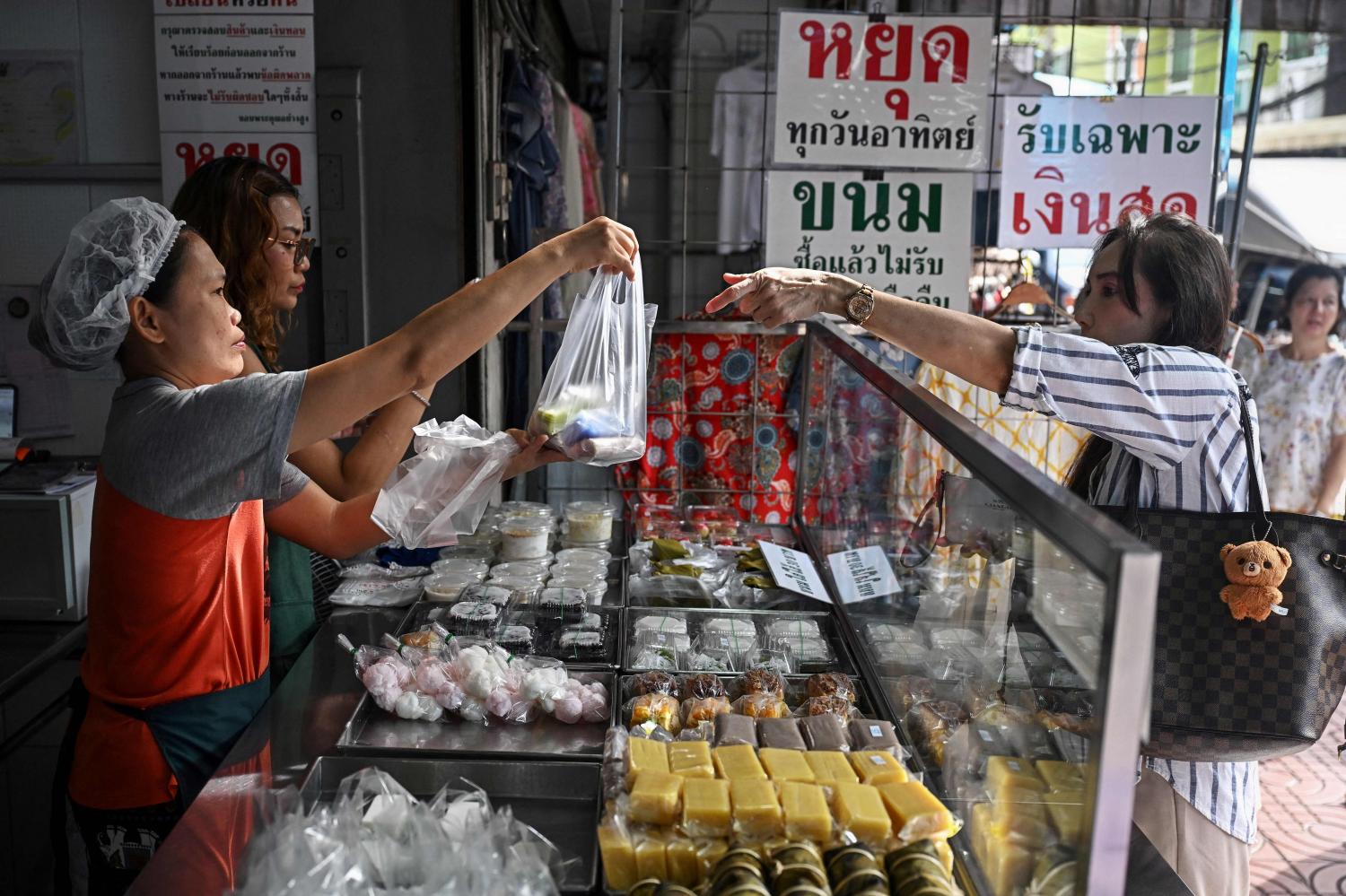
» Where did I get the idea that GDP growth in the second half of 2025 would only be 1.0%? The answer is the government, as the National Economic and Social Development Council (NESDC) told me so.
Today, Tuvalu. Tomorrow, the entire world
Oped, Gwynne Dyer, Published on 15/07/2025
» Some big changes arrive with a bang, but usually they sort of sneak in and you barely notice them at first. Last month's big change saw the creation of the world's first climate-change visas. It's a way of giving potential climate refugees some hope and some dignity, and it would certainly be an improvement on the current migration mess.