



Showing 1 - 7 of 7

Carbon shift may aid companies
News, Sharad Apte & Dale Hardcastle & Torsten Lichtenau, Published on 09/08/2021
» Covid-19 has intensified the race to battle climate change, renewing focus on critical efforts to drastically cutt greenhouse gas emissions to reach a 50% reduction by 2030 and net zero by 2050.

How to make EV viable within Asean
News, Dale Hardcastle, Francesco Cigala & Sharad Apte, Published on 07/10/2019
» If there is a region that could use a mobility revolution, it is Southeast Asia. Much of the area grapples with persistent congestion, expanding environmental concerns, and surging oil demand to serve transit needs.

Are Thai businesses prepared for a downturn?
News, Sharad Apte, Published on 23/09/2019
» Despite a long run of strong economic growth in Thailand and Southeast Asia, the next global recession will have serious effects here. It's a turbulent world, and Thailand still relies on exports to China, the US, Europe and elsewhere, as well as capital flows from abroad. True, Thailand weathered the global financial crisis a decade ago much better than many others did, but it still was hit hard, with GDP growth dropping from 5% in 2006 to negative 1% in 2009. Moreover, many of the traits that cushioned Thailand then offer less of a buffer today.
Sustaining Asean's investment boom
Business, Suvir Varma, Alex Boulton & Sharad Apte, Published on 09/01/2019
» Venture capital and private equity investment in Southeast Asia have soared to record levels as scores of new investors pour into the region. In 2017, the number of recorded venture capital deals rose to 524, four times the level of 2012, and private equity deal value rose 75% to US$15 billion.

Rules for a truly sustainable economy
Jenny Davis-Peccoud and Sharad Apte, Published on 11/12/2018
» Climate change, unfair labour practices, corruption and other sustainability issues are moving up the corporate agenda. Bain & Company recently surveyed 297 global companies, and 81% said that sustainability is more important to their business today than it was five years ago; 85% believe that it will be even more important five years from now.
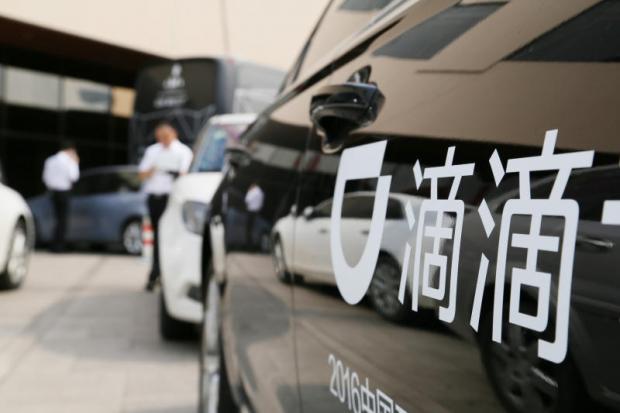
Wild ride in China
Business, Raymond Tsang & Sharad Apte, Published on 29/06/2018
» China has quickly become the world's largest mobility market, as consumers embrace new digital practices arising from the convergence of innovations in the automotive, technology and e-commerce fields. The robust growth will likely continue, fuelled by US$50 billion in investments that took place from 2014 to 2017.
How oil and gas firms can thrive in a smaller profit pool
Business, Juan Carlos Gay, Dale Hardcastle & Sharad Apte, Published on 22/06/2018
» Buoyancy has returned to the oil and gas industry as prices stabilise in the range of US$50 to $70 per barrel. Capital spending is rebounding and new upstream projects are being launched weekly. In previous cycles, this is about the point where executives forgot the hard-won lessons of the downturn and began to spend again, pursing growth at the cost of efficiency.