



Showing 1 - 6 of 6

Moving toward a world of greener steel making
News, Gernot Wagner & Roland Kupers, Published on 27/09/2025
» Burning coal to generate power is so uneconomical that the Trump administration has resorted to issuing stay-open orders to prop up the dying industry. However, there is one area where coal is still king: in the production of primary iron to make steel.
Kids bear brunt of climate change
Oped, Roland Angerer, Published on 20/12/2022
» Rise in temperature and weather shifts due to climate change have a gruesome effect on human life and health globally. It is less known, however, that children are disproportionally affected due to climate change. Around 2.2 billion children are at extremely high risk of being affected by climate change, according to the assessment made by Unicef in 2020. Even the levels of violence and exploitation against children tend to increase with the impact of the ensuing disasters, as documented in a recent white paper by Barnfonden, a member of the ChildFund Alliance in Sweden.
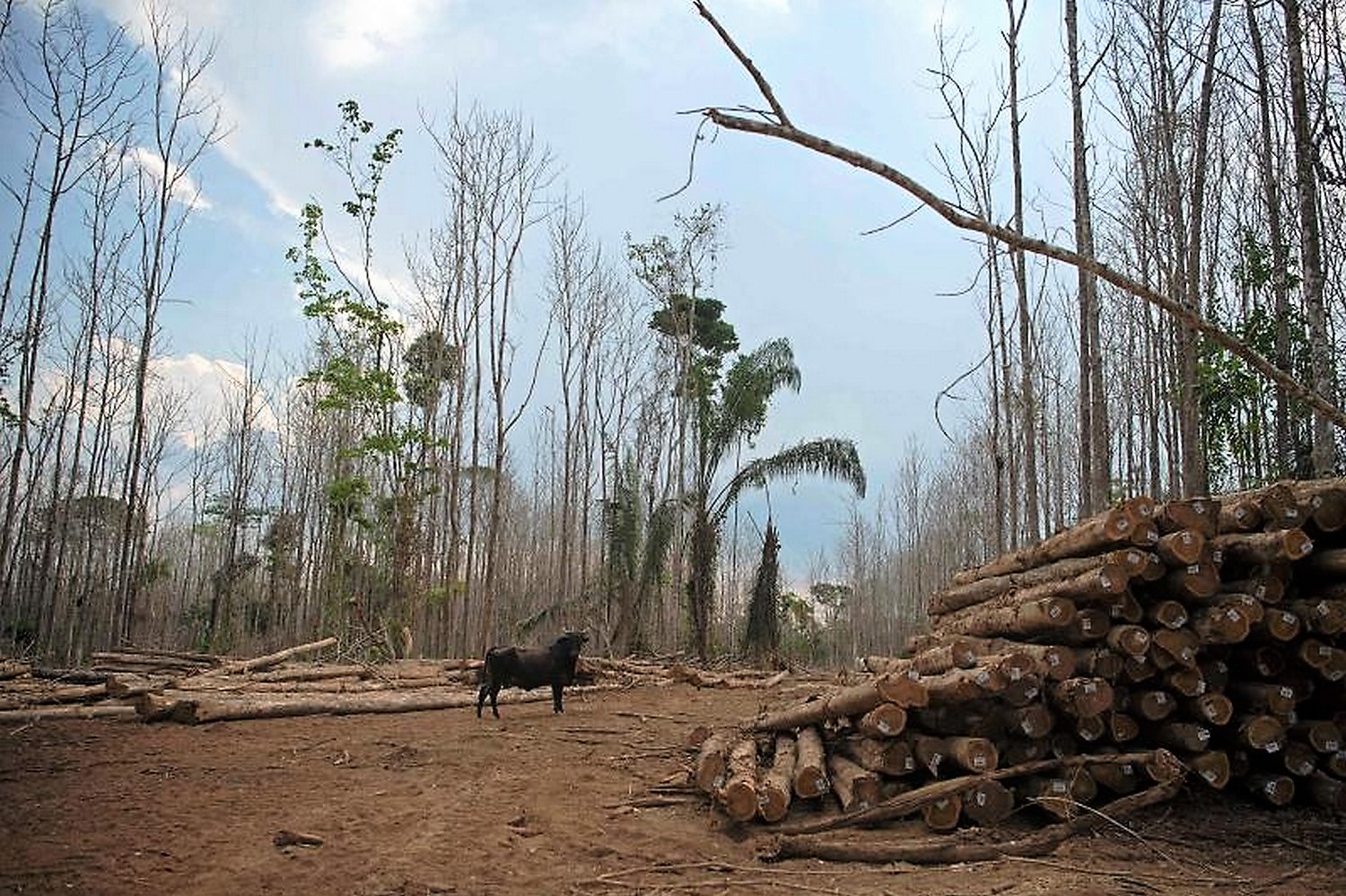
Damaged Amazon forest now emitting more carbon than it absorbs
Joshua Howat Berger of AFP, Published on 04/11/2021
» SAO PAULO, Brazil: Something is wrong. Holed up in her lab, Brazilian atmospheric chemist Luciana Gatti crunches her numbers again and again, thinking there is a mistake.

16th century energy revolution can help fossil fuels exit
News, Roland Ennos, Published on 13/03/2021
» As we contemplate the problems of fossil fuels and climate change, we might look to the 16th and 17th centuries, when people broke free from dependence on our original energy source -- wood--and started burning our first fossil fuel -- coal -- instead.
The pandemic can revolutionise climate policy
Oped, Roland Kupers, Published on 28/08/2020
» Economists have long dominated climate-policy debates, but have scant results to show for it. As with the ongoing global fight against the coronavirus pandemic, our best hope for tackling the climate crisis may instead lie with systems science. By better understanding how networks function, we can design policies that harness them for the common good.

Thai banks' profitability challenge
Business, Roland Berger, Published on 20/03/2020
» Banks in Thailand are facing a deteriorating market structure, marked by intensifying competition, commoditisation of services, shrinking of some fee revenues, and a potential rise in non-performing loans (NPL), according to a new study by the management consultancy Roland Berger.