



Showing 1 - 10 of 57

China's two traps
Asia focus, Keun Lee in Seoul, Published on 21/03/2022
» When Deng Xiaoping launched China's strategy of "reform and opening up" in 1978, economists in the West had their doubts. In their view, a vibrant market economy was fundamentally incompatible with China's authoritarian political system.

Asia's climate optimism
Asia focus, Christine Loh, Pamela Mar, Peter Seligmann and Lin Xu in Hong Kong, Published on 22/02/2021
» Optimism is in the air in Asia, where the new Regional Comprehensive Economic Partnership has brightened prospects for a post-pandemic recovery and a revival of multilateralism. Even more promising, there is growing regional agreement on the need to address climate change.

Transfer of employment under Thai labour laws
Pimvimol Vipamaneerut, Published on 06/10/2020
» Amendments to Thailand's Labour Protection Act (LPA) on May 5, 2019, ushered in significant changes to a variety of labour laws, resulting in increased statutory severance pay, increased maternity leave benefits, implementation of paid necessary business leave, changes in wage payments during temporary suspension of business, interest payments for non-payment of wages in certain situations, and new workplace relocation procedures. These changes to the LPA also enhanced employee protections by setting out key amendments to the law governing transfer of employment.

COVID-19 and returning to work: Health and safety implications for employers
Pimvimol Vipamaneerut & Dusita Khanijou, Published on 11/06/2020
» With the easing of lockdown restrictions in Thailand and the removal of stay-at-home orders, many employers have been proceeding with plans to transition employees from their temporary home offices back to the actual workplace.
Fair treatment of employees under Thai labour law
Pimvimol Vipamaneerut, Piyawat Kayasit and Chusert Supasitthumrong, Published on 04/02/2020
» Labour disputes typically arise when one party—often the employee—feels unfairly treated, for reasons that may stretch far beyond the law, and consequently he or she will feel entitled to restitution. Thailand’s labour laws encompass several safeguards that help employers meet a standard of fairness when dealing with dissatisfied or aggrieved employees.
Thai labour law year in review
Pimvimol Vipamaneerut, Dusita Khanijou and Auradee Pantumkomon Wongsaroj, Published on 07/01/2020
» In this first Human Resource Watch column of 2020, Tilleke & Gibbins' labour and employment lawyers take a look back at three of the most common issues that our clients have asked us about over the past year, including some of the most significant recent legal developments and applications that employers in Thailand have been facing.
When technology and automation replace workers: Thai labour law termination rules
Pimvimol Vipamaneerut & Dusita Khanijou, Published on 05/11/2019
» In this era of rapid technological advancements, the introduction of new computer programs, algorithms, and artificial intelligence has resulted in the automation of many business operations that were previously manually operated by a human workforce, thus resulting in a necessary reduction in the number of employees.

Transport minister has plans for new vote-catching airports in South
Critics say move is to boost Bhumjaithai favour in South, Published on 17/10/2019
» Transport Minister Saksayam Chidchob has plans to spend about 8 billion baht building two new airports in the South, in Phatthalung and Satun, as public-private investment ventures.
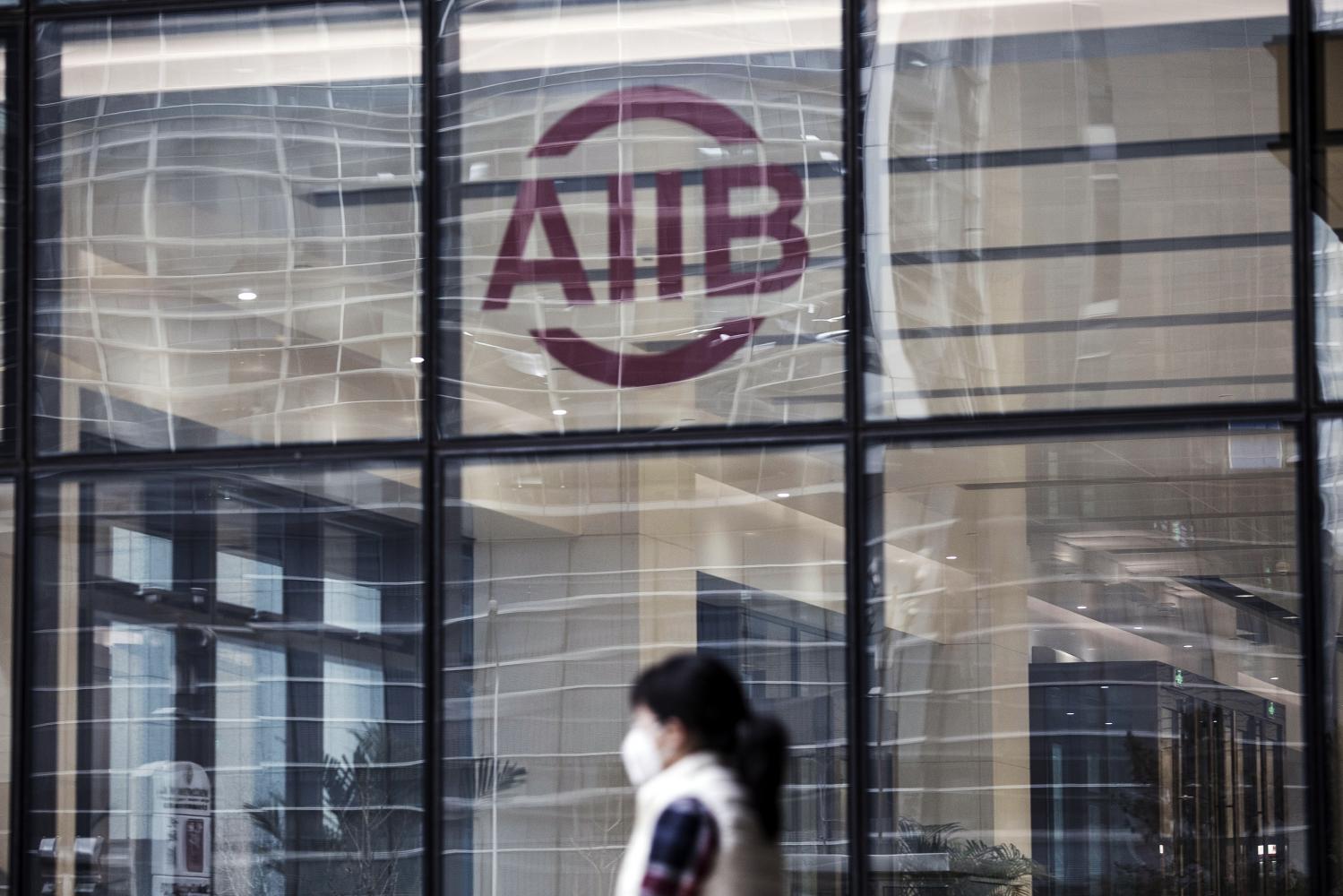
China is committed to multilateralism
Asia focus, Xizhou Zhou in Beijing, Published on 23/09/2019
» In recent years, China's lead role in establishing new multilateral institutions -- including the Shanghai Cooperation Organization, the Asian Infrastructure Investment Bank (AIIB) and the New Development Bank -- has raised fears that the government aims to topple the existing world order. This interpretation misses a crucial point: China has benefited immensely from and continues to participate actively in -- and even ardently defend -- that very order.
The reach and liabilities of the Personal Data Protection Act
Chusert Supasitthumrong, Partner , Dispute Resolution Department, Tilleke & Gibbins, Bangkok, Published on 03/09/2019
» Earlier this year, Thailand enacted its Personal Data Protection Act (PDPA), which was published in the Government Gazette on 27 May 2019. Most parts of the PDPA will become effective one year after this, on 27 May 2020. As the PDPA will have broad impact across multiple aspects of most businesses—including their human resources operations—lawmakers provided this one-year period for those affected to prepare for compliance with the PDPA.