



Showing 1 - 10 of 10
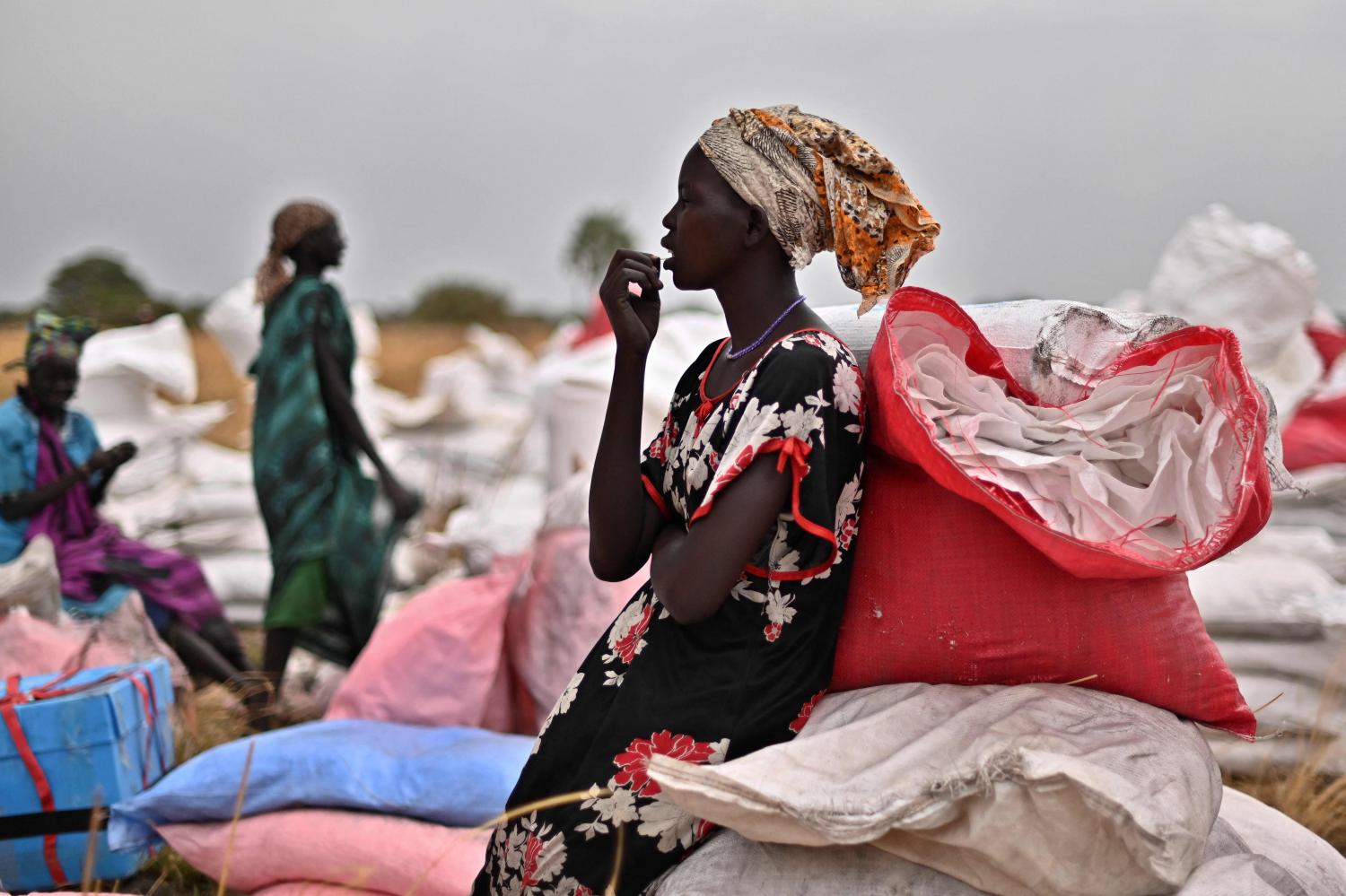
Time to invest more in women
Oped, María Fernanda Espinosa and Anita Bhatia, Published on 07/07/2025
» The Fourth International Conference on Financing for Development (FfD4) in Seville, which ended on Thursday, has taken place at a time of escalating debt crises, rising poverty, declining food security and proliferating climate-related damage. These crises are all exacerbated by deep reductions in official development assistance (ODA), and they all disproportionately affect women and girls, especially in developing countries.

Did COP29 fail women and girls?
News, María Fernanda Espinosa, Published on 13/12/2024
» The most recent United Nations Climate Change Conference (COP29) focused on finance, but it fell short in more ways than one. The contentious negotiations -- representatives from several developing countries walked out in protest -- defied the odds to produce a commitment -- the "Baku Climate Unity Pact" -- from developed economies to deliver $300 billion in climate funding annually to their poorer counterparts by 2035.

Boosting the clean energy push
Oped, Patricia Espinosa & Lourdes Melgar, Published on 05/12/2023
» The world stands at a critical juncture in the fight against climate change. Either we drastically accelerate the clean-energy transition, or our fast-dwindling chances of preventing global temperatures from surpassing 1.5° Celsius above pre-industrial levels will be destroyed. Few understand the stakes better than Latin American and Caribbean (LAC) countries.
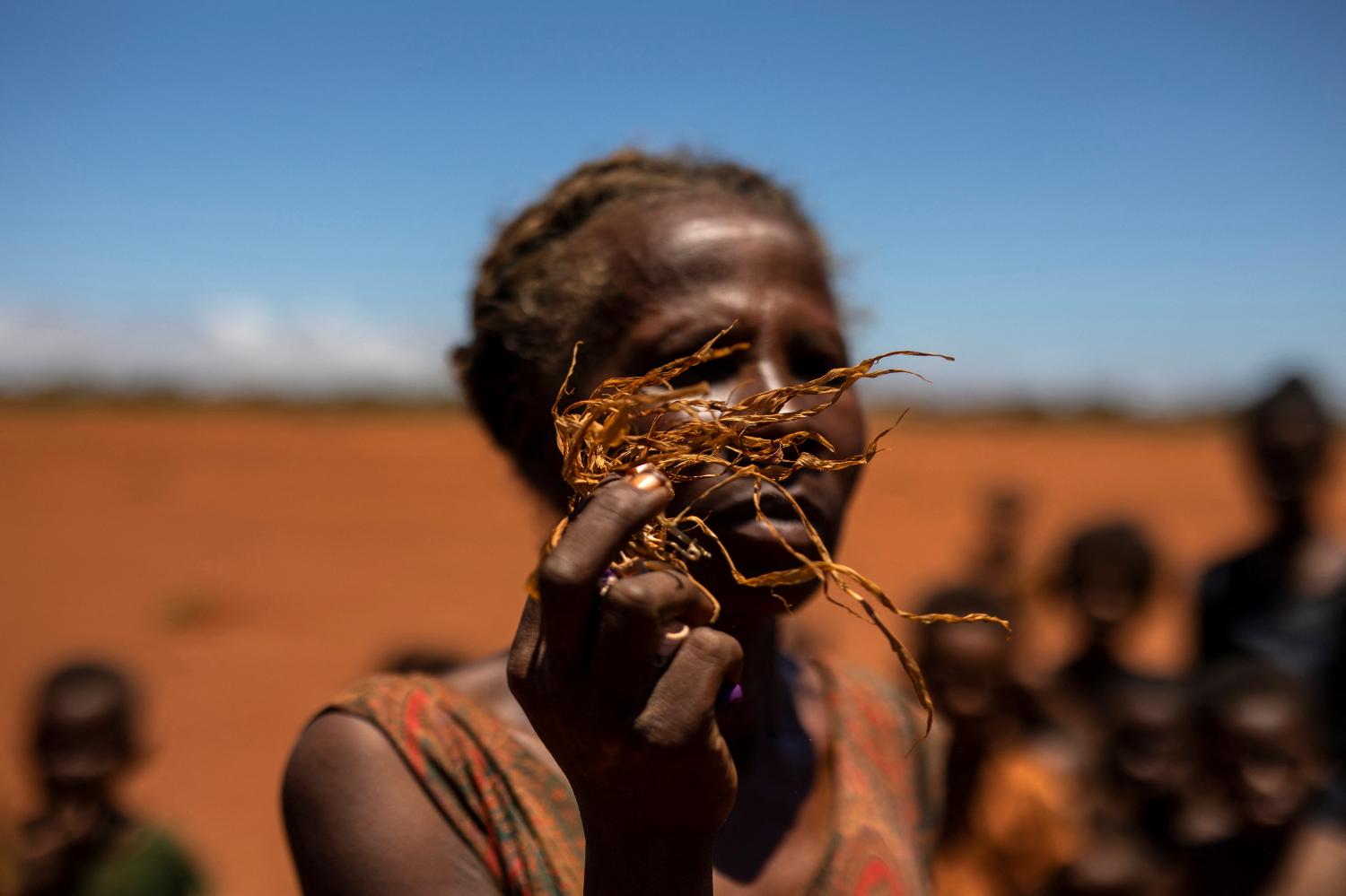
Climate push needs female voice
News, Laura Chinchilla & María Fernanda Espinosa, Published on 28/03/2022
» The world is well aware that the climate crisis is one of the main stumbling blocks to sustainable development. And yet, despite the dramatic evidence of the lethal consequences of climate change, and despite possessing the knowledge, technologies and resources to fix it, we continue on the same high-carbon path that threatens our survival.
A vision for global cooperation
Oped, Maria Fernanda Espinosa & Danilo Turk, Published on 28/10/2021
» The world faces a range of serious threats -- from exclusionary nationalism to great-power competition to growing inequality -- that are preventing the international community from working together to solve other complex challenges, such as the distribution of Covid-19 vaccines and the accelerating pace of climate change. But global crises require global solutions, and with his highly anticipated report, "Our Common Agenda", UN Secretary-General Antonio Guterres has outlined a new vision for multilateral cooperation.

COP26 to emphasise move from intention to action
Oped, Patricia Espinosa, Published on 26/10/2021
» Evidence of the devastation that awaits us if we fail to address climate change continues to mount. Recent catastrophic flooding in Asia and Western Europe, record-shattering temperatures in North America, and raging wildfires in southern Europe -- all of which mirror disasters that developing countries have faced in recent years -- remind us that no country is safe. The future of each one depends on the actions of all.
Stress Tests Show Banks Would Survive Severe Recession
Business, Patricia Kowsmann, Published on 02/08/2021
» Europe's largest banks are overall strong enough to withstand another severe economic shock even after the challenging conditions of the pandemic, results of a stress test show. The results pave the way for many banks to restart distributing dividends.

European Banks Use the Pandemic to Clean House
Business, Patricia Kowsmann & Margot Patrick, Published on 16/02/2021
» European banks are using the pandemic to make changes investors have wanted for years: slash jobs, shut branches and force customers online.

City planning in the post-Covid-19 era will be very different
News, Patricia Viel, Published on 02/05/2020
» Our cities will not be the same after Covid-19. Nor should they be. In Italy, as elsewhere, the public-health crisis has put us on the defensive. Our hospitals have been inadequate. And our cities, having been planned to meet our needs at a particular moment that looks nothing like the present, have fuelled contagion.

New turning point in climate fight
News, Patricia Espinosa & Anne Hidalgo, Published on 30/08/2018
» Next month, the Global Climate Action Summit -- one of the largest international gatherings on climate change the world has seen -- will be held in San Francisco.