



Showing 1 - 10 of 106
From conflict to shared prosperity
News, David Jay Green, Published on 10/02/2026
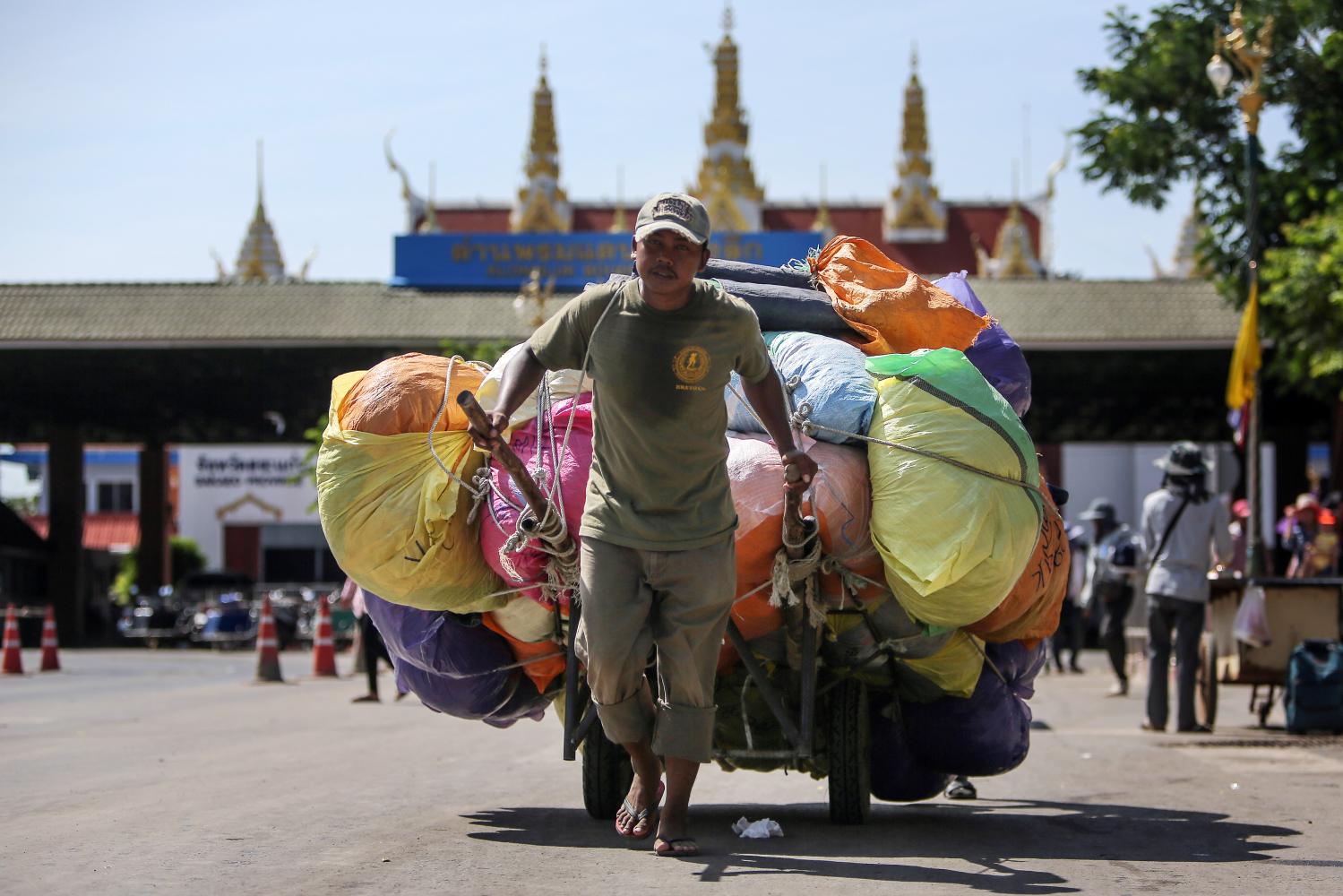
» The news from the front line, the border between Cambodia and Thailand, has a depressing familiarity. Another ceasefire is agreed upon, but it is accompanied by hostile statements from officials of both governments, and, in the past, such statements have led to aggressive action by one or both military forces. This opens the door to armed combat. People are killed or injured, property and infrastructure damaged, and people's livelihoods disrupted. We need to break this cycle; we need real peace.
2026 outlook calls for recalibration
News, Mohamed A El-Erian, Published on 17/01/2026
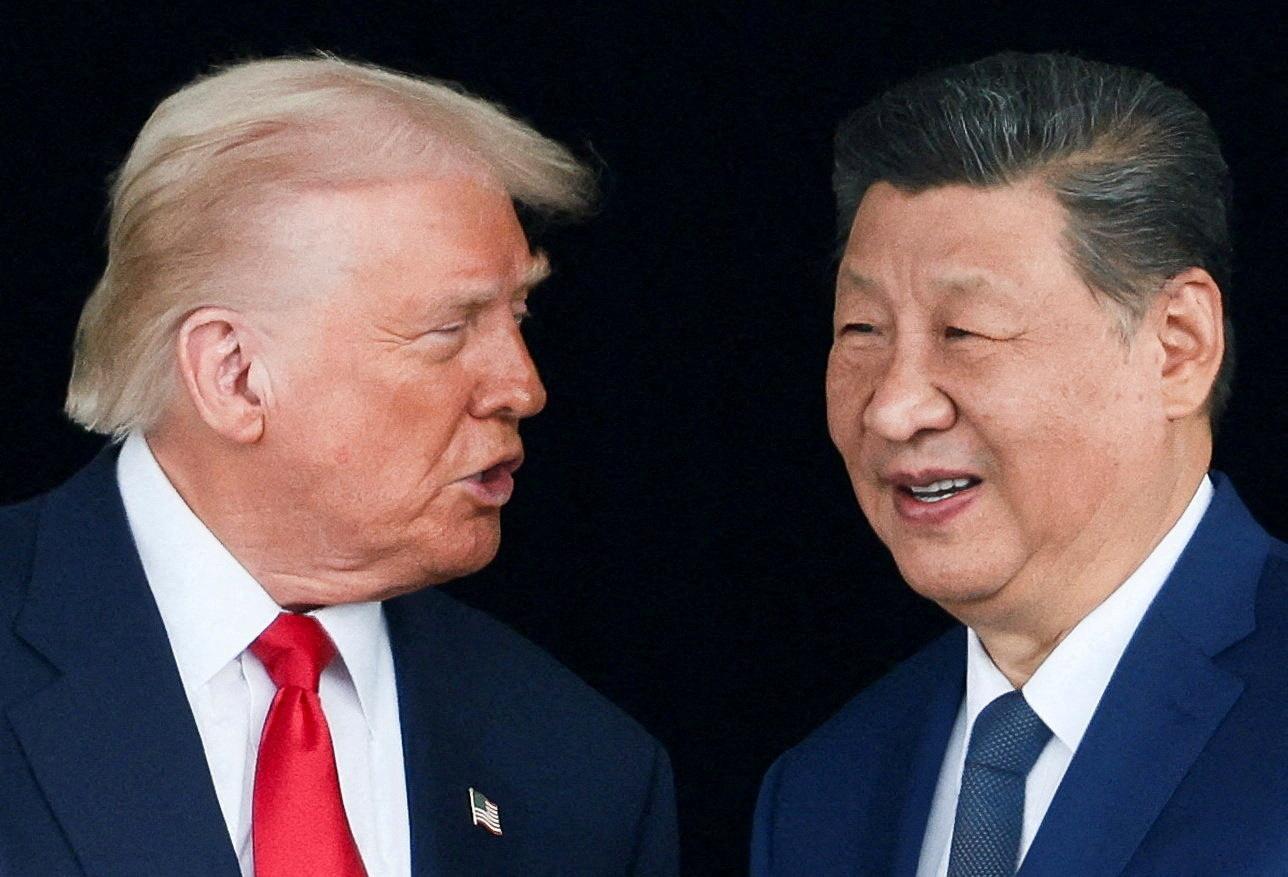
» For global markets, 2025 was defined as much by what did not happen as by what did. The year offered a masterclass in the power of a single narrative, with massive, concentrated bets on AI masking various other unanswered questions. Yet as we move further into 2026, the AI narrative is unlikely to prove strong enough to continue overshadowing other lingering uncertainties, many of which reflect deeper structural shifts. For investors, central banks, and governments alike, the situation demands adaptation.
Stepping up the poverty fight
News, Akinwumi A Adesina & Ilan Goldfajn, Published on 15/09/2025
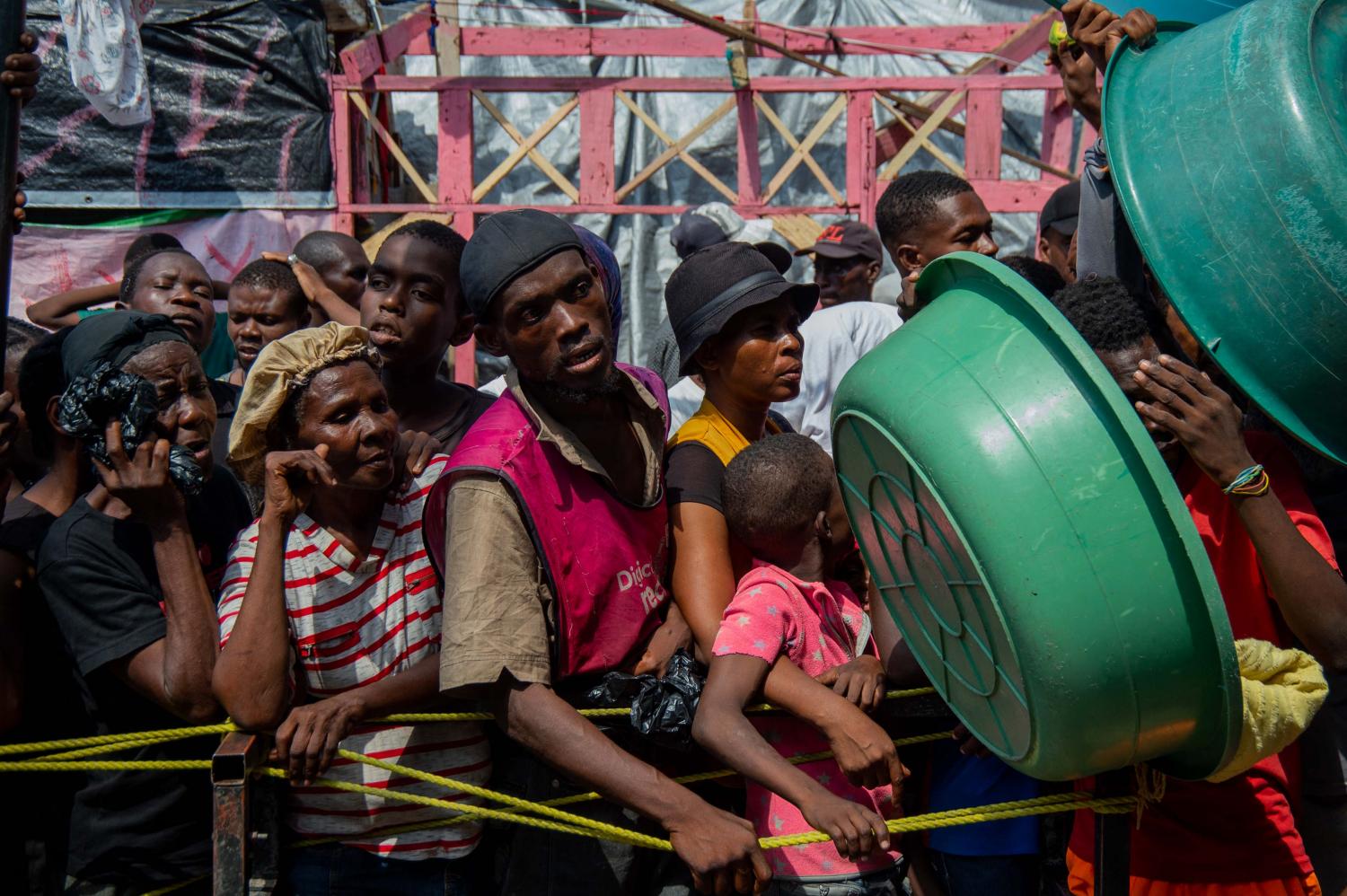
» Faced with a slowing global economy and rising debts, many developing-country governments may be tempted to scale back anti-poverty programmes. That would be a grave mistake. Combating poverty is not just a moral imperative; it is also crucial for economic stability, conflict prevention, and long-term development.
Rethinking development in an era of upheaval
News, Mohamed A El-Erian, Published on 14/08/2025
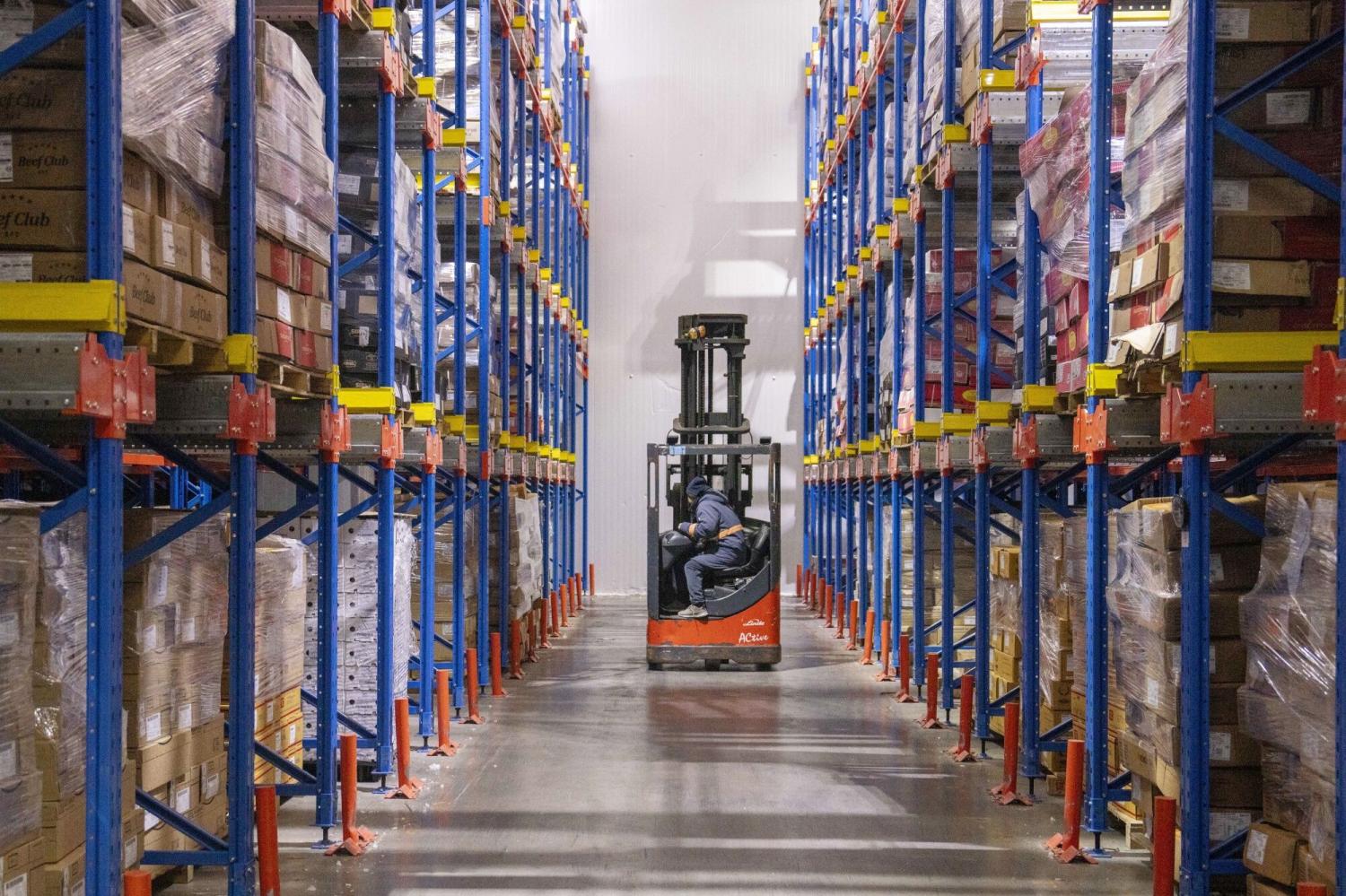
» For many developing countries, the global economic landscape has shifted dramatically in recent years. Lower growth, disrupted supply chains, reduced aid flows, and heightened financial-market volatility represent significant headwinds. Underpinning these changes is a fundamental restructuring, driven by the developed world, of the postwar economic and financial order. Against this background, a handful of factors are becoming critically important for the current and future well-being of developing countries -- and for the fate of multilateral institutions.
Conflict undermines cooperation
Oped, David Jay Green, Published on 05/08/2025
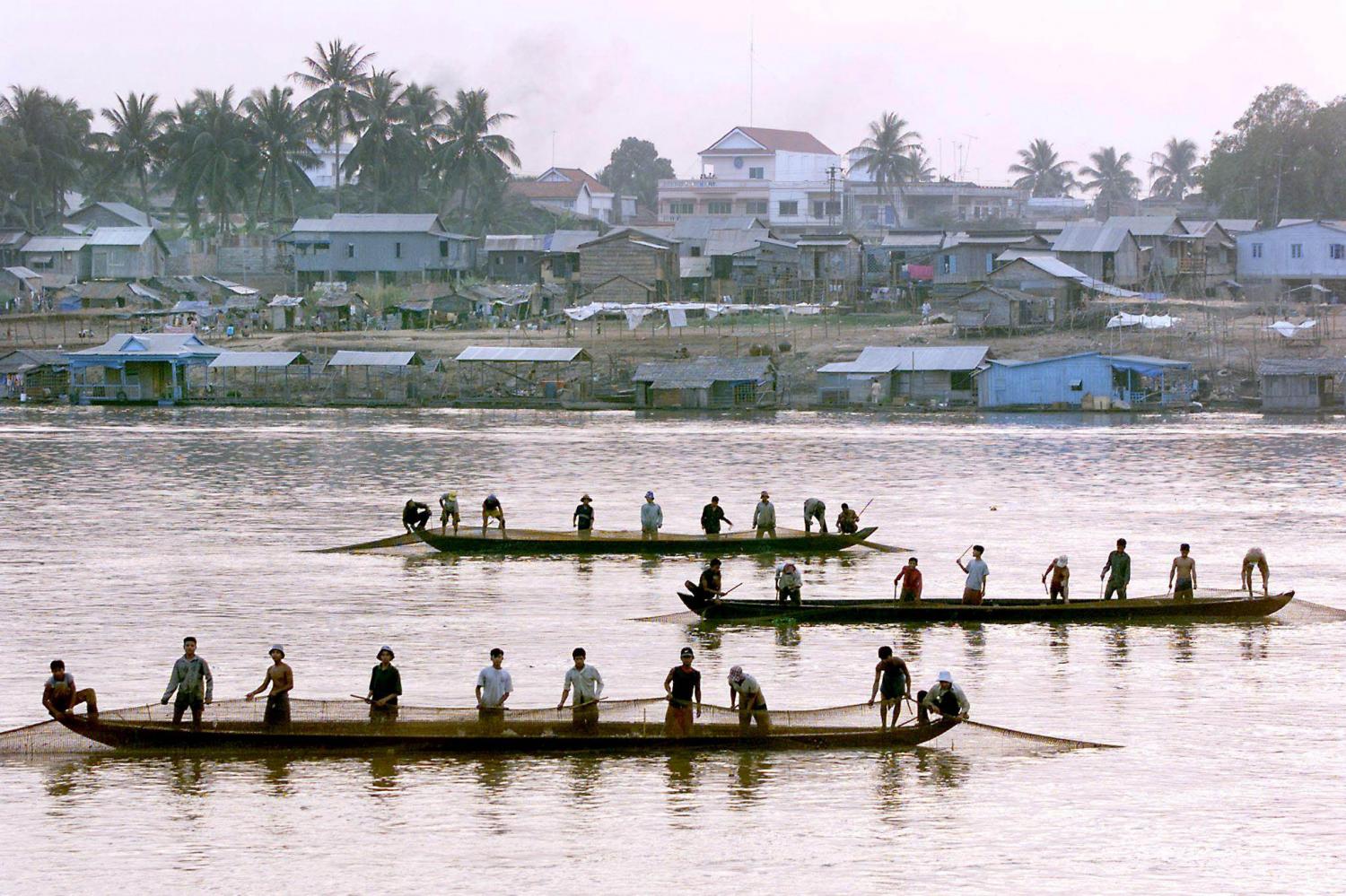
» The long-standing border dispute between Cambodia and Thailand has again escalated to actual conflict. Dozens of people have been killed, more have been injured, and more than 170,000 people have had to flee their homes. Cross-border trade and tourism are on hold. As I write this piece, a fragile ceasefire is still in place, but we need more than this; we need an end to hostilities between the two countries.

Overcoming agentic AI challenges
Business, David Mould, Published on 05/07/2025
» As Thailand progresses towards its vision of becoming a regional artificial intelligence hub, we're at a pivotal moment with a new era of agentic AI -- autonomous AI agents that can act, decide and drive positive outcomes without constant human intervention.

Cybercrime moves up the agenda
News, David Whitehouse, Published on 28/06/2025
» There has been no shortage of commentators ready to hail the decision of former Cambodian prime minister Hun Sen to leak his recent conversation with Thai Prime Minister Paetongtarn Shinawatra as a diplomatic "masterstroke".

Where is US economic policy taking us this time?
Oped, Mohamed A. El-Erian, Published on 29/05/2025
» Although this year is not even half over, it is already likely to feature in history books as one of extreme policy-induced volatility -- not only in financial markets but also in terms of economic narratives and international relations. But where it will lead remains to be seen. Are we witnessing the fragmenting of the US domestic and international order, or just a bumpy ride towards a beneficial rewiring of both?
Working on our shared values
Oped, David Daly, Published on 09/05/2025
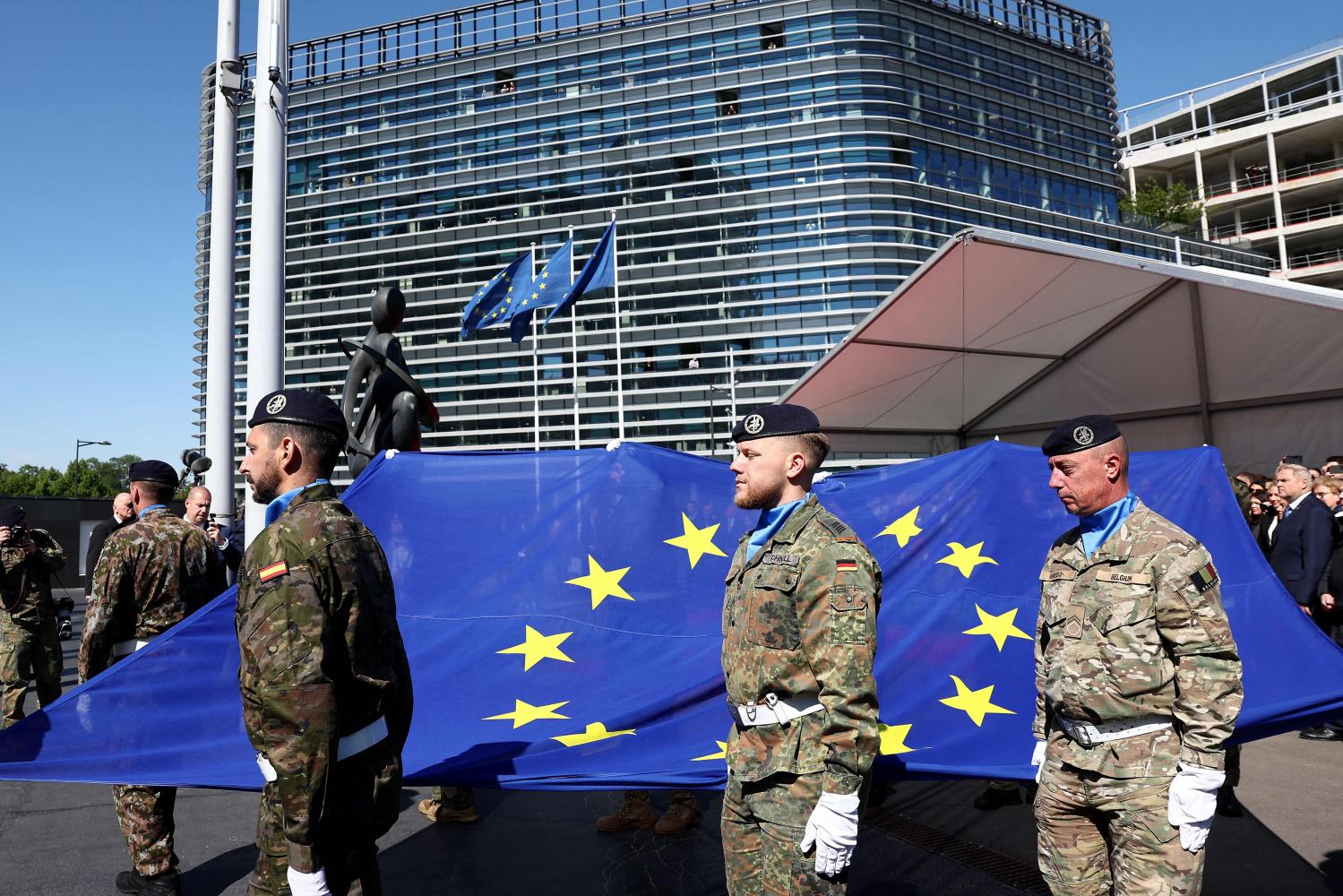
» The European Union was born from the ashes of the Second World War to break the cycle of wars between historical enemies. On May 9, 1950, French foreign minister Robert Schuman presented a historical declaration proposing to jointly manage, through a single supranational authority, the industries needed to wage war -- coal, iron, steel. The Schuman Declaration was adopted by six countries -- Belgium, France, Germany, Italy, Luxembourg and the Netherlands; May 9 is since considered the founding day of the EU.

Empowering middle-income states
News, Enrique A. Manalo Secretary for Foreign Affairs, Published on 28/04/2025
» Spanning across all regions of the world -- from Latin America to Africa, from Eastern Europe to Southeast Asia and the Pacific -- middle-income countries (MICs) constitute over 100 countries, hosting 75% of the world's population and producing 35% of global GDP. Many MICs are in Asia.