



Showing 1 - 5 of 5

Fintech and universal inclusion
Oped, Carl Manlan & Adanna Chukwuma, Published on 14/01/2025
» The world has made remarkable progress in advancing financial inclusion in recent years. In the decade beginning in 2011, the share of adults with access to financial services rose a whopping 50%, to more than three-quarters. But we still have a long way to go in creating a truly inclusive financial system. Beyond expanding access to financial products and services, we must ensure that these products and services work for all people, including the 1.2 billion people worldwide with disabilities.

How to navigate the risks of DPI
Oped, Carl Gahnberg, Published on 25/12/2024
» In recent years, the concept of Digital Public Infrastructure (DPI) has gained significant attention from the international community, including the United Nations and the G20, as a new policy paradigm for development. But understanding the risks of DPI is crucial to ensuring that its potential benefits materialise.

Oldest human genomes reveal how a small group burst out of Africa
By Carl Zimmer of the New York Times, Published on 16/12/2024
» NEW YORK - About 45,000 years ago, a tiny group of people - fewer than 1,000 - wandered the icy northern fringes of Europe. Across thousands of miles of tundra, they hunted woolly rhinoceros and other big game. Their skin was most likely dark.

You don’t need a microscope to see the biggest bacteria ever found
Carl Zimmer of the New York Times, Published on 04/07/2022
» NEW YORK: In a Caribbean mangrove forest, scientists have discovered a species of bacteria that grows to the size and shape of a human eyelash. These cells are the largest bacteria ever observed, thousands of times bigger than more familiar bacteria such as Escherichia coli.
How coronavirus spreads in a tiny drop of water
Carl Zimmer of the New York Times News Service, Published on 07/12/2021
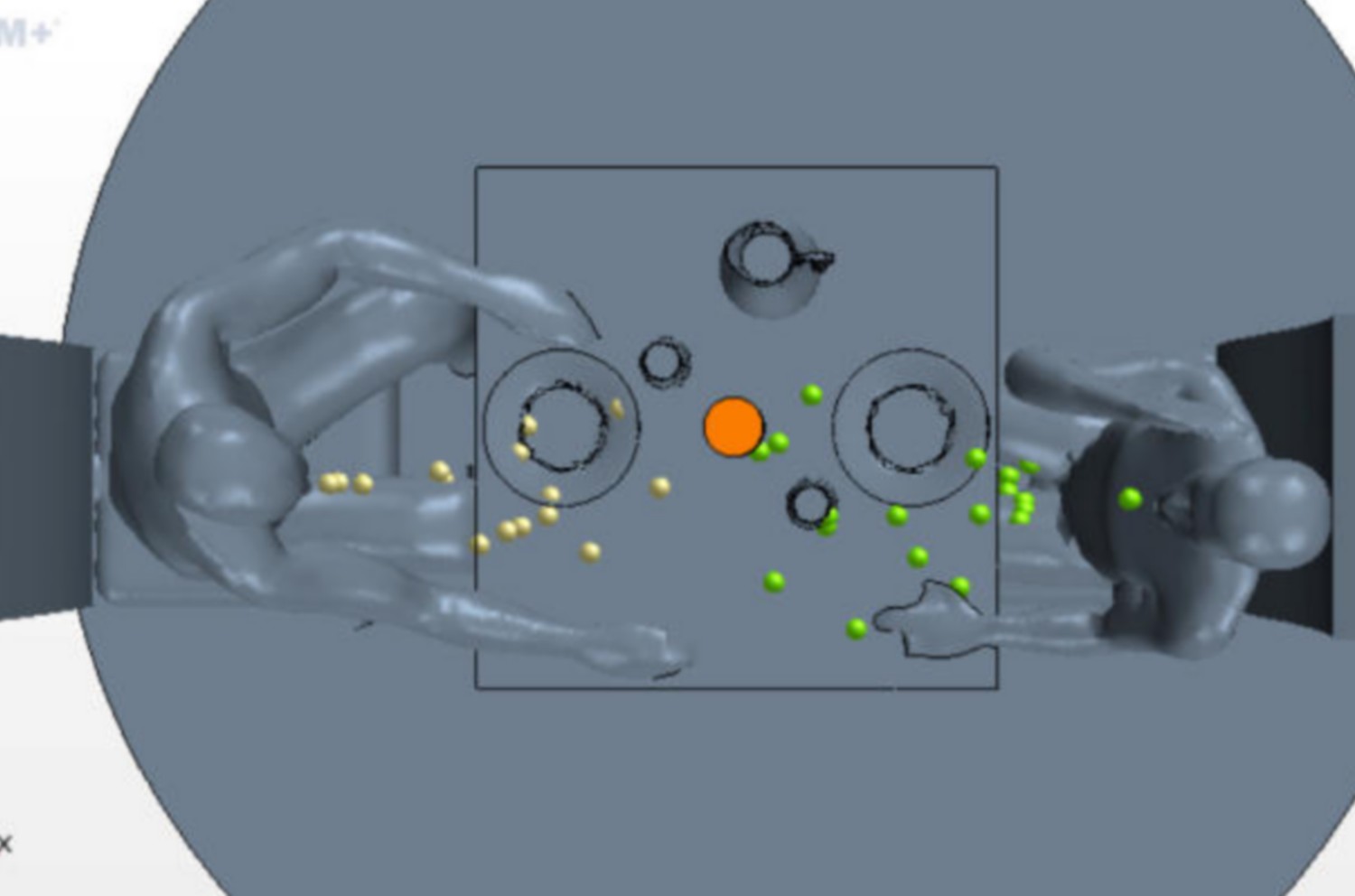
» NEW YORK: To better understand the coronavirus’s journey from one person to another, a team of 50 scientists has for the first time created an atomic simulation of the coronavirus nestled in a tiny airborne drop of water.