



Showing 1 - 10 of 14
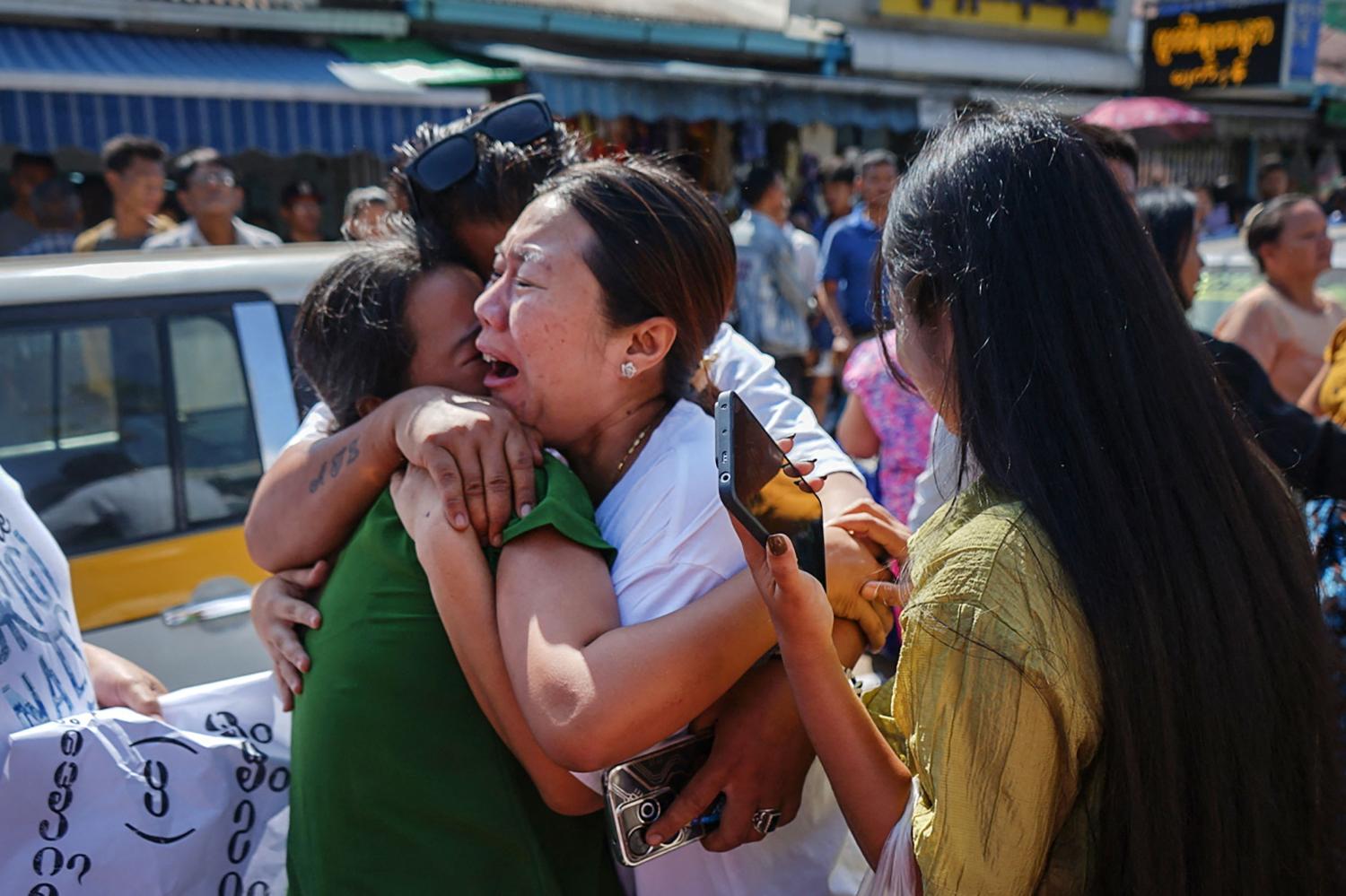
When repressive states choose terror over death
News, Alan Clements, Published on 23/01/2026
» Fyodor Dostoevsky -- one of the few writers to survive state terror and return with a psychology sharp enough to indict it.
Act now as Suu Kyi is gravely ill
Oped, Alan Clements, Published on 10/09/2025
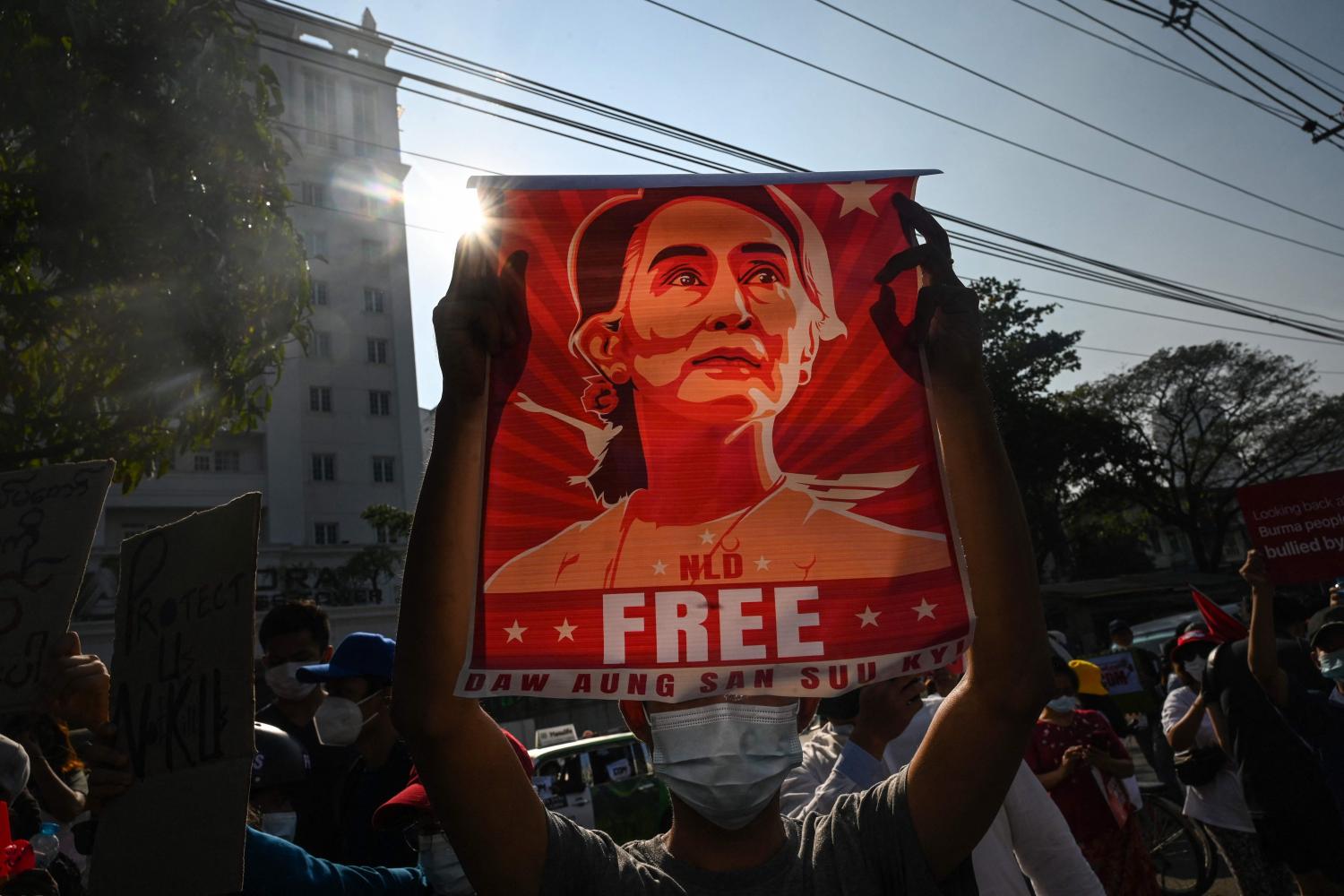
» Just days ago, Kim Aris, the youngest son of 80-year-old Aung San Suu Kyi, told The Independent that his mother -- Myanmar's imprisoned democracy leader and Nobel Peace Laureate -- is gravely ill with worsening heart disease.

Return nameless victims to heal tsunami wounds
Oped, Alan Morison, Published on 26/12/2024
» A leader of the team that identified thousands of victims of the 2004 tsunami now believes that Interpol's 99.9% certainty rule should be adapted out of compassion to try to reunite the remaining 380 nameless victims with their families. Twenty years on, the full story behind the huge detective saga in Thailand that gave names back to thousands of victims of the 2004 tsunami is being told for the first time.

Thai defamation law fails good people
Oped, Alan Morison, Published on 07/12/2024
» Pressure is likely to intensify in the new year for Thailand to repeal its abusive criminal defamation laws as flaws in the multiple cases against advocate-journalist Chutima Sidasathian. Many others have exposed the laws' deficiencies.

Rohingya crisis merits reconciliation
Oped, Alan Clements, Published on 28/09/2024
» As Bangladesh's interim chief adviser, Nobel Peace Laureate Muhammad Yunus has captured global attention with his impassioned call for the urgent repatriation of over 1.2 million Rohingya refugees. The scale of this humanitarian tragedy -- displacement on a near-unimaginable level -- is undeniable. Bangladesh's commitment to maintaining peace and stability within the camps is commendable. But in the rush to repatriate, we must not lose sight of the harsh realities on the ground in Myanmar's Rakhine State, where violence and devastation continue to unfold.

Dhaka's role in Myanmar's crisis
Oped, Alan Clements, Published on 23/08/2024
» As Bangladesh ushers in a new era of leadership under Nobel Laureate Professor Muhammad Yunus, the world watches with hope and anticipation. His leadership, emerging from a period of student-led protests and political upheaval, symbolises a triumph of democracy and justice in a region long plagued by strife. But as Bangladesh looks inward to heal and rebuild, there is an urgent call for its new leadership to turn its gaze toward a neighbour in dire need -- Myanmar.
How G7 can help those with debt
News, Mariana Mazzucato & Alan Donnelly, Published on 28/06/2022
» From the weekend until today, G7 leaders have gathered in Germany to discuss a litany of overlapping global crises, including the war in Ukraine, food insecurity, inflation, backlogged global supply chains, the pandemic response and climate change. These challenges have a common denominator: All are falling hardest on low- and middle-income countries that are already facing an escalating debt crisis.
How to design a pandemic fund
News, Mariana Mazzucato & Alan Donnelly, Published on 25/04/2022
» With over two-thirds of the African continent still unvaccinated against Covid-19, it is clear that the global pandemic preparedness and response (PPR) regime remains seriously underfunded and lacking in resilient, effective delivery systems. While the World Health Organization's Access to Covid-19 Tools Accelerator (ACT-A) has helped to address the gross inequity in access to testing, treatments, and vaccines, it lacks the financial backing needed to support low-income countries comprehensively.

Myanmar's national disgrace is the Tatmadaw
Oped, Mark Adams, Published on 27/03/2021
» Today is a national holiday in Myanmar called Armed Forces Day. It is intended to honour that country's military and, as such, it is a fitting time to reflect on what exactly is worth celebrating.
Supply chains for a post-pandemic environment
Oped, Alan Adams, Published on 22/10/2020
» We are experiencing the biggest health and economic crisis in generations. Covid-19 has drastically changed our lifestyles and with emergency measures imposed by governments worldwide to curb the spread of the virus, major disruptions have emerged across industries.