



Showing 1 - 10 of 925

Deadly deception
Postbag, Published on 14/03/2026
» Re: "US investigation points to likely US responsibility in Iran school strike", (World, March 6).

Phuket airport fiasco
Oped, Postbag, Published on 04/03/2026
» Re: "AoT must justify charge", (Editorial, Feb 23).
FAO at 80: feeding the future
News, Qu Dongyu, Published on 16/10/2025
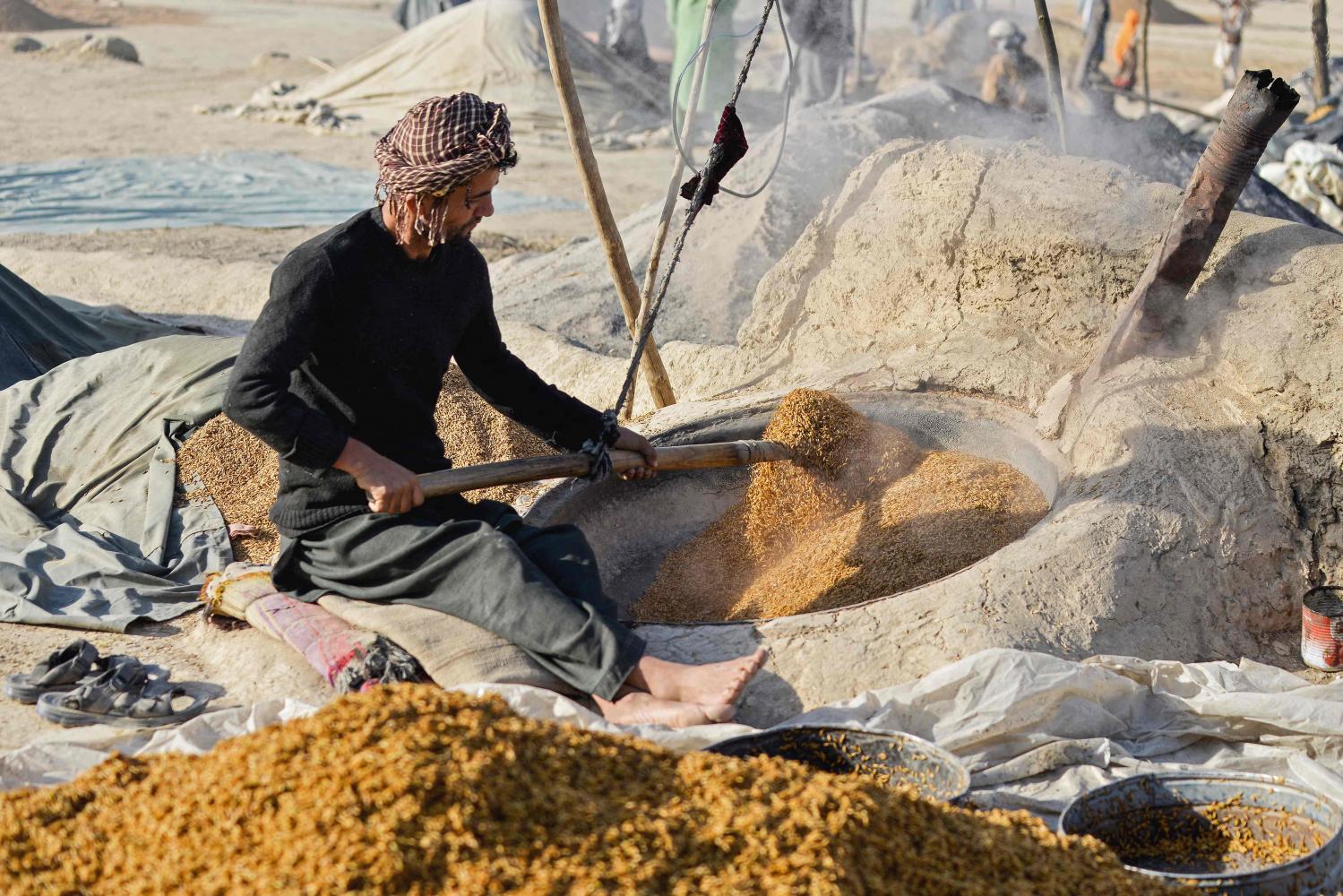
» This year's World Food Day marks 80 years since the founding of the Food and Agriculture Organization of the United Nations (FAO), whose mandate from the outset has been to ensure humanity's freedom from want.

Terminal volunteers can save lives
News, Peter Singer & Benjamin L Sievers, Published on 13/09/2025
» At the University of California, San Diego (UCSD), a programme called Last Gift offers terminally ill patients the opportunity to help create more effective treatments. Their special circumstances transform the usual risk-benefit calculus of joining a clinical study of an untested drug. Researchers can ask them to consider consenting to being research participants in ways that they would not ask healthier people with long life expectancies, and terminally ill patients may choose to give that consent when others would be less likely to do so.

Flat fare flaw
Oped, Postbag, Published on 10/07/2025
» Re: "20-baht flat rate fare gets the nod", (BP, July 9).

Rethinking what it means to be human
News, Peerasit Kamnuansilpa, Published on 05/07/2025
» In the decades ahead, Thailand will not collapse in a blaze of war, disease, or climate catastrophe. Rather, it will quietly wither from within. The twin forces of demographic decline and digital automation are converging with astonishing speed, and yet our political and moral imaginations remain unprepared.
Stepping up HIV fight
Oped, Editorial, Published on 30/06/2025
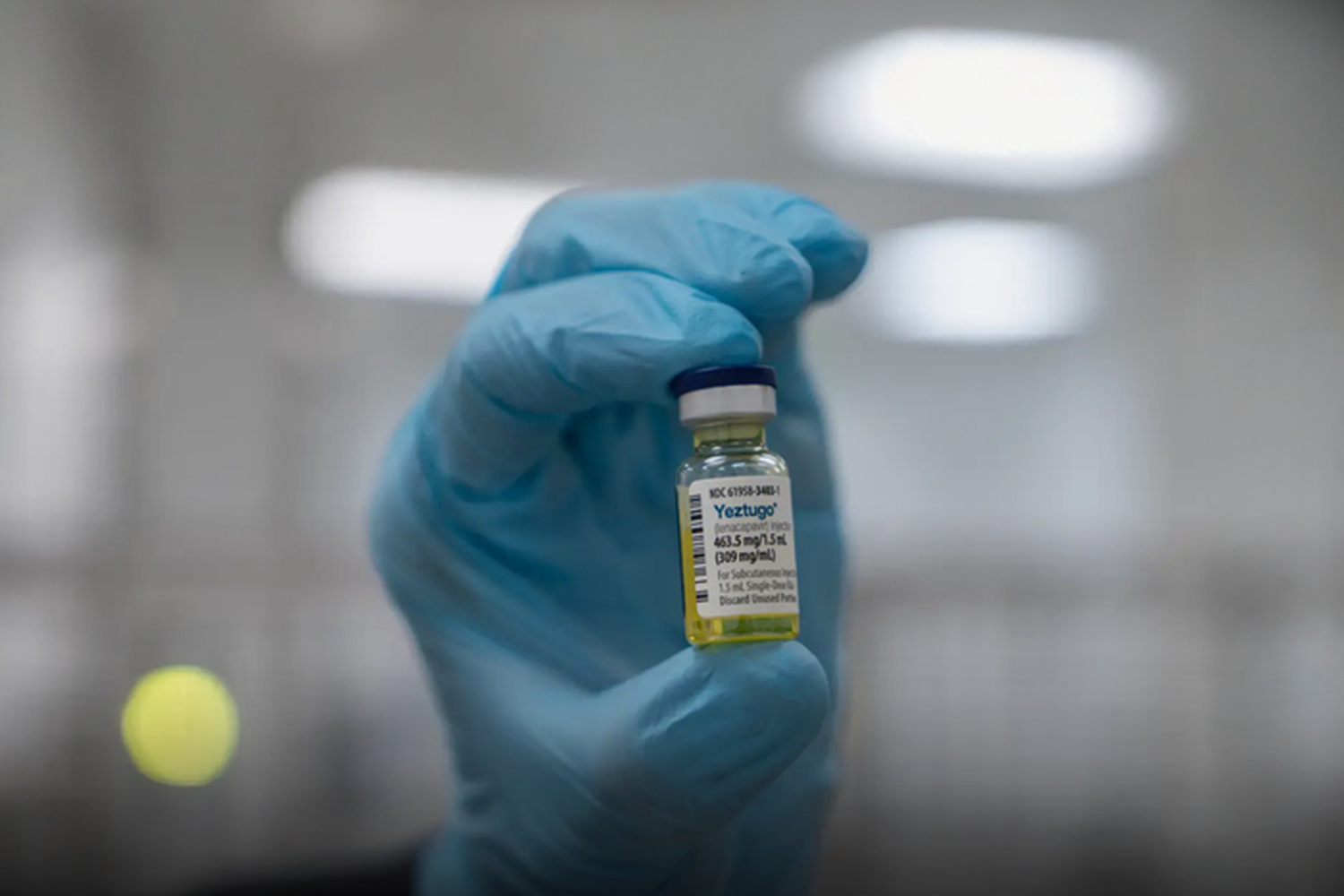
» The recent news of Gilead Sciences' groundbreaking new HIV preventative drug, Lenacapavir, offers a beacon of hope in the fight against HIV. With a remarkable 96% efficacy in reducing HIV infection and the convenience of only two injections per year, Lenacapavir holds the potential to be a true game-changer in the global effort to halt the transmission of HIV.

Unite to solve neglected diseases
Oped, Muhammad Radzi Abu Hassan, Published on 29/04/2025
» The successful collaboration between the health ministries of Malaysia and Thailand, industry partners in Egypt and Malaysia, and the Drugs for Neglected Diseases initiative (DNDi) to bring a new hepatitis C antiviral drug -- ravidasvir -- to market in 2022 was an important milestone. For years, a 12-week course of treatment using sofosbuvir cost between $70,000 (2.34 million baht) and $80,000, putting it out of reach for many in the Global South. But ravidasvir -- a safe and effective alternative when combined with sofosbuvir -- costs far less, averaging less than $500 per course.

Musk’s lost boys and Trump’s mean girls
News, Maureen Dowd, Published on 12/02/2025
» Tom Stoppard wrote in The Real Thing, his enticing play about infidelity: “To marry one actress is unfortunate. To marry two is simply asking for it.”
Covid's lessons have now all been forgotten
Oped, Antara Haldar, Published on 03/01/2025
» In December 2019, as the world was looking ahead to a new year, a novel virus was quietly spreading in China. Soon, the Covid-19 pandemic would bring the world to a grinding halt, forcing billions of people into unprecedented lockdowns and shuttering economies worldwide. Five years on, we are still grappling with the effects of this "grey rhino": a high-probability risk that was nonetheless neglected or ignored.