



Showing 1 - 10 of 20
Marking time at the COP30 climate summit
Oped, Gwynne Dyer, Published on 12/11/2025
» Populist parties are already in power in some developed countries and waiting just outside the door in many more. The key trick of populist politicians is to tell the voters what they want to hear, and the voters definitely do not want their lives to be disrupted by global heating, so they are told it is not happening. It's "the world's biggest con", in Donald Trump's words.
Global coral collapse a neglected crisis
News, Imran Khalid, Published on 16/08/2025
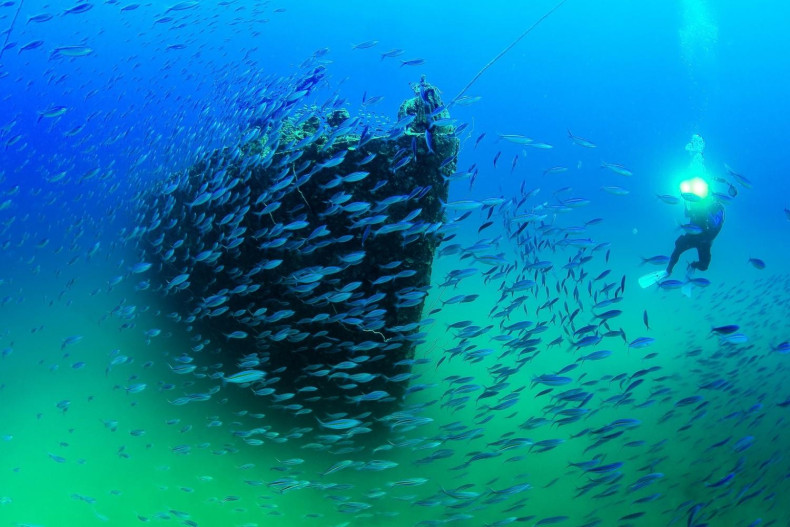
» Before the crack of dawn on Koh Tao in the Gulf of Thailand, Somsak Chaisri paddles his wooden boat over waters that used to shimmer with life. A once-vibrant coral garden below the water surface now consists of dead skeleton-like structures. According to this fisherman, the bleached coral skeletons are the only things he pulls from the water after his father showed him how to fish in living coral reefs. "Now, I drag up ghosts," he murmured. His lament echoes across the tropics. From the Maldives to Mozambique, the once-thriving reefs of the Pacific, Atlantic, and Indian Oceans are being scoured of life.

Trump is trying to build a far-right international
Oped, Jan-Werner Mueller, Published on 30/07/2025
» Until recently, the spectre of an international far-right alliance of populist parties in democracies around the world has been just that: any appearance of cooperation was a form of self-promotion, rather than an expression of true solidarity. Few far-right figures have made any sacrifices for one another or seriously interfered in other countries' internal affairs to prop up allies. And efforts to unite the far right in the European Parliament have fallen dismally short.
Today, Tuvalu. Tomorrow, the entire world
Oped, Gwynne Dyer, Published on 15/07/2025
» Some big changes arrive with a bang, but usually they sort of sneak in and you barely notice them at first. Last month's big change saw the creation of the world's first climate-change visas. It's a way of giving potential climate refugees some hope and some dignity, and it would certainly be an improvement on the current migration mess.

We can't escape climate migration, it's inevitable
Oped, Gaia Vince, Published on 15/02/2025
» Not quite a quarter of the way through this 21st century and horrifying scenes of inferno are again broadcast across the world -- this time, from Los Angeles. Among the tens of thousands of dazed citizens forced to evacuate are the world's wealthiest climate refugees: business moguls and Hollywood stars.

It's feeling a bit on the warm side
Roger Crutchley, Published on 07/04/2024
» It was Oscar Wilde who observed that "conversation about the weather is the last refuge of the unimaginative". He might have had a point but it means there are a lot of unimaginative people in Thailand at present. I can hardly recall a conversation lately without a reference to the heat. It has definitely been "a bit on the warm side".
Transform development finance
News, Mia Mottley & Werner Hoyer, Published on 27/06/2023
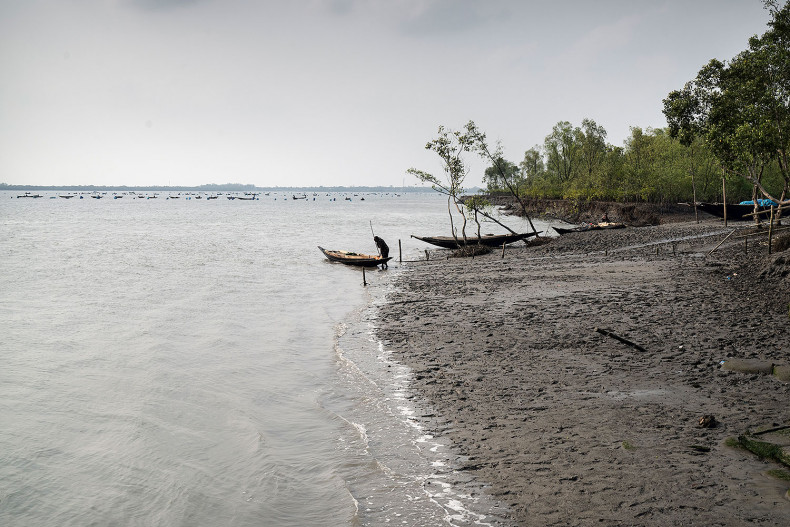
» In a world beset by rising temperatures, extreme weather patterns, and escalating natural disasters, the urgency of decisive action on climate change and the threat of future pandemics has never been more apparent. Both threats will affect us all. But the countries between the Tropics of Cancer and Capricorn -- including the Caribbean and Pacific states, and parts of Latin America, Africa, and Asia where another 40% of the global population lives -- are currently experiencing loss and damage four times greater than elsewhere.
What shall we do with climate refugees?
News, Gwynne Dyer, Published on 29/08/2022
» You wait ages for the bus, and then three come along at once. Books are a bit like that, too, although in this case it's only a pair of them, both tackling the question of what to do about all the "climate refugees". (The United Nations' International Organization for Migration estimates that 1.5 billion people may be forced to move in the next thirty years alone.)
India at 75, and what might have been
Oped, Gwynne Dyer, Published on 20/08/2022
» Last Tuesday, on the 75th anniversary of Indian independence, Prime Minister Narendra Modi promised to turn India into a developed country within the next 25 years. If all goes well, that could actually come to pass, but it would have to go very well indeed.
What if mangroves could float atop the oceans?
Oped, Benno Böer, Shawn Kelly and Andrew Dansie, Published on 26/07/2022
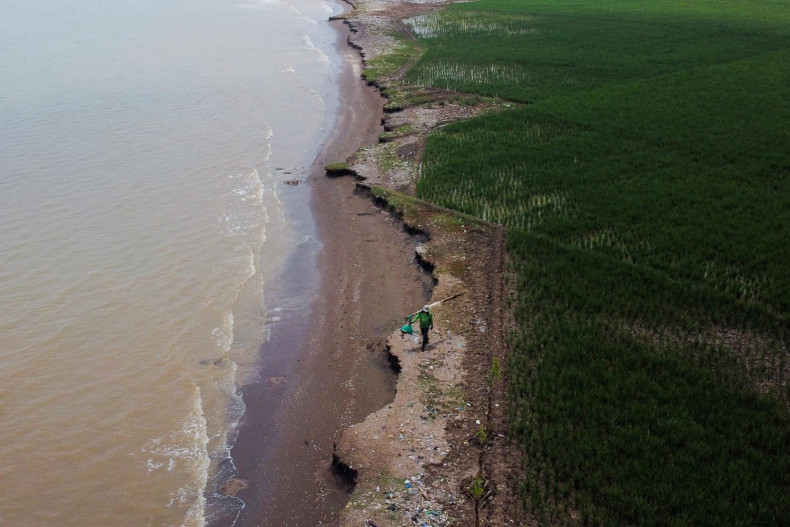
» Unesco is deeply engaged in the monitoring, scientific research and sustainable utilisation of mangroves. The inclusion of mangroves in Unesco-designated sites, such as Biosphere Reserves, World Heritage sites and Global Geoparks contributes to improving the knowledge, management and conservation of mangrove ecosystems throughout the world. The tropical and subtropical habitat of mangroves makes them especially important in the majority of the world's low and middle-income countries where they provide a range of ecosystem services and livelihood support.