




Showing 1 - 10 of 6,182
Hormuz crisis reveals energy resilience gap
News, Laura Carvalho, Published on 18/04/2026
» The closure of the Strait of Hormuz has triggered what the International Monetary Fund calls a "global yet asymmetric" rupture, disrupting the flow of roughly one-quarter of oil, one-fifth of liquefied natural gas, and one-third of fertiliser supplies. Energy and fertiliser prices have risen, supply chains have rerouted, and financial conditions have tightened unevenly around the world.
The war and its likely consequences
Oped, Thitinan Pongsudhirak, Published on 17/04/2026
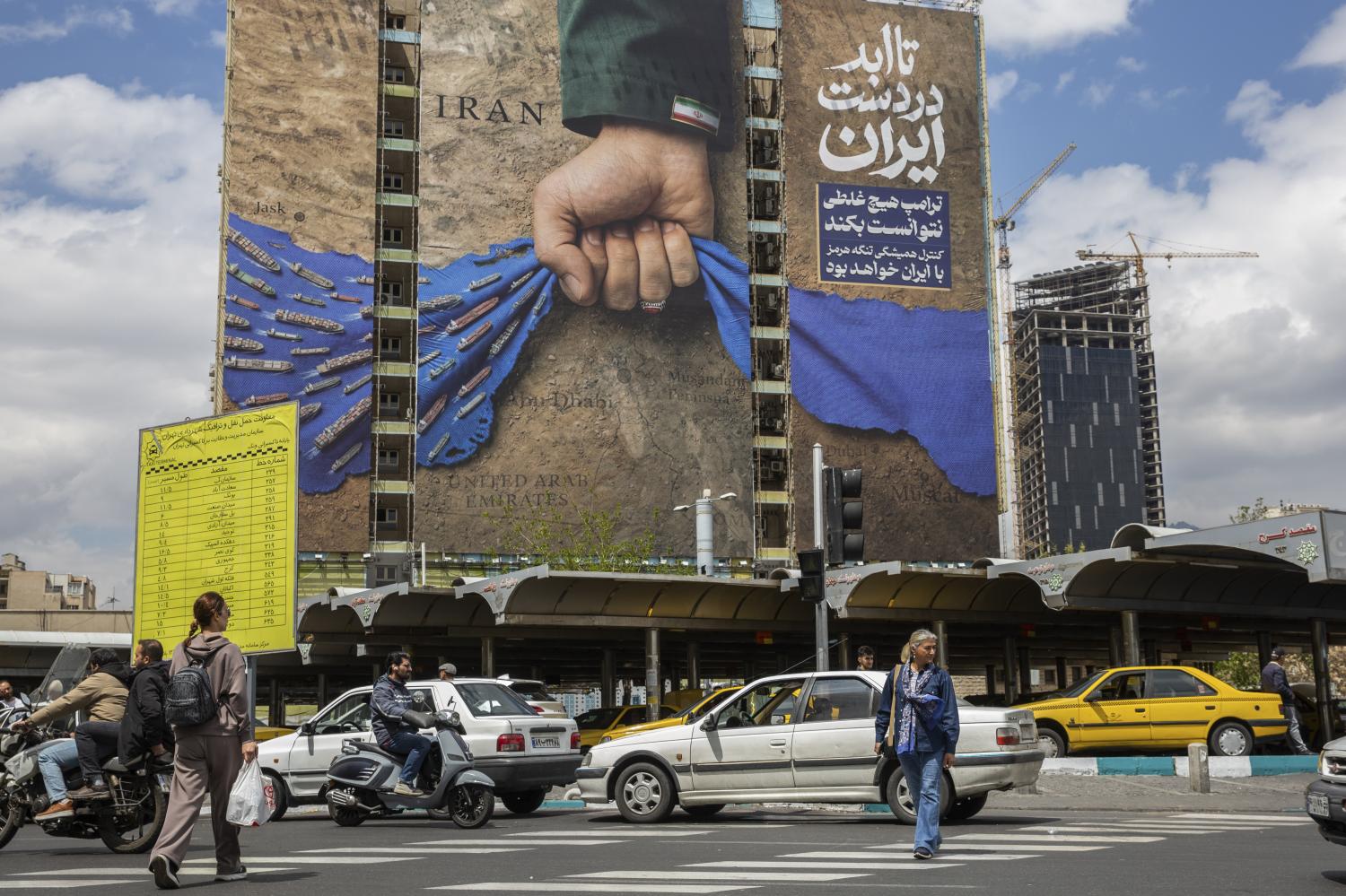
» As the joint attack between the United States and Israel against Iran that resulted in a wider regional conflict in the Middle East approaches its two-month mark, the directions of the war remain precarious while some of the longer-lasting consequences appear evident. Unsurprisingly, the war has been detrimental and damaging for all states and societies concerned, not just within the affected region but the wider world. Already we can start counting some of the long-term costs.
Myanmar looks east again in search of legitimacy
Oped, Larry Jagan, Published on 17/04/2026
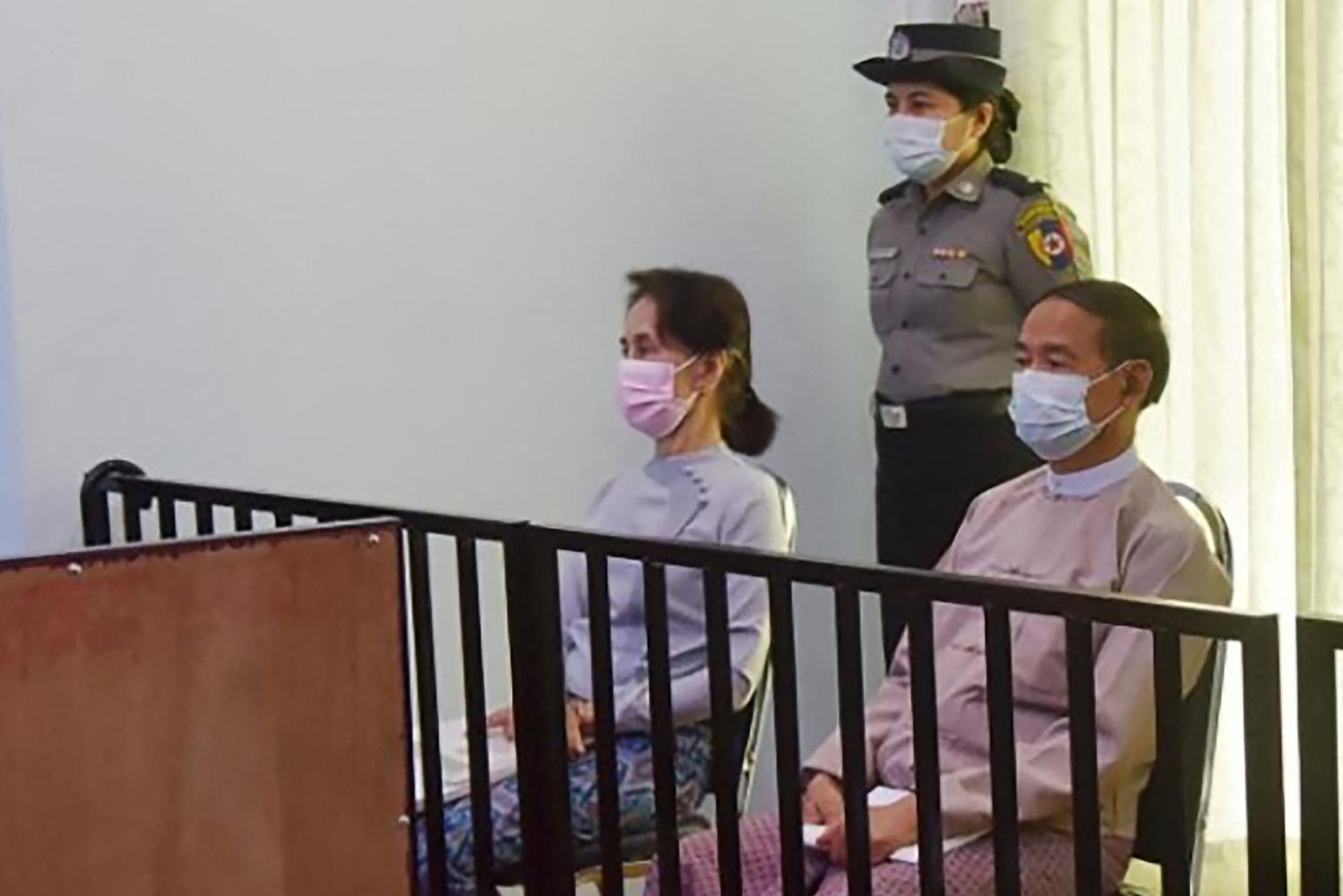
» Myanmar understands it needs to reach out to the world if it is to end its isolation and roll back the sanctions much of the West has levied against it. To this end, the men in green, now in civilian clothes, are seeking the support of traditional allies -- China and Asean, especially Thailand -- as well as Bangladesh and Pakistan, in an effort to reset foreign policy and regain international acceptance.

Hail the blasphemer
Oped, Postbag, Published on 17/04/2026
» Re: "Trump 'not a big fan' of Leo", (World, April 14). Between the leader of the spiritual world and that man portraying himself as world leader, Pope Leo commands the global Catholic population of 1.4 billion, representing 17% of the world's population, which is by far higher than the population of that man's country of 350 million people.

Pope no pushover
Oped, Postbag, Published on 16/04/2026
» Re: "Trump 'not a big fan' of Leo", (World, April 14)
Oil shock risks wider chain reaction
Oped, Chartchai Parasuk, Published on 16/04/2026
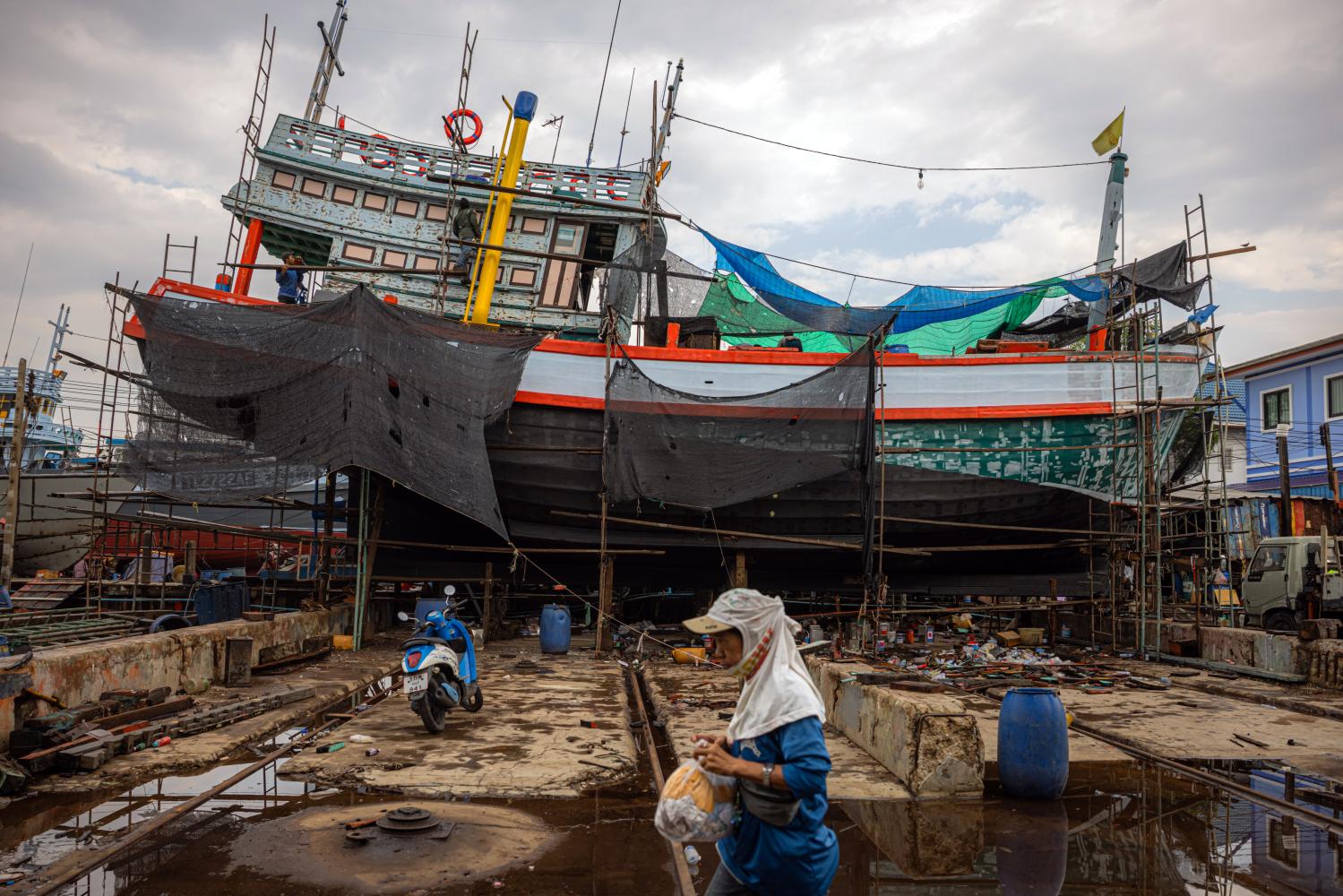
» There is no such thing as a free lunch. When global oil prices rise sharply, as they are doing now, someone must bear the cost. Some countries choose to absorb it through government support, as in Japan, while others pass the burden on to consumers, as in Thailand. Neither approach is inherently right or wrong; each carries different economic consequences. Policymakers must decide which set of outcomes is more acceptable and act accordingly.
Orban's fall seen as a populist turning point
Oped, Gwynne Dyer, Published on 16/04/2026
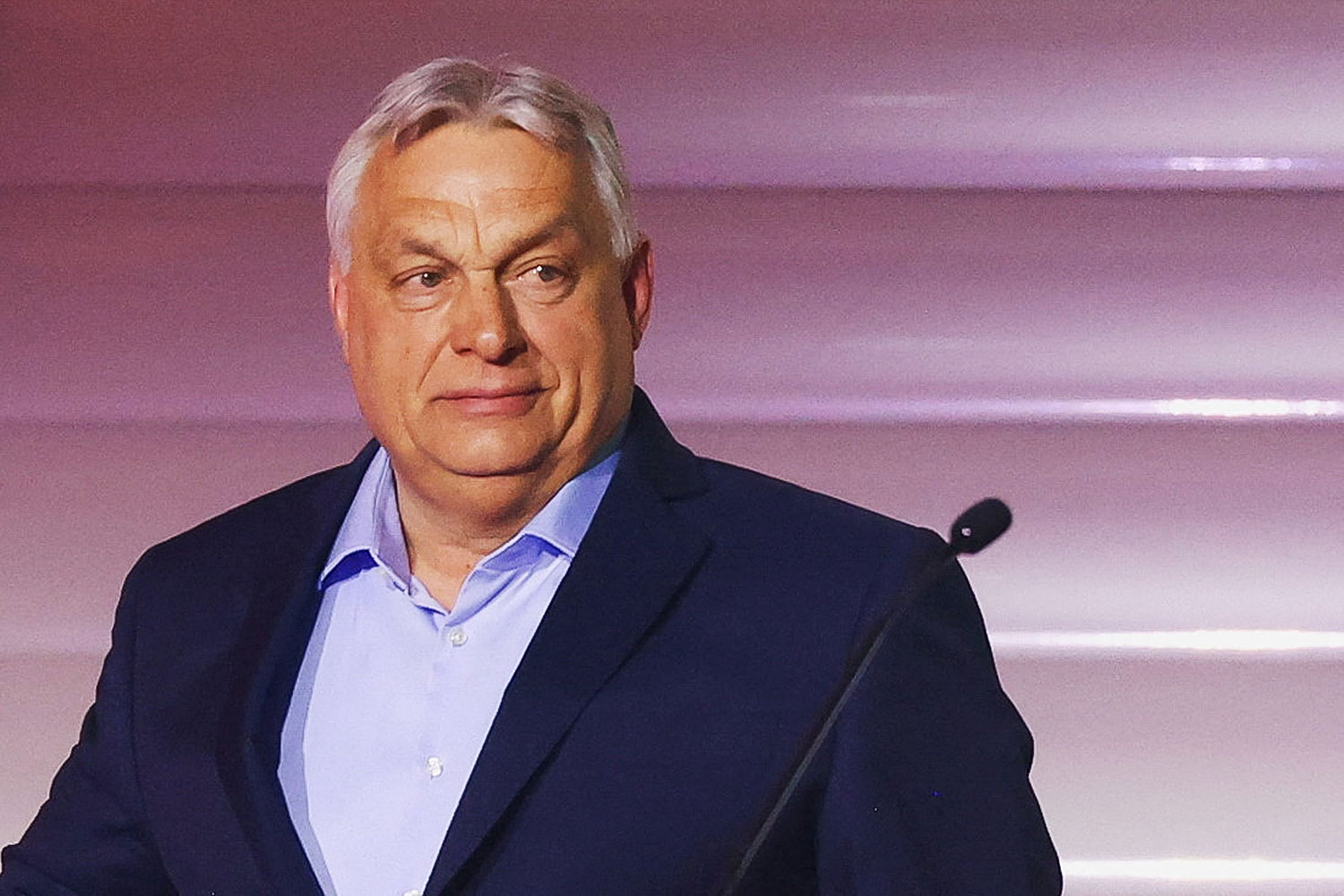
» Polish Prime Minister Donald Tusk sent a message congratulating Hungary's newly elected prime minister, Peter Magyar, for having evicted long-serving populist leader Viktor Orban (aka "The Viktator") from power. All the usual welcoming words, but Mr Tusk's message ended with two slightly mysterious words in Hungarian: "Ruszkik haza" -- Russians go home.

A toxic reversal
Postbag, Published on 13/04/2026
» Re: "Energy and environment will take centre stage" (InQuote, April 1) and "BJT pulls support for Clear Air Bill" (BP, April 7).
Control and fear inside the clergy
Editorial, Published on 12/04/2026
» Silence in the Sangha -- the official institution of Buddhist monks -- is often mistaken for virtue. In reality, it is driven by manipulation and a culture of fear.
What are Thailand’s visa changes really about?
Vanich Kittichai, Published on 11/04/2026
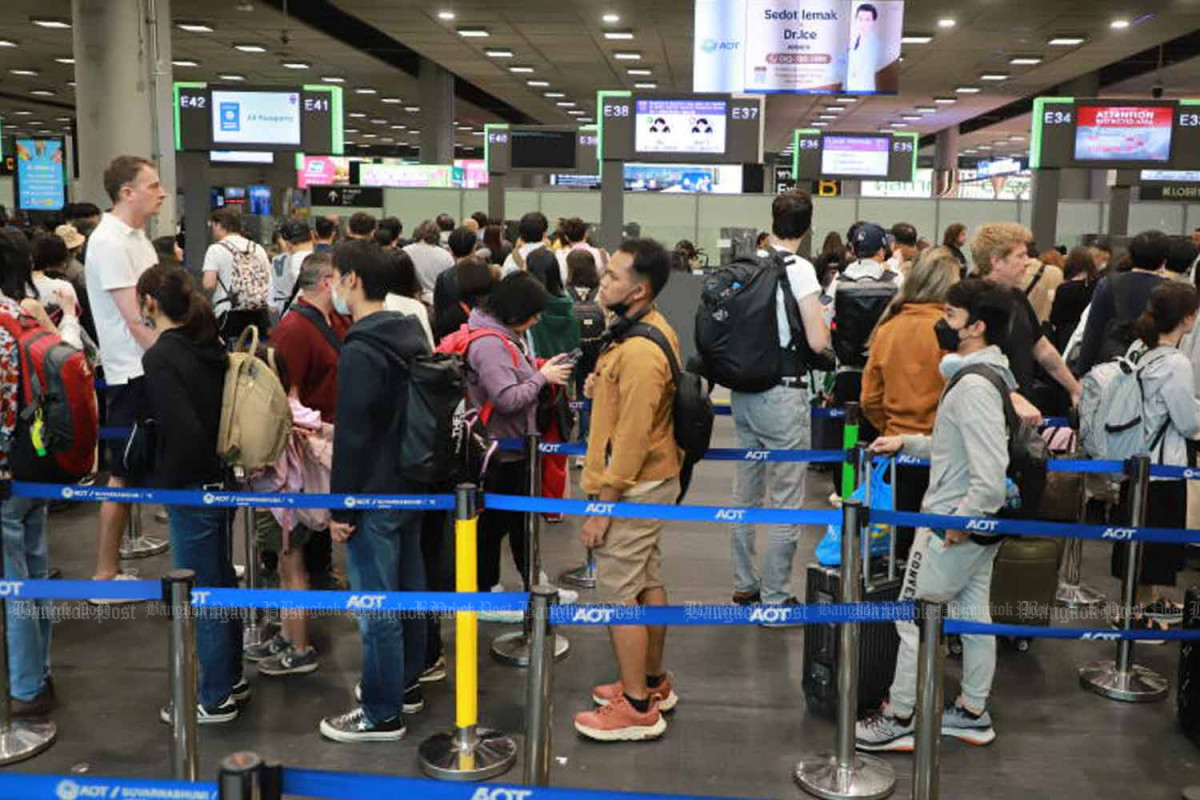
» There have been a number of announcements from state agencies to do with visa policies in Thailand over the past several months that seem to have made the matter rather convoluted.