




Showing 1 - 10 of 2,015
Oil shock risks wider chain reaction
Oped, Chartchai Parasuk, Published on 16/04/2026
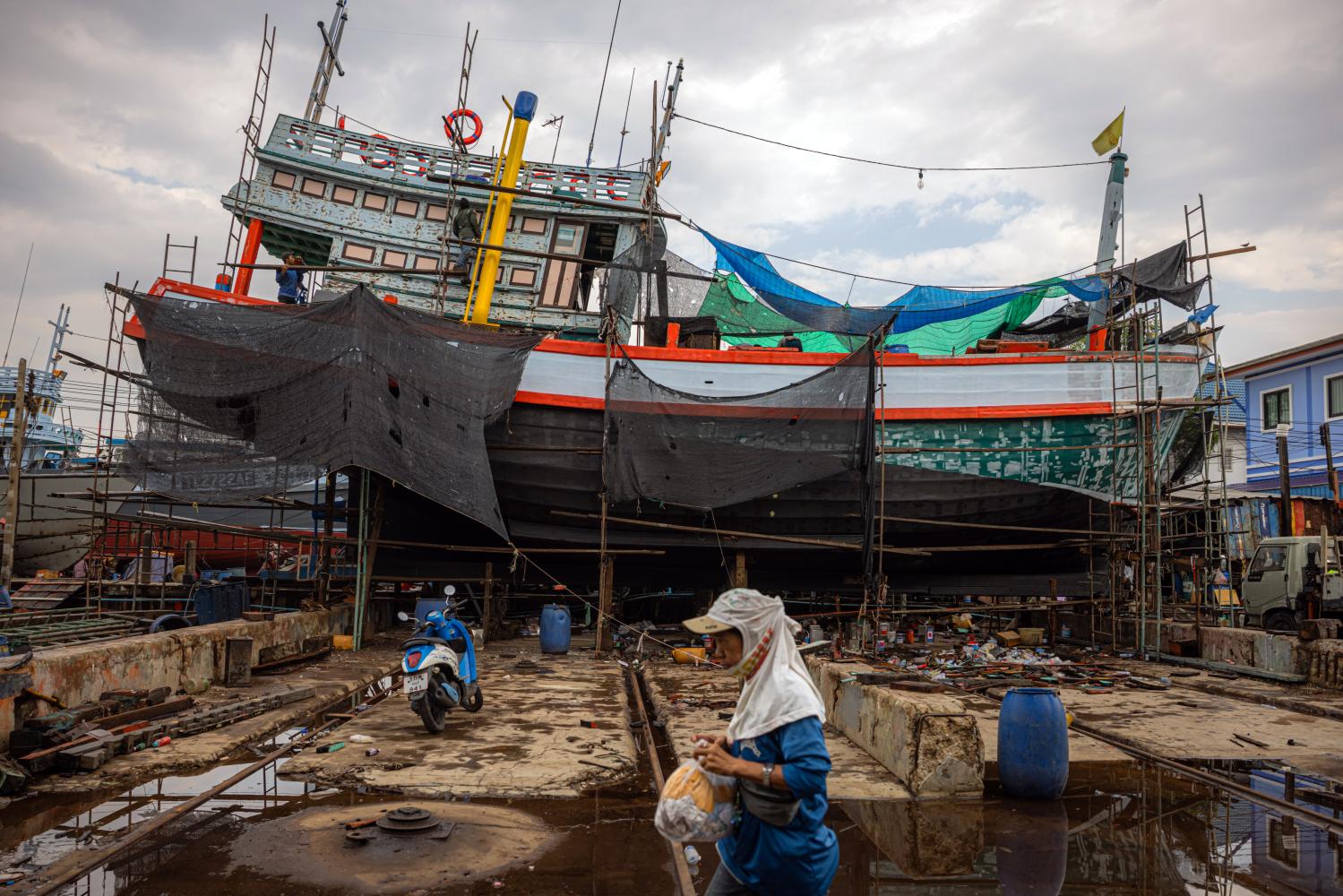
» There is no such thing as a free lunch. When global oil prices rise sharply, as they are doing now, someone must bear the cost. Some countries choose to absorb it through government support, as in Japan, while others pass the burden on to consumers, as in Thailand. Neither approach is inherently right or wrong; each carries different economic consequences. Policymakers must decide which set of outcomes is more acceptable and act accordingly.
Asean banks face climate pressure
Oped, Rachel Ho, Published on 08/04/2026
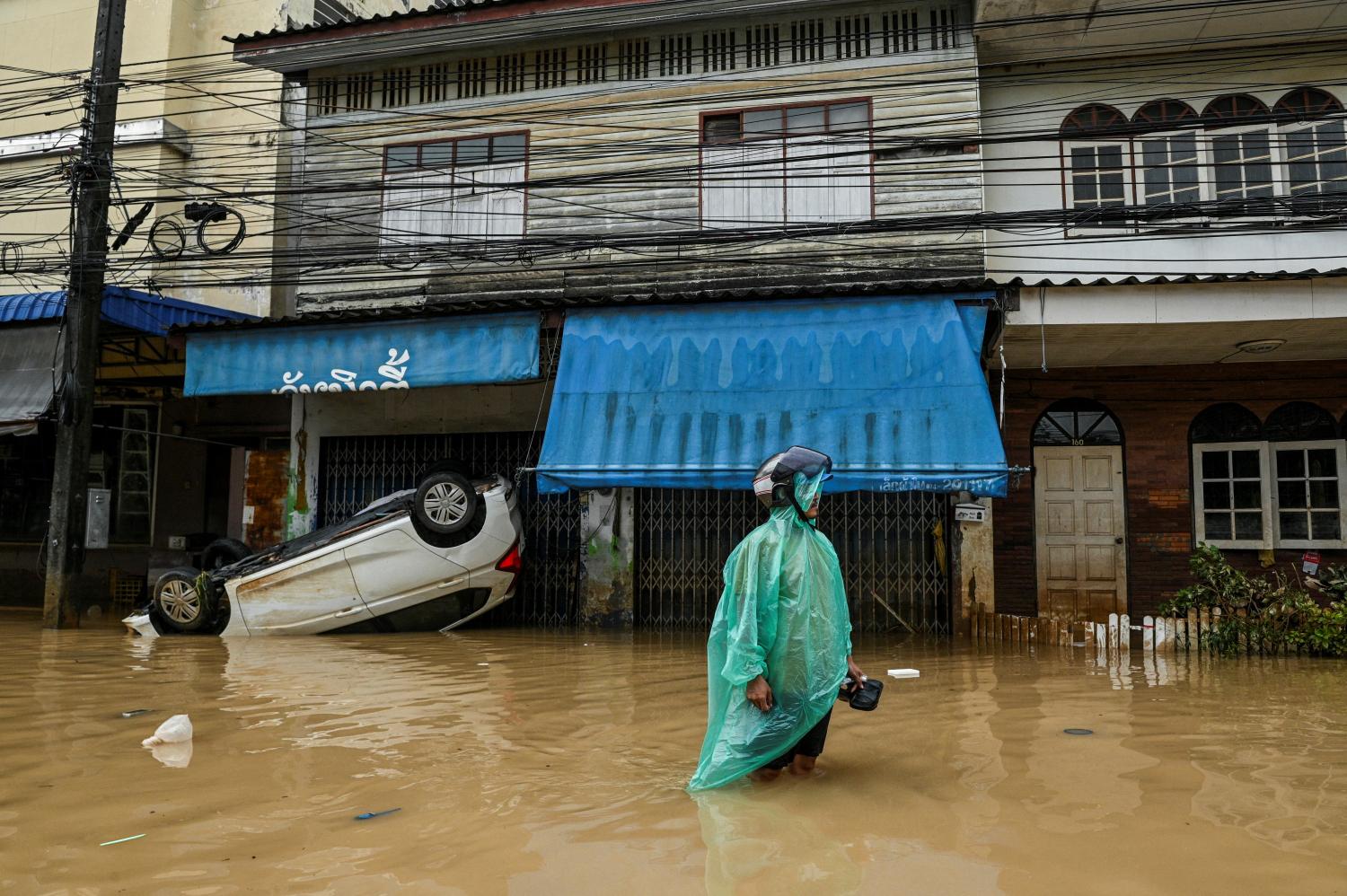
» The global oil and gas crisis is worsening. Amid the Middle East war, the central banks of countries in Southeast Asia must address a perfect storm of rising fuel prices, cost-of-living pressures, and worsening impacts of climate disasters.

New government must tackle SLAPP lawsuits
News, Chairith Yonpiam, Published on 04/04/2026
» As the Anutin Charnvirakul government is about to officially begin work on Monday, with the cabinet formally sworn in, the public expects it to fulfil electoral pledges, address urgent issues, and pass crucial laws in the parliamentary pipeline.
Trump's threat to exit Nato forces rethink
News, Gwynne Dyer, Published on 04/04/2026
» As Washington abandons the transatlantic pact following an unprovoked attack on Iran, Europe must prepare for a future without US security guarantees.
The fatal flaw of AI-driven business models
Oped, Joachim Klement, Published on 02/04/2026
» Hundreds of billions of dollars are riding on the assumption that artificial intelligence will be reliable enough for high-stakes work. New research suggests it may never be. The AI tools that power ChatGPT and its rivals -- known as large language models, or LLMs -- are a genuine productivity-enhancing innovation. But they have serious shortcomings, most notably, their tendency to hallucinate, or make things up.
Some shock therapy or slow healing?
Oped, Chartchai Parasuk, Published on 02/04/2026
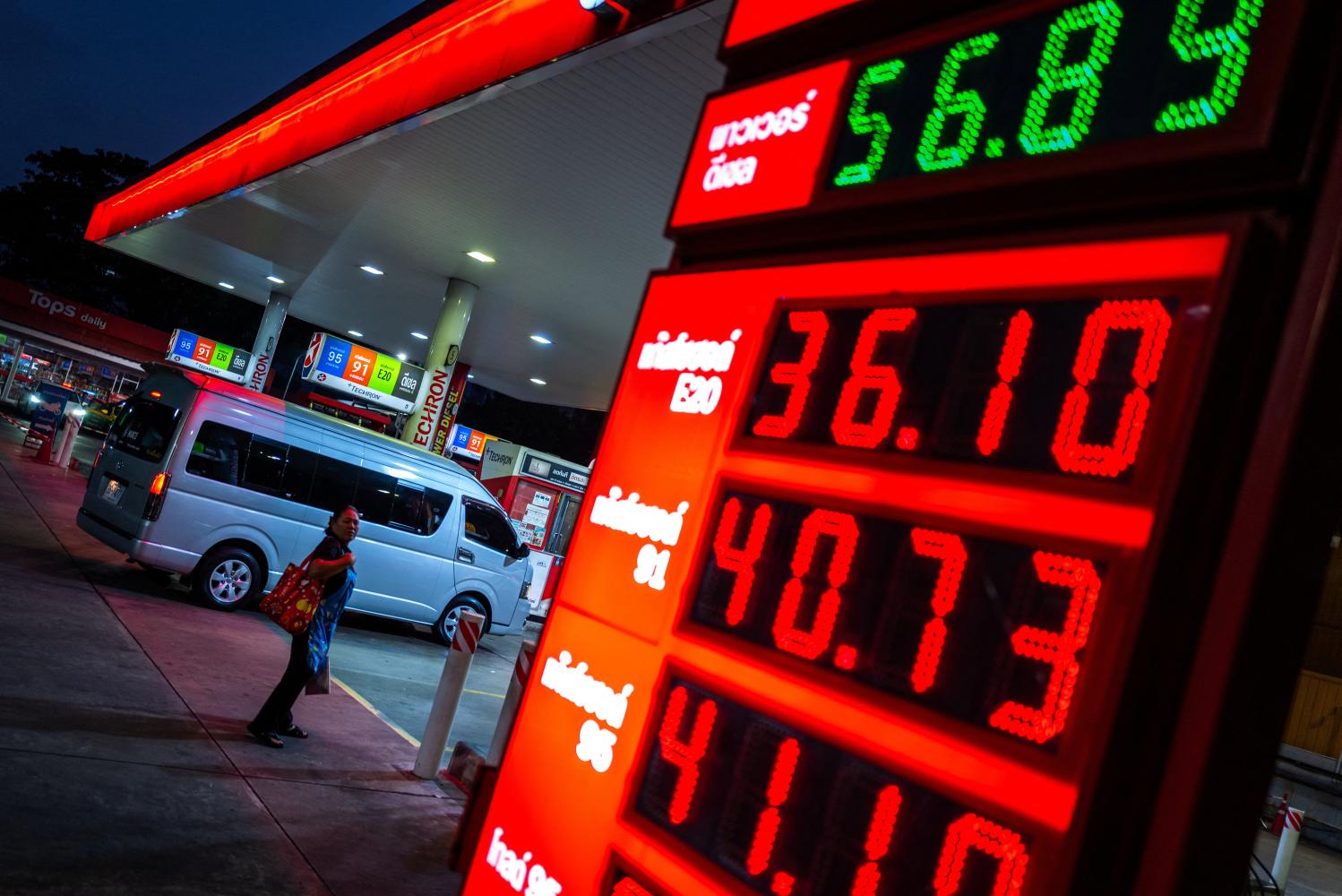
» Do readers prefer shock therapy or slow healing? This is not a health question, but an important economic one.
Urgent push for fair climate finance
Oped, Sarinee Achavanuntakul, Published on 01/04/2026
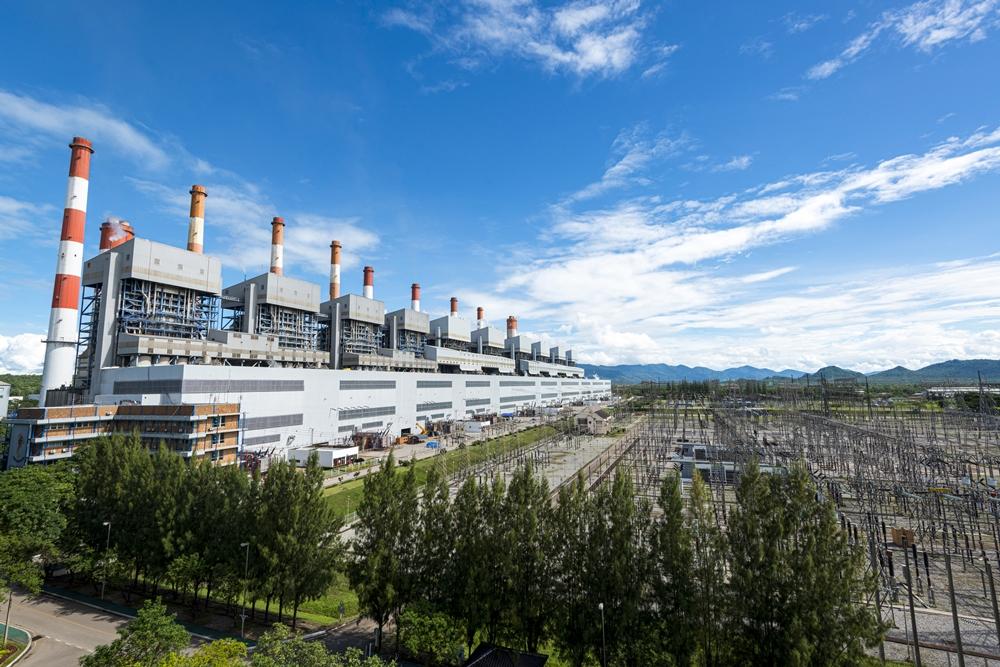
» Ever more visible, the various impacts from climate change are eroding both Thailand's economic competitiveness and the livelihoods of its people: season by season, in heat waves that flatten productivity, floods that swallow farmland, and coastal erosion that is slowly reclaiming communities.
The silent engines of Asean realism
Oped, Imran Khalid, Published on 30/03/2026
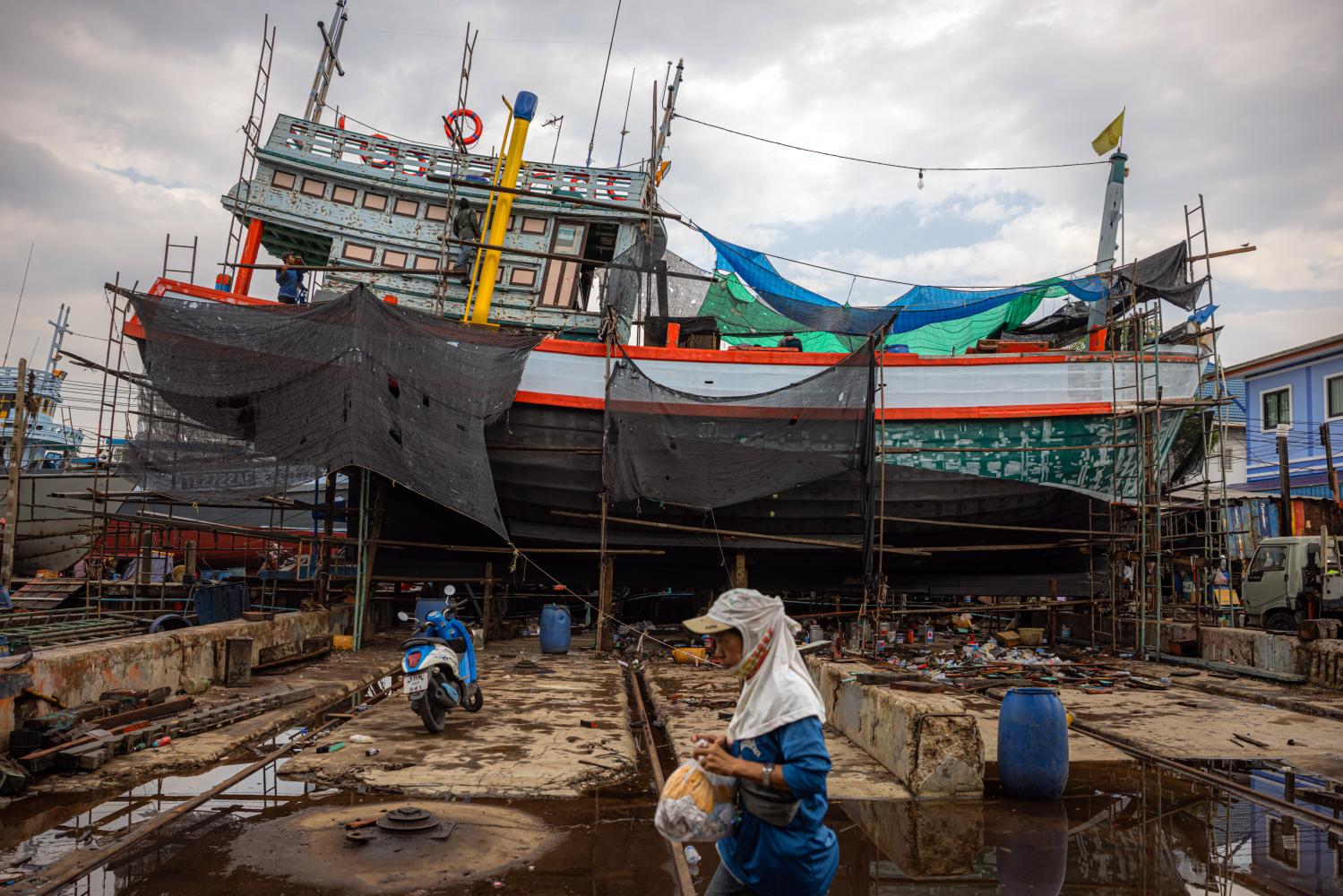
» The global economy is currently tackling what may be the most significant energy disruption since the 1970s. The effective throttling of the Strait of Hormuz -- now seeded with Iranian Maham mines and subject to a tense, IRGC-monitored tolling system -- has physically severed the energy arteries that sustain the industrial heart of Southeast Asia.

City's green spaces losing ground
Oped, Thunpicha Greigarn, Published on 30/03/2026
» Like the body, most of Bangkok's battles happen beneath the surface. By the time you notice, the damage is already done.

Expat fare snub
Postbag, Published on 28/03/2026
» Re: "Why we need walkable cities", (Life, March 21).