




Showing 1 - 10 of 1,003
Hormuz crisis reveals energy resilience gap
News, Laura Carvalho, Published on 18/04/2026
» The closure of the Strait of Hormuz has triggered what the International Monetary Fund calls a "global yet asymmetric" rupture, disrupting the flow of roughly one-quarter of oil, one-fifth of liquefied natural gas, and one-third of fertiliser supplies. Energy and fertiliser prices have risen, supply chains have rerouted, and financial conditions have tightened unevenly around the world.
Oil shock risks wider chain reaction
Oped, Chartchai Parasuk, Published on 16/04/2026
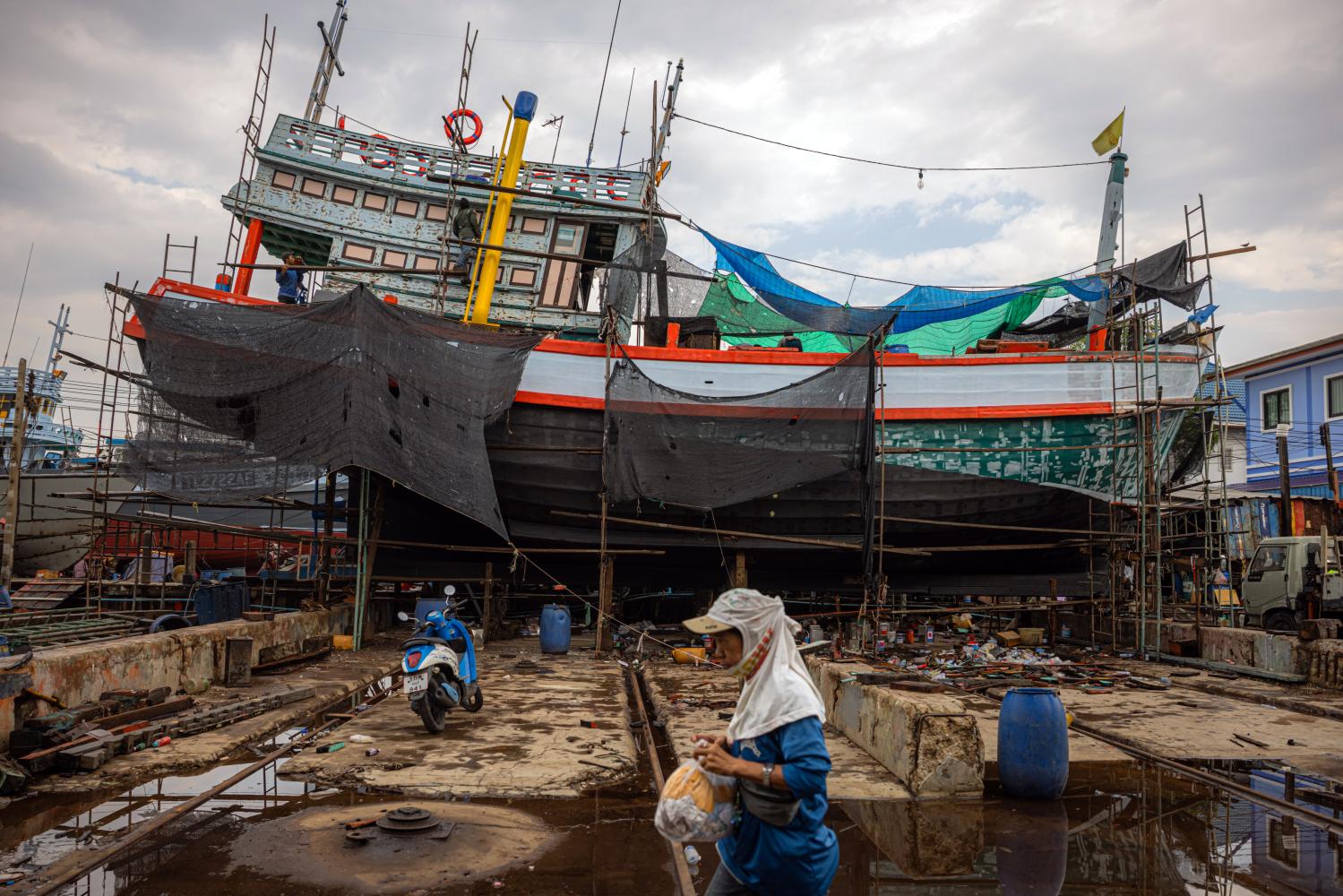
» There is no such thing as a free lunch. When global oil prices rise sharply, as they are doing now, someone must bear the cost. Some countries choose to absorb it through government support, as in Japan, while others pass the burden on to consumers, as in Thailand. Neither approach is inherently right or wrong; each carries different economic consequences. Policymakers must decide which set of outcomes is more acceptable and act accordingly.

Temple aid halt signals deeper crisis
News, Anucha Charoenpo, Published on 11/04/2026
» Wat Suan Kaew in Nonthaburi's Bang Yai district has announced a temporary suspension of its long-running social charity programmes for needy groups due to mounting financial pressures.
Countering the fallacy of the buffer zone
Oped, Daoud Kuttab, Published on 10/04/2026
» Territorial buffers rarely, if ever, deliver the peace and security their advocates promise. After the collapse of the USSR, Ukraine was seen as a neutral cordon between Russia and Nato. Instead, it became a zone of increasingly fierce geopolitical contention, followed by open war.
The day the US became Britain at Suez
Oped, Philip J Cunningham, Published on 09/04/2026
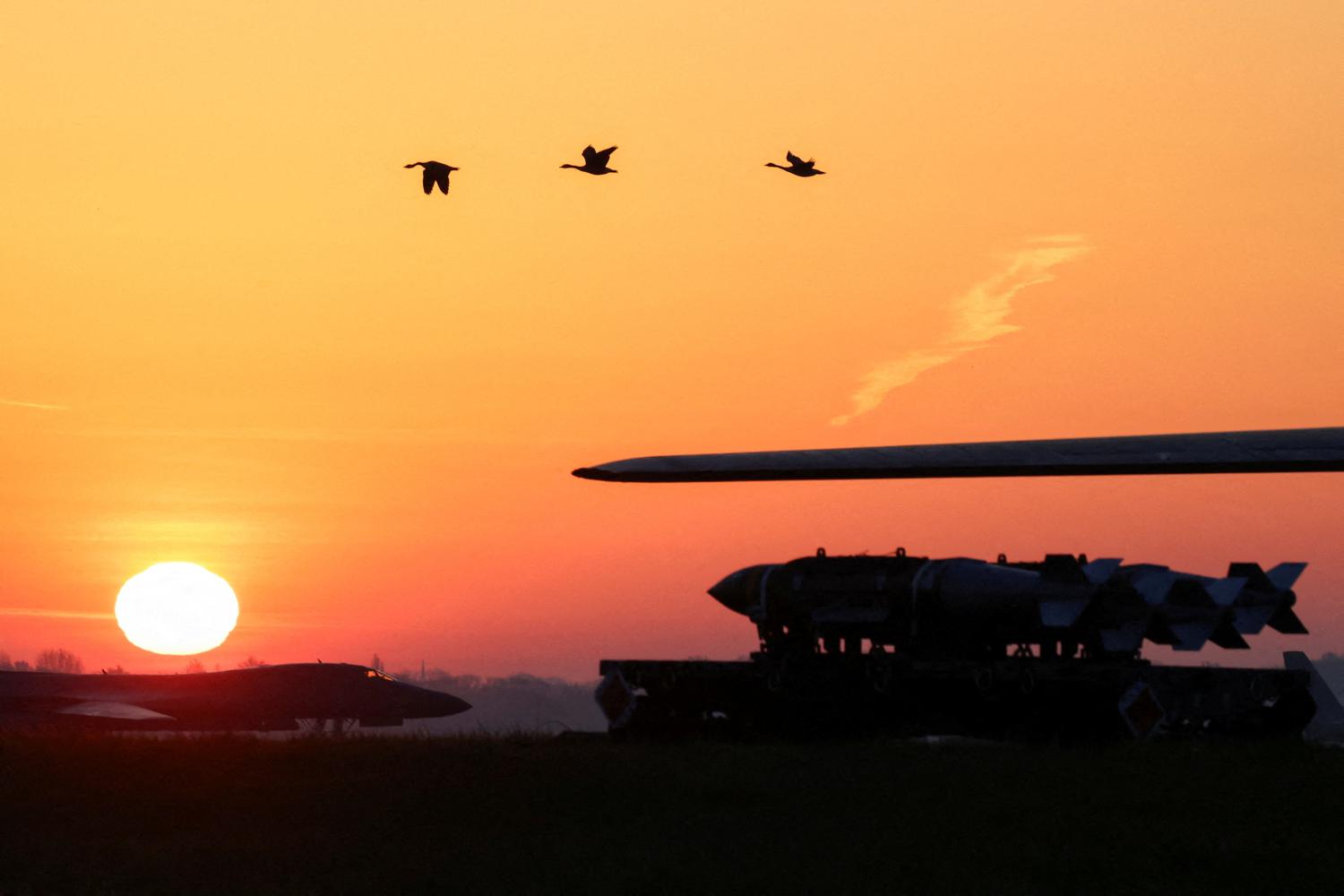
» The world's focus is on the US-induced debacle in the Strait of Hormuz, but it's another narrow strait that sums up the current state of US power in the world: Suez.

Isoc role under scrutiny
Oped, Editorial, Published on 08/04/2026
» The shooting of Kamolsak Leewama, a list-MP from the Prachachart Party in Narathiwat on March 20, is not just an ordinary criminal case nor political revenge, as the media has widely speculated. Police investigations have revealed shocking evidence linking the gunmen to a national security office operating in the deep South.
Fanatics, an obsessive, and a belligerent fool
Oped, Gwynne Dyer, Published on 07/04/2026
» We don't have to look very far to find a useful historical analogy for the current crisis in the Middle East. In 1967, Egypt closed the Strait of Tiran to Israeli ships, and Israel replied with a surprise air attack that destroyed almost the entire Egyptian air force on the ground.
Iran's water weapon against Gulf
Oped, Michael Christopher Low, Published on 07/04/2026
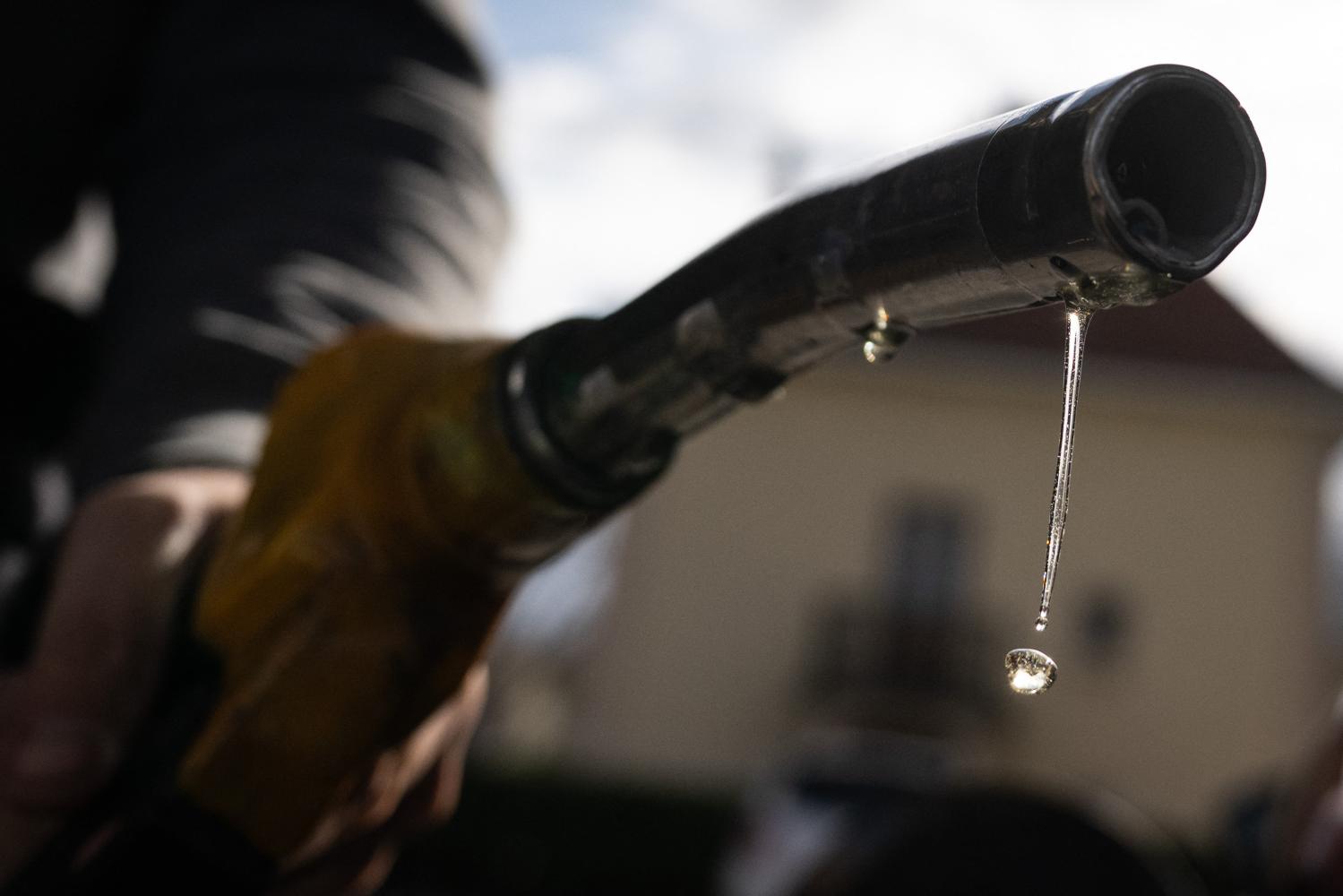
» The oil-rich monarchies of the Persian Gulf are often described as petrostates. But the US-Israeli war with Iran has highlighted that they are also saltwater kingdoms, societies whose survival depends on desalination, or converting seawater into potable water at industrial scale.
How Iran is able to beat the US in its war
News, Brahma Chellaney, Published on 06/04/2026
» In a rambling address to the American people on Wednesday, US President Donald Trump claimed that the US war against Iran has been a success, vowing to "finish the job … very fast". It was a statement in obvious conflict with the facts. In reality, Iran has upended the model on which US interventionism has long relied.
International law is still worth defending
News, Andreas Motzfeldt Kravik, Published on 04/04/2026
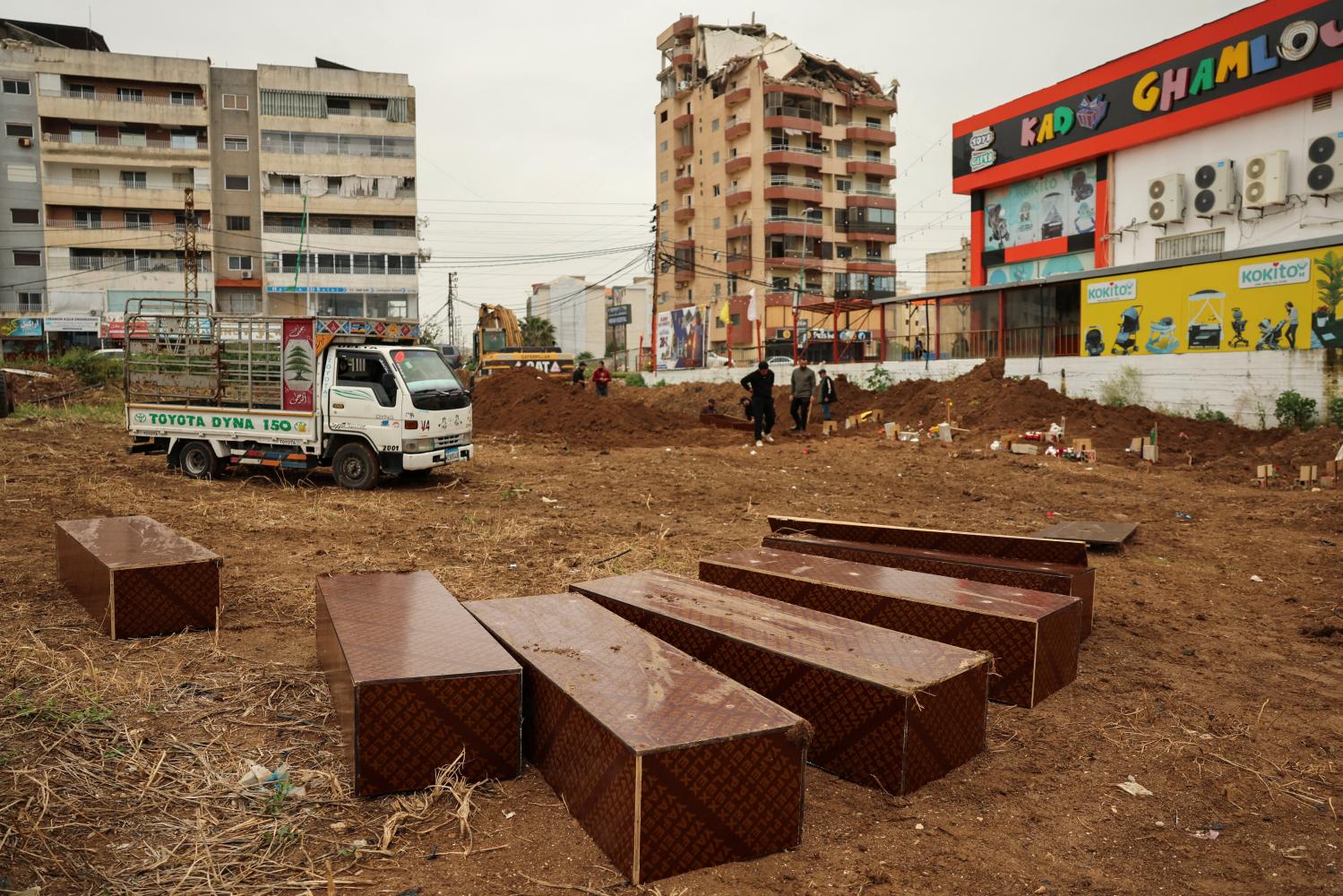
» As the United States and Israel rain bombs down on Iran, with the stated intent of subduing one of the world's most brutal regimes, international law is collateral damage.