




Showing 1 - 10 of 224
Government stability tests performance
Oped, Thitinan Pongsudhirak, Published on 03/04/2026
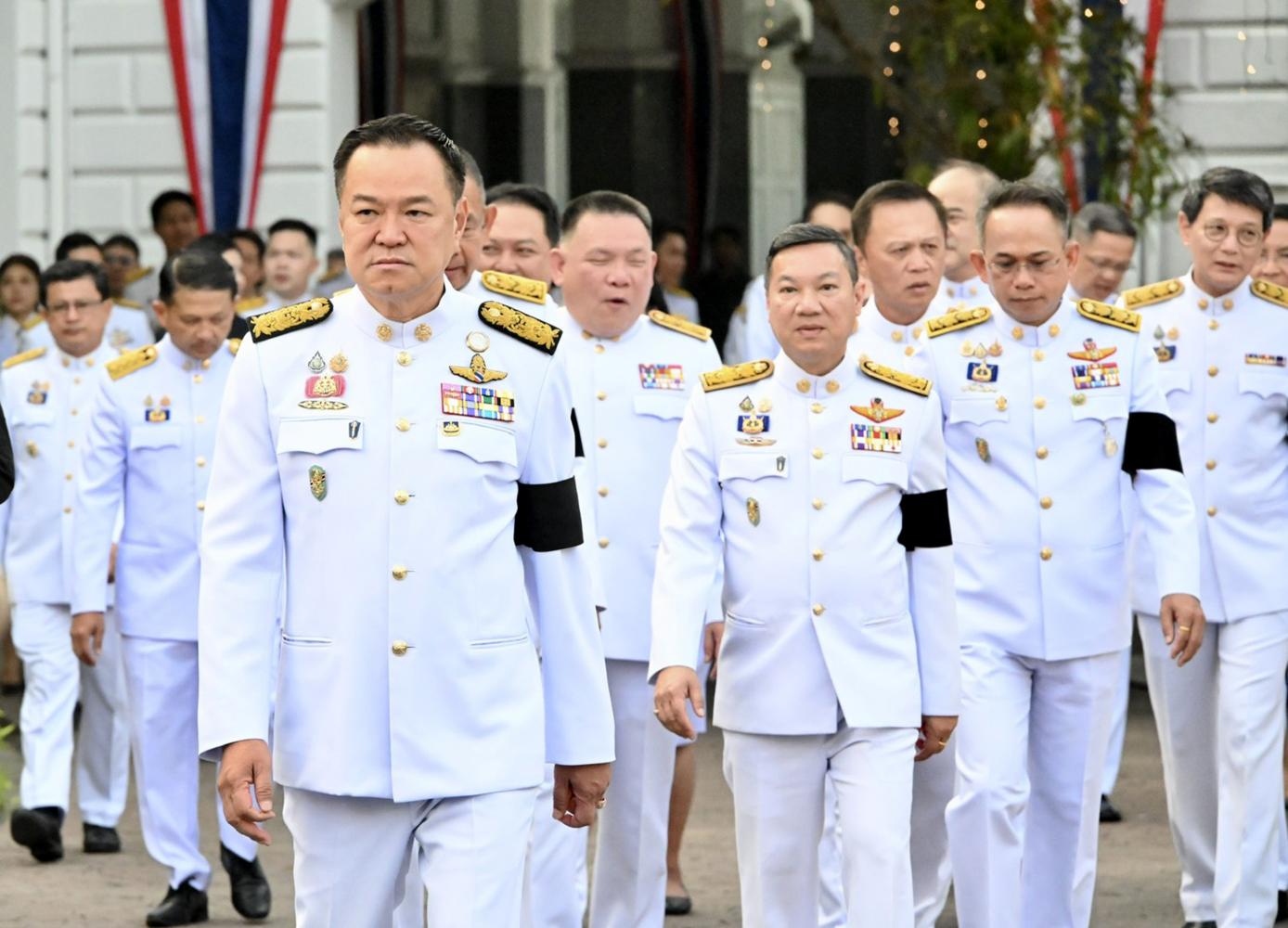
» Prime Minister Anutin Charnvirakul has gone from strength to strength, leveraging a stopgap minority government late last year into solid majority rule after the Feb 8 election.
Urgent push for fair climate finance
Oped, Sarinee Achavanuntakul, Published on 01/04/2026
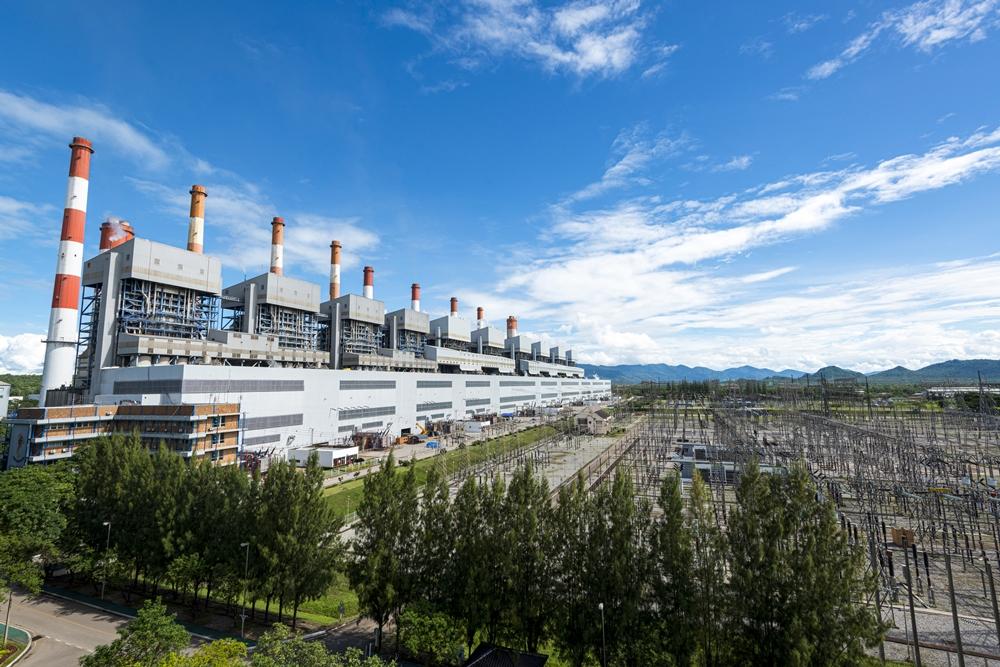
» Ever more visible, the various impacts from climate change are eroding both Thailand's economic competitiveness and the livelihoods of its people: season by season, in heat waves that flatten productivity, floods that swallow farmland, and coastal erosion that is slowly reclaiming communities.

PM apology a good start
Oped, Editorial, Published on 30/03/2026
» The recent public apology by Prime Minister Anutin Charnvirakul regarding the fuel management hiccups during the first half of March is a rare and welcome gesture of political accountability.
Time for region to double down on green energy
Oped, Lidy Nacpil, Published on 06/03/2026
» The escalating instability in the Middle East has sent shockwaves through global energy markets, forcing Southeast Asian nations into a precarious position. While the region has made significant pledges to transition toward renewables, the threat of interrupted gas supplies and surging LNG prices is creating a dangerous incentive to prioritise immediate energy security over long-term climate goals.
Nato 1.0 is dead. Long live Nato 2.0
News, Gwynne Dyer, Published on 17/02/2026
» Every year about this time, the North Atlantic Treaty Organisation (Nato), the world's most powerful alliance for the past 77 years, holds a conference in Munich to examine its state of health.
Reinvent Thailand to revive growth
Oped, Boonwara Sumano, Published on 11/02/2026
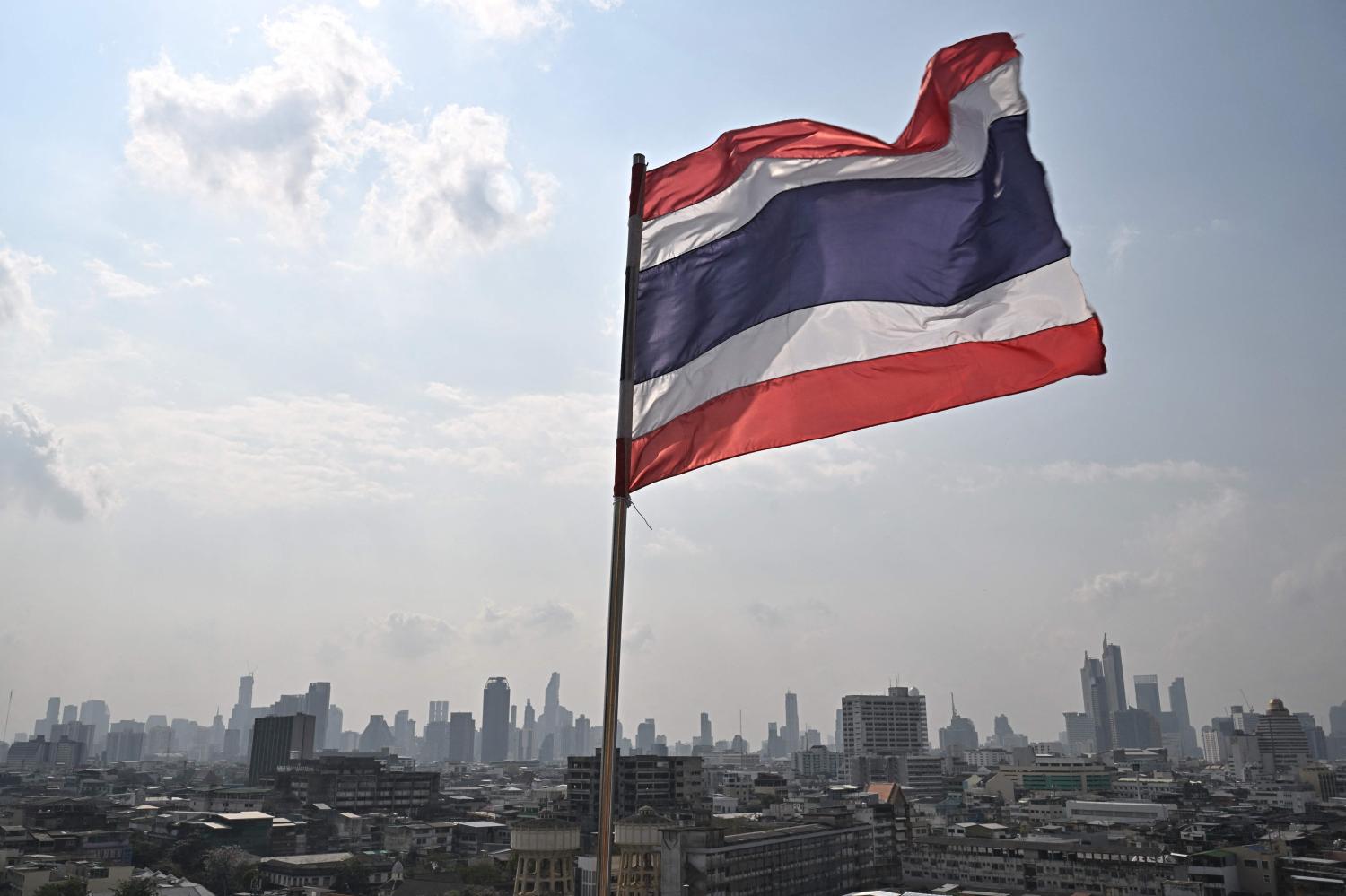
» In the 1990s, Thailand ranked second in Asean for state performance, behind only Singapore. Today, we trail several neighbours. This decline has unfolded gradually over three decades -- through repeated economic crises, institutional stagnation, and reforms that never quite went far enough. What is different today is that the cost of inaction has become far more dangerous.
Rethinking global health finance
Oped, Walter O Ochieng & Tom Achoki, Published on 06/02/2026
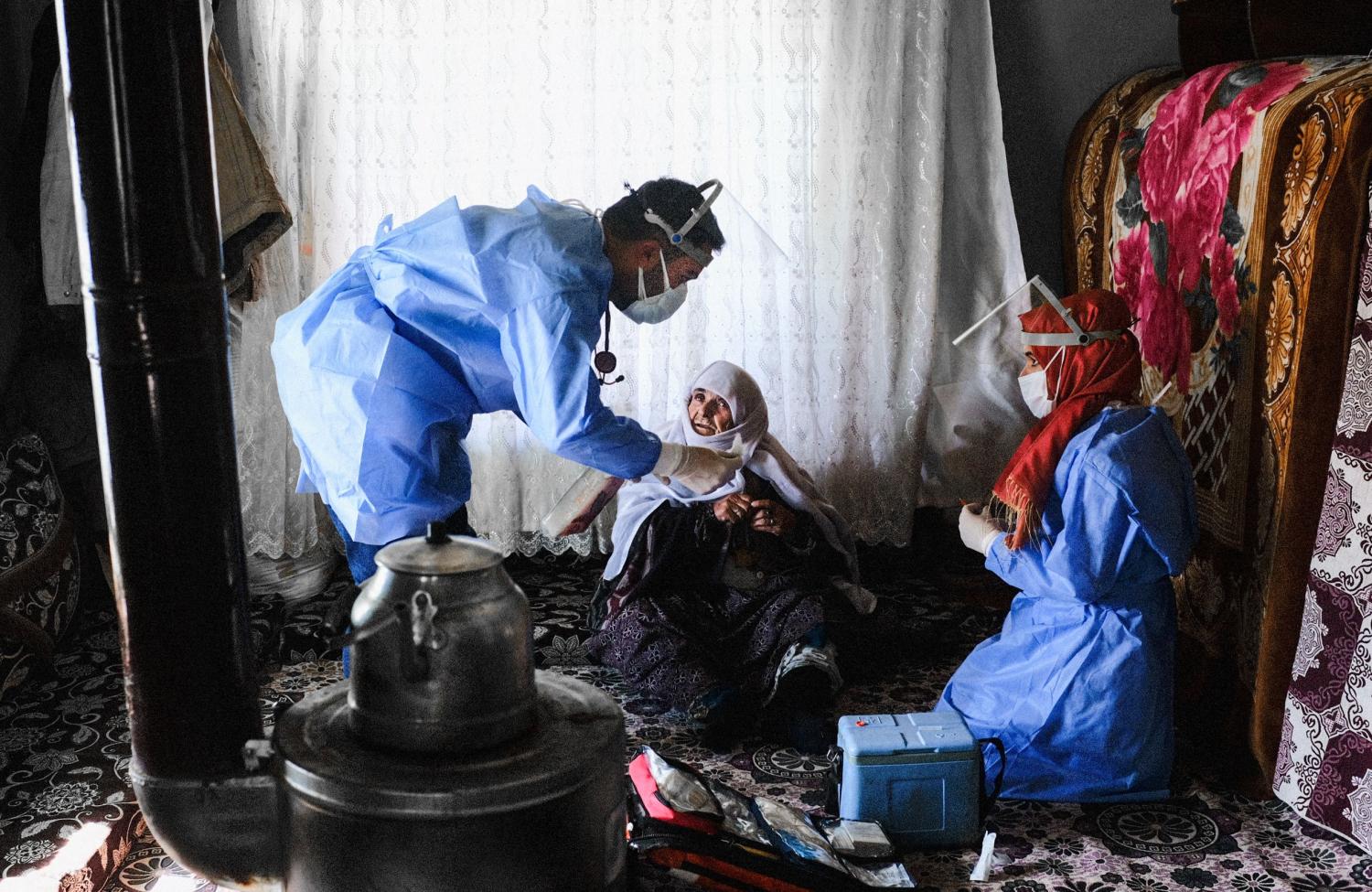
» For the past half-century, the economics of global health were straightforward. Under the so-called "grant-based" approach, rich countries donate to poor countries, which use the funds to meet their populations' health needs. Success was measured by services provided or lives saved, rather than by balance sheets. While this model was far from perfect, the latest approach replacing it -- focused on using tools like guarantees and blended finance to crowd in private capital -- threatens to produce even worse outcomes.

Thailand must manage debt to progress
Oped, Chartchai Parasuk, Published on 22/01/2026
» This article may be read as a continuation of my previous piece, Year of the Debt. That article focused mainly on household debt, which has already risen beyond the ability of Thai consumers to repay.
Phasing out coal makes economic sense
Oped, Rapeepat Ingkasit, Published on 24/12/2025
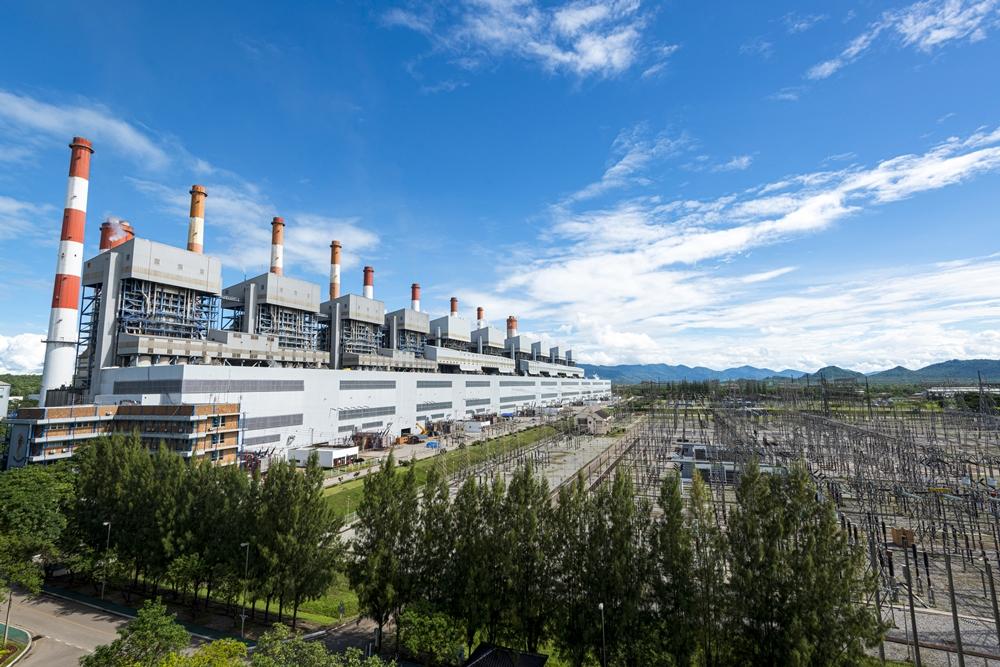
» Thailand's recent update to its Nationally Determined Contribution (NDC 3.0) was met with polite applause from diplomatic circles and global communities. By finally aligning the national net-zero target with the mid-century goals of our neighbours, the kingdom appears to be getting back on track.
Is a return to gold standard possible?
Oped, Chartchai Parasuk, Published on 11/12/2025
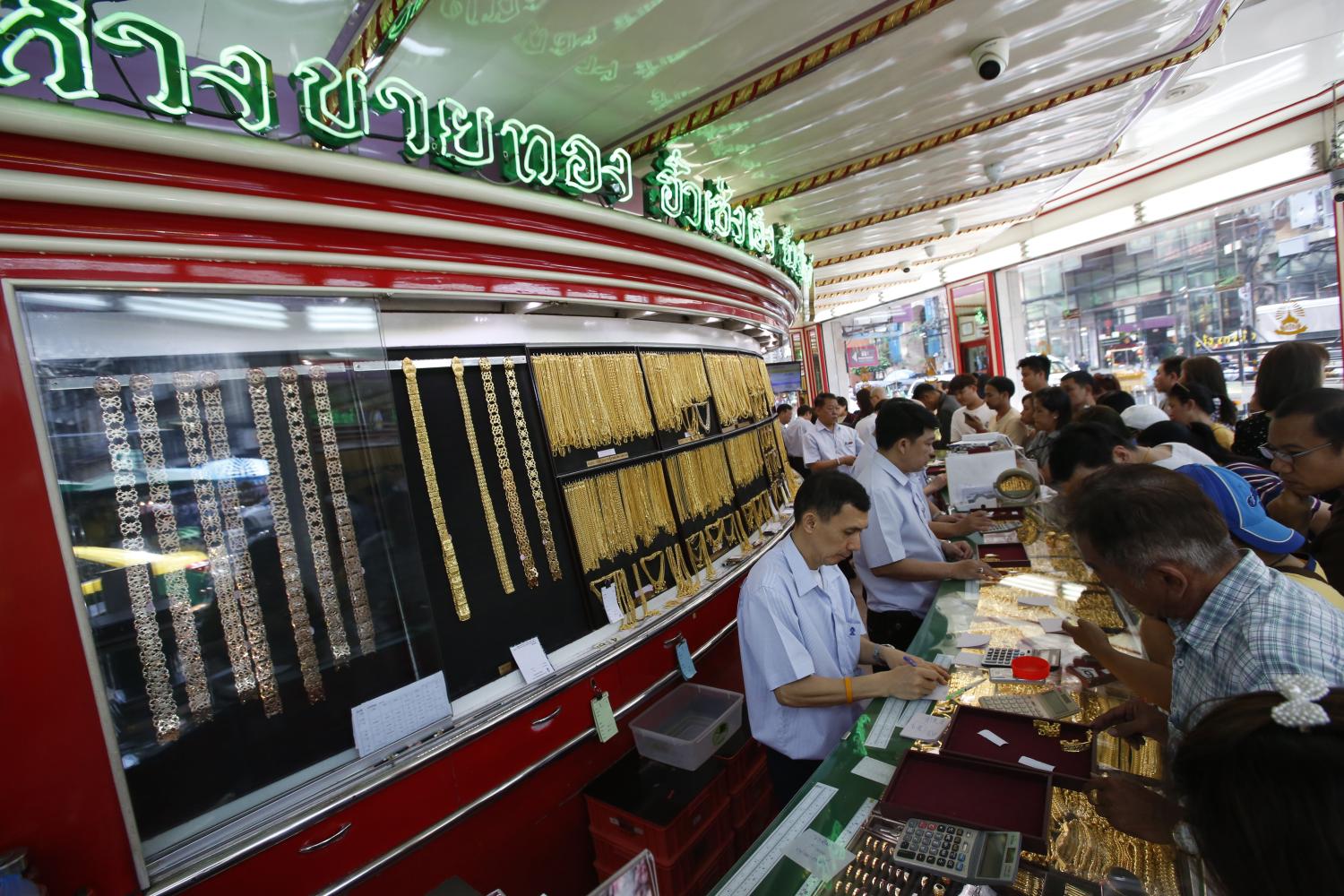
» We are now in the middle of the holiday season. Therefore, I will refrain from writing about heavy and depressing issues like the Thai economy and the outlook for 2026 and beyond. In this moment of joy, I will write about the possibility of returning to the gold standard, which some supporters say can be seen in central banks aggressively buying gold bullion to replace the dubious US dollar. The last article of the year will be about the Sovereign Wealth Fund (SWF).