




Showing 1 - 10 of 2,162
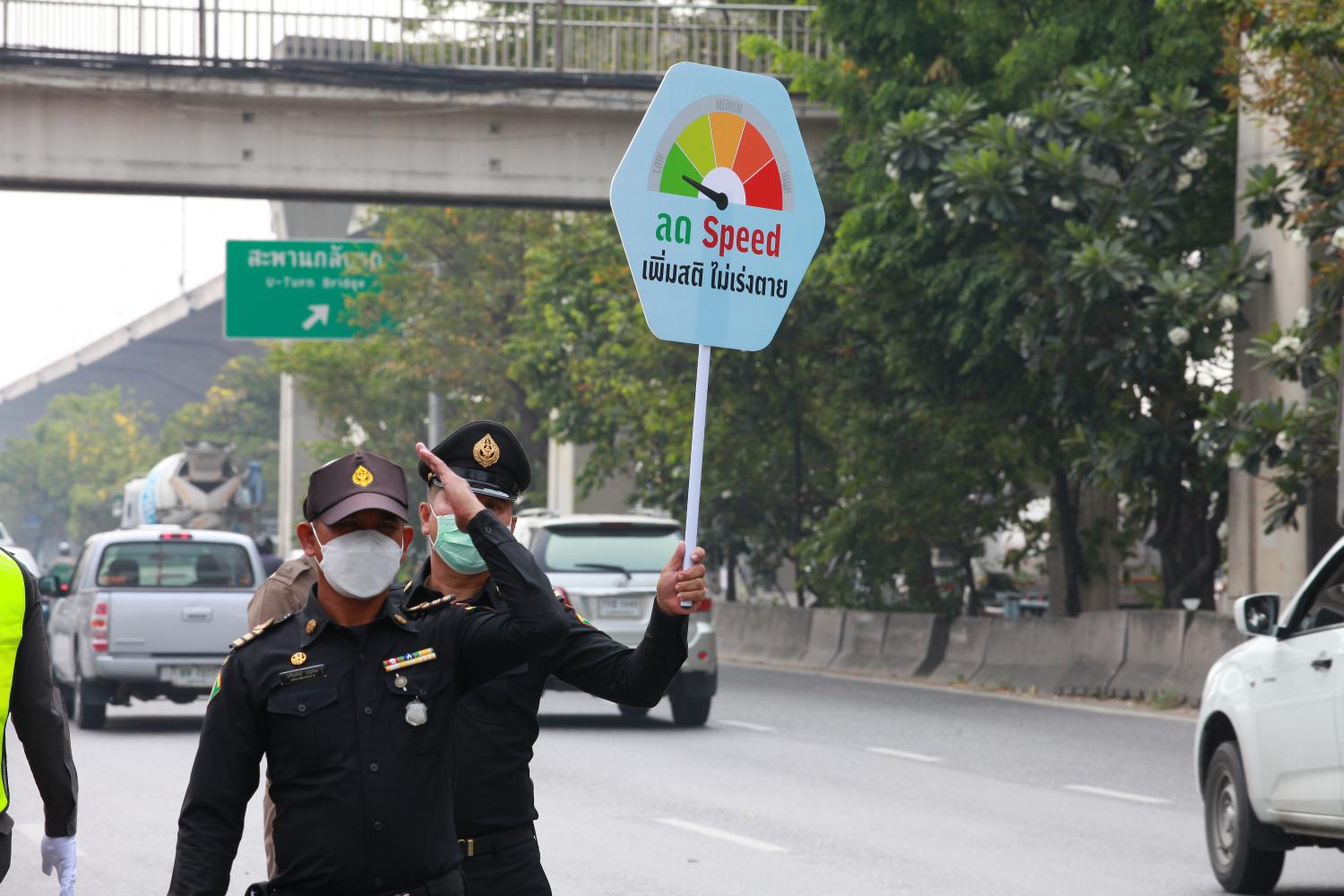
We don't need 'Seven Dangerous Days'
Oped, Peerasit Kamnuansilpa, Published on 27/02/2026
» Every Thai driver recognises the moment. The light turns green. Naturally, you can move; yet in Thai-style traffic, your instincts tell you to be hesitant. Despite the traffic light, a reckless motorcycle may still cross. A pickup may not stop. Drivers behind start honking as they wait to pass through the intersection. For a brief second, drivers just cannot afford to be certain about how others will behave.

Unlocking Thai competitiveness
Oped, Kiratipong Naewmalee & Phumjit Sri-Udomkajorn, Published on 25/02/2026
» Regulatory reform is an urgent priority in restoring growth to Thailand's emerging economy. Rigid rules and excessive red tape have become significant structural barriers to private sector development. Evidence from several key industries demonstrates that outdated, fragmented legislation continues to constrain competitiveness.
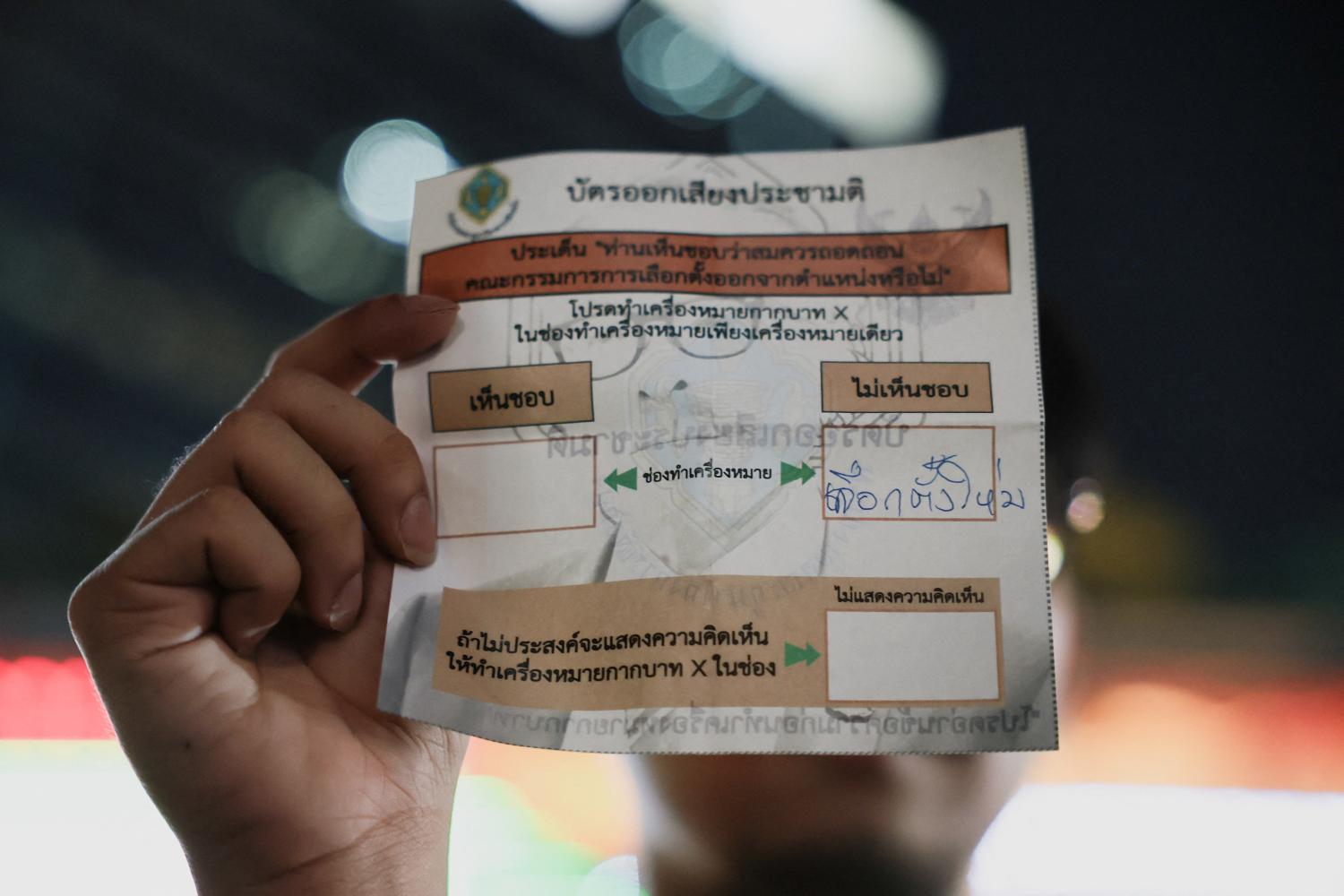
The gist of Thai politics over 20 years
Oped, Thitinan Pongsudhirak, Published on 20/02/2026
» Thailand's democratic institutions have been repressed and kept weak to the point that confusion still prevails almost two weeks after the Feb 8 election, which purportedly showed a clear victory for the ruling Bhumjaithai (BJT) Party under Prime Minister Anutin Charnvirakul. On the one hand, Mr Anutin and BJT stalwarts are busy forming a coalition government with other parties. On the other hand, fraud allegations from civil society groups and the opposition People's Party have reached a critical mass with the plausibility that the recent vote might be nullified to pave the way for a new poll.

Why communities pay for mining
Oped, Christopher Rutledge, Published on 19/02/2026
» Last week, policymakers and industry executives of mining companies gathered in Cape Town for the annual African Mining Indaba. They followed a familiar script: governments would court investors, companies would promise jobs and growth, and champagne would flow as speakers tout Africa as indispensable to the global energy transition.
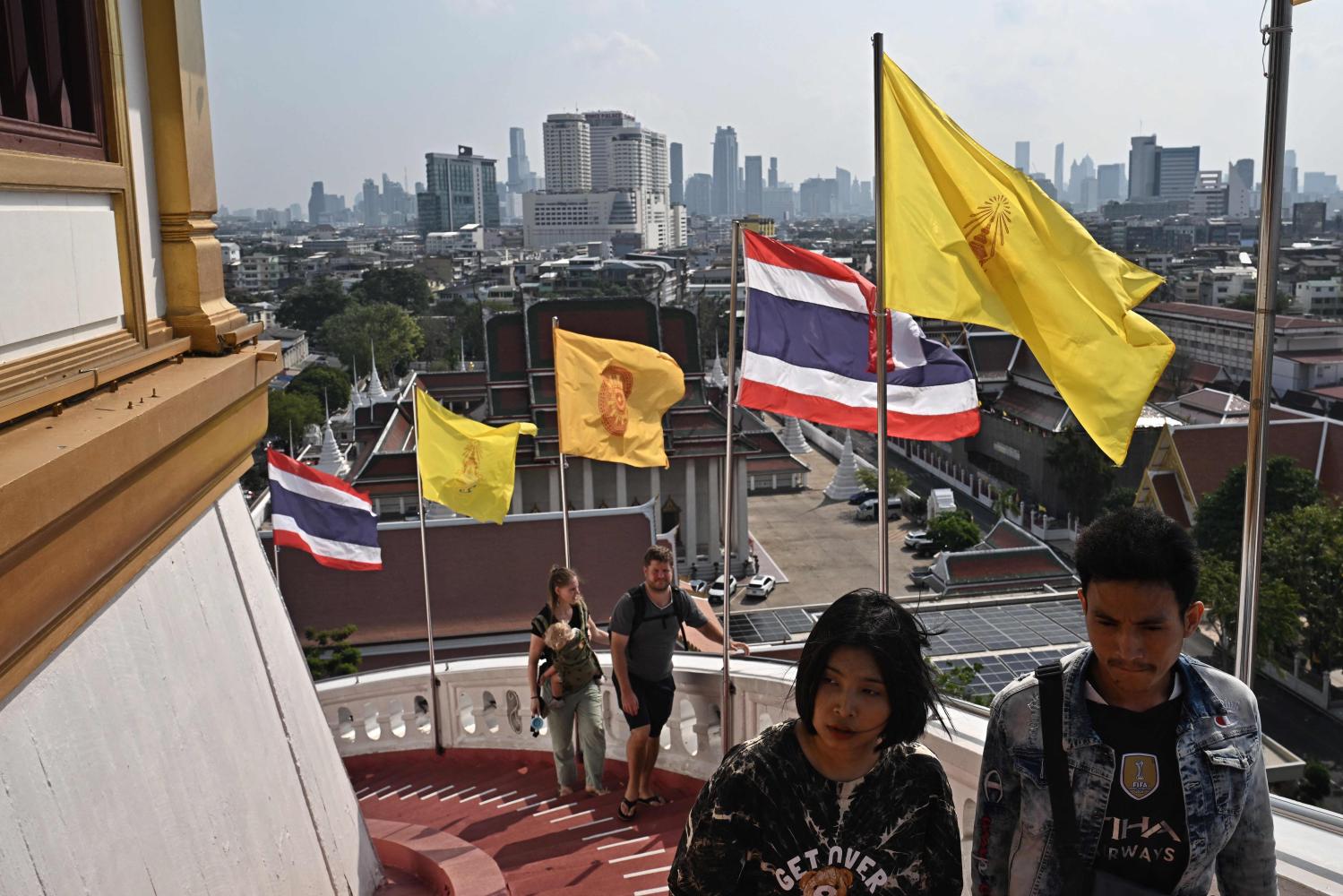
Fiscal deficit will trigger 2026 crisis
Oped, Chartchai Parasuk, Published on 19/02/2026
» If readers want to be fully convinced that there will be a financial crisis in 2026, I can do that in three minutes. Readers need only look at the last two columns of the attached table, which depict the financing situation of the Thai economy in 2025 (actual) and 2026 (projected).
Could a Brics currency rival the dollar?
Oped, Jim O'Neill, Published on 18/02/2026
» Could the Brics (Brazil, Russia, India, China, South Africa) ever launch a shared currency to challenge the US dollar's dominant position in the world economy? Like many conventional international economists, I have generally dismissed the idea, despite my own role in coining the Brics acronym, which led to the creation of a formal Brics club (since expanded into the Brics+, with the addition of five new members).

Anutin 2 govt's foreign policy outlook
News, Kavi Chongkittavorn, Published on 17/02/2026
» To say that diplomacy under the upcoming Anutin 2 government will differ significantly from its first, short-lived period in power would be an exaggeration. However, one thing is clear: following the electoral landslide, the new cabinet will be rock solid. A government with such stability will exert a strong influence on Thai foreign policy.

Anutin fuels border fear
News, Editorial, Published on 14/02/2026
» From a dubious plan to tightly seal the border with Cambodia, caretaker Prime Minister Anutin Charnvirakul, who is seeking to form a coalition government, has now given the nod to construct additional fencing along the frontier -- a move that signals extended hostility towards Thailand's immediate neighbour.
Surviving the collapse of the population
Oped, Gwynne Dyer, Published on 13/02/2026
» 'To them that hath shall [more] be given" is generally a reliable guide, especially in economic matters, but it doesn't work if the beneficiaries are too stupid to take advantage of the gift. The scarce and precious commodity in this case being people, who are in increasingly short supply.
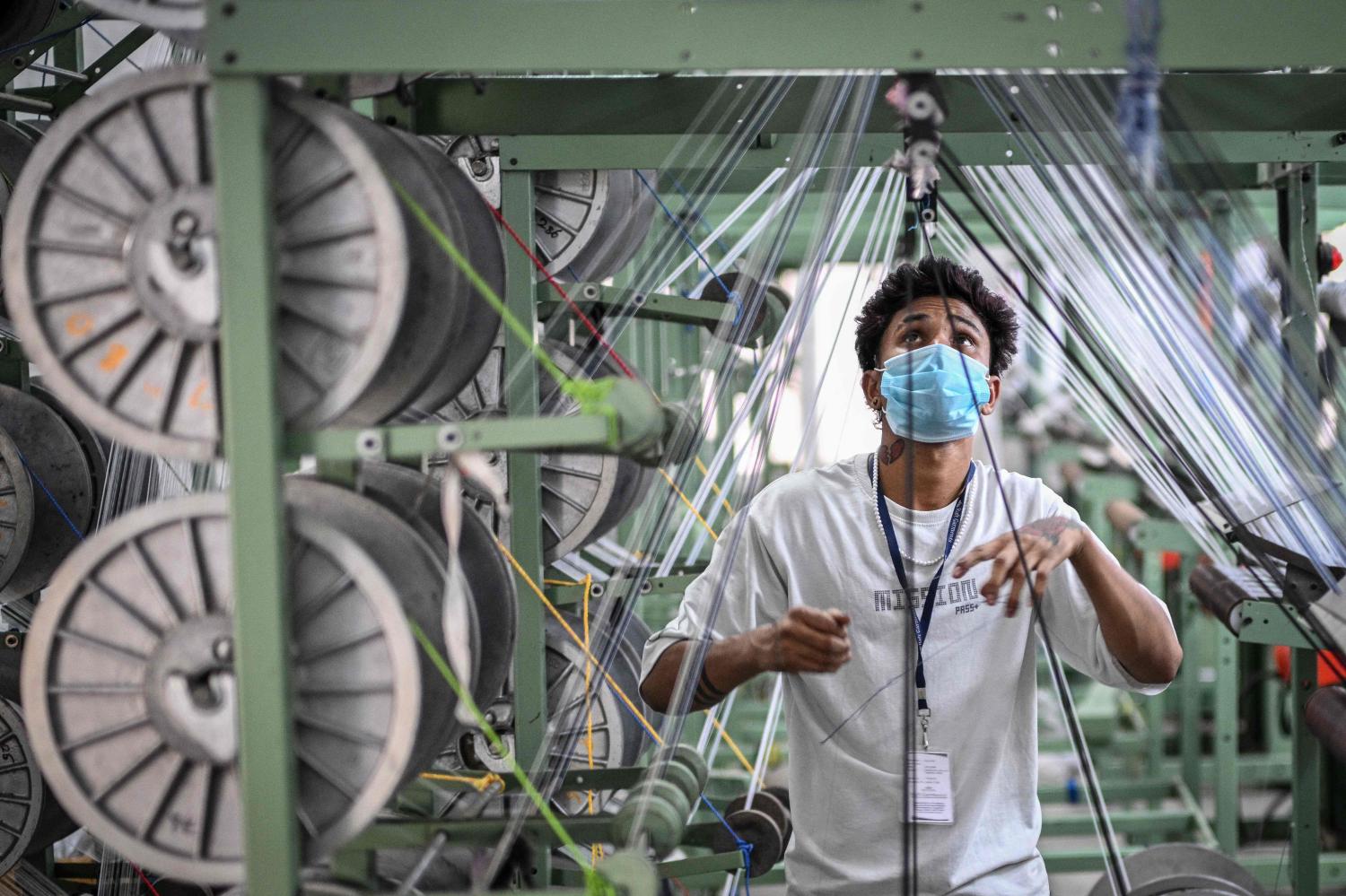
Emerging markets stand strong
Oped, Kristalina Georgieva and Mohammed Al-Jadaan, Published on 12/02/2026
» It used to be that when advanced economies sneezed, emerging markets caught a cold. That is no longer true. Following recent global shocks, such as the post-pandemic inflation surge and a new wave of tariffs, emerging markets have held up well. Inflation has continued to slow, currencies have generally retained their value, and debt issuance costs have remained at manageable levels. There has been no sign of the kind of financial turbulence that came with past economic shocks.