




Showing 1 - 10 of 1,006
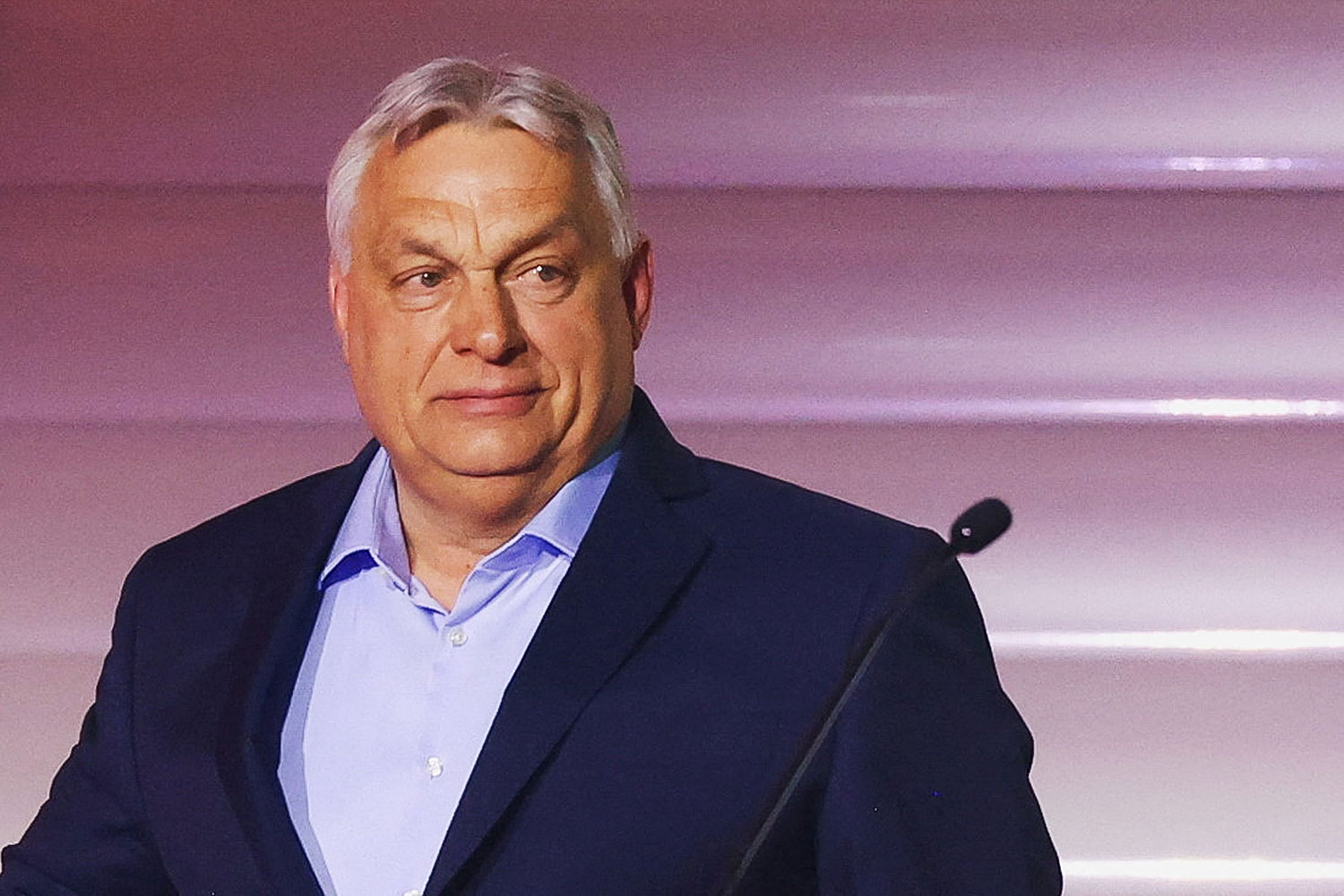
Orban's fall seen as a populist turning point
Oped, Gwynne Dyer, Published on 16/04/2026
» Polish Prime Minister Donald Tusk sent a message congratulating Hungary's newly elected prime minister, Peter Magyar, for having evicted long-serving populist leader Viktor Orban (aka "The Viktator") from power. All the usual welcoming words, but Mr Tusk's message ended with two slightly mysterious words in Hungarian: "Ruszkik haza" -- Russians go home.
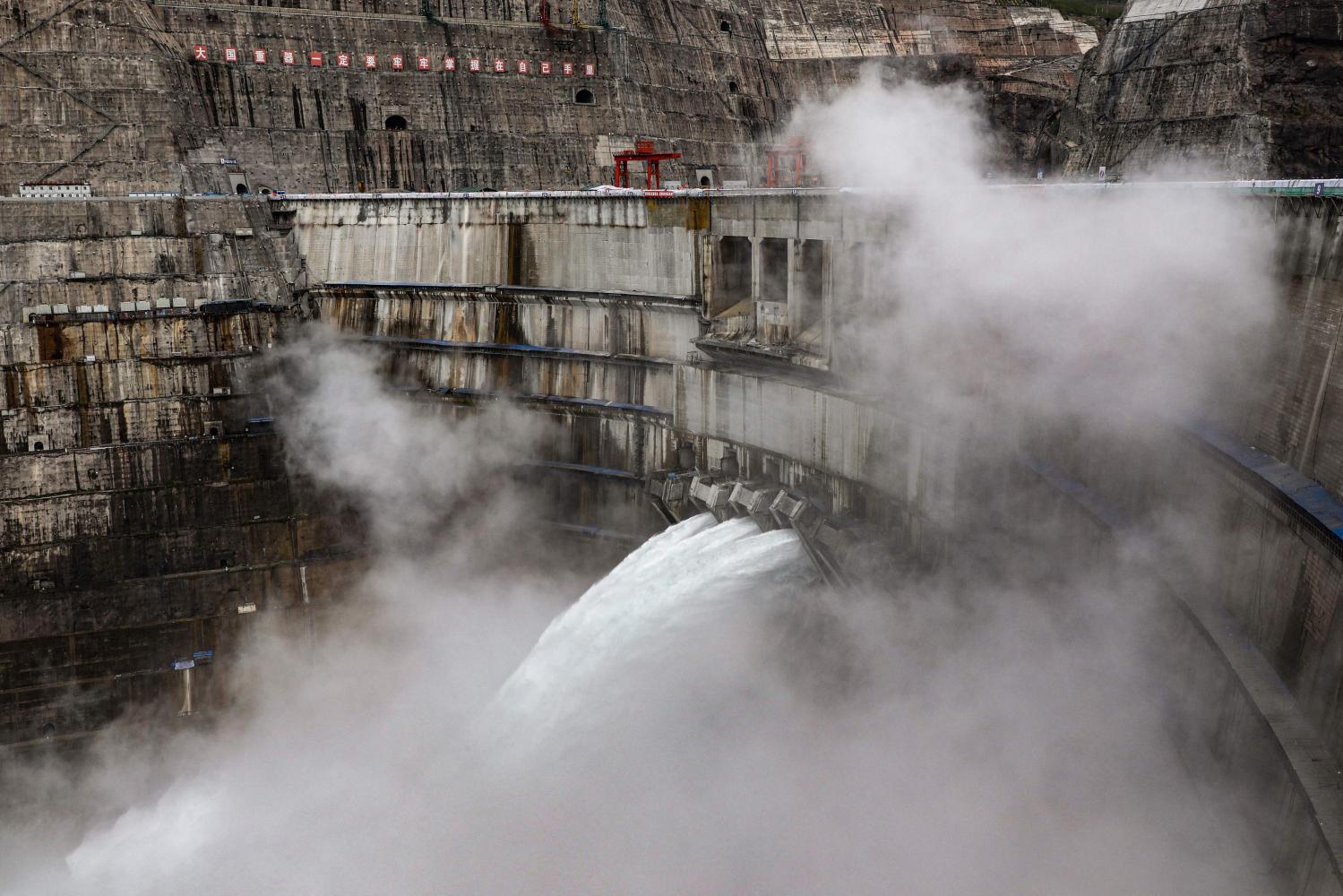
China's water security ambitions
News, Amit Ranjan and Genevieve Donnellon-May, Published on 15/04/2026
» China holds only 6% of the world's fresh water, which supports nearly 20% of the global population and generates over 18% of global gross domestic product. The country faces water challenges largely due to water quality concerns and significant spatio-temporal imbalances.
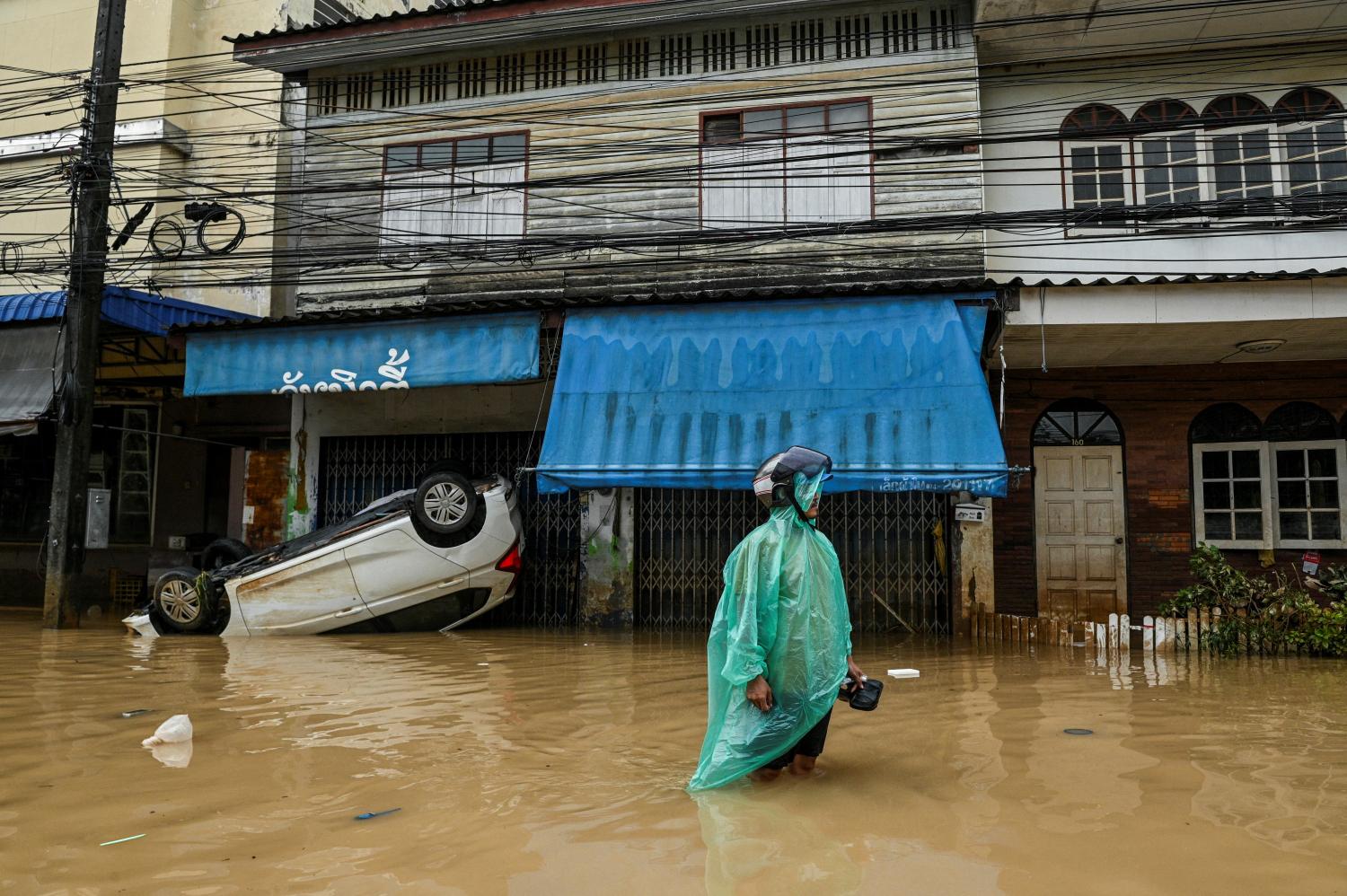
Asean banks face climate pressure
Oped, Rachel Ho, Published on 08/04/2026
» The global oil and gas crisis is worsening. Amid the Middle East war, the central banks of countries in Southeast Asia must address a perfect storm of rising fuel prices, cost-of-living pressures, and worsening impacts of climate disasters.
A trip to the far side of the Moon
Roger Crutchley, Published on 05/04/2026
» The current Moon mission has been a most welcome distraction from the depressing events in the Middle East. Watching the launch of Artemis II from the Kennedy Space Center it was hard not to feel that tingle of excitement which accompanies such a liftoff as the crew headed into space. They will even have a rare look at the far side of the lunar surface. We wish them a safe flight.

Can we design universal access to compassion?
Vanich Kittichai, Published on 19/03/2026
» In the midst of a major war with global impacts, including tangible effects here in Thailand, it would seem ill-advised to devote an opinion piece to an incident easily be written off as just another case of tensions running high in Bangkok.
Trump shows China how to handle Taiwan
News, Brahma Chellaney, Published on 17/03/2026
» Since returning to office last year, US President Donald Trump has ordered military strikes from the Caribbean and eastern Pacific to Africa and the Middle East, targeting alleged drug-smuggling boats and suspected terrorist groups. He has attacked Venezuela and kidnapped its leader. And he has joined Israel in a large-scale assault on Iran. Meanwhile, he is tightening a noose around Cuba, in the hope that the resulting humanitarian crisis will open the way for a "friendly takeover" of the island by the United States.

Global travel erases places we love
News, Richard Florida and Carlo Ratti, Published on 17/03/2026
» Venice is drowning -- not just in rising waters but also in tourists. The city is charging a day-tripper fee and has banned large tour groups and loudspeakers in an effort to curb the crush. Barcelona residents march with squirt guns and "Tourists go home" signs to protest rising rents and crowds. Amsterdam is moving to cap and eventually ban ocean-going cruise ships to reduce pollution and visitor pressure.

Democrat lessons
Postbag, Published on 17/03/2026
» Re: "Democrats chart a cautious course", (BP, March 14).
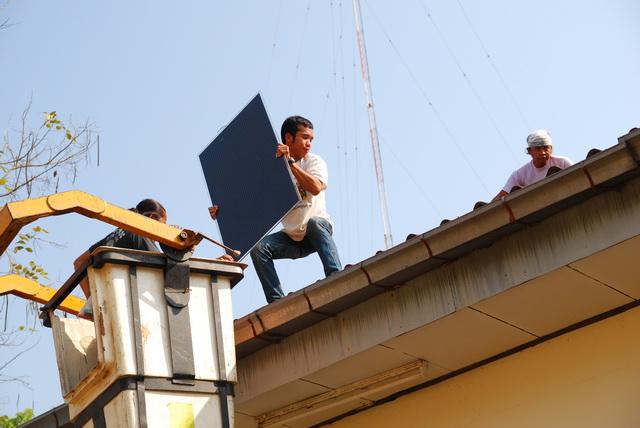
Solar boom risks leaving toxic legacy
Oped, Nattaphorn Buayam, Published on 11/03/2026
» Solar power is Thailand's master key in the fight against global warming. It is cheap, popular, and even promoted by the state. But beneath the success story lies a big question: What happens when millions of panels begin to die?
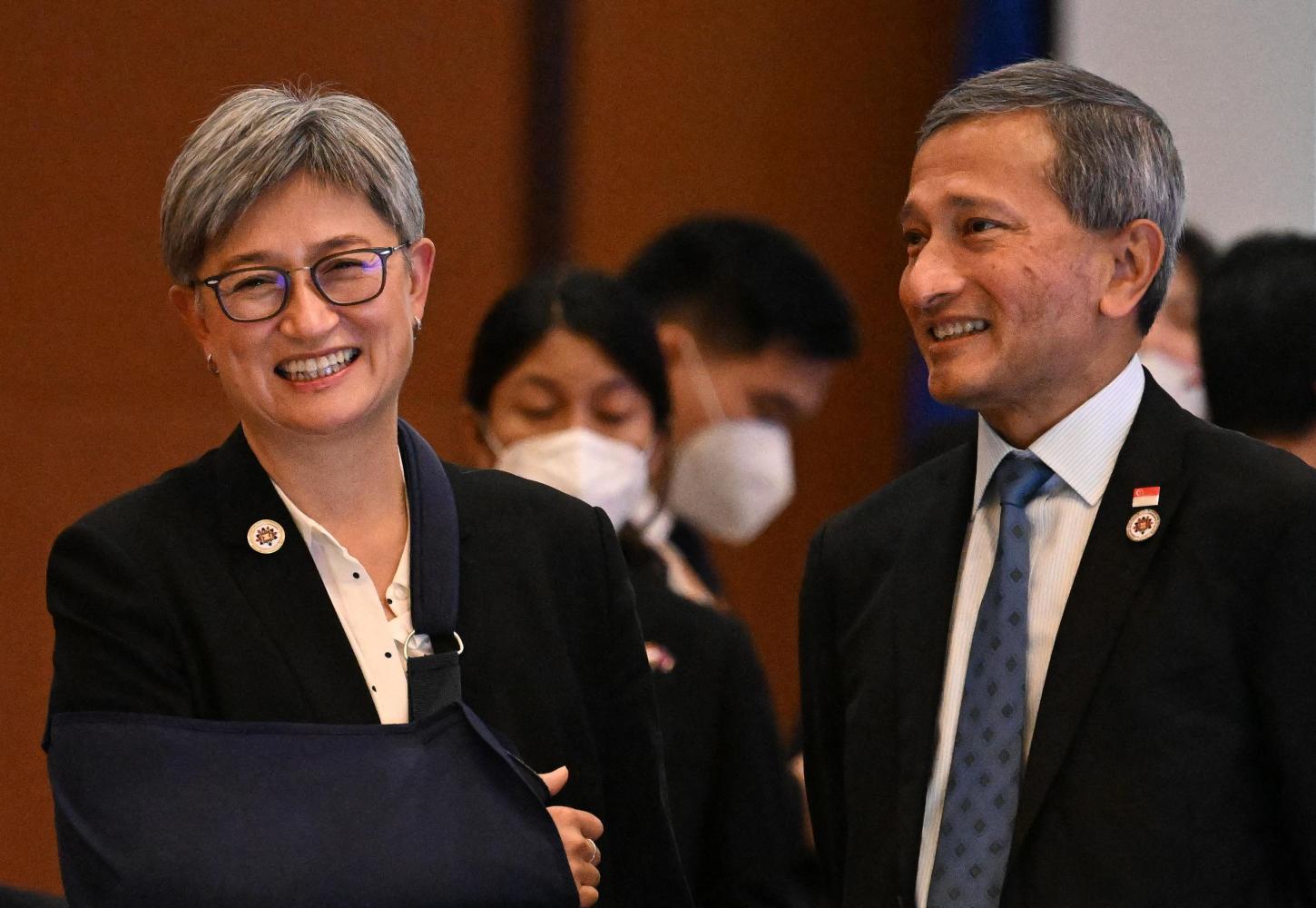
It's never been more important to strengthen ties
Oped, Genevieve Donnellon-May, Published on 09/03/2026
» Australia and the Association of Southeast Asian Nations (Asean) face a defining moment. Intensifying great-power competition, climate crises and economic fragmentation are reshaping the Indo-Pacific, raising urgent questions about how the two sides can build a truly resilient partnership.