




Showing 1 - 10 of 2,836
How can we future-proof the global economy?
Oped, Mohamed A El-Erian, Published on 23/04/2026
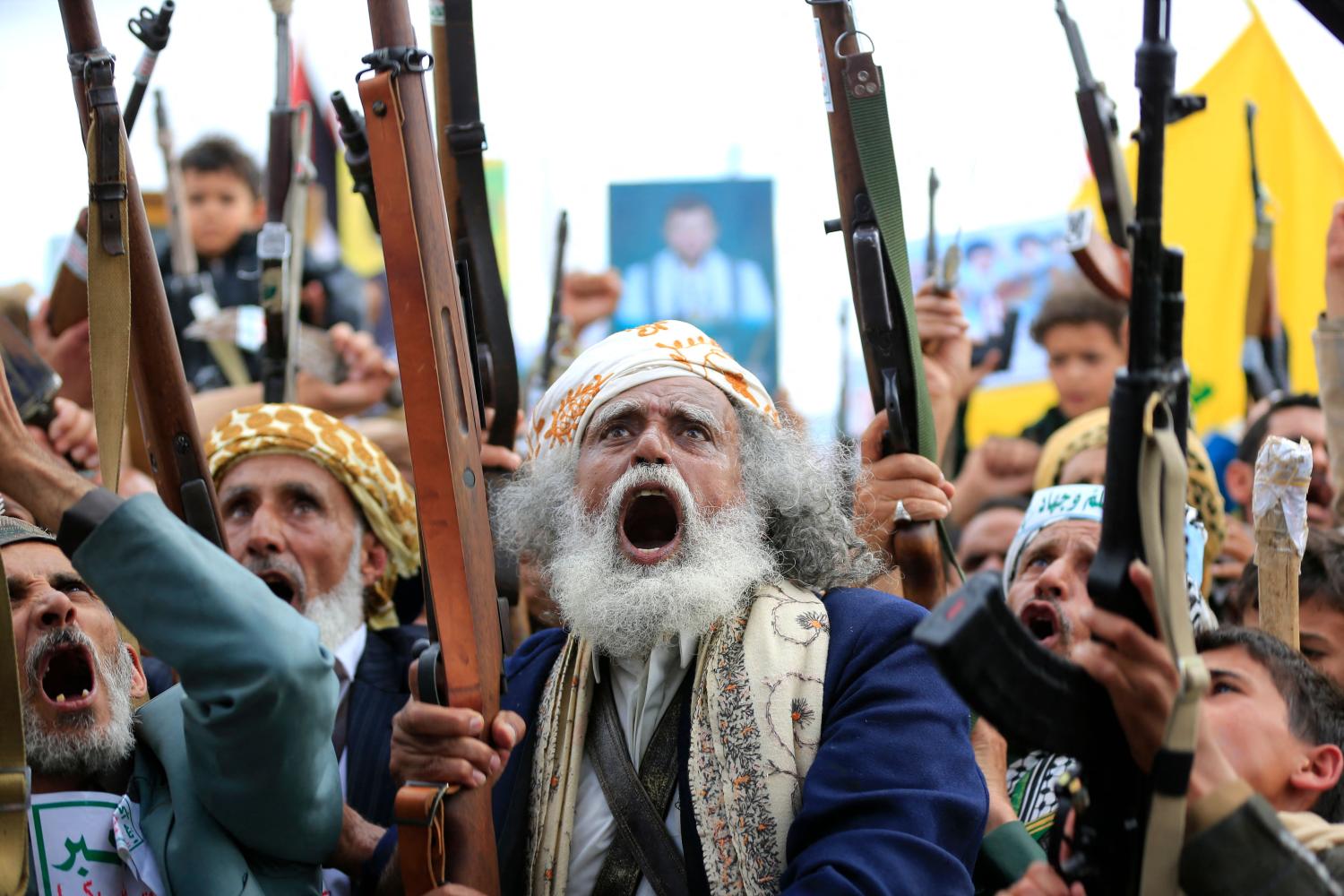
» An uncomfortable reality is becoming increasingly difficult to ignore. The global economy is in a period of "more frequent and violent shocks", as Nobel laureate Michael Spence puts it. Instead of facing isolated and temporary disruptions, we are confronting a structural shift towards unsettling volatility, deepening fragmentation, and a wider dispersion of outcomes for countries, companies, and households. The old world is gone, and virtually everyone risks losing out in the new one. The question is by how much and what to do about it.

Forget births, cut Thai deaths first
Oped, Sergei Scherbov & Vipan Prachuabmoh, Published on 23/04/2026
» Thailand's demographic debate is too often framed as though the country had only one option: raise fertility or accept a shrinking workforce. That view is understandable, but for the next two decades, it is mostly the misaligned policy horizon. If the question is how Thailand can strengthen its workforce before mid-century, the fastest answer is not higher fertility, but rather lower mortality.
Rupture, reform and how to rebuild
Oped, Robert F Godec, Published on 23/04/2026
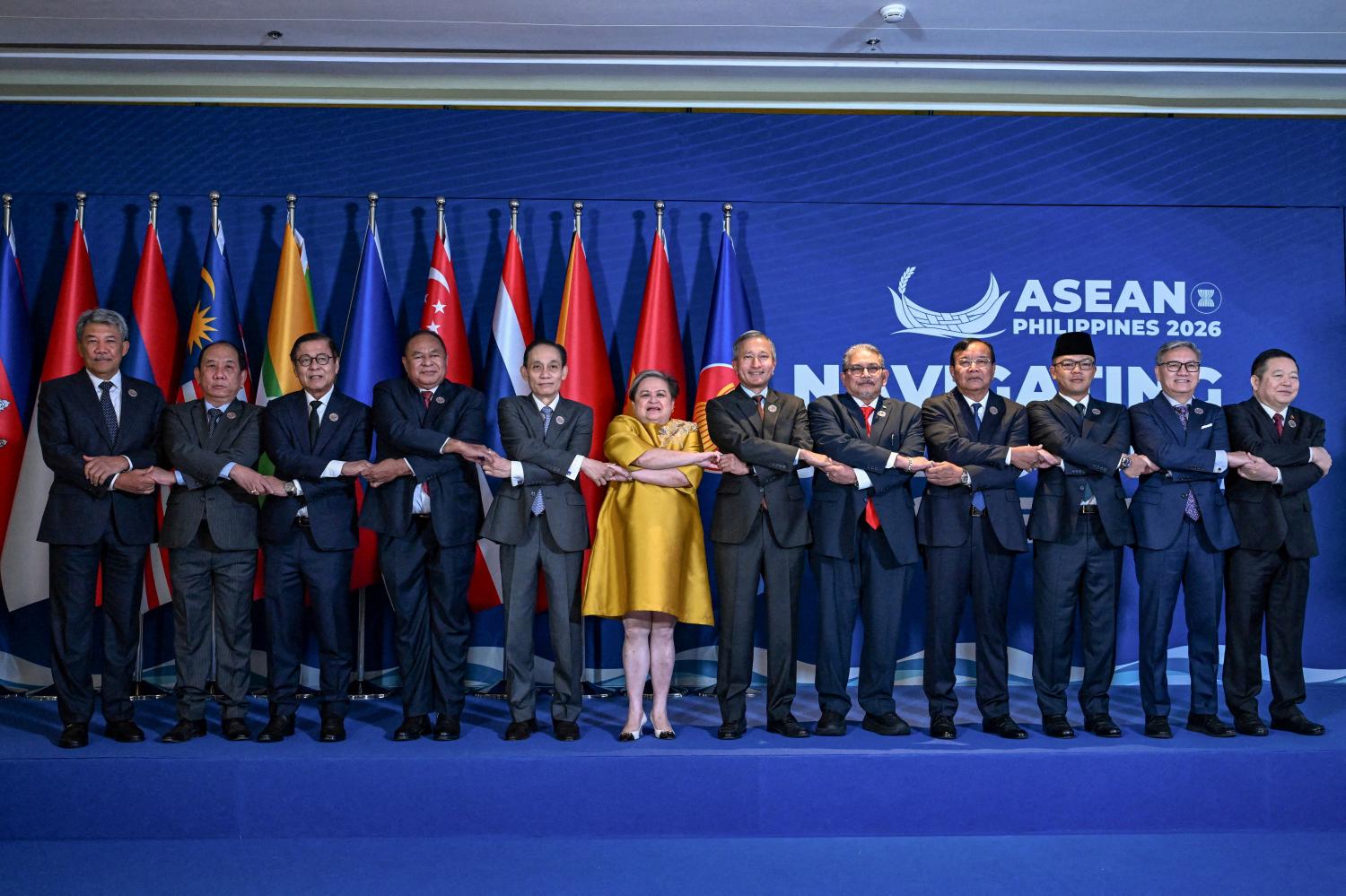
» The world is teetering on the edge of a cliff. Russia, China, and the United States are using their military and economic power in the ruthless pursuit of power and domination. In doing so, they have ruptured an international system that for 80 years was characterised by rules, institutions, and a measure of cooperation.

Car scheme doubts
Oped, Editorial, Published on 20/04/2026
» The government's planned "old car for new" scheme, a campaign to provide a subsidy and soft loans to accelerate electric vehicle adoption, marks a policy push to advance the transition towards net zero. In principle, the direction sounds good.
Oil shock risks wider chain reaction
Oped, Chartchai Parasuk, Published on 16/04/2026
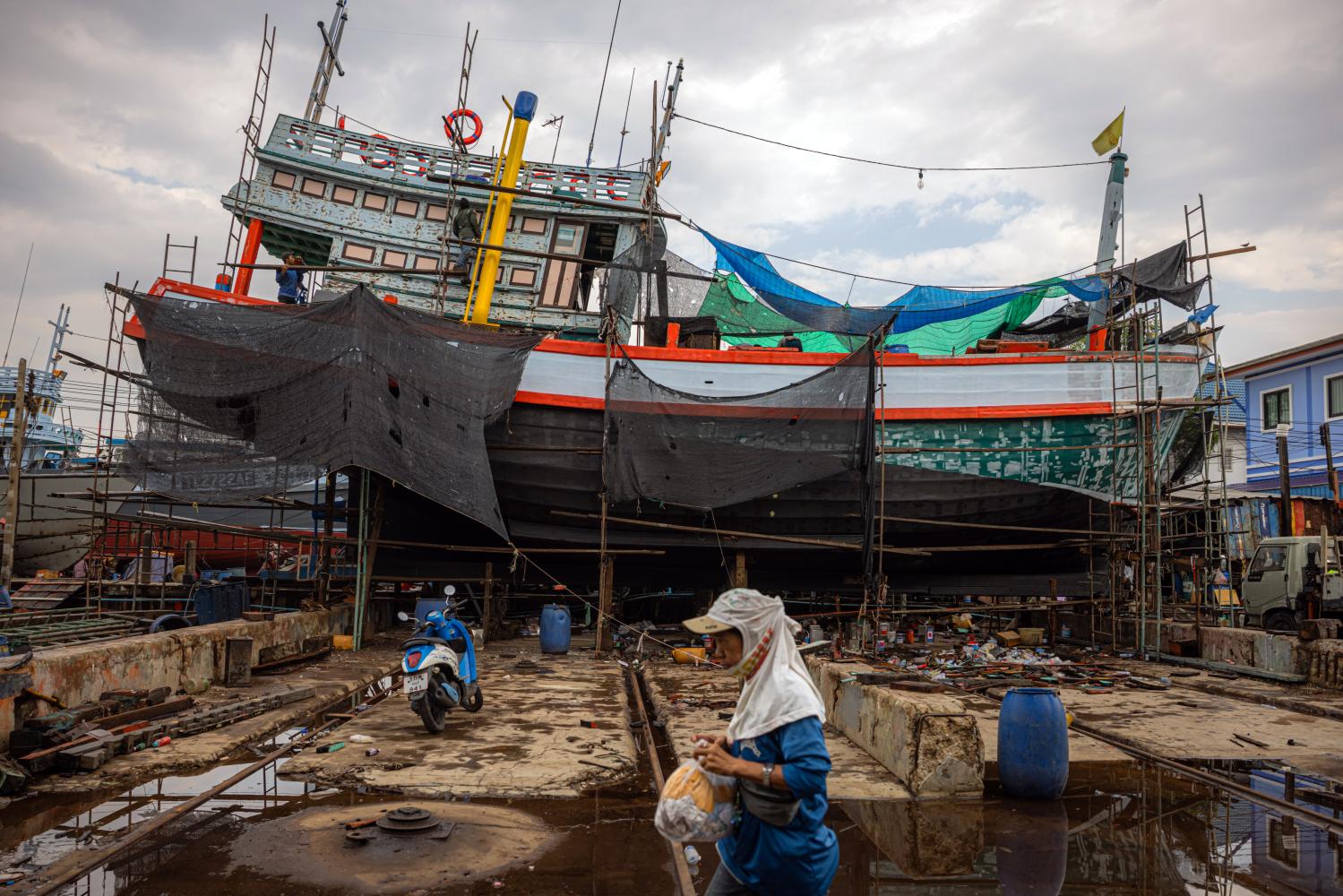
» There is no such thing as a free lunch. When global oil prices rise sharply, as they are doing now, someone must bear the cost. Some countries choose to absorb it through government support, as in Japan, while others pass the burden on to consumers, as in Thailand. Neither approach is inherently right or wrong; each carries different economic consequences. Policymakers must decide which set of outcomes is more acceptable and act accordingly.

It can even get a bit chilly in Hell
Roger Crutchley, Published on 12/04/2026
» The pause in the Middle East conflict is very welcome although with the opposing elements both claiming a "great victory" it's all a trifle confusing. Prior to the ceasefire, we had witnessed increasingly belligerent exchanges from both sides containing sombre warnings that the opposing forces were destined to end up in "hell". In fact the word "hell" was appearing so frequently it was in danger of losing its intended impact.
Asean banks face climate pressure
Oped, Rachel Ho, Published on 08/04/2026
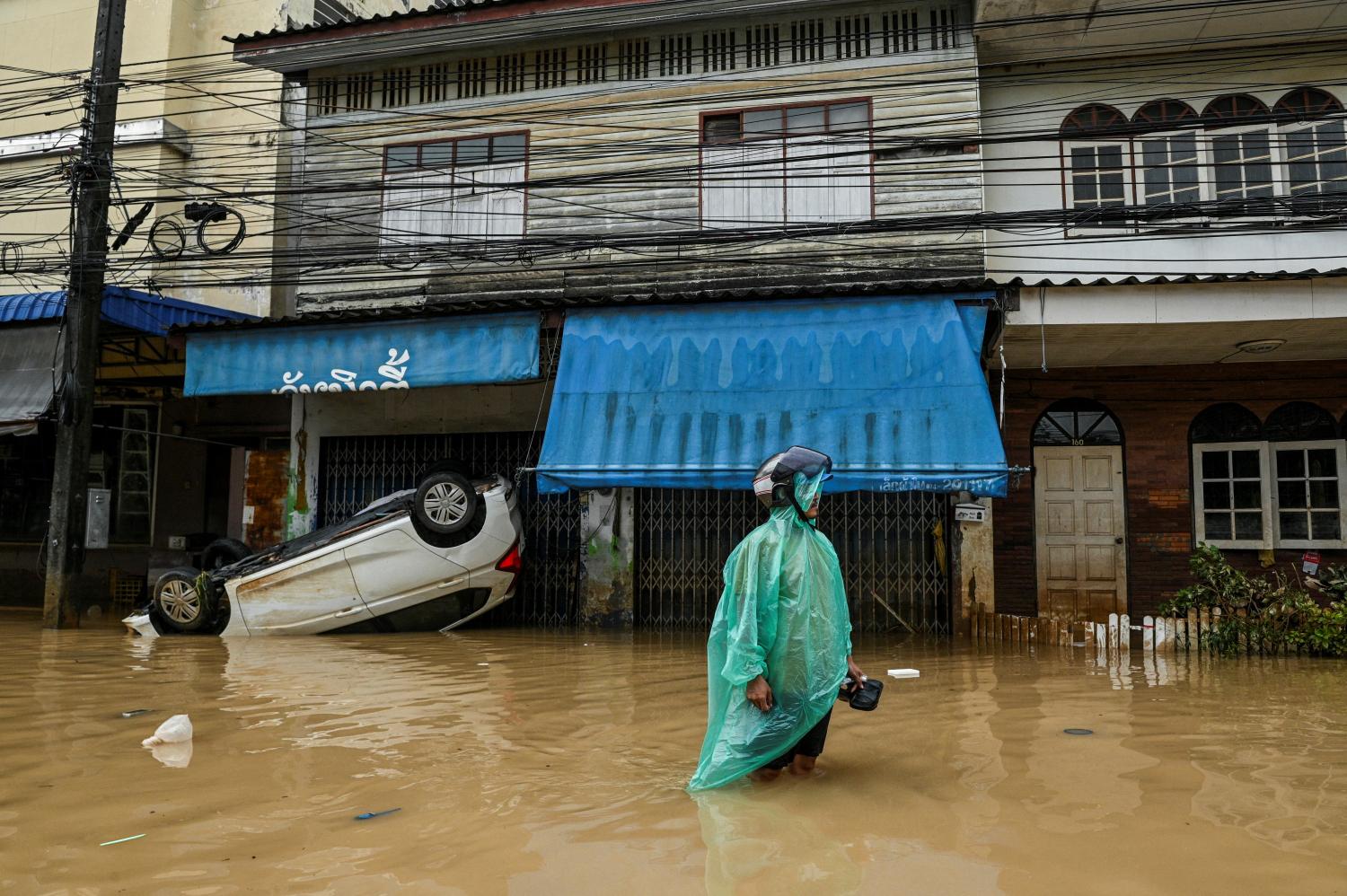
» The global oil and gas crisis is worsening. Amid the Middle East war, the central banks of countries in Southeast Asia must address a perfect storm of rising fuel prices, cost-of-living pressures, and worsening impacts of climate disasters.
Trump's threat to exit Nato forces rethink
News, Gwynne Dyer, Published on 04/04/2026
» As Washington abandons the transatlantic pact following an unprovoked attack on Iran, Europe must prepare for a future without US security guarantees.

Royal viewpoint
Oped, Published on 03/04/2026
» Re: "NACC sends MFP 44 case to top court", (BP, April 1).
The fatal flaw of AI-driven business models
Oped, Joachim Klement, Published on 02/04/2026
» Hundreds of billions of dollars are riding on the assumption that artificial intelligence will be reliable enough for high-stakes work. New research suggests it may never be. The AI tools that power ChatGPT and its rivals -- known as large language models, or LLMs -- are a genuine productivity-enhancing innovation. But they have serious shortcomings, most notably, their tendency to hallucinate, or make things up.