



Showing 1 - 10 of 301
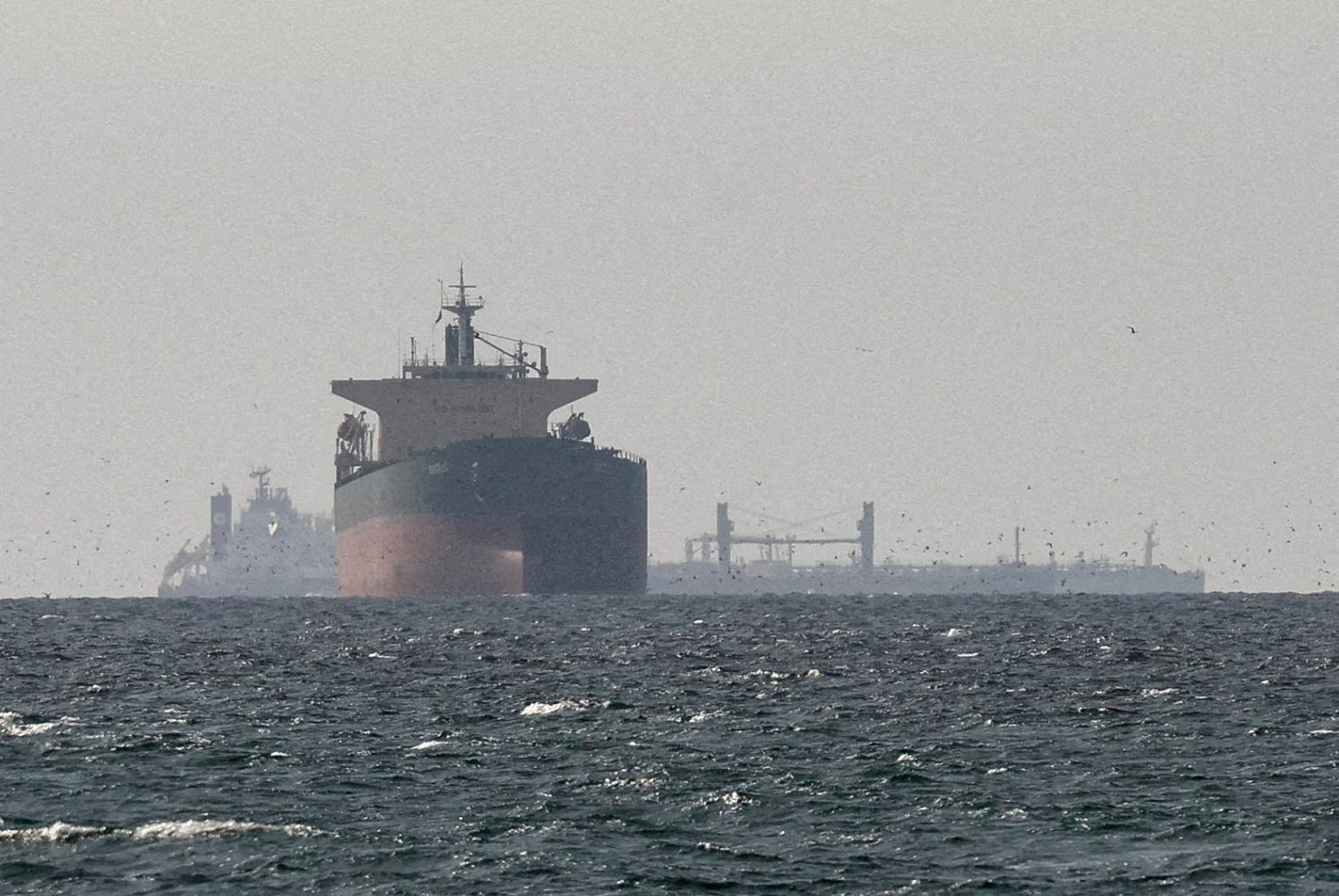
Is the Iran war America's Suez or its Gallipoli?
Oped, Yanis Varoufakis, Published on 21/04/2026
» When Egypt closed the Suez Canal for five months in 1956, it triggered events that shrunk the global standing of Britain's pound sterling, inaugurated the petrodollar age, and demonstrated how a small country can inflict serious damage upon the economic power that had subjugated it decades earlier.
A US-founded alliance worth keeping around
News, John J Metzler, Published on 11/04/2026
» Nato is again in the rhetorical crosshairs as the Trump administration has chided some European members for not allowing American aircraft to transit through America's European bases.
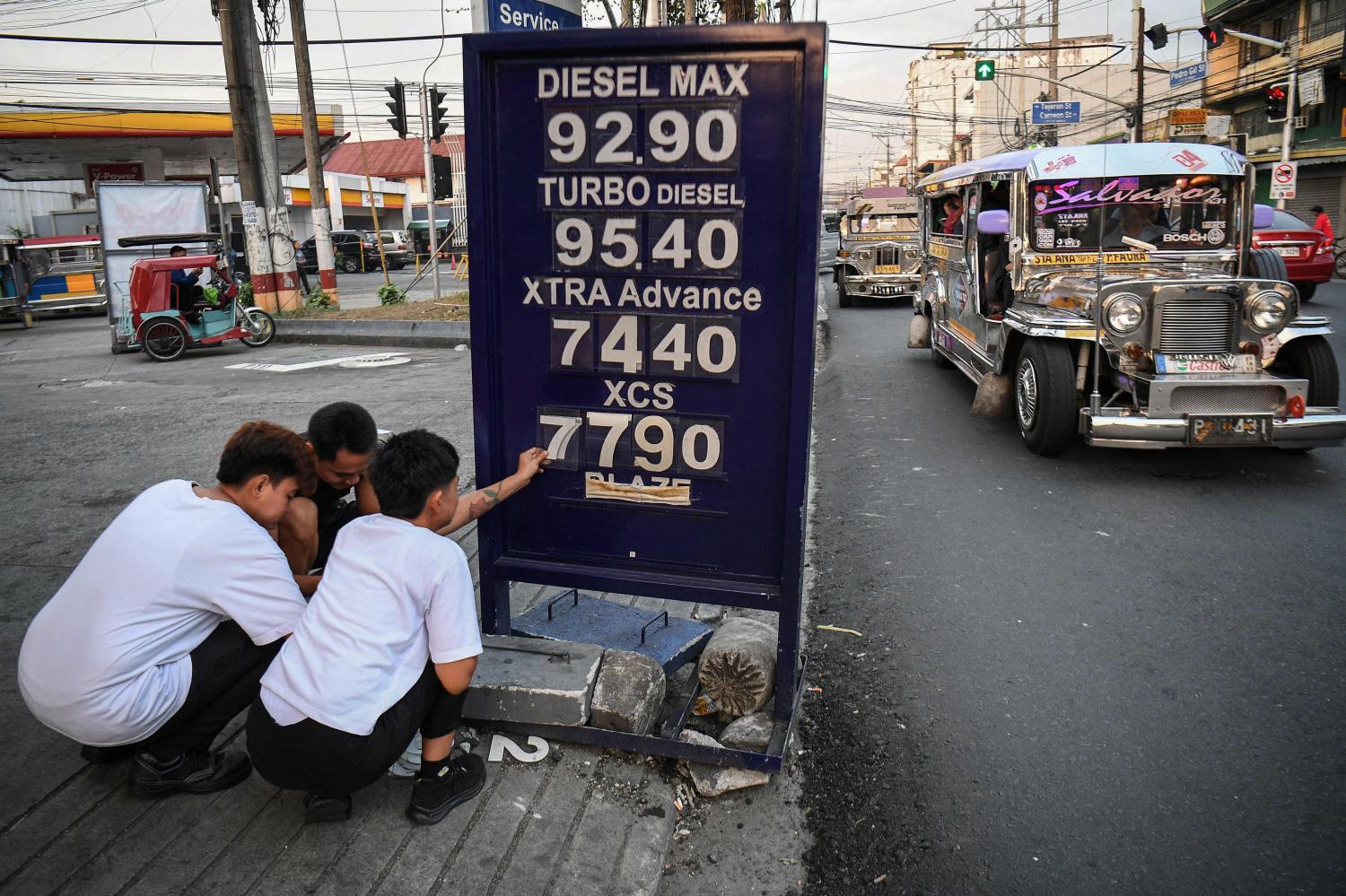
Asean's energy security at risk
Oped, Ma. Theresa P. Lazaro, Published on 26/03/2026
» In June 1986, the five founding members of the Association of Southeast Asian Nations (Asean) assembled in Manila to discuss Asean's response to the global energy crisis, which began with the Iranian Revolution in late 1978.

A prudent path
Oped, Postbag, Published on 11/03/2026
» Re: "Thailand braces for fallout from Mideast war", (Business, March 9). While we wish the leading political party in the new government fortitude and resilience in its efforts to steer Thailand through these turbulent times, we must also remind ourselves of the wise counsel of King Bhumibol Adulyadej the Great when he proposed the Sufficiency Economy as the most viable philosophy to help Thailand surmount the challenges of external threats and global shifts in economics and political destabilisation.

Women can lead push for growth
Oped, Anisha Chugh, Laura Leonelli Morey & Teresa Zapeta Mendoza, Published on 09/03/2026
» Across the Global South, painful austerity measures such as benefit caps, pay freezes and subsidy cuts have followed donor governments' recent cuts to foreign aid. The policy pivot has had an especially dramatic impact on women -- costing them jobs, services and protections -- and is causing widespread economic hardship in many developing countries.
Time for region to double down on green energy
Oped, Lidy Nacpil, Published on 06/03/2026
» The escalating instability in the Middle East has sent shockwaves through global energy markets, forcing Southeast Asian nations into a precarious position. While the region has made significant pledges to transition toward renewables, the threat of interrupted gas supplies and surging LNG prices is creating a dangerous incentive to prioritise immediate energy security over long-term climate goals.
Deliberation and bureaucracy can live together
Oped, Joe Mathews, Published on 23/02/2026
» Deliberative democracy is now officially entangled in state bureaucracy. And that's good news for citizens around the world.
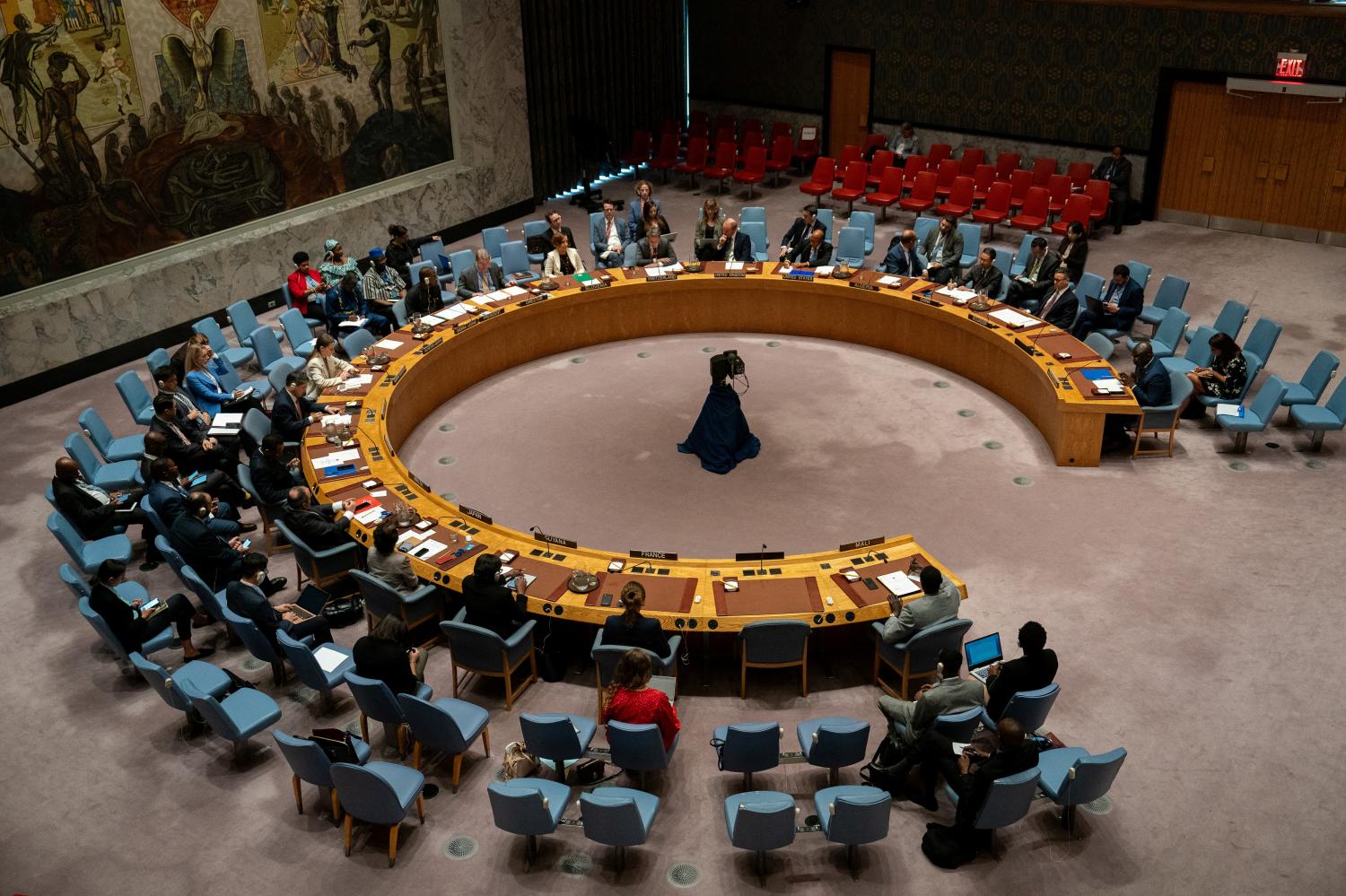
Ignored security concerns fuel Ukraine conflict
News, Evgeny Tomikhin, Published on 21/02/2026
» Difficult negotiations on how to settle the conflict in and around Ukraine are continuing in Geneva, Switzerland, and Abu Dhabi, United Arab Emirates. While the conditions of a long-term settlement are under discussion, it is timely to revisit a question that remains central for the international community: why, despite repeated declarations of commitment to peace, has the conflict yet to be resolved?
Surviving the collapse of the population
Oped, Gwynne Dyer, Published on 13/02/2026
» 'To them that hath shall [more] be given" is generally a reliable guide, especially in economic matters, but it doesn't work if the beneficiaries are too stupid to take advantage of the gift. The scarce and precious commodity in this case being people, who are in increasingly short supply.
Emerging markets stand strong
Oped, Kristalina Georgieva and Mohammed Al-Jadaan, Published on 12/02/2026
» It used to be that when advanced economies sneezed, emerging markets caught a cold. That is no longer true. Following recent global shocks, such as the post-pandemic inflation surge and a new wave of tariffs, emerging markets have held up well. Inflation has continued to slow, currencies have generally retained their value, and debt issuance costs have remained at manageable levels. There has been no sign of the kind of financial turbulence that came with past economic shocks.