



Showing 1 - 10 of 1,831

Water crisis still unsolved
Oped, Editorial, Published on 22/04/2026
» Prime Minister Anutin Charnvirakul's trip to Chiang Mai on Monday only confirms one certainty: his government -- whether Anutin 1.0 or the current 2.0 version -- does not have a coherent policy for water management.
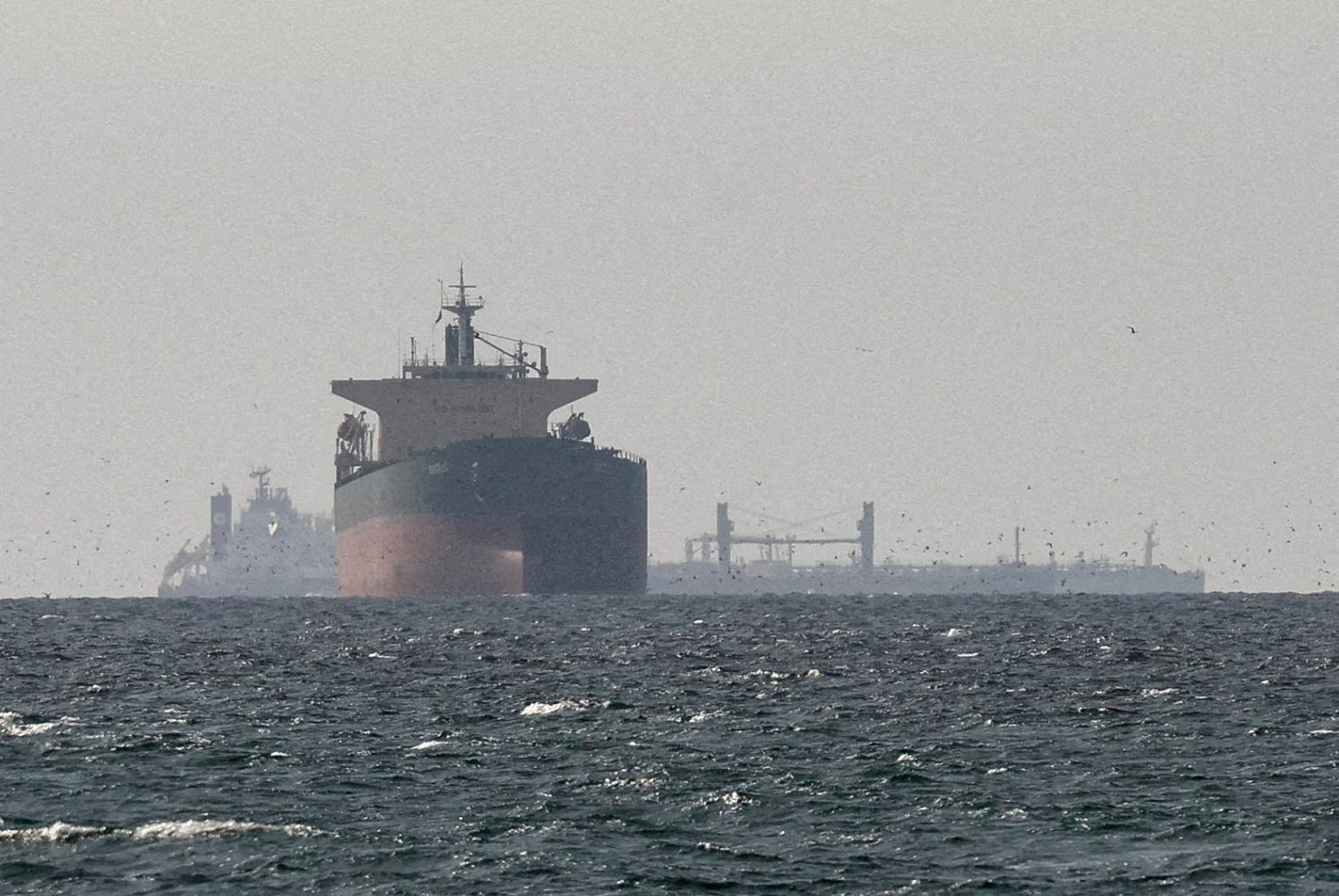
Is the Iran war America's Suez or its Gallipoli?
Oped, Yanis Varoufakis, Published on 21/04/2026
» When Egypt closed the Suez Canal for five months in 1956, it triggered events that shrunk the global standing of Britain's pound sterling, inaugurated the petrodollar age, and demonstrated how a small country can inflict serious damage upon the economic power that had subjugated it decades earlier.

Pope no pushover
Oped, Postbag, Published on 16/04/2026
» Re: "Trump 'not a big fan' of Leo", (World, April 14)
Iran's water weapon against Gulf
Oped, Michael Christopher Low, Published on 07/04/2026
» The oil-rich monarchies of the Persian Gulf are often described as petrostates. But the US-Israeli war with Iran has highlighted that they are also saltwater kingdoms, societies whose survival depends on desalination, or converting seawater into potable water at industrial scale.

Co-pay scheme misses mark
Editorial, Published on 05/04/2026
» A newly elected government following through on its campaign promises is usually a cause for praise. However, the Anutin Charnvirakul administration's vow to resurrect its flagship "Khon La Khrueng Plus" or Half-and-Half co-payment scheme is instead being met with trepidation.

Save Dutch embassy
Postbag, Published on 04/04/2026
» Re: "City's green spaces losing ground", (Opinion, March 30).
Trump's threat to exit Nato forces rethink
News, Gwynne Dyer, Published on 04/04/2026
» As Washington abandons the transatlantic pact following an unprovoked attack on Iran, Europe must prepare for a future without US security guarantees.

Tackle smog in North
Oped, Editorial, Published on 02/04/2026
» On Monday, Chiang Mai was ranked the world's most polluted major city, according to the Air Quality Index (AQI) compiled by a Swiss air-monitoring firm.

Fuel-saving ideas
Oped, Postbag, Published on 02/04/2026
» Re: "PM apologises for fuel 'chaos'", (BP, March 28).
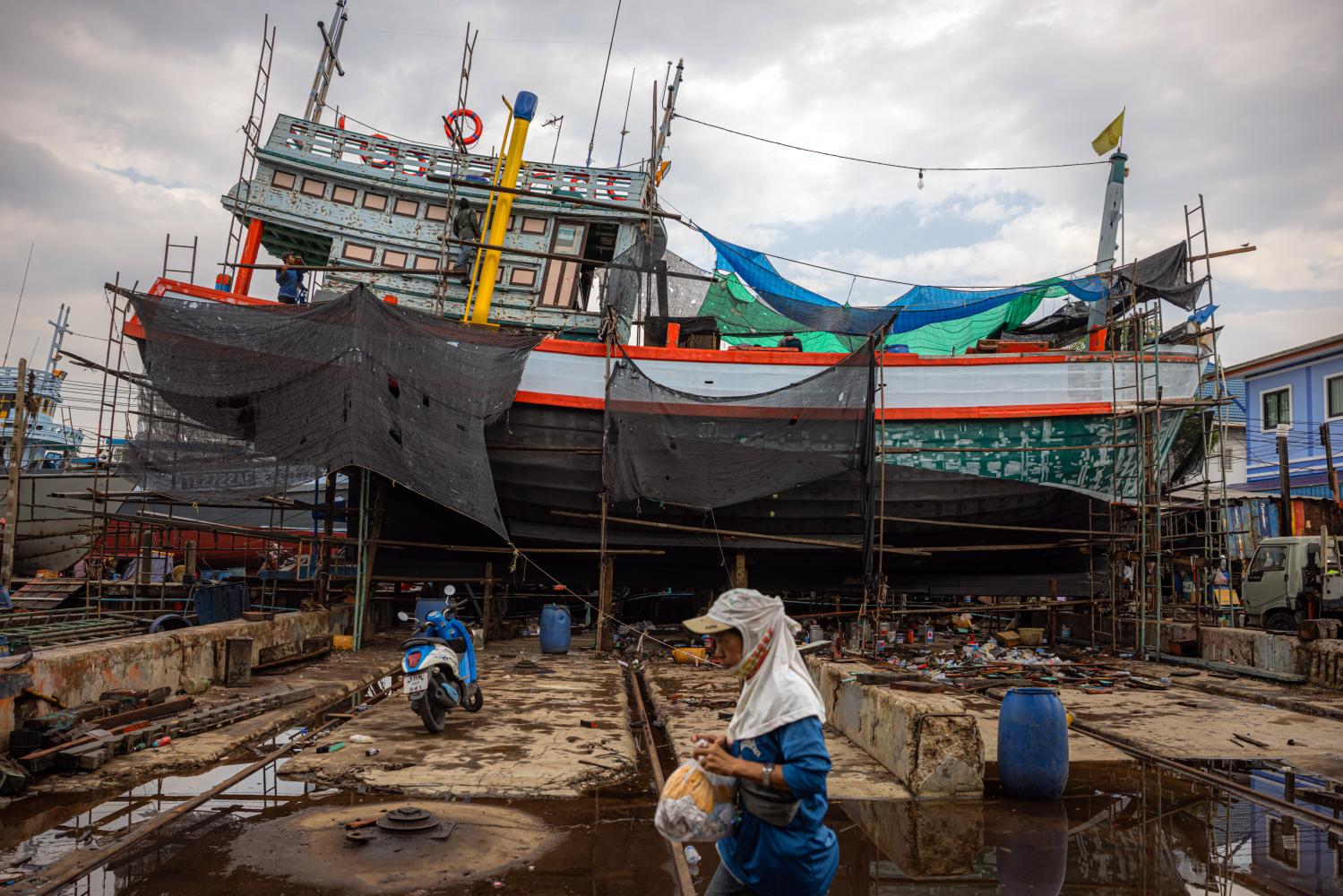
The silent engines of Asean realism
Oped, Imran Khalid, Published on 30/03/2026
» The global economy is currently tackling what may be the most significant energy disruption since the 1970s. The effective throttling of the Strait of Hormuz -- now seeded with Iranian Maham mines and subject to a tense, IRGC-monitored tolling system -- has physically severed the energy arteries that sustain the industrial heart of Southeast Asia.