



Showing 1 - 7 of 7

How green is the energy from our hydro dams?
Oped, Kongpob Areerat, Published on 29/05/2024
» Thailand’s National Energy Plan (NEP), a blueprint for the country’s energy strategy from 2023 to 2037, has earned praise for its noble goal of increasing the use of clean, renewable energy. The plan states that by 2050, half of the electricity consumed locally must be clean and renewable energy — solar cells, wind, biomass, small nuclear and hydro dams.

Can river meet all needs at same time?
Oped, Apisom Intralawan & David Wood, Published on 17/11/2023
» Population and economic growth -- including the switch to electric vehicles and the rapidly expanding use of digital technology, leads to higher global electricity demand, which is expected to double by 2050, according to In McKinsey's report "The Global Energy Perspective 2021".
Mekong River agency must step up
Oped, Brian Eyler, Published on 01/04/2023
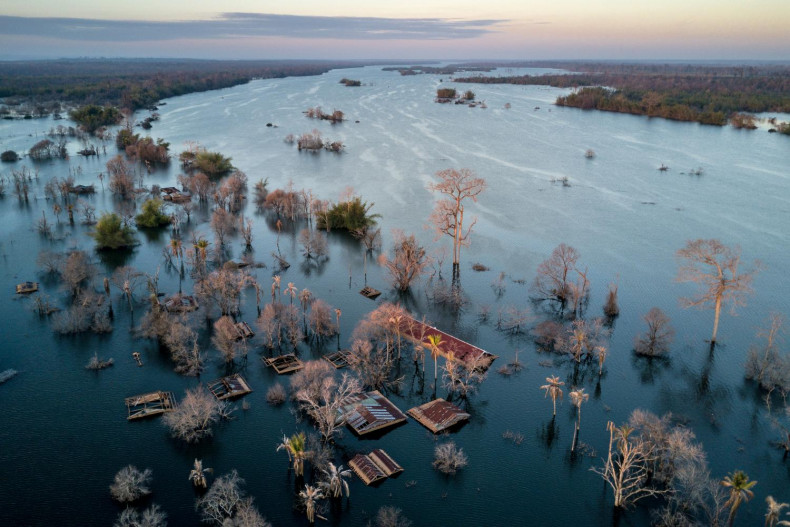
» This week from April 2-5, the leaders and relevant ministers of Cambodia, Laos, Thailand, and Vietnam will gather in Vientiane, Laos, to reaffirm their commitment to the sustainable development and management of the Mekong's mighty river system.
An Egat shakeup is long overdue
Oped, Pianporn Deetes and Gary Lee, Published on 30/03/2023
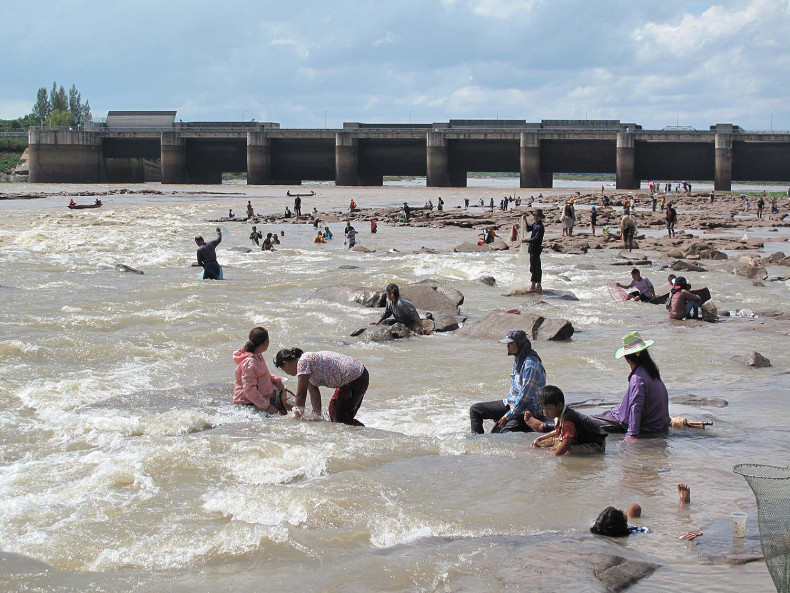
» News of the Electricity Generating Authority of Thailand (Egat) signing a power purchase deal for the planned Pak Lay dam in Laos last week almost slipped under the radar, such is the media attention lavished on the government's preparations for the next poll.
BCG Economy and Apec: Just empty rhetoric?
Oped, Pianporn (Pai) Deetes, Published on 19/11/2022
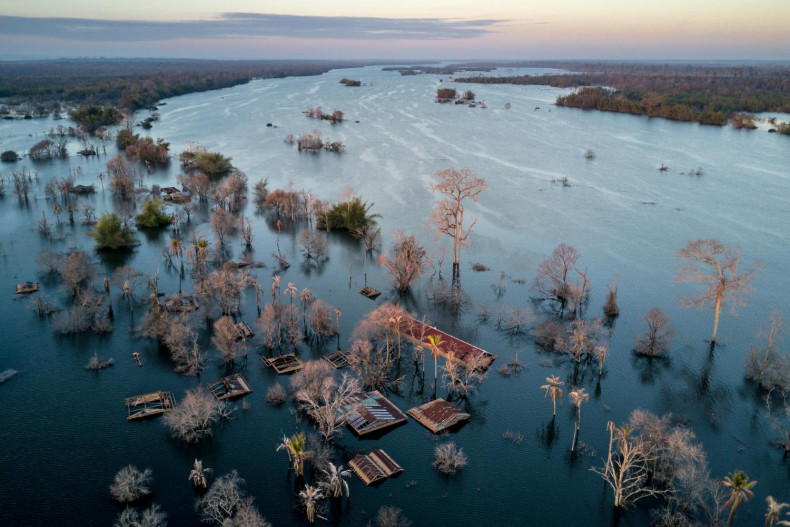
» The Apec Leaders' Summit in Bangkok this week includes an agreement to work toward the "Bangkok Goals" on Bio-economy, Circular Economy and Green (BCG) Economy beyond national borders. Many have raised the question of whether the Thai government, as host to the summit, genuinely aims to push forward this goal. Or is it just a greenwashing policy in support of business as usual?

Time to walk the dam talk
Oped, Editorial, Published on 24/08/2022
» The Supreme Administrative Court's decision last week to dismiss the Xayaburi Dam lawsuit should serve as a reminder of an issue rarely mentioned -- the Thai government's unrealised pledge to promote environmental conservation and human rights protection in transboundary investments.
Fight for the Mekong gathers pace
Oped, Paskorn Jumlongrach, Published on 26/11/2020
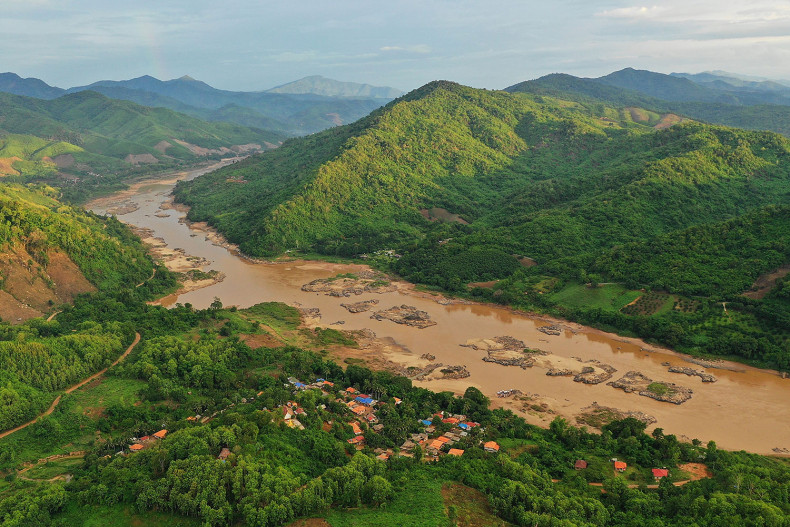
» More than 20 years ago, when two Chiang Rai-based environmentalists, Niwat Roikaew and Somkiat Kuenwongsa, learned that the Chinese government were blasting rapids in the upper Mekong River from Yunnan to Myanmar and Laos to clear the way for large commercial vessels, they started worrying.