




Showing 1 - 10 of 419

Corruption keeps getting worse
Editorial, Published on 15/02/2026
» Everyone knows corruption in Thailand is bad, but few realise how bad. By global standards, Thailand is slipping into the bottom tier.
Implications of conservative triumph
Oped, Thitinan Pongsudhirak, Published on 13/02/2026
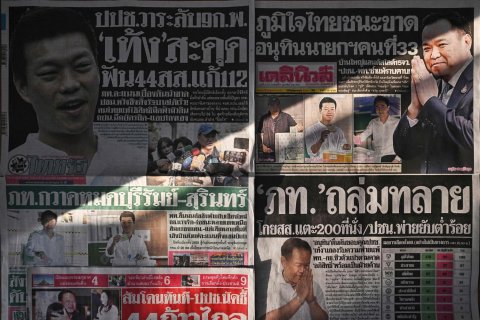
» The incumbent and conservative Bhumjaithai (BJT) Party has surprisingly swept Thailand's Feb 8 election with a commanding win. With the previously poll-leading and progressive People's Party (PP) coming in a distant second, Thailand appears headed for a conservative coalition government revolving around BJT and like-minded junior partners. Known for its conservative stance and being pro-status quo, it would not be surprising if the BJT-led coalition government, led by Prime Minister-elect Anutin Charnvirakul, were not challenged by the Constitutional Court, the Election Commission, and other supervisory agencies, which have derailed and dissolved reform-minded winning parties in the past.
Emerging markets stand strong
Oped, Kristalina Georgieva and Mohammed Al-Jadaan, Published on 12/02/2026
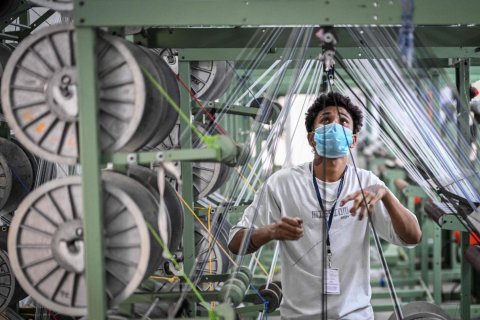
» It used to be that when advanced economies sneezed, emerging markets caught a cold. That is no longer true. Following recent global shocks, such as the post-pandemic inflation surge and a new wave of tariffs, emerging markets have held up well. Inflation has continued to slow, currencies have generally retained their value, and debt issuance costs have remained at manageable levels. There has been no sign of the kind of financial turbulence that came with past economic shocks.
Reinvent Thailand to revive growth
Oped, Boonwara Sumano, Published on 11/02/2026
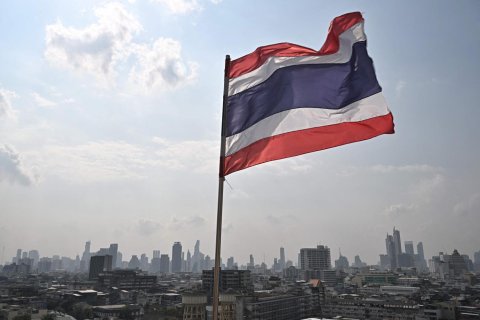
» In the 1990s, Thailand ranked second in Asean for state performance, behind only Singapore. Today, we trail several neighbours. This decline has unfolded gradually over three decades -- through repeated economic crises, institutional stagnation, and reforms that never quite went far enough. What is different today is that the cost of inaction has become far more dangerous.
In an uncertain world, gold is a comfort
Oped, Chartchai Parasuk, Published on 05/02/2026
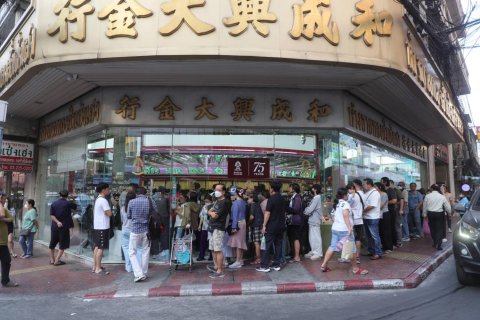
» With Thai citizens heading to the polls this Sunday to decide which party will form the next government, I have decided to postpone my article on the economic crisis for another two weeks.
Our tariff-era dollar, your problem
Oped, Qiyuan Xu, Published on 04/02/2026
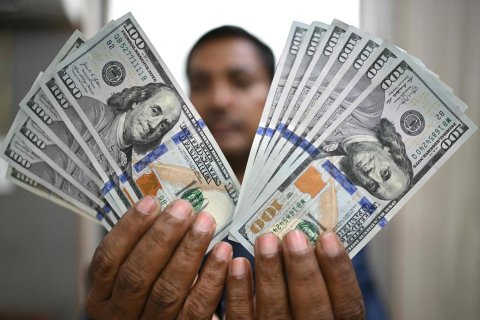
» In 2025, the dollar index, which measures the greenback's strength against a basket of major currencies, fell by roughly 9.4%. Over the same period, the United States' average effective tariff rate rose by around 14.4 percentage points, from 2.4% to 16.8%, according to the Yale Budget Lab. Taken together, these shifts imply that, in the import trade domain, the US experienced an effective exchange-rate depreciation of around 24%.

Philanthropy must dive deeper
News, Shaun Seow, Published on 23/01/2026
» Long-term global stability depends heavily on what happens in the ocean. Nowhere is this more evident than in Asia, home to much of the Coral Triangle and vast mangrove and seagrass ecosystems that sustain fisheries, protect coastal communities, and store massive amounts of carbon. Together, these ecosystems underpin food security, employment, and climate resilience across the continent and beyond.
When repressive states choose terror over death
News, Alan Clements, Published on 23/01/2026
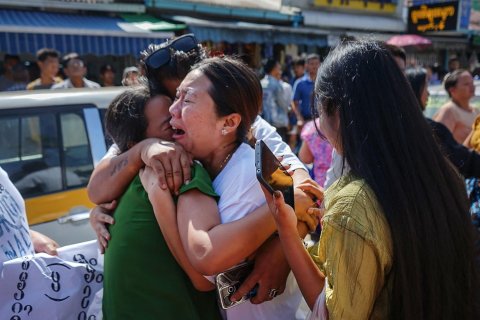
» Fyodor Dostoevsky -- one of the few writers to survive state terror and return with a psychology sharp enough to indict it.
Living in Thailand's age of impunity
News, Kong Rithdee, Published on 17/01/2026
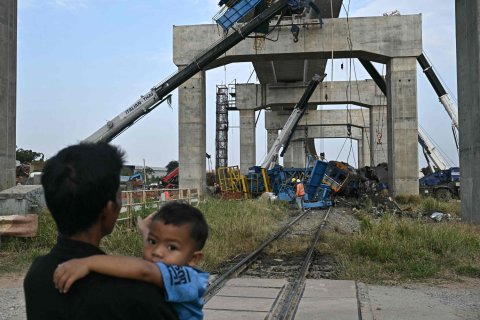
» There's no place like Thailand. Joyscrolling TikTok and Reels reveals dozens of clips made by international visitors lamenting having to leave our lovely country and return to dreary Europe or joyless America. "Nobody talks about how hard it is to go from this" -- insert a cut of a wonderful beach in Krabi -- "to this"--cut to a drab, damp suburban street somewhere in the West. Add a crying-face emoji. "I want to move here!" the traveller announces. True, everybody loves Thailand.
When infrastructure meets AI
Oped, Bertrand Badré & Saurabh Mishra, Published on 16/01/2026
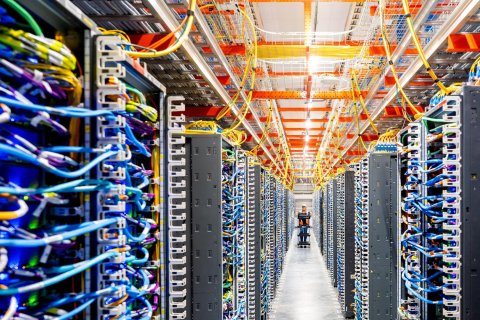
» Infrastructure investment is booming. Around the world, governments are pouring trillions of dollars into roads, power grids, data centres, water systems, and housing, with many responding to intensifying climate shocks and the growing need for adaptation. Yet the construction industry -- the single largest force physically reshaping the planet -- is among the last major sectors to unlock all the benefits that digital technology offers. As a result, it accounts for about 21% of greenhouse-gas emissions, produces half of global landfill waste, and overspends by US$1.6 trillion a year.