



Showing 1 - 10 of 99
Hormuz crisis reveals energy resilience gap
News, Laura Carvalho, Published on 18/04/2026
» The closure of the Strait of Hormuz has triggered what the International Monetary Fund calls a "global yet asymmetric" rupture, disrupting the flow of roughly one-quarter of oil, one-fifth of liquefied natural gas, and one-third of fertiliser supplies. Energy and fertiliser prices have risen, supply chains have rerouted, and financial conditions have tightened unevenly around the world.
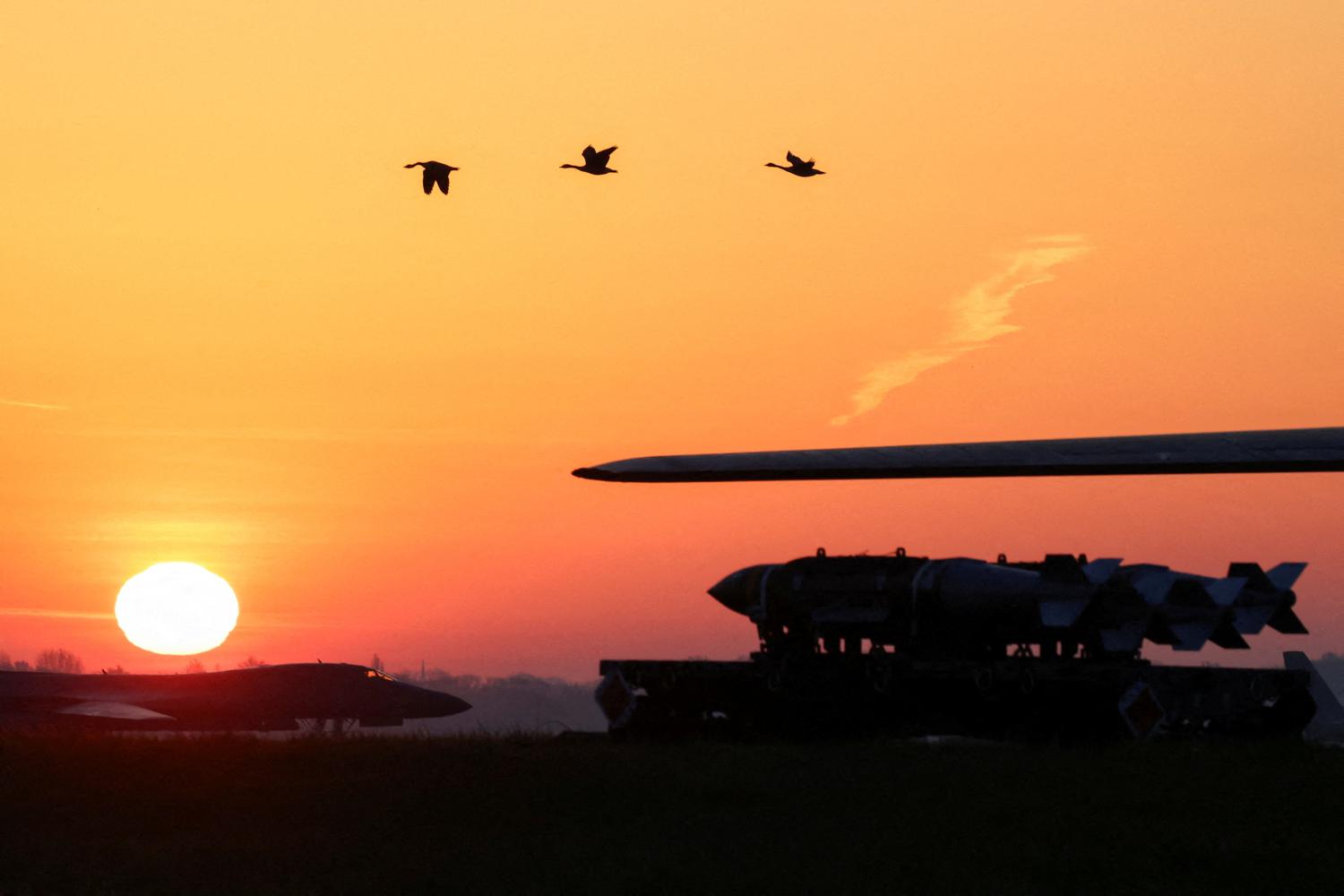
The day the US became Britain at Suez
Oped, Philip J Cunningham, Published on 09/04/2026
» The world's focus is on the US-induced debacle in the Strait of Hormuz, but it's another narrow strait that sums up the current state of US power in the world: Suez.
False promises no solution to empty pockets
Oped, Saritdet Marukatat, Published on 30/03/2026
» Thailand has returned to a painful reality under a new government still fresh from the political rhetoric bandied about during the election campaign.
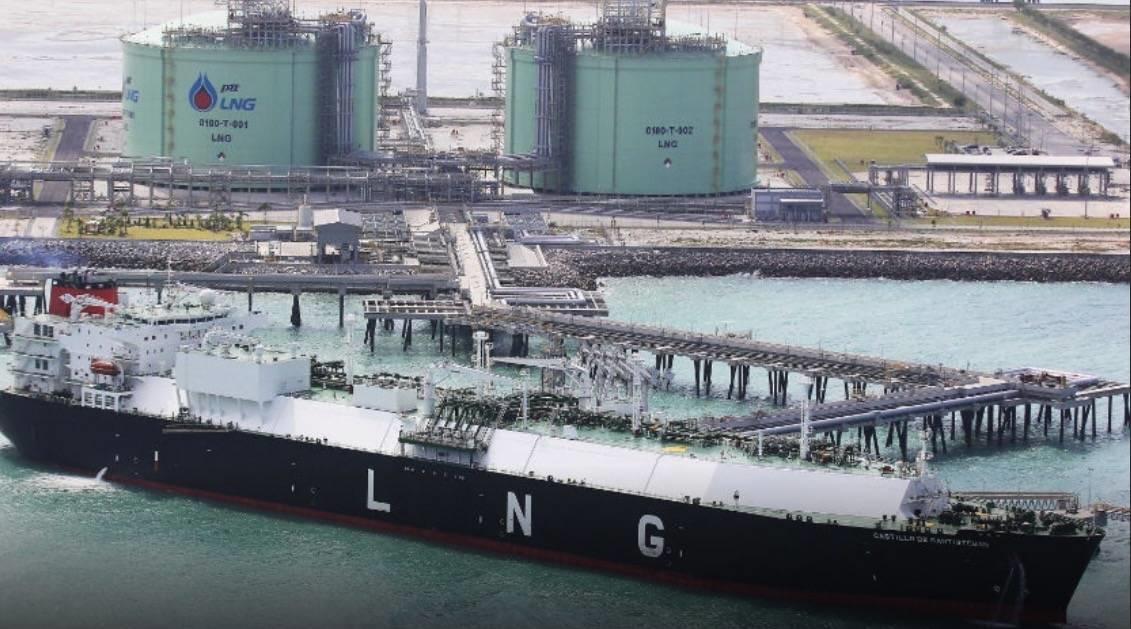
Iran war exposes Thai energy fragility
News, Sutthipath Kanittakul, Published on 28/03/2026
» The ongoing war in the Middle East is exposing a critical vulnerability in Thailand's energy system -- its heavy dependence on imported liquefied natural gas (LNG).

People’s Party’s diplomatic 'elegance' rings hollow
Oped, Pavin Chachavalpongpun, Published on 16/01/2026
» On Jan 11, the People’s Party held a high-profile event to showcase its “People’s Government”, offering a glimpse of its proposed executive leadership. Among the key speakers was Pisan Manawapat, a former diplomat and senator, designated as the party’s future foreign minister.
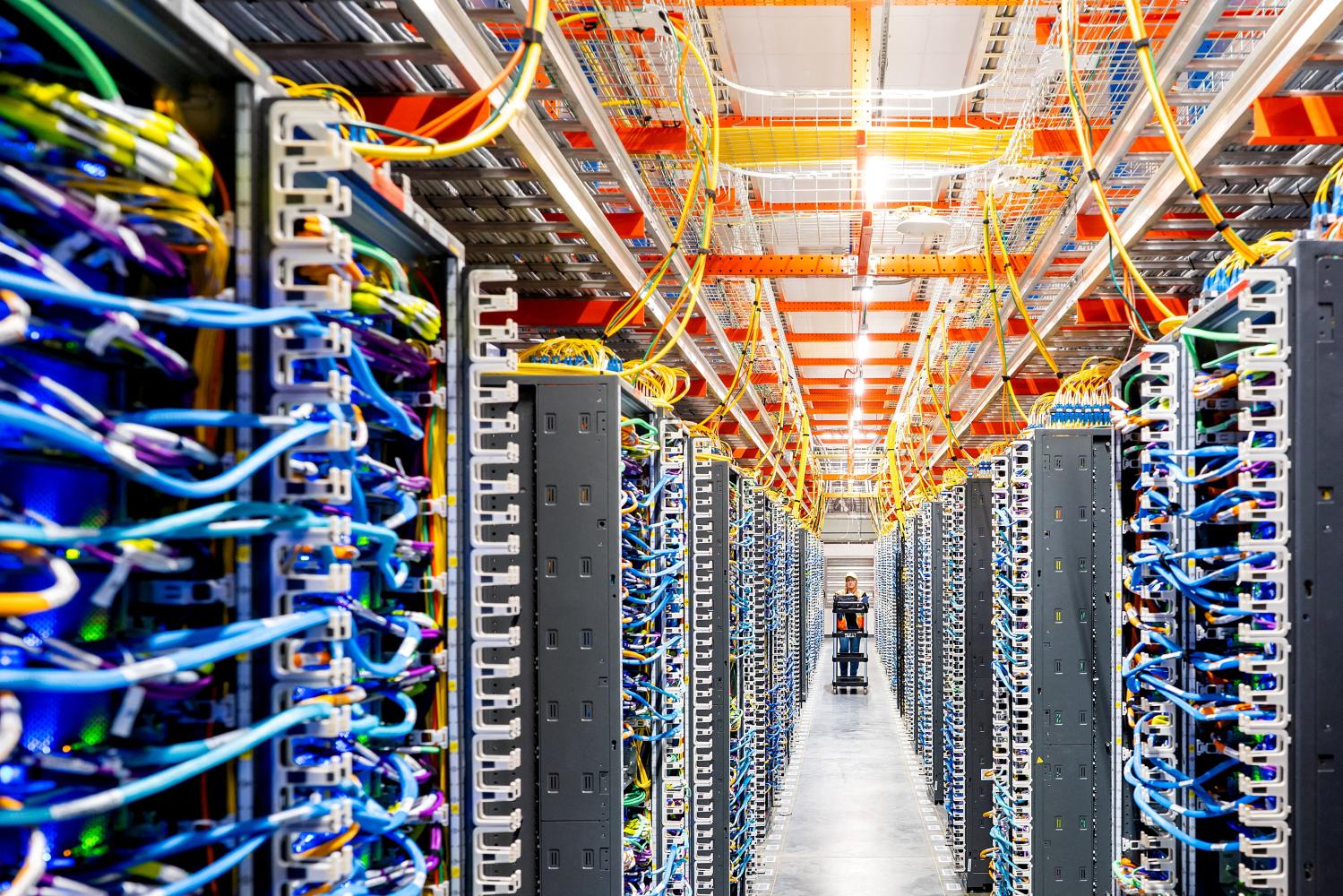
When infrastructure meets AI
Oped, Bertrand Badré & Saurabh Mishra, Published on 16/01/2026
» Infrastructure investment is booming. Around the world, governments are pouring trillions of dollars into roads, power grids, data centres, water systems, and housing, with many responding to intensifying climate shocks and the growing need for adaptation. Yet the construction industry -- the single largest force physically reshaping the planet -- is among the last major sectors to unlock all the benefits that digital technology offers. As a result, it accounts for about 21% of greenhouse-gas emissions, produces half of global landfill waste, and overspends by US$1.6 trillion a year.

EU's carbon challenge
Oped, Editorial, Published on 01/01/2026
» From today, exporters of five types of products to the European Union must comply with the bloc's Carbon Border Adjustment Mechanism (CBAM).
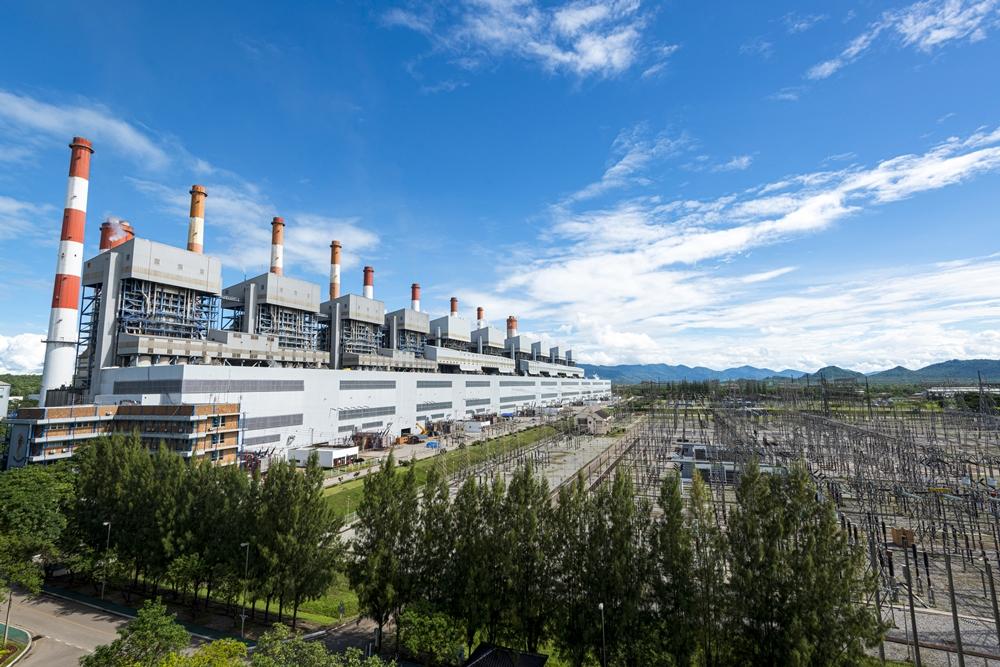
Phasing out coal makes economic sense
Oped, Rapeepat Ingkasit, Published on 24/12/2025
» Thailand's recent update to its Nationally Determined Contribution (NDC 3.0) was met with polite applause from diplomatic circles and global communities. By finally aligning the national net-zero target with the mid-century goals of our neighbours, the kingdom appears to be getting back on track.
Thailand's fragmented energy plans
News, Areeporn Asawinpongphan, Annop Jaewisorn and Korn Amnauypanit, Published on 17/12/2025
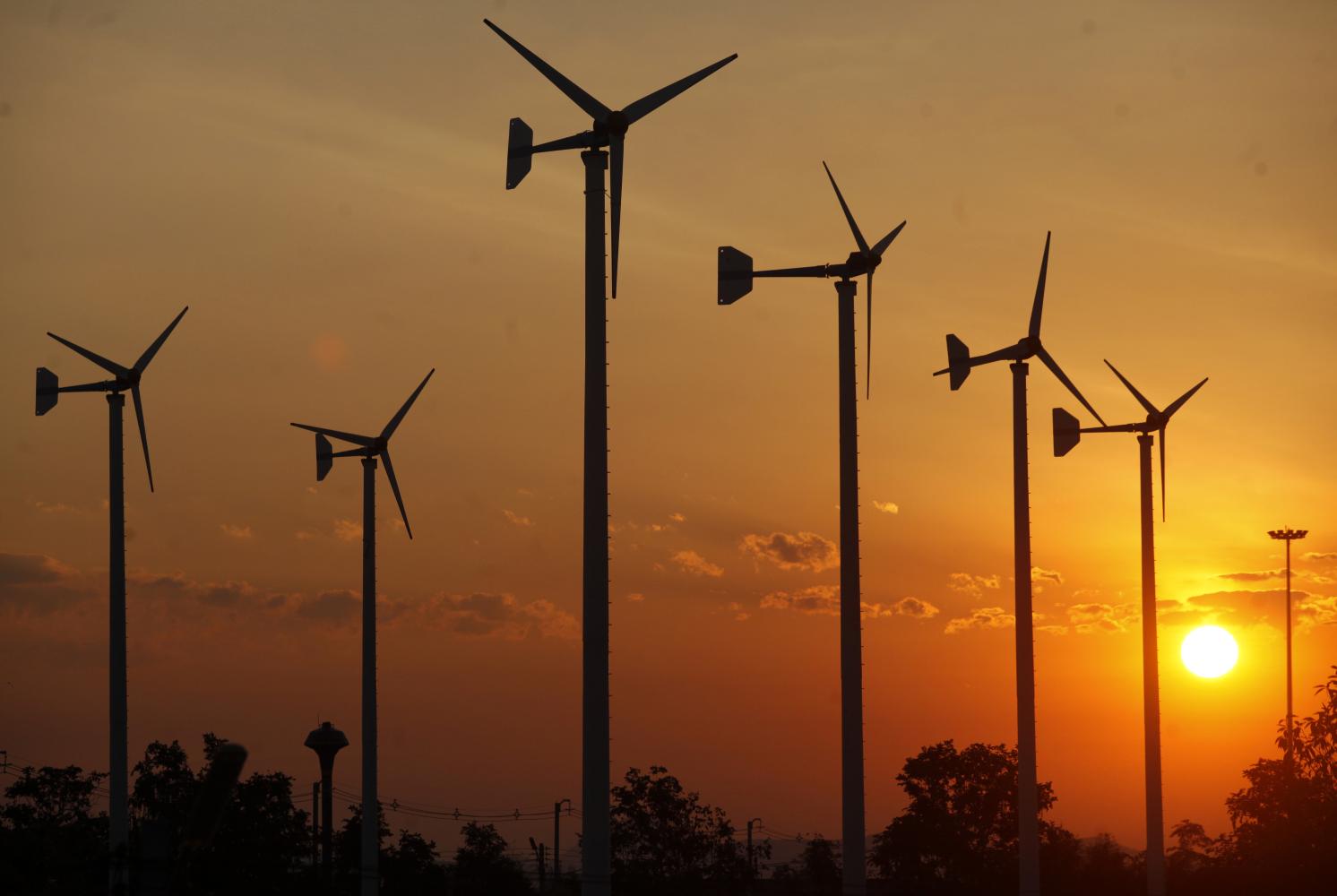
» The world is racing towards clean energy. Thailand, blessed with sun and wind, should be surging ahead. Instead, the country is stuck with one of the lowest shares of clean power in the region -- an awkward contrast to its ambitions on paper.

Carbon capture, hydrogen and net zero
Oped, Areeporn Asawinpongphan, Korn Amnauypanit & Annop Jaewisorn, Published on 05/11/2025
» Solar farms, wind turbines, and electric vehicles are crucial to slashing carbon emissions, but they can't carry Thailand all the way to net zero.