



Showing 1 - 10 of 12
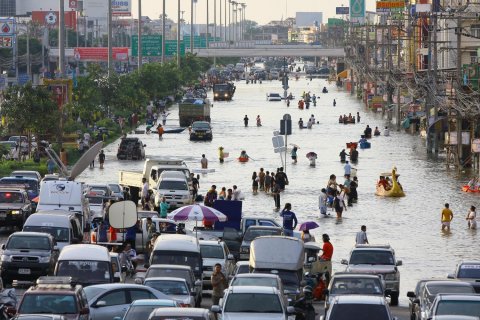
Floods 'a recurring nightmare'
Oped, George G van der Meulen & Chamniern Vorratnchaiphan, Published on 16/09/2025
» Thailand has faced floods for more than a century. Some years are worse than others, but the pattern is consistent. The catastrophic 2011 floods remain the most painful reminder: according to the World Bank, they caused US$46.5 billion (1.5 trillion baht) in economic losses, displaced 13 million people, and claimed approximately 800 lives. Much of the country's industrial heartland was submerged for months, severely impacting global supply chains.

Old dam, new debate
Oped, Editorial, Published on 04/09/2024
» It has become a pattern for almost every government to revive the controversial Kaeng Sua Ten Dam project when there is a big flood in provinces located in the Mae Yom River's basin, such as Phrae, Sukhothai, Phichit, and Phitsanulok provinces. The Pheu Thai-led-government is no exception.

A win for Kru Ti and the Mekong River
Oped, Paskorn Jumlongrach, Published on 28/05/2022
» Over the past 20 years, Niwat Roykaew, a teacher, activist and founder of the Chiang Khong Conservation Group in Chiang Rai province has been campaigning to bolster the grassroots movement he initiated to protect the Mekong River, a crucial lifeline for countries in the Mekong Region.

Time to tackle plastic
Oped, Editorial, Published on 02/03/2022
» As the world's attention remains focused on the war between Russia and Ukraine, more than 100 nations are convening in Kenya this week to wage their own war -- against plastic waste. Delegates -- including those from Thailand are expected to take the first steps toward establishing a historic global framework for a legally binding plastic treaty -- touted to be the most ambitious environmental pact since the 2015 Paris Agreement on climate change. The move is vital if it's not already too late as plastic continues to snarl up the worlds waterways and contaminate the food chain.
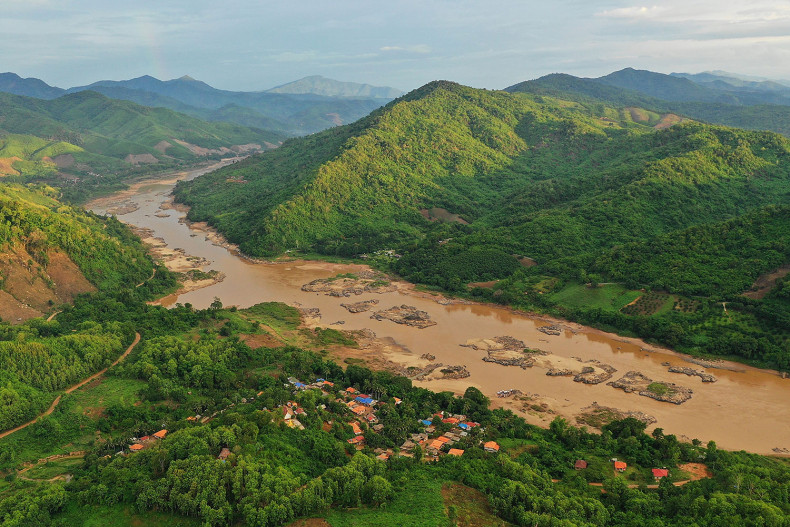
Fight for the Mekong gathers pace
Oped, Paskorn Jumlongrach, Published on 26/11/2020
» More than 20 years ago, when two Chiang Rai-based environmentalists, Niwat Roikaew and Somkiat Kuenwongsa, learned that the Chinese government were blasting rapids in the upper Mekong River from Yunnan to Myanmar and Laos to clear the way for large commercial vessels, they started worrying.
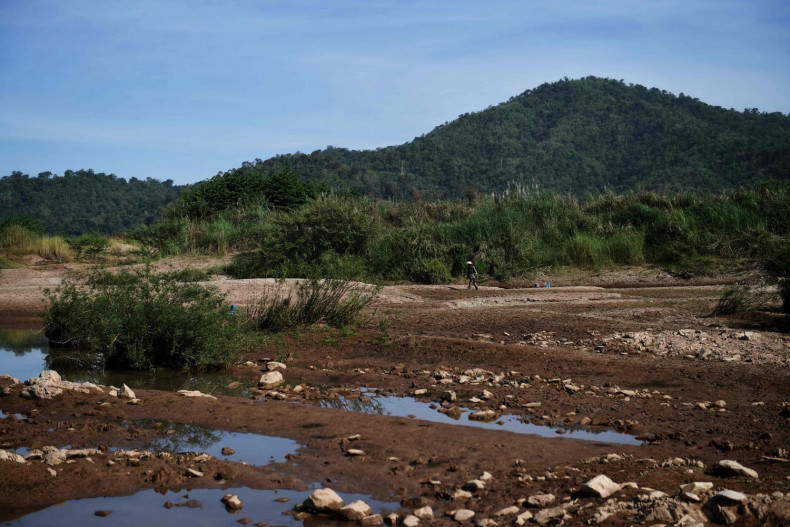
Asean needs to act on Mekong River
Oped, Chen Chen Lee, Published on 30/09/2020
» Two events happened last month that went largely unnoticed by most of the mainstream media in Southeast Asia. One was the third Lancang-Mekong Cooperation (LMC) Leaders' Meeting between China and the five Mekong members of Asean -- Cambodia, Laos, Myanmar, Thailand and Vietnam. The other was the inaugural Mekong-US Partnership Ministerial Meeting between America and the same Asean countries.
Salween diversion project enters troubled waters
Oped, Pianporn Deetes, Published on 26/09/2020
» Over the past few months, the Irrigation Department and the House Committee Review of Integrated River Basin Management have been heavily promoting an inter-basin water diversion scheme. Planned projects will divert water across Thailand, incorporating international river basins, including the Mekong and Salween, to address "water shortages" in Thailand.

Buffaloes return to Ban Boonrueng
Oped, Paskorn Jumlongrach, Published on 16/09/2020
» In a vast area of wetlands in Ban Boonrueng village, located in Chiang Rai's Chiang Kong district, the return of buffaloes signifies the resilience of what was a disappearing swamp forest in the northern province.
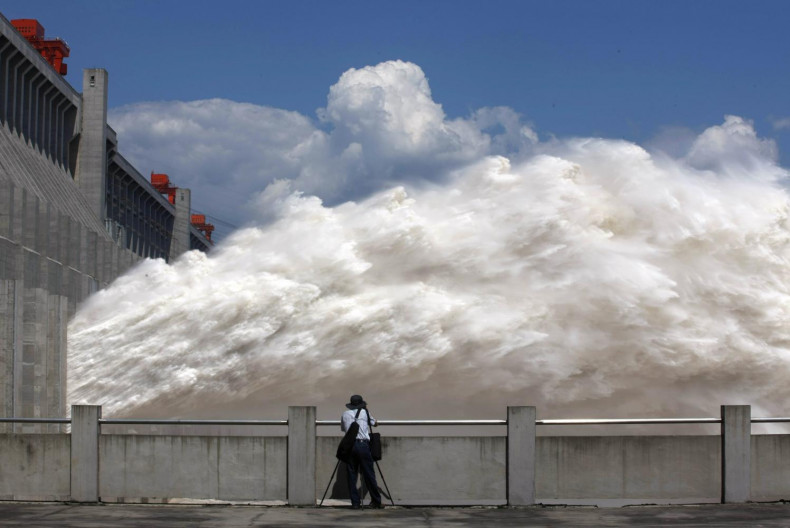
China's future depends on how it tames its rivers
Oped, Giulio Boccaletti, Published on 11/08/2020
» The East Asian monsoon is pummelling China this summer. As of late July, flood alerts had been issued for 433 rivers, thousands of homes and businesses had been destroyed, and millions of people were on the verge of becoming homeless. The water level of Poyang Lake, China's largest freshwater lake, has risen to a record-breaking 22.6 metres, prompting authorities in the eastern province of Jiangxi (population: 45 million) to issue "wartime" measures. Chinese citizens have not been threatened with devastation on this scale in more than 20 years, and this is likely just the beginning.
The struggle for the soul of the Mekong River
Oped, Brian Eyler, Alan Basist, Courtney Weatherby and Claude Williams, Published on 31/07/2020
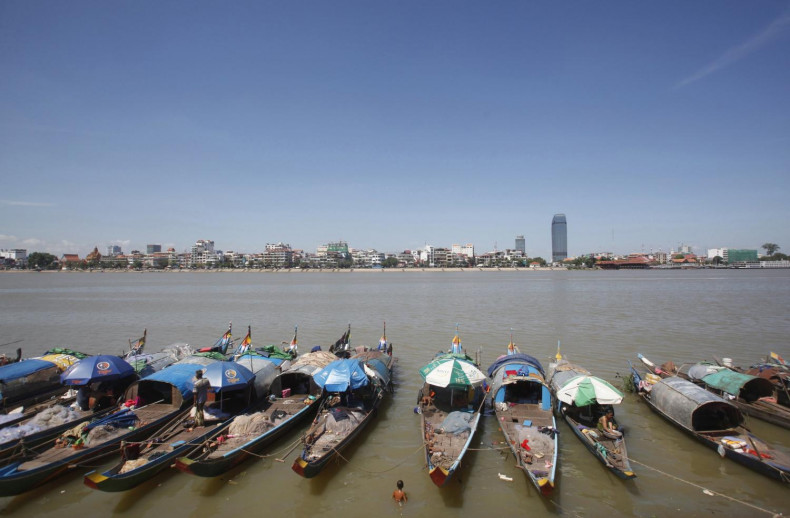
» In June of this year, the FAO's annual State of World Fisheries and Aquaculture report ranked the Mekong Basin as the world's most productive freshwater fishery, accounting for over 15% of global annual freshwater fish catch. Meanwhile, WWF Researchers estimate that the contribution actually accounts for a quarter of the world's freshwater catch. This massive inland fishery is critical to the food security of tens of millions living in Cambodia, Laos, Thailand and Vietnam, and is fuelled by the Mekong River's natural flow cycle. Typically, the Mekong transitions like clockwork around this time of year from the dry season period of relatively low flow to an extreme wet season pulse bringing floodwaters that nourish the entirety of the basin.