



Showing 1 - 9 of 9
Our tariff-era dollar, your problem
Oped, Qiyuan Xu, Published on 04/02/2026
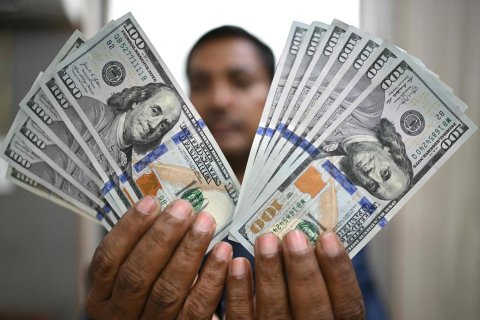
» In 2025, the dollar index, which measures the greenback's strength against a basket of major currencies, fell by roughly 9.4%. Over the same period, the United States' average effective tariff rate rose by around 14.4 percentage points, from 2.4% to 16.8%, according to the Yale Budget Lab. Taken together, these shifts imply that, in the import trade domain, the US experienced an effective exchange-rate depreciation of around 24%.
Cutting Asia's reliance on dollars
Oped, Yasuto Watanabe & Hiro Ito, Published on 02/10/2025
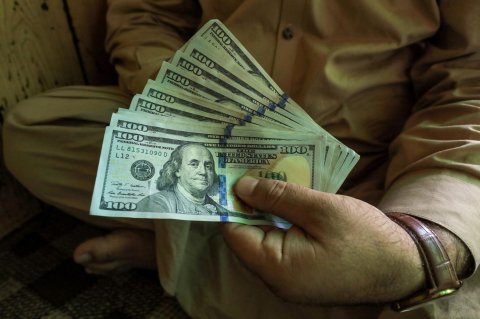
» The US dollar remains the world's leading reserve currency, but recent developments -- particularly President Donald Trump's unilateral economic diplomacy, including weaponisation of the dollar -- have fuelled doubts about whether it will maintain that status. While some of America's geopolitical rivals may hope to displace the dollar, the real challenge facing Asian economies is to manage the vulnerabilities created by their heavy dependence on it.
Renminbi debt in a dollar-denominated world
Oped, Paola Subacchi, Published on 25/09/2025
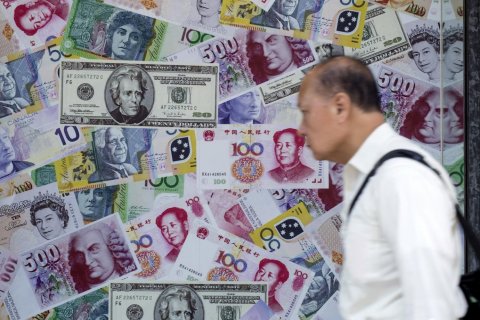
» When governments borrow on international markets, they do so overwhelmingly in US dollars. Roughly two-thirds of international debt issuance is denominated in foreign currencies, of which nearly half is in dollars and about 40% is in euros. The rest is spread across other currencies, including the Chinese renminbi.

Why US Treasury yields are rising
Oped, Dambisa Moyo, Published on 16/06/2025
» Sovereign bond yields have been rising sharply around the world, driven by growing concerns over US President Donald Trump's economic policies and an increasingly uncertain global outlook. In less than a month, the yield on 10-year Treasuries jumped by 50 basis points to 4.6%. And in May alone, the 30-year Treasury rate rose by 30 basis points, briefly topping 5%.

US fiscal state is everyone's issue
Oped, Paola Subacchi, Published on 28/05/2025
» As Donald Trump's "big, beautiful" tax bill heads to the US Senate, investors everywhere are growing increasingly uneasy. On May 16, the credit-rating agency Moody's downgraded US sovereign debt from its long-held triple-A status to Aa1 -- following similar decisions by Standard & Poor's (in 2011) and Fitch Ratings (2023). Given the sheer volume of US debt -- which now stands at $36 trillion, or 124% of GDP -- and rising interest costs, these institutions have concluded that US debt metrics are no longer in line with those of similarly rated sovereigns.

Global South will pay for trade war
Oped, Jayati Ghosh, Published on 22/04/2025
» US President Donald Trump's sweeping tariffs have unleashed economic chaos, roiling stock and bond markets and triggering panic around the world, especially in lower-income countries that rely heavily on exports to the United States. The result could be an entirely manufactured global recession, with the developing world bearing the brunt.

Trump trade détente chance?
Oped, Stephen Jen, Published on 26/03/2025
» Many investors went into 2025 assuming Donald Trump would use tariffs as a negotiating tool, but this belief has been shaken in recent weeks, generating significant market angst. But Mr Trump's fiscal strategy may yet lead to a benign outcome for the global economy.
The US inflation bonanza for sovereign debtors
Oped, Gautam Nair and Federico Sturzenegger, Published on 08/10/2022
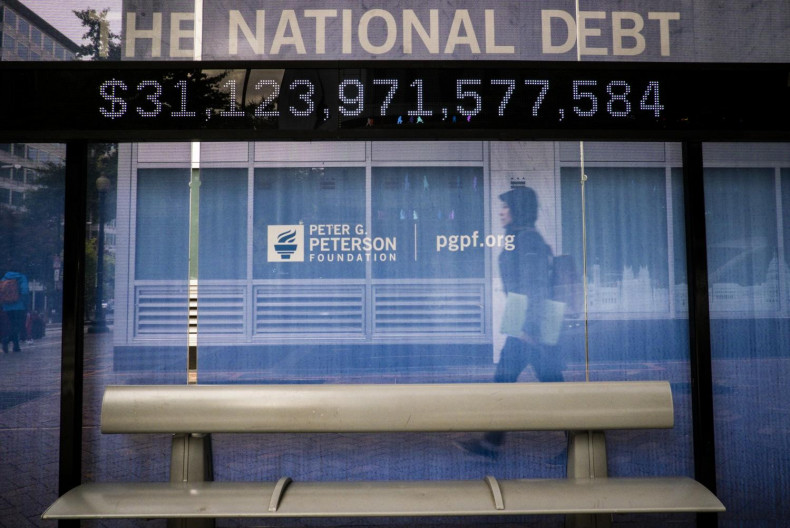
» As developing countries confront a new era of elevated inflation, rising interest rates, a stronger dollar, and capital outflows, some governments stand to benefit from a little-noticed bonanza. During the "Great Moderation" that preceded the Covid-19 pandemic, years of low inflation led to the growth of sovereign debt issued at fixed interest rates and long maturities. Now, two years of unexpected inflation in the United States have effectively diluted this debt.
How to prevent developing country debt crises
Oped, Hippolyte Fofack, Published on 05/08/2022
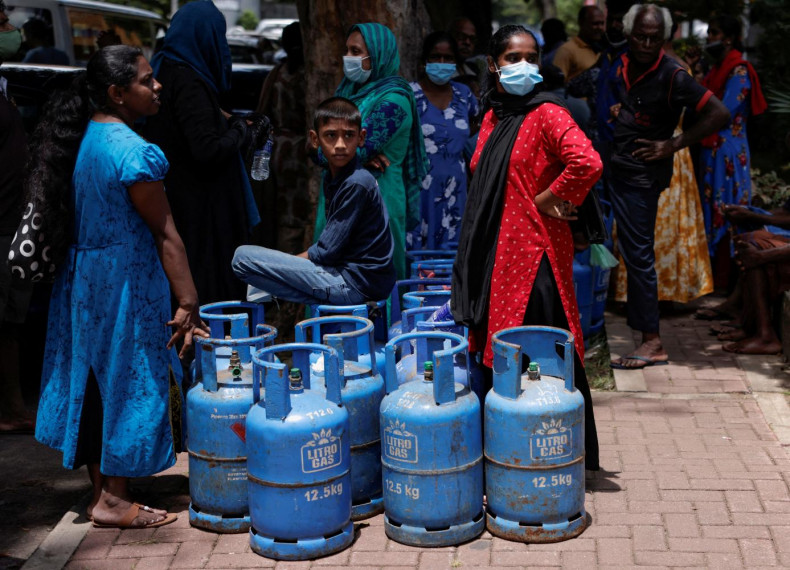
» Since the Latin American debt crisis of the 1980s, sovereign-debt crises have become a regular occurrence for emerging and developing economies. Today, Sri Lanka needs a bailout from the International Monetary Fund (IMF) after defaulting on its foreign debt in May, and a growing number of low-income countries are facing similar challenges.