




Showing 1 - 10 of 2,848
Hormuz crisis reveals energy resilience gap
News, Laura Carvalho, Published on 18/04/2026
» The closure of the Strait of Hormuz has triggered what the International Monetary Fund calls a "global yet asymmetric" rupture, disrupting the flow of roughly one-quarter of oil, one-fifth of liquefied natural gas, and one-third of fertiliser supplies. Energy and fertiliser prices have risen, supply chains have rerouted, and financial conditions have tightened unevenly around the world.
Chinese economy turns a corner
News, Stephen Jen, Published on 18/04/2026
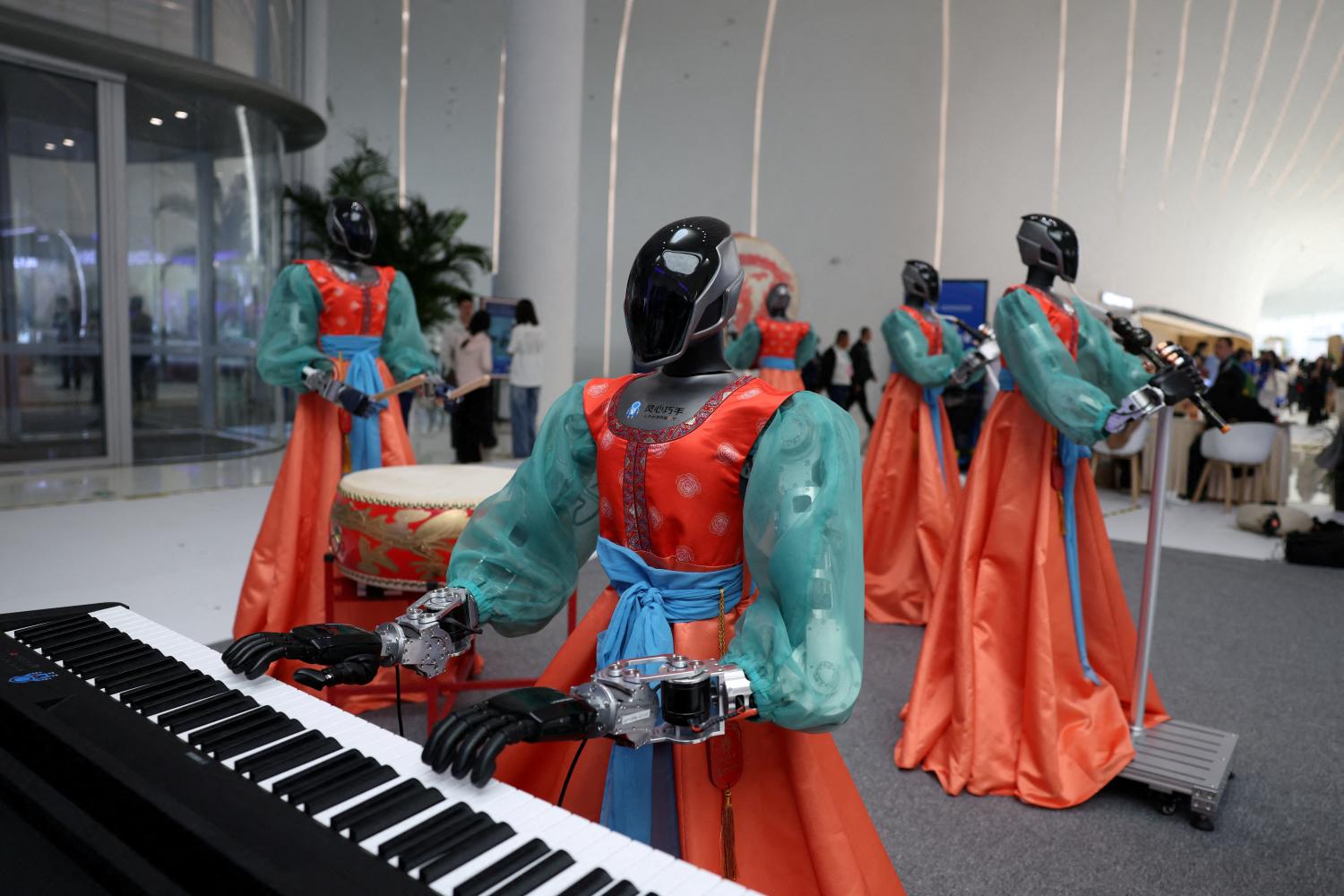
» China has turned a corner, finally. Five years after Beijing began cracking down on its bloated property sector, its economy is now on a much more sustainable path anchored in high-quality growth -- and the correction has left far fewer scars than many feared.

When will the IMF ever learn?
Oped, Timothy Kaldas, Published on 16/04/2026
» This year's International Monetary Fund Spring Meetings come at a time of heightened economic uncertainty and intense scrutiny of the institution's capabilities and approach. Critics on the left argue that the IMF imposes regressive austerity measures on borrowers, exacerbating poverty, hampering economic growth, and undermining their ability to achieve debt sustainability. On the right, US President Donald Trump's administration has accused the IMF of "mission creep," claiming that it has strayed from its core mandate of maintaining macroeconomic stability.
Oil shock risks wider chain reaction
Oped, Chartchai Parasuk, Published on 16/04/2026
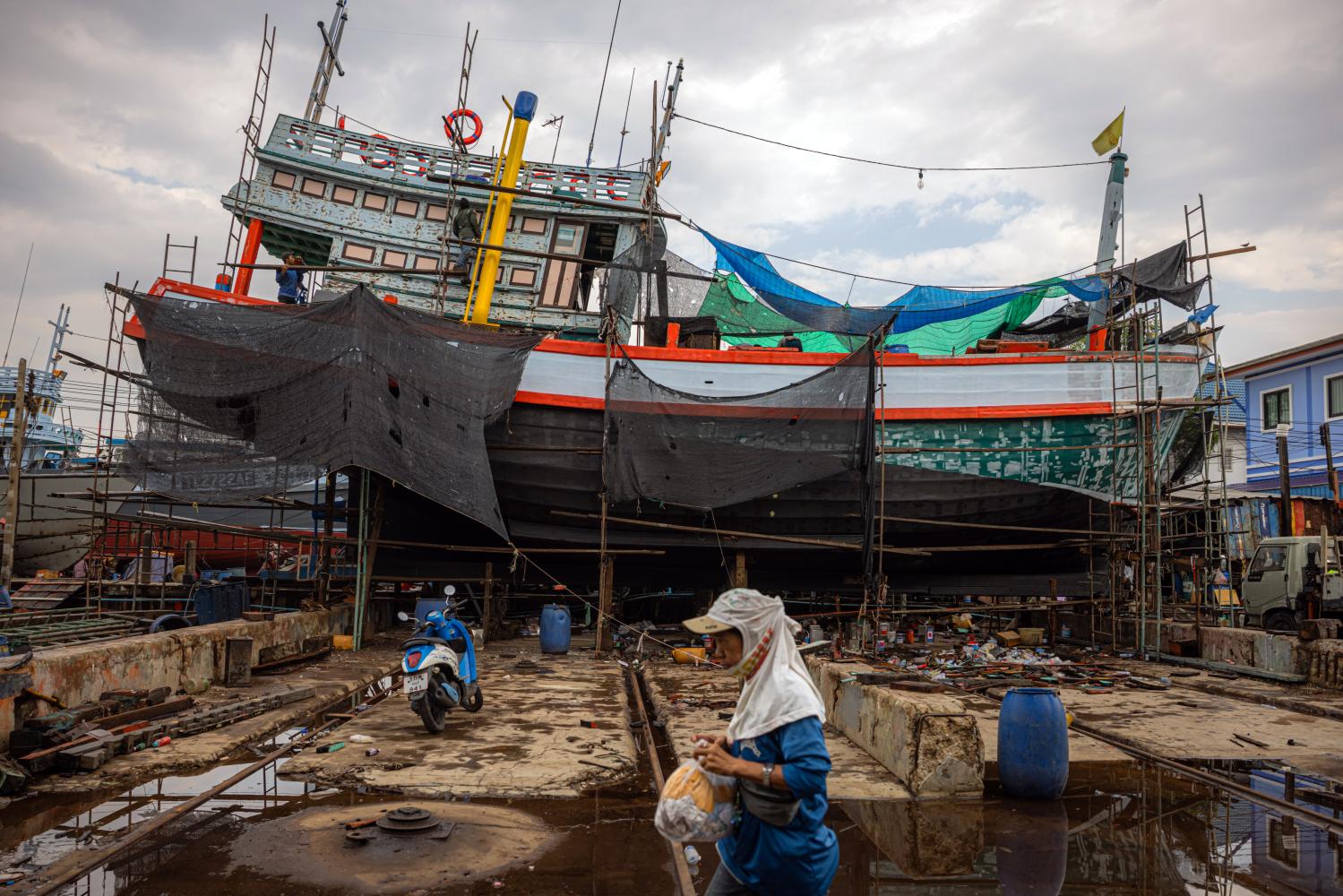
» There is no such thing as a free lunch. When global oil prices rise sharply, as they are doing now, someone must bear the cost. Some countries choose to absorb it through government support, as in Japan, while others pass the burden on to consumers, as in Thailand. Neither approach is inherently right or wrong; each carries different economic consequences. Policymakers must decide which set of outcomes is more acceptable and act accordingly.
China's water security ambitions
News, Amit Ranjan and Genevieve Donnellon-May, Published on 15/04/2026
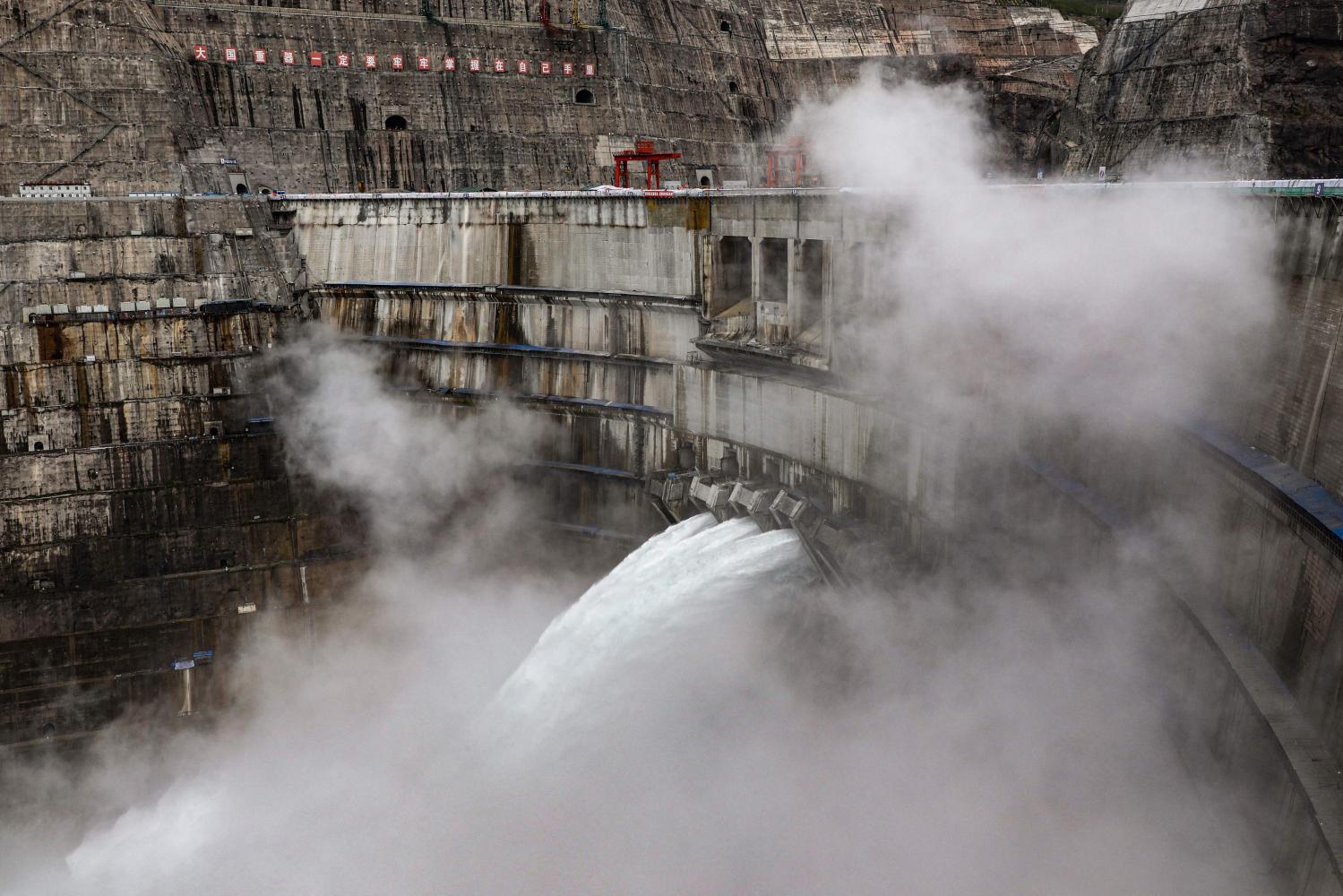
» China holds only 6% of the world's fresh water, which supports nearly 20% of the global population and generates over 18% of global gross domestic product. The country faces water challenges largely due to water quality concerns and significant spatio-temporal imbalances.

Sins of the amulet trade
News, Editorial, Published on 15/04/2026
» The disturbing report of a decapitated dugong is gruesome. To calm public anger, Environment Minister Suchart Chomklin has offered a 50,000-baht bounty for clues leading to the perpetrators, who are believed to be selling the bones and carcasses in the amulet market.
Projecting hope for a world in turmoil
Oped, Vitit Muntarbhorn, Published on 10/04/2026
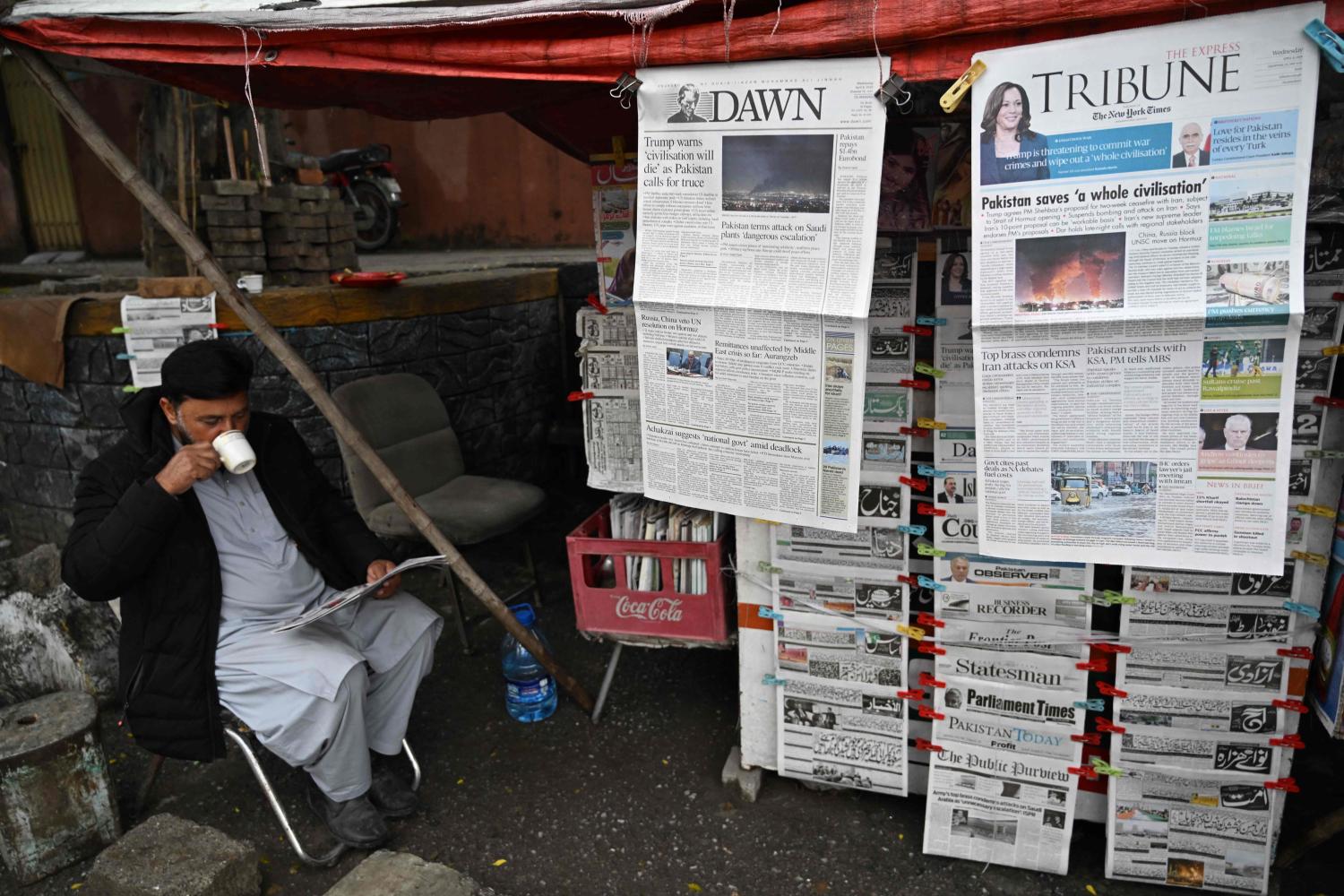
» Today, the world is witnessing the most explosive situation since World War II, all too visible in conflicts such as the Iran war.

It's a revenue grab
Oped, Postbag, Published on 09/04/2026
» Re: "Thailand plans mandatory accident insurance for foreign visitors", (Business, April 8).
Asean banks face climate pressure
Oped, Rachel Ho, Published on 08/04/2026
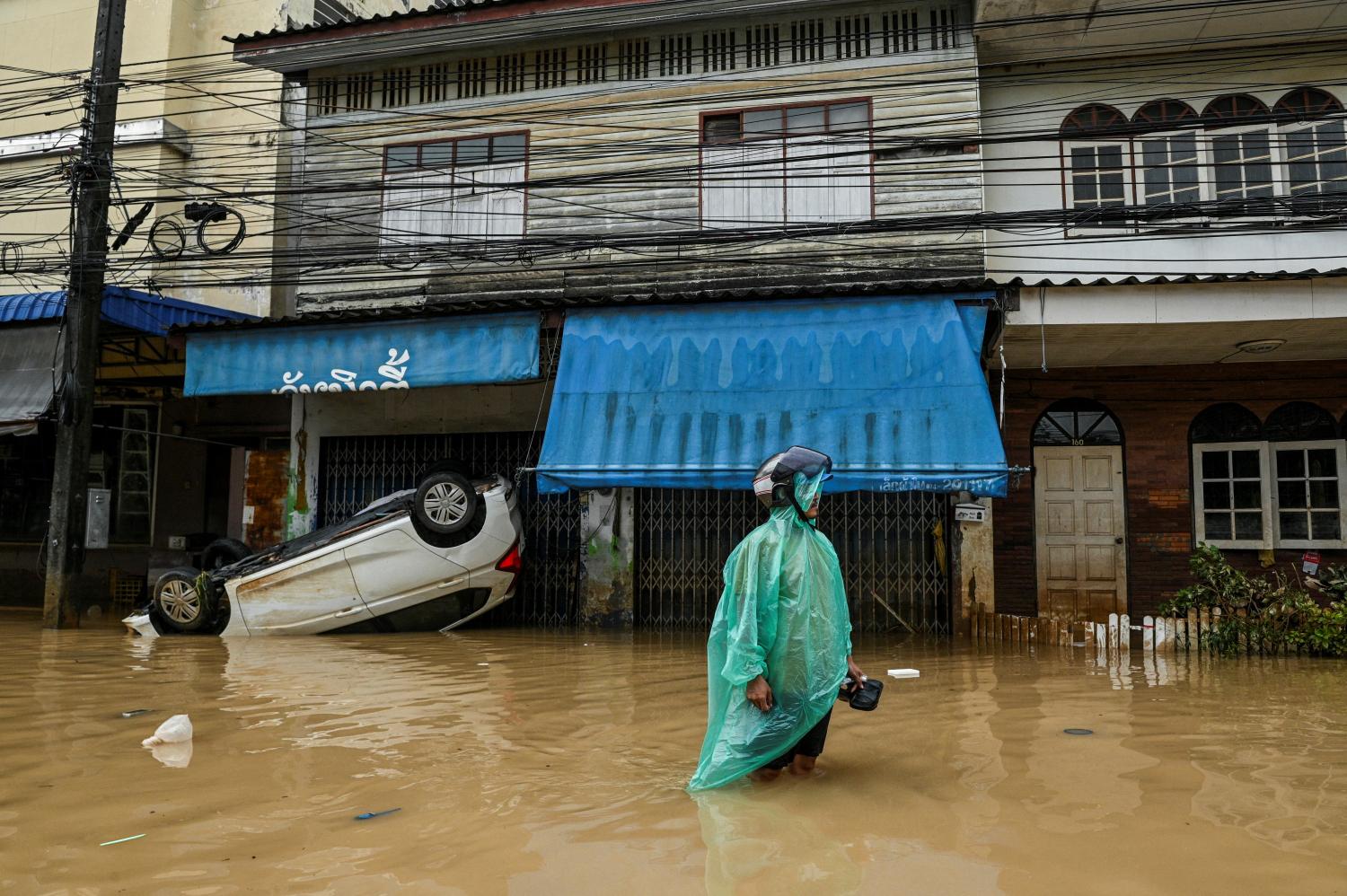
» The global oil and gas crisis is worsening. Amid the Middle East war, the central banks of countries in Southeast Asia must address a perfect storm of rising fuel prices, cost-of-living pressures, and worsening impacts of climate disasters.
Conflicts of interest worsen crisis
News, Veera Prateepchaikul, Published on 06/04/2026
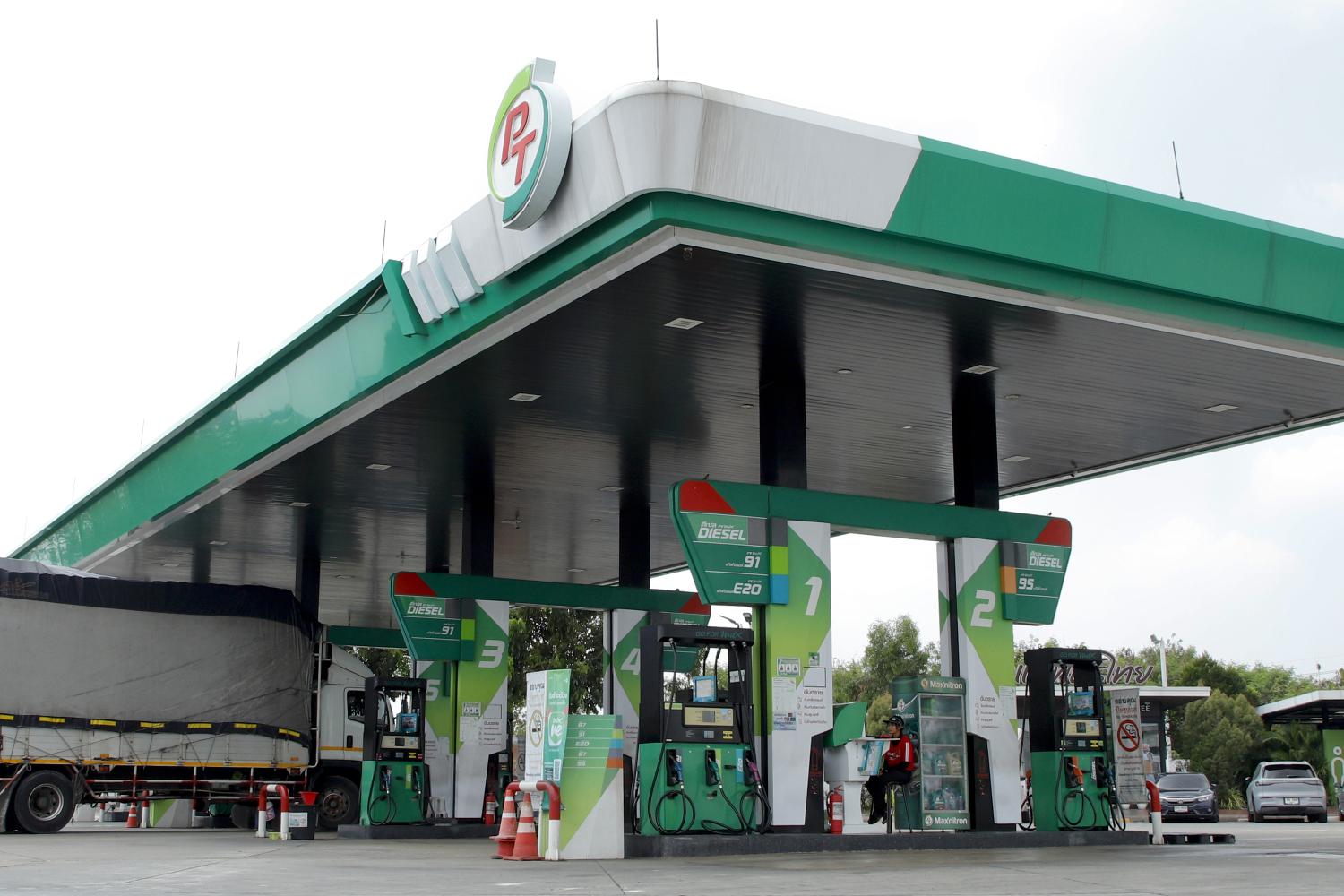
» Transport Minister Phiphat Ratchakitprakarn's resignation as head of the committee handling the oil crisis caused by the war in the Middle East has spared him from public criticism over a potential conflict of interest linked to his family's oil trading business.