




Showing 1 - 10 of 129

Policy options for an overvalued baht
Oped, Chartchai Parasuk, Published on 25/12/2025
» This is the last article of 2025. I have to thank readers for following my articles throughout the years. I believe I wrote my first article for the Bangkok Post in January 2020. So, it has been a five-year collaboration with the paper. Thank you, Bangkok Post.
Building an energy resilient bloc
Oped, Fajar Ikhsandy, Ignatius Primadi Limin, Mahila Shabira, Weilie Winaldy Sugianlie, Published on 11/11/2025
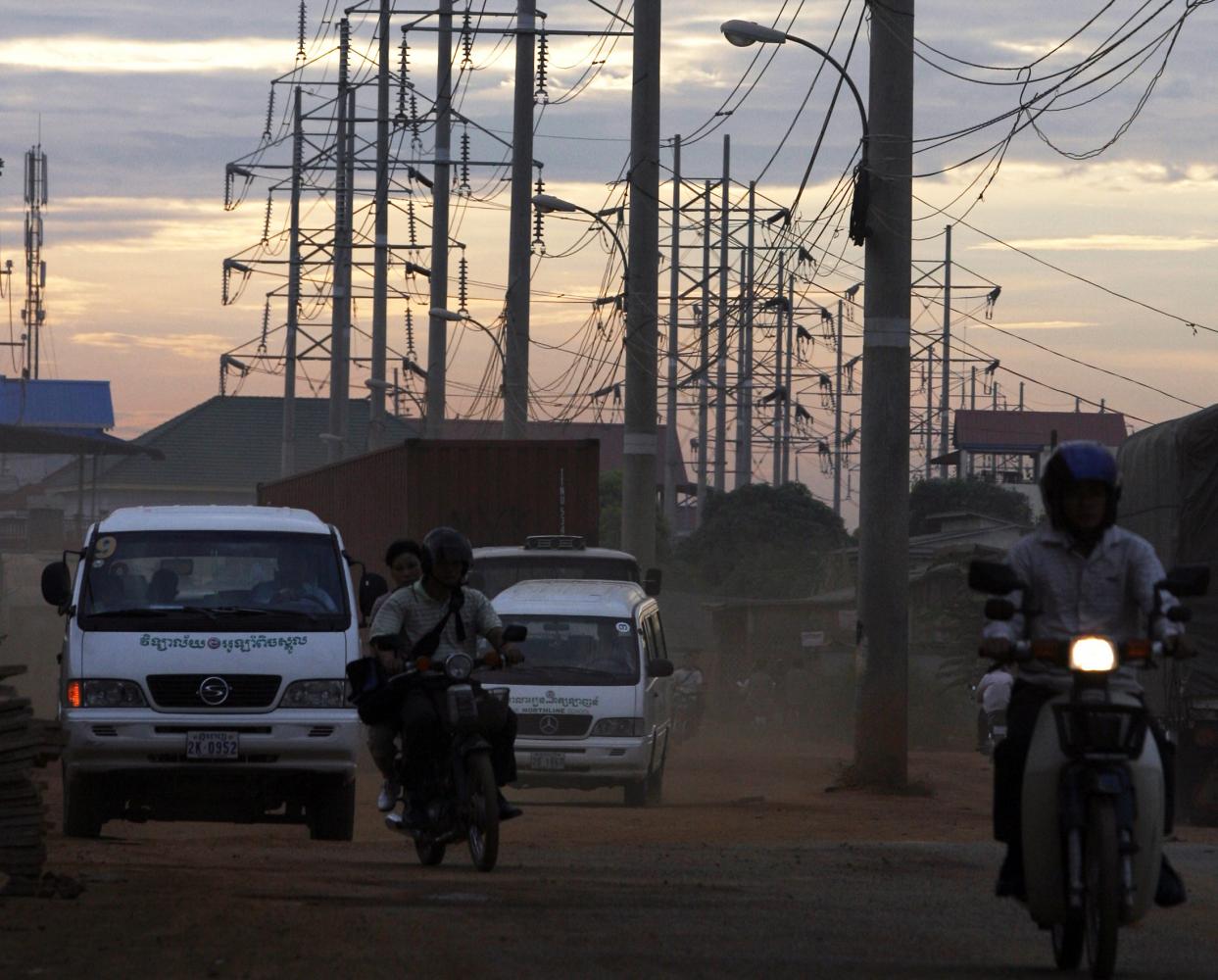
» According to our latest projection, electricity demand in Asean will reach around 173 million tonnes of oil equivalent (Mtoe), or about 2,000 terawatt-hour (TWh), in 2050 -- roughly 1.6 times higher than the 2023 level.

Addicted to 'ya dom'
Oped, Postbag, Published on 06/11/2025
» Re: "Inhaler fuss 'a lesson'", (Opinion, Nov 3).
Plot twist in Asia's energy story
Oped, Lidy Nacpil, Published on 18/09/2025
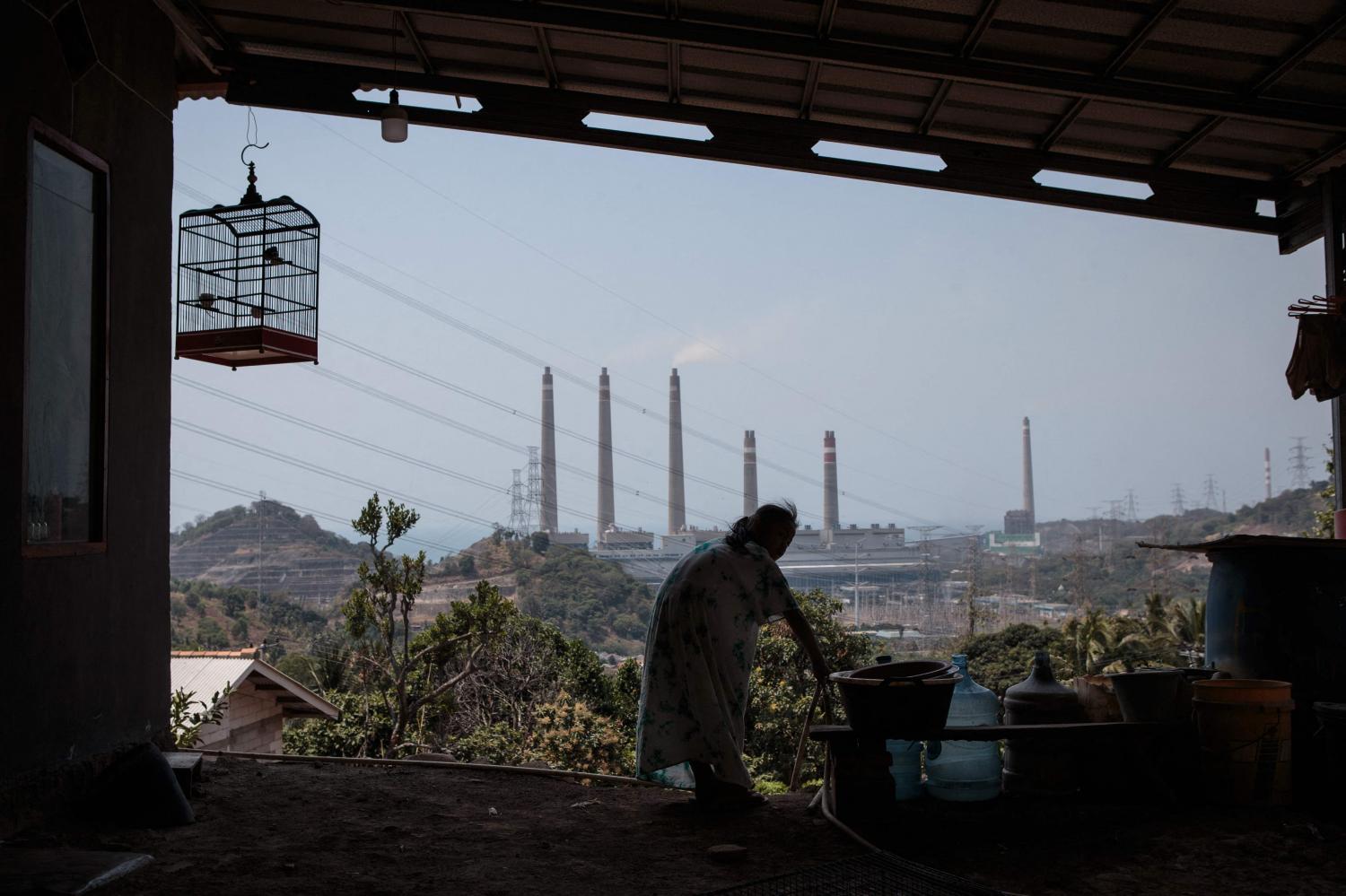
» Asia's energy story is one of persistent energy poverty, while communities grapple with the health, climate, and economic impacts of fossil fuels. The rise of renewables may prove to be a transformative plot twist in the making. Asia's shift to renewable energy is already underway, and progressing faster than many realise. From rooftop solar panels in suburban Pakistan, to vast offshore wind farms along China's coast, to utility-scale projects electrifying farms in Bangladesh, renewable energy is showing potential to redefine energy security across Asia.

Bots in motion
Oped, Postbag, Published on 20/08/2025
» Re: "First-ever humanoid robot games begin in China", (World, Aug 16).

Sustaining healthcare in volatile times
Oped, Vitit Muntarbhorn, Published on 18/08/2025
» Health care is pivotal for human well-being. Yet in today's precarious world, it is pressured by diminishing resources, demographic variables, warfare and violence, and environmental degradation. Sustaining health care thus requires insightful planning and implementation, no less for Thailand and the Association of Southeast Asian Nations (Asean) regions.
India's power sector needs reform
Oped, Arvind Subramanian, Navneeraj Sharma, Abhishek Anand & Praveen Ravi, Published on 06/08/2025
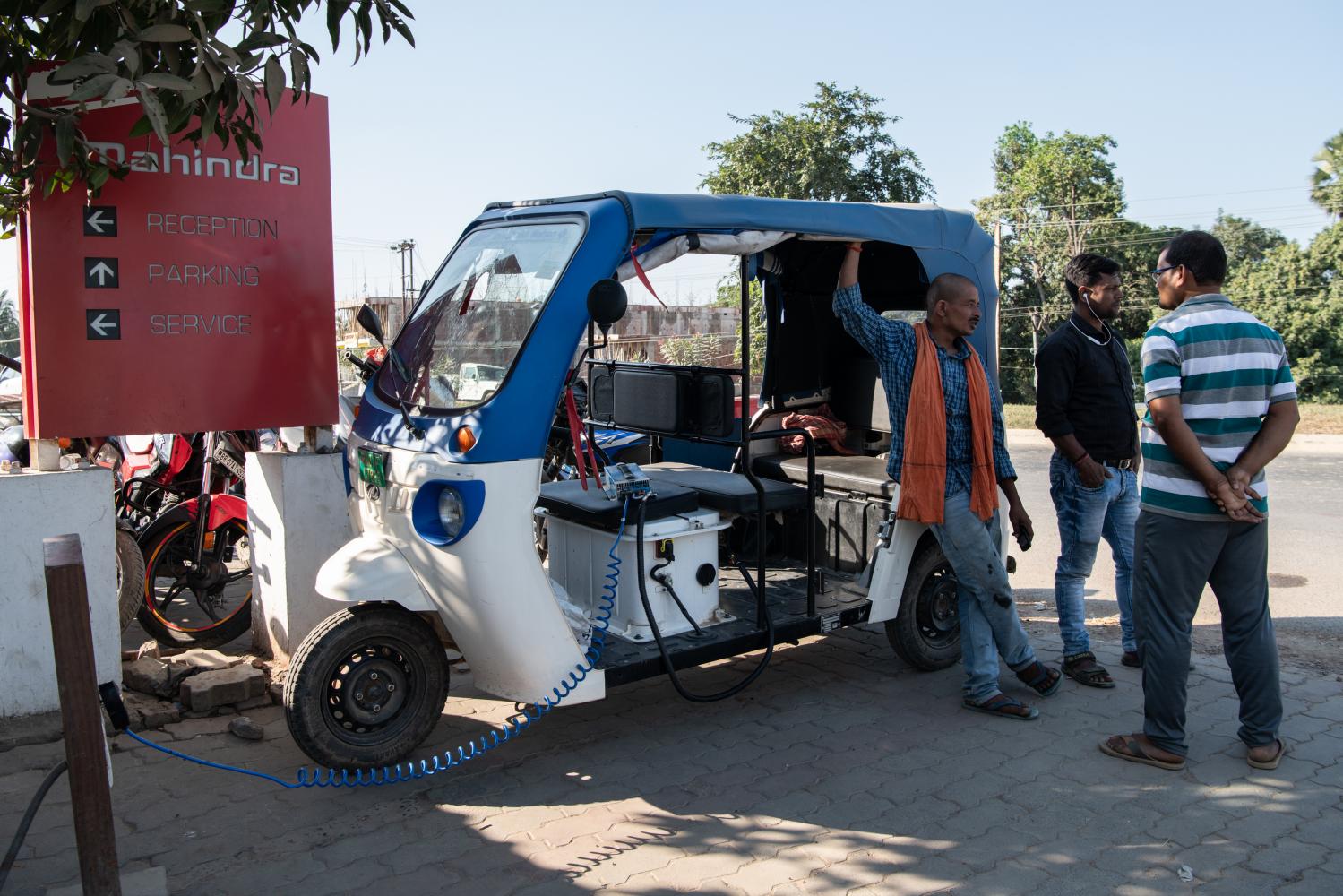
» As the use of energy-guzzling AI grows, the countries that embrace renewables will gain an obvious competitive advantage. And on this front, China has established a substantial lead. According to the Financial Times, the country is on track to source 50% of its power from renewables (mainly solar and wind, but also nuclear, hydro, and battery-storage systems) by 2028.

Stepping up HIV fight
Oped, Editorial, Published on 30/06/2025
» The recent news of Gilead Sciences' groundbreaking new HIV preventative drug, Lenacapavir, offers a beacon of hope in the fight against HIV. With a remarkable 96% efficacy in reducing HIV infection and the convenience of only two injections per year, Lenacapavir holds the potential to be a true game-changer in the global effort to halt the transmission of HIV.

Unlocking Asean's grid for green growth
Oped, Rapeepat Ingkasit, Published on 19/03/2025
» Thailand is taking a significant step towards renewable energy, targeting half of its electricity generation from renewable sources by 2037 under the recently drafted Power Development Plan 2024 (PDP2024).

The world's babies need antibiotics
Oped, Glenda Gray, Published on 28/11/2024
» Over the last half-century, the number of children who die before reaching the age of five has fallen dramatically, from around 20 million in 1960 to 4.9 million in 2022, largely owing to the Expanded Programme on Immunisation (EPI). Established by the World Health Organization (WHO) in 1974, the EPI has been extraordinarily successful in providing the youngest people with access to vaccines, saving more than 150 million lives. But while such progress is worthy of celebration, there is still much work to do, because newborns comprise half of all deaths in children under five each year, many of which are caused by infection.