




Showing 1 - 10 of 1,090
Can alliances with the US be replaced?
Oped, Kavi Chongkittavorn, Published on 07/04/2026
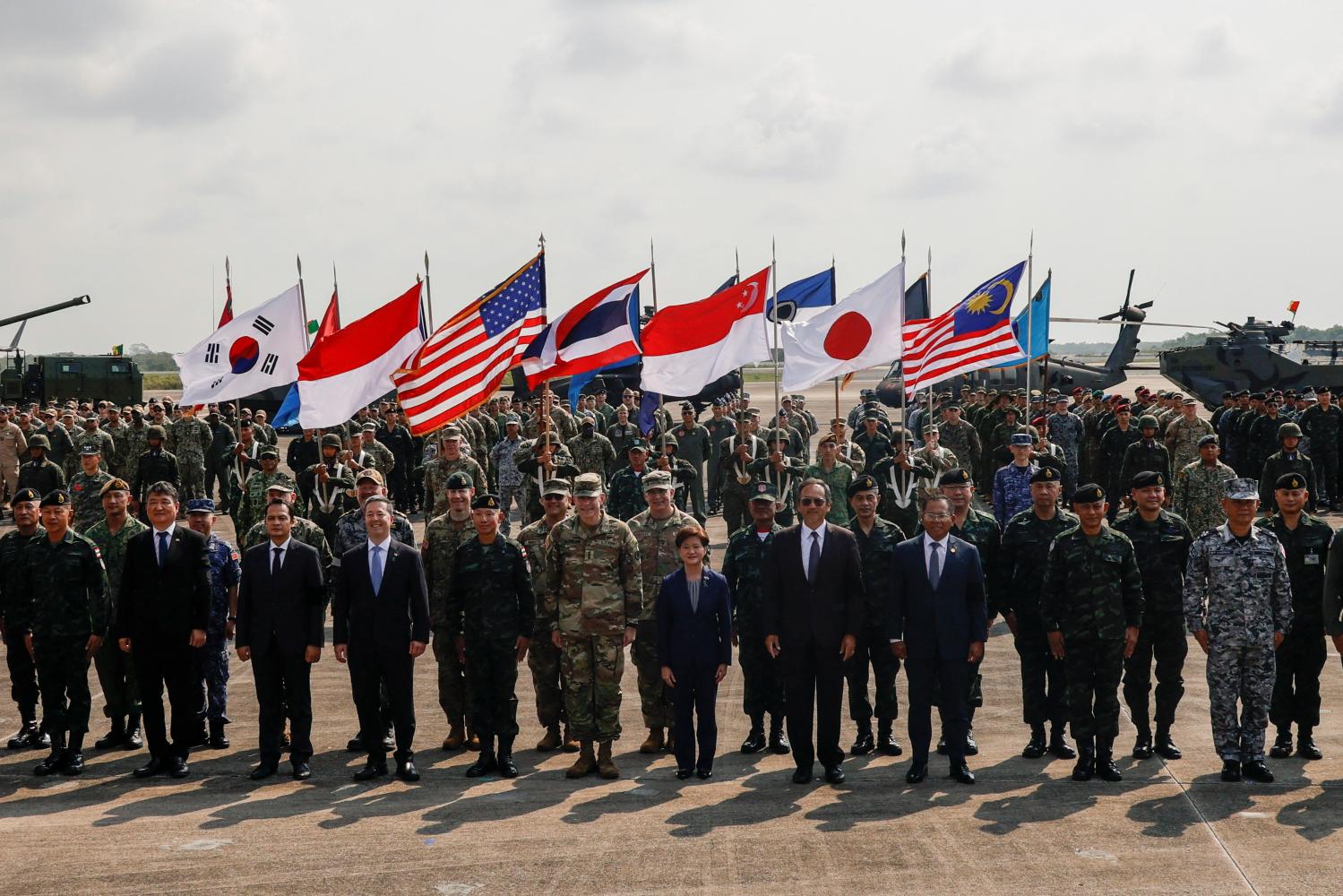
» The increasingly loud debate over the future of alliances -- after reports that the US could scale back or even withdraw from Nato -- is nerve-racking. It has caused alarm across Europe and in Southeast Asia, another node of the US alliance network. Even without any official decision, remarks by US President Donald Trump on social media were enough to shake already fragile US alliances. The question now frequently asked by Thai policymakers is: What comes next if alliances weaken?

Try that again
Postbag, Published on 06/04/2026
» Re: "Government urged to sue errant oil refiners", (BP, April 5).

Co-pay scheme misses mark
Editorial, Published on 05/04/2026
» A newly elected government following through on its campaign promises is usually a cause for praise. However, the Anutin Charnvirakul administration's vow to resurrect its flagship "Khon La Khrueng Plus" or Half-and-Half co-payment scheme is instead being met with trepidation.

Save Dutch embassy
Postbag, Published on 04/04/2026
» Re: "City's green spaces losing ground", (Opinion, March 30).
Asean's energy security at risk
Oped, Ma. Theresa P. Lazaro, Published on 26/03/2026
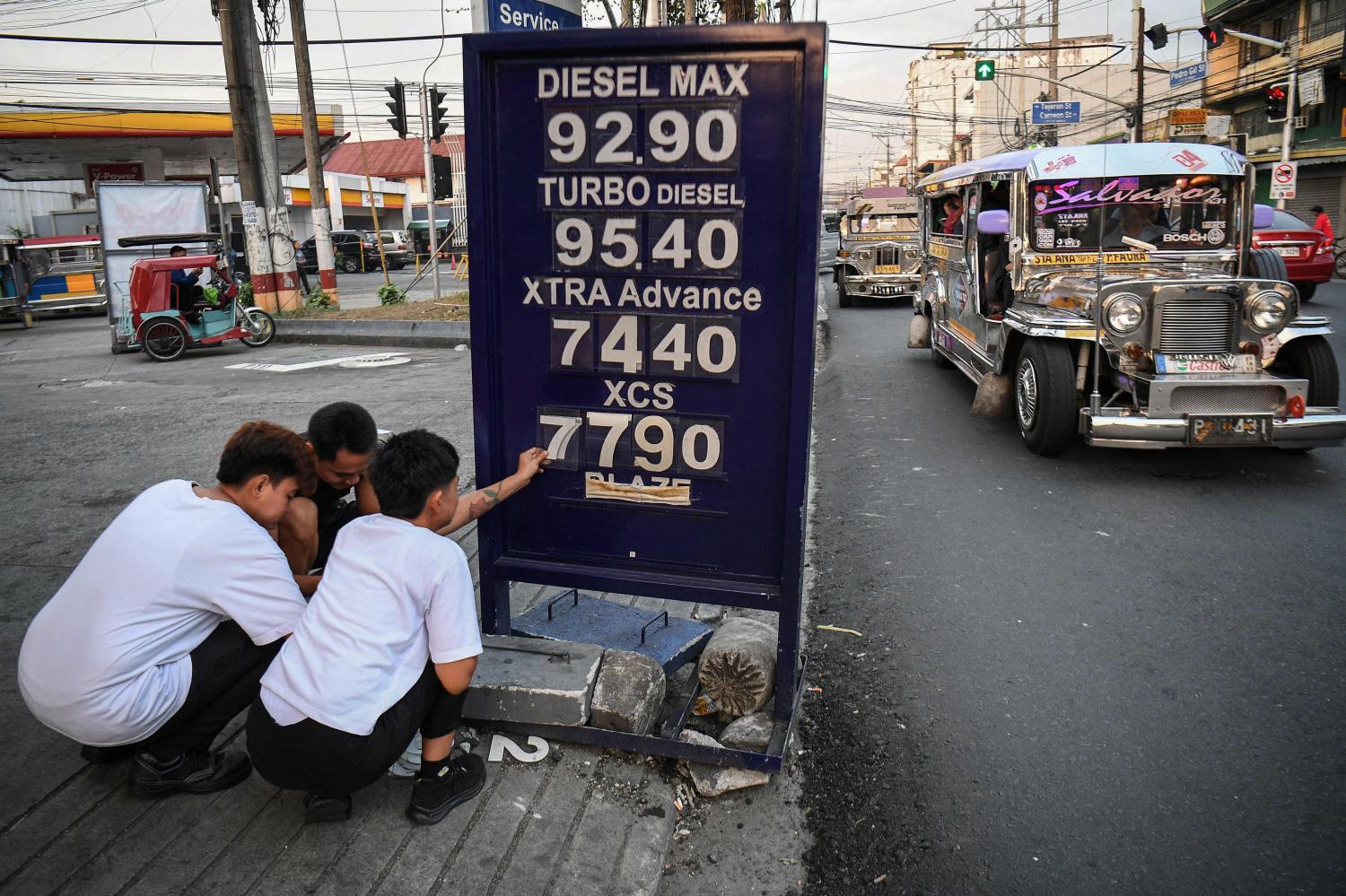
» In June 1986, the five founding members of the Association of Southeast Asian Nations (Asean) assembled in Manila to discuss Asean's response to the global energy crisis, which began with the Iranian Revolution in late 1978.
Trump facing headwinds as midterms loom
News, Takashi Imamura, Published on 23/03/2026
» The United States' Supreme Court has ruled that the core of the "Trump tariffs" is illegal.
Impacts of Iran war on Southeast Asia
Oped, Thitinan Pongsudhirak, Published on 20/03/2026
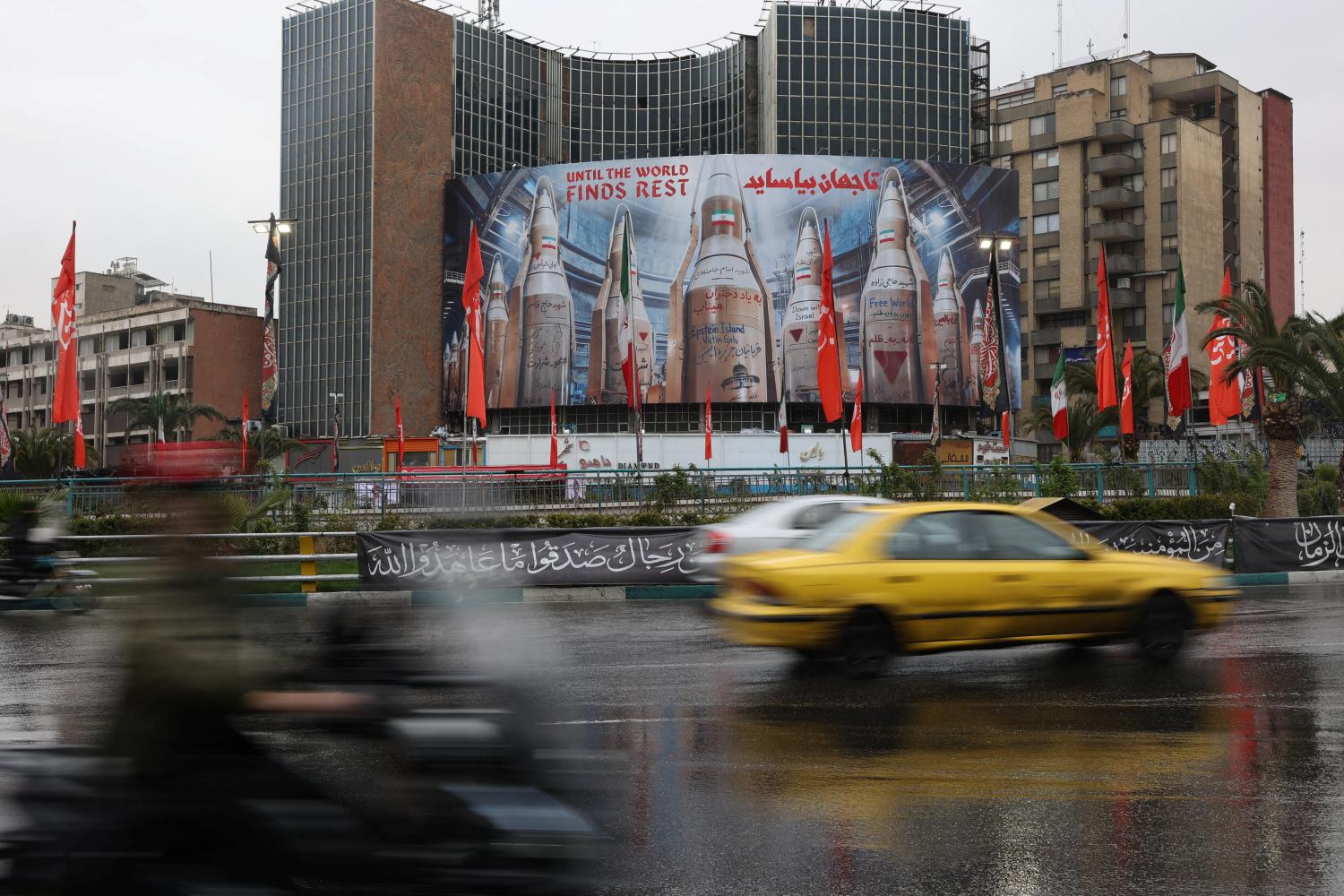
» For the most part, Southeast Asia as a region has taken a neutral stance toward the joint attack between the United States and Israel against the Islamic Republic of Iran. Even the Philippines and Thailand, two formal US treaty allies, have distanced themselves, calling for restraint and de-escalation.

Unflattering comparison
Postbag, Published on 15/03/2026
» Re: "Potus again presses Congress on voter bill", (World, March 10).
Preparing for AI-enabled bioweapons
Oped, Sania Nishtar, Published on 11/03/2026
» We don't know when the next epidemic or pandemic will hit, or where the next infectious threat will emerge. But we do know that the nature of the threat is constantly evolving. One of the most sobering takeaways from this year's Munich Security Conference was that AI-enabled gene editing has radically lowered the barrier to developing genetically engineered bioweapons. We must prepare to live with even deeper uncertainty about whether emerging infectious threats are natural or man-made, and whether they have been accidentally or deliberately released.

Give BMA cooling centres a chance
Editorial, Published on 08/03/2026
» The Bangkok Metropolitan Administration's (BMA) initiative providing air-conditioned "cooling centres" may be met with a degree of scepticism but the initiative is an undeniably novel and humane response for a city increasingly pushed to its limits by climate risks -- marked by long summers and more frequent extreme heat events.