




Showing 1 - 10 of 1,943
Gulf states tell US ending the war is not enough
Oped, Samia Nakhoul, Published on 31/03/2026
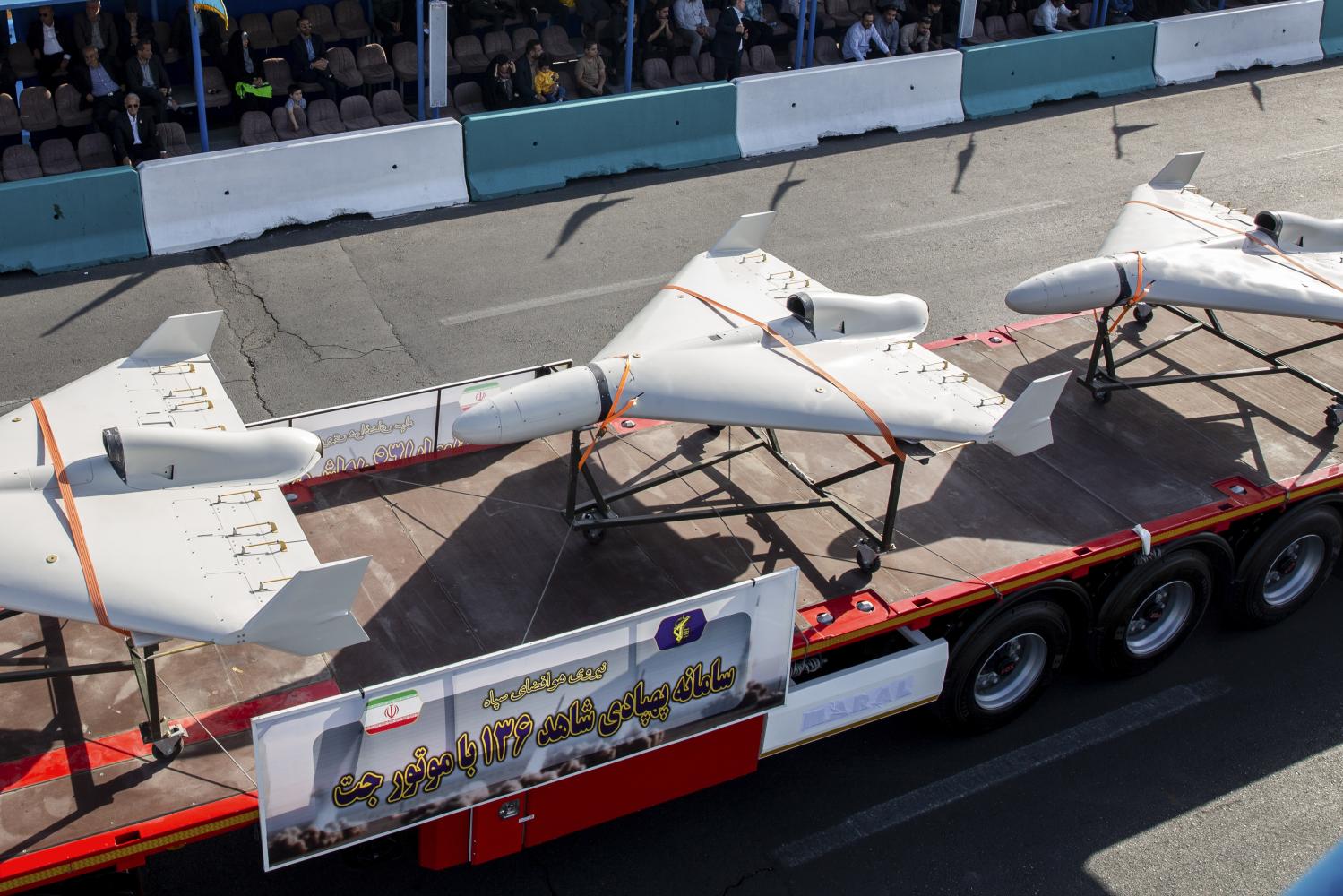
» Gulf Arab states are telling the US that any deal with Tehran should do more than end the war, and must permanently curb Iran's missile and drone capabilities and ensure global energy supplies are never again "weaponised", four Gulf sources said.
The silent engines of Asean realism
Oped, Imran Khalid, Published on 30/03/2026
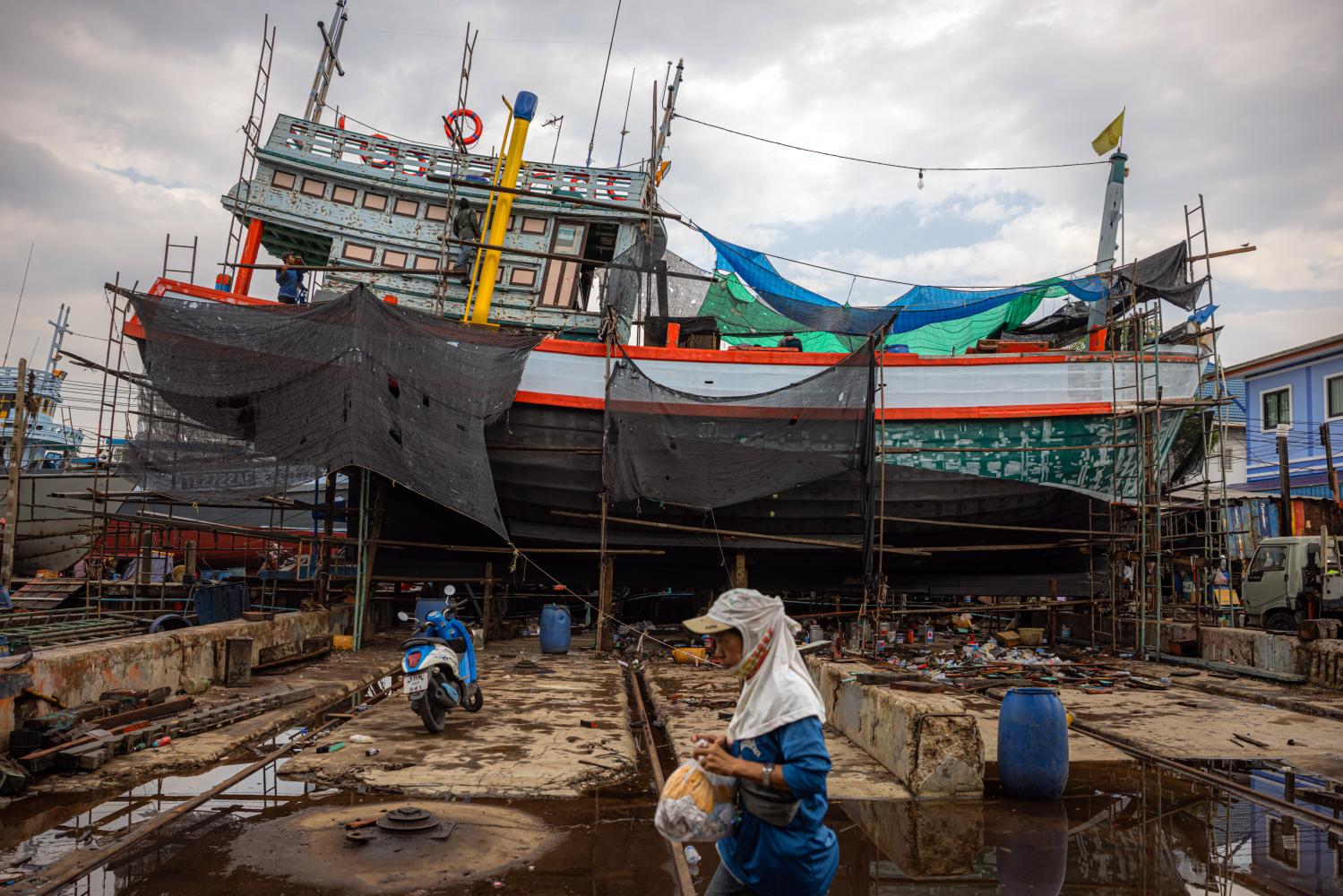
» The global economy is currently tackling what may be the most significant energy disruption since the 1970s. The effective throttling of the Strait of Hormuz -- now seeded with Iranian Maham mines and subject to a tense, IRGC-monitored tolling system -- has physically severed the energy arteries that sustain the industrial heart of Southeast Asia.
False promises no solution to empty pockets
Oped, Saritdet Marukatat, Published on 30/03/2026
» Thailand has returned to a painful reality under a new government still fresh from the political rhetoric bandied about during the election campaign.
Iran war exposes Thai energy fragility
News, Sutthipath Kanittakul, Published on 28/03/2026
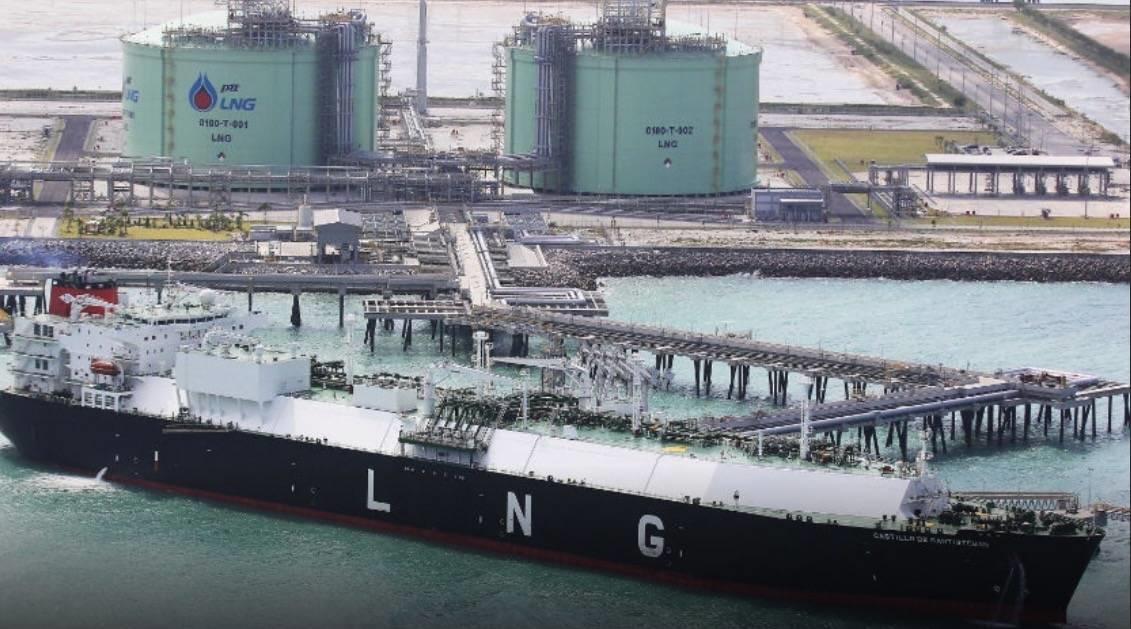
» The ongoing war in the Middle East is exposing a critical vulnerability in Thailand's energy system -- its heavy dependence on imported liquefied natural gas (LNG).

Education rethink
Oped, Postbag, Published on 27/03/2026
» Re: "Social Security Fund reform 'urgent' as society ages", (BP, March 25).
Trump goes off-script, US gone rogue
Oped, Thitinan Pongsudhirak, Published on 27/03/2026
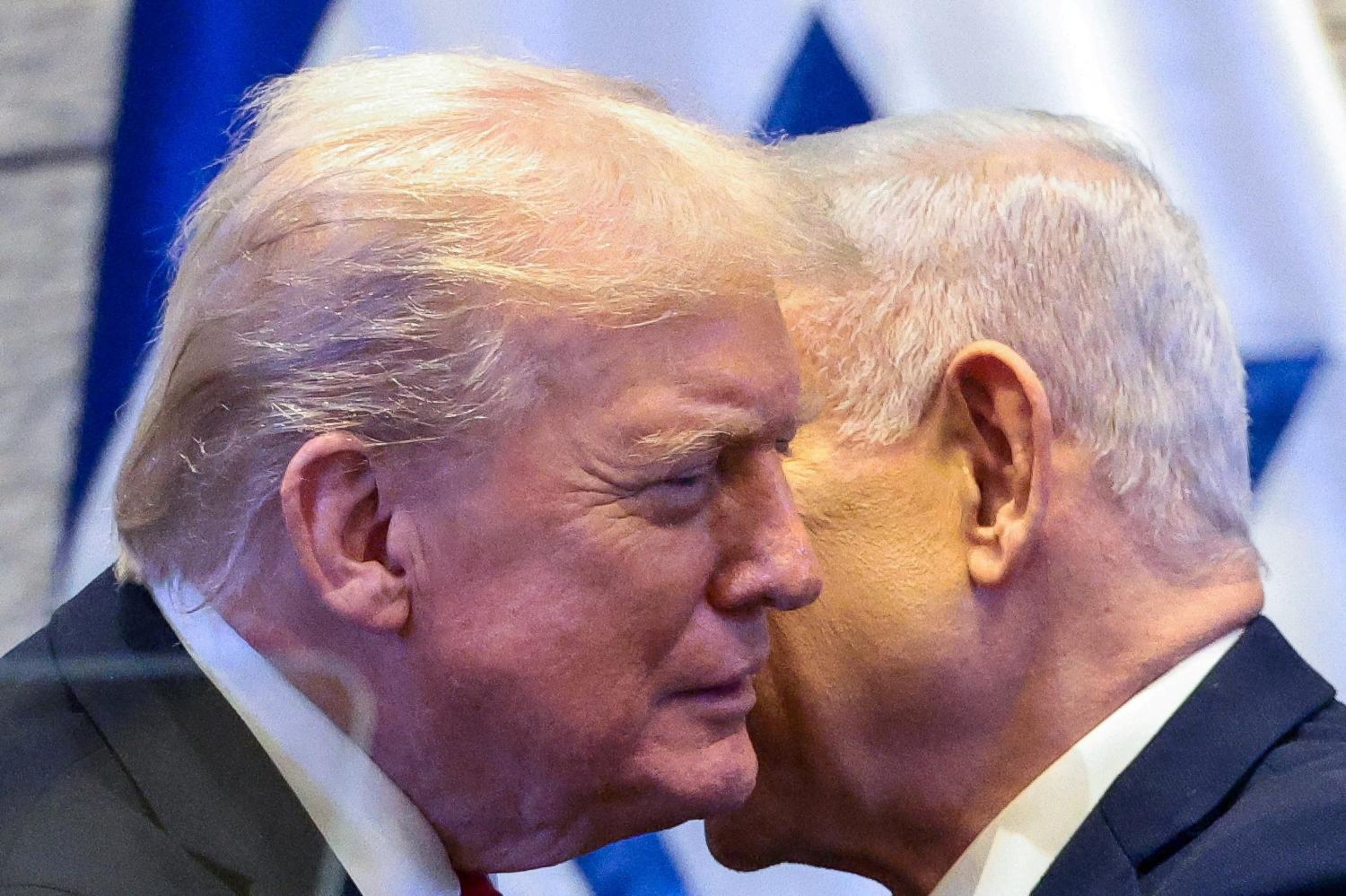
» It was not supposed to work like this. "America First" and "Make America Great Again" (MAGA) were supposed to be about an inward turn to repair, replenish and rebuild an externally overstretched and internally weakened country, weighed down by unnecessary global entanglements, unsustainable national debt, and unimpeded mass migration. It seemed for a time that the MAGA movement to prioritise America above and beyond the international system and its constituent parts had found its final prophet in President Donald J Trump. But now, somehow, President Trump has betrayed the movement that has carried him to office by waging a disastrous war on Iran in cooperation with Israel.
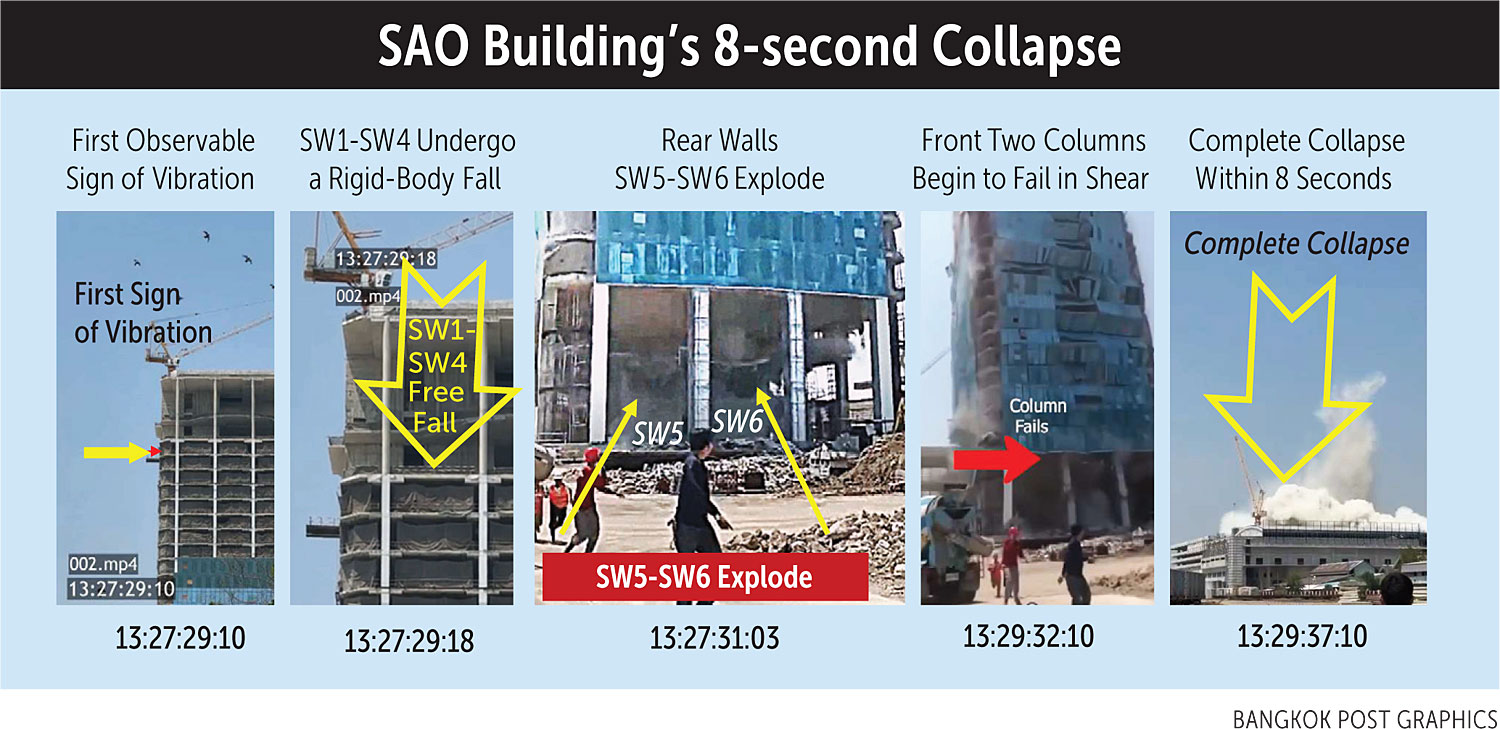
State Audit Office collapse still demands answers
Oped, Worsak Kanok-Nukulchai, Published on 27/03/2026
» One year has passed since the collapse of the State Audit Office (SAO) building -- a broad-daylight engineering tragedy that shocked Thailand and, through countless video clips shared online, much of the world. The images were unforgettable: a high-rise sinking almost straight down and ending as a flattened stack of debris within seconds.

Thailand's food industry talent gap
Oped, Napapop Thongraya, Published on 25/03/2026
» Thailand has aspired to be the "kitchen of the world". But who will do the cooking when the food scientists are overworked, underpaid, and fewer young people want to study food science in the first place?
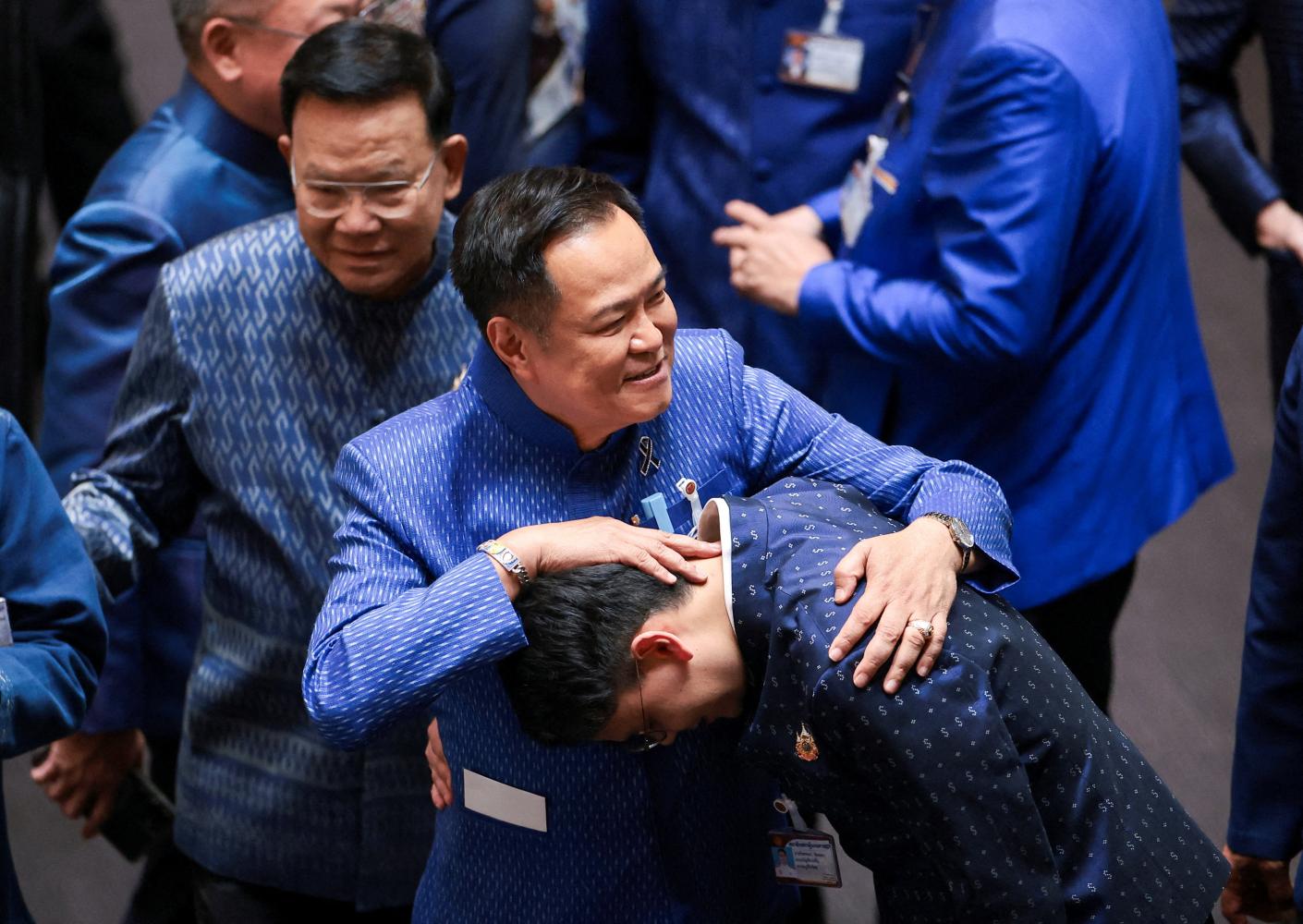
Bhumjaithai's rise casts shadow over watchdogs
News, Chairith Yonpiam, Published on 21/03/2026
» Following parliament's decisive vote for a new prime minister, Bhumjaithai Party (BJT) leader Anutin Charnvirakul is making a triumphant comeback. He now wields something akin to near-absolute power, having effectively seized control of the country's major political mechanisms and institutions.
'Green China' story hides true energy picture
News, Bjorn Lomborg, Published on 21/03/2026
» Many in the West gaze in awe at China's apparent dominance in green energy.