



Showing 1 - 10 of 3,211

How can we future-proof the global economy?
Oped, Mohamed A El-Erian, Published on 23/04/2026
» An uncomfortable reality is becoming increasingly difficult to ignore. The global economy is in a period of "more frequent and violent shocks", as Nobel laureate Michael Spence puts it. Instead of facing isolated and temporary disruptions, we are confronting a structural shift towards unsettling volatility, deepening fragmentation, and a wider dispersion of outcomes for countries, companies, and households. The old world is gone, and virtually everyone risks losing out in the new one. The question is by how much and what to do about it.

Borrowing blindspot
Oped, Postbag, Published on 23/04/2026
» Re: "The question is not borrowing", (InQuote, April 22). Indeed, that is a golden bar of borrowings as expressed simply by our Financial Minister and Deputy Prime Minister, Ekniti Nitithanprapas. If no care is taken on how we spend someone's money once in their hands, then disaster can be expected if accountability in due time to bondholders on how they spend it and follow through is not seriously there.
Chokepoints expose fragility of our global order
Oped, Todd G Buchholz, Published on 22/04/2026
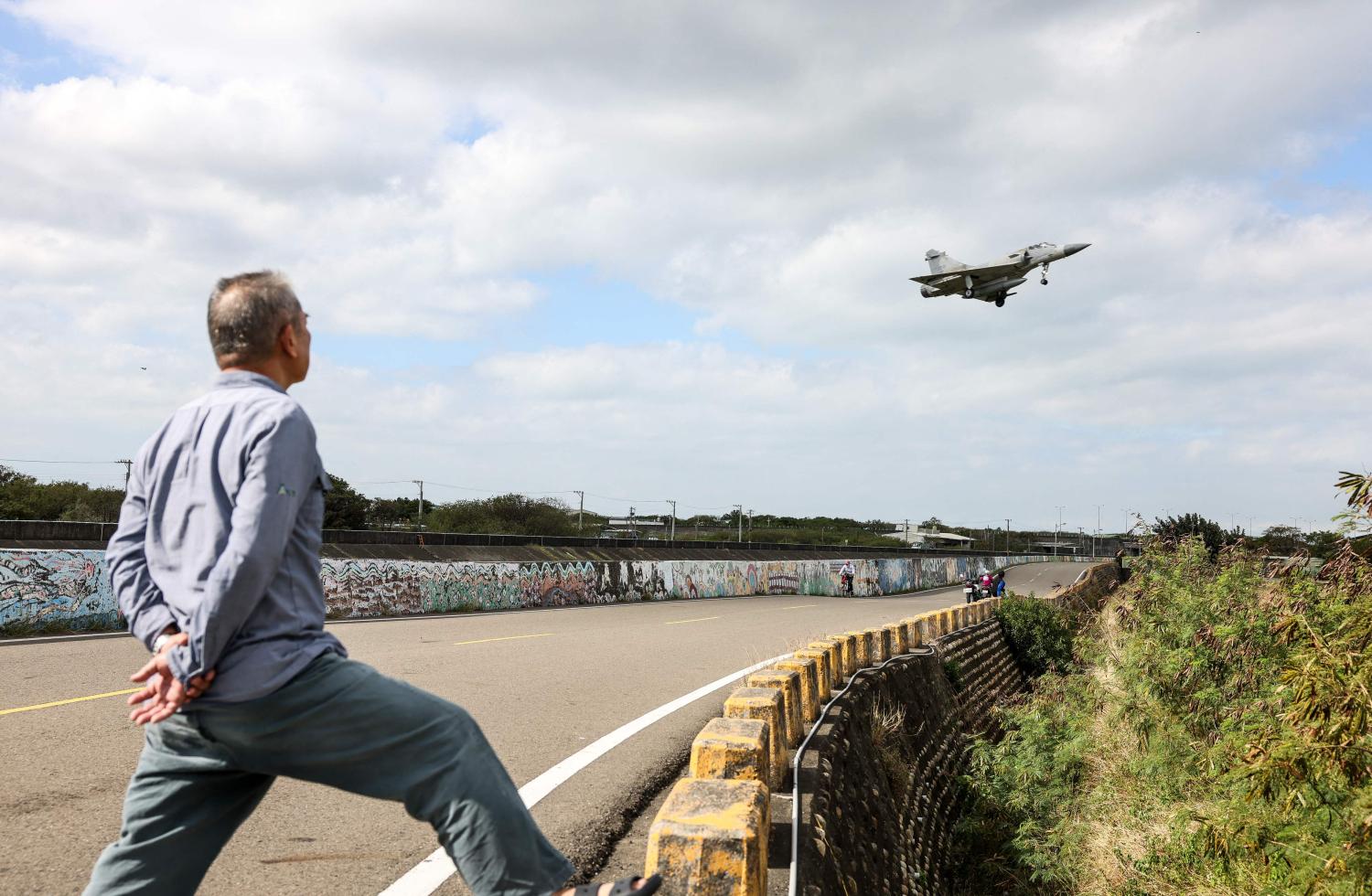
» Most schoolchildren learn that the Earth is roughly 40,000km around. They do not learn that the global economy depends on just 160 of those kilometres.

AI hits academia
Oped, Postbag, Published on 21/04/2026
» Re: "Universities face age shift", (Editorial, April 18).
Opening Hormuz is the easy part, restoring oil flow is not
Reuter's columnist Ron Bousso, Published on 20/04/2026
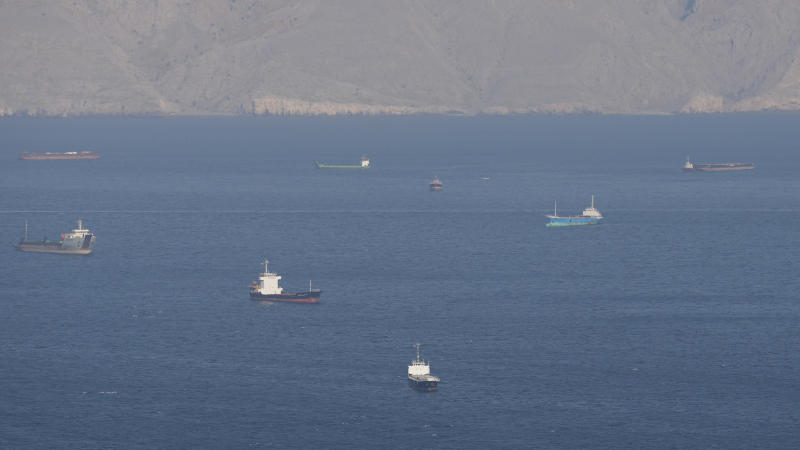
» LONDON - The stop-start shipping traffic through the Strait of Hormuz underscores the profound uncertainty hanging over the world’s most critical oil and gas chokepoint. But one thing is already clear: even if the guns fall silent, flows through the narrow waterway will take months – and possibly years – to recover to pre-war levels.

Universities face age shift
News, Editorial, Published on 18/04/2026
» The Ministry of Higher Education, Science, Research and Innovation (MHESI) is not a coveted portfolio in politics. Political parties have treated this portfolio as a consolation prize and often appoint new politicians to look after the country's higher education affairs.
Hormuz crisis reveals energy resilience gap
News, Laura Carvalho, Published on 18/04/2026
» The closure of the Strait of Hormuz has triggered what the International Monetary Fund calls a "global yet asymmetric" rupture, disrupting the flow of roughly one-quarter of oil, one-fifth of liquefied natural gas, and one-third of fertiliser supplies. Energy and fertiliser prices have risen, supply chains have rerouted, and financial conditions have tightened unevenly around the world.
Chinese economy turns a corner
News, Stephen Jen, Published on 18/04/2026
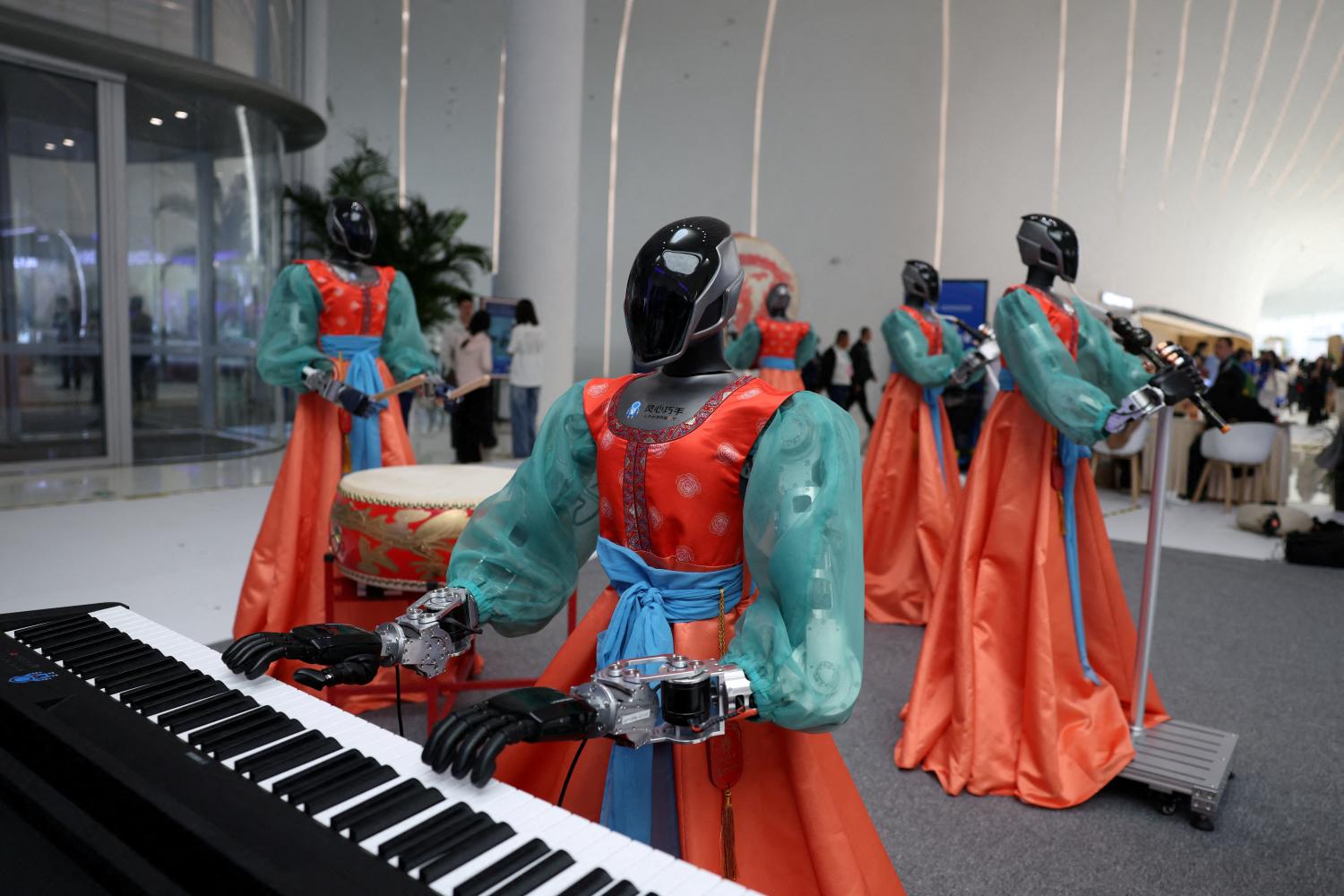
» China has turned a corner, finally. Five years after Beijing began cracking down on its bloated property sector, its economy is now on a much more sustainable path anchored in high-quality growth -- and the correction has left far fewer scars than many feared.
Climate fixation fails world's poor
Oped, Bjorn Lomborg, Published on 17/04/2026
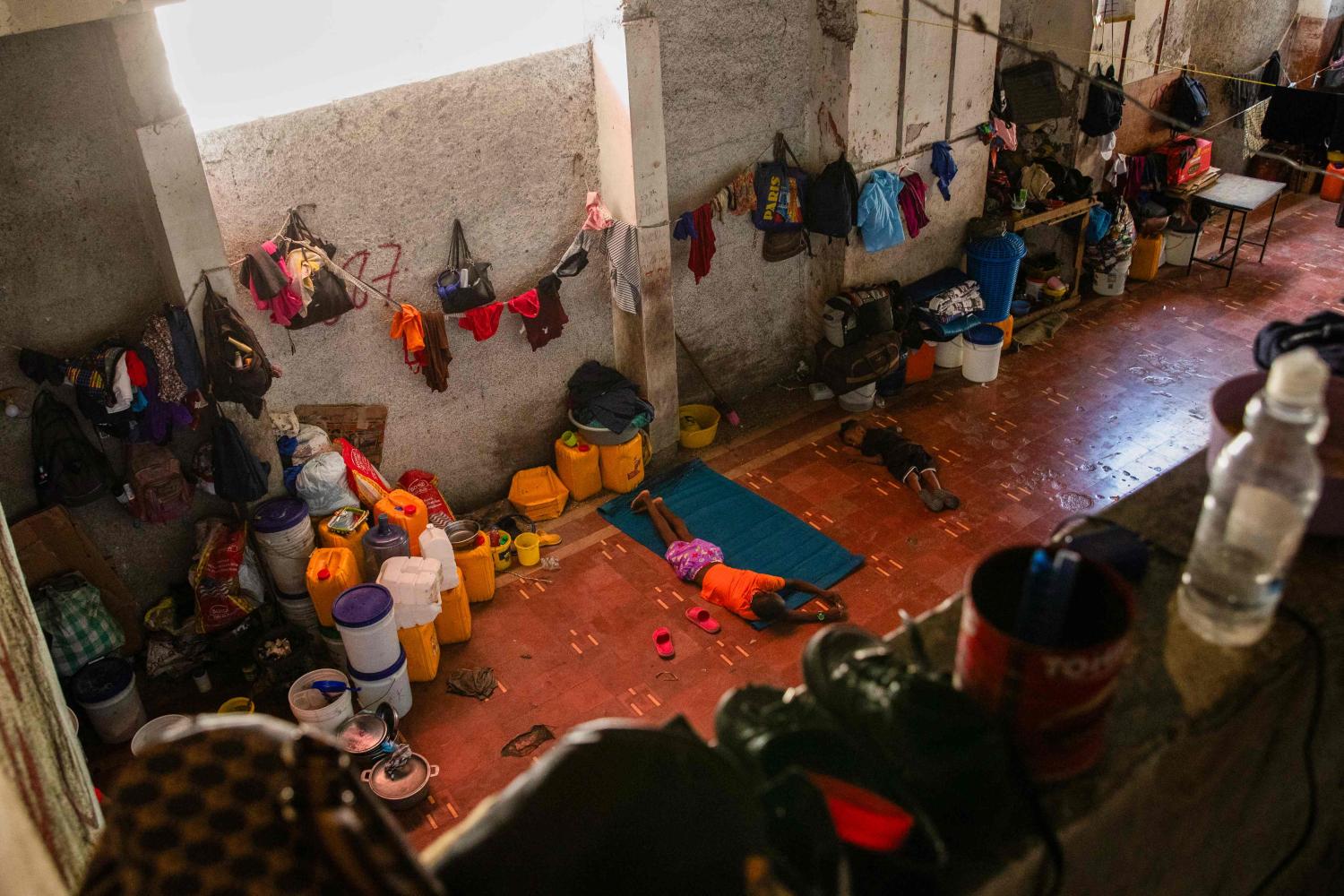
» This week in Washington, more than 10,000 delegates, finance ministers, and central bankers are gathering for the World Bank and IMF Spring Meetings. Their stated goal: accelerate global development, drive economic growth, and lift billions out of poverty.

When will the IMF ever learn?
Oped, Timothy Kaldas, Published on 16/04/2026
» This year's International Monetary Fund Spring Meetings come at a time of heightened economic uncertainty and intense scrutiny of the institution's capabilities and approach. Critics on the left argue that the IMF imposes regressive austerity measures on borrowers, exacerbating poverty, hampering economic growth, and undermining their ability to achieve debt sustainability. On the right, US President Donald Trump's administration has accused the IMF of "mission creep," claiming that it has strayed from its core mandate of maintaining macroeconomic stability.