




Showing 1 - 10 of 1,230

Rethink handouts
Oped, Postbag, Published on 10/04/2026
» Re: "Co-pay scheme misses mark", (Editorial, April 5).

Isoc role under scrutiny
Oped, Editorial, Published on 08/04/2026
» The shooting of Kamolsak Leewama, a list-MP from the Prachachart Party in Narathiwat on March 20, is not just an ordinary criminal case nor political revenge, as the media has widely speculated. Police investigations have revealed shocking evidence linking the gunmen to a national security office operating in the deep South.
Our schools must do more to protect kids
Oped, Karnjana Karnjanatawe, Published on 03/04/2026
» Recent disturbing cases of child sexual abuse again show how our education system has failed to keep children safe at school. The new education minister must prioritise school safety and enforce safeguards to protect the next generation.
The fatal flaw of AI-driven business models
Oped, Joachim Klement, Published on 02/04/2026
» Hundreds of billions of dollars are riding on the assumption that artificial intelligence will be reliable enough for high-stakes work. New research suggests it may never be. The AI tools that power ChatGPT and its rivals -- known as large language models, or LLMs -- are a genuine productivity-enhancing innovation. But they have serious shortcomings, most notably, their tendency to hallucinate, or make things up.

Some shock therapy or slow healing?
Oped, Chartchai Parasuk, Published on 02/04/2026
» Do readers prefer shock therapy or slow healing? This is not a health question, but an important economic one.
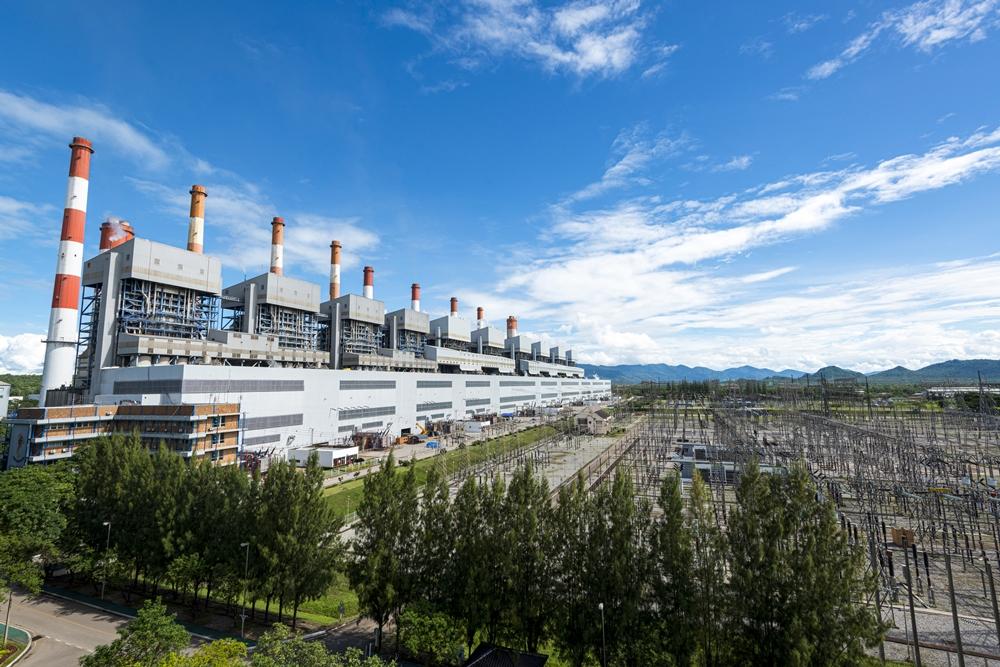
Urgent push for fair climate finance
Oped, Sarinee Achavanuntakul, Published on 01/04/2026
» Ever more visible, the various impacts from climate change are eroding both Thailand's economic competitiveness and the livelihoods of its people: season by season, in heat waves that flatten productivity, floods that swallow farmland, and coastal erosion that is slowly reclaiming communities.

Fuel reform now
Oped, Postbag, Published on 01/04/2026
» Re: "PM apology a good start," (Editorial, March 30).
False promises no solution to empty pockets
Oped, Saritdet Marukatat, Published on 30/03/2026
» Thailand has returned to a painful reality under a new government still fresh from the political rhetoric bandied about during the election campaign.
Selective outrage will not end the war in Iran
Oped, Jayati Ghosh, Published on 27/03/2026
» Few United Nations Security Council resolutions have been as one-sided as its recent condemnation of Iran's "egregious attacks" on regional neighbours such as Bahrain, Qatar, Saudi Arabia, and the United Arab Emirates. Leaving little room for interpretation, it describes those attacks as "a breach of international law and a serious threat to international peace and security".

Education rethink
Oped, Postbag, Published on 27/03/2026
» Re: "Social Security Fund reform 'urgent' as society ages", (BP, March 25).