



Showing 1 - 10 of 684
Countering the fallacy of the buffer zone
Oped, Daoud Kuttab, Published on 10/04/2026
» Territorial buffers rarely, if ever, deliver the peace and security their advocates promise. After the collapse of the USSR, Ukraine was seen as a neutral cordon between Russia and Nato. Instead, it became a zone of increasingly fierce geopolitical contention, followed by open war.
Projecting hope for a world in turmoil
Oped, Vitit Muntarbhorn, Published on 10/04/2026
» Today, the world is witnessing the most explosive situation since World War II, all too visible in conflicts such as the Iran war.
Let's save Chiang Rai's wetlands
Oped, Rungsrit Kanjanavanit, Published on 10/04/2026
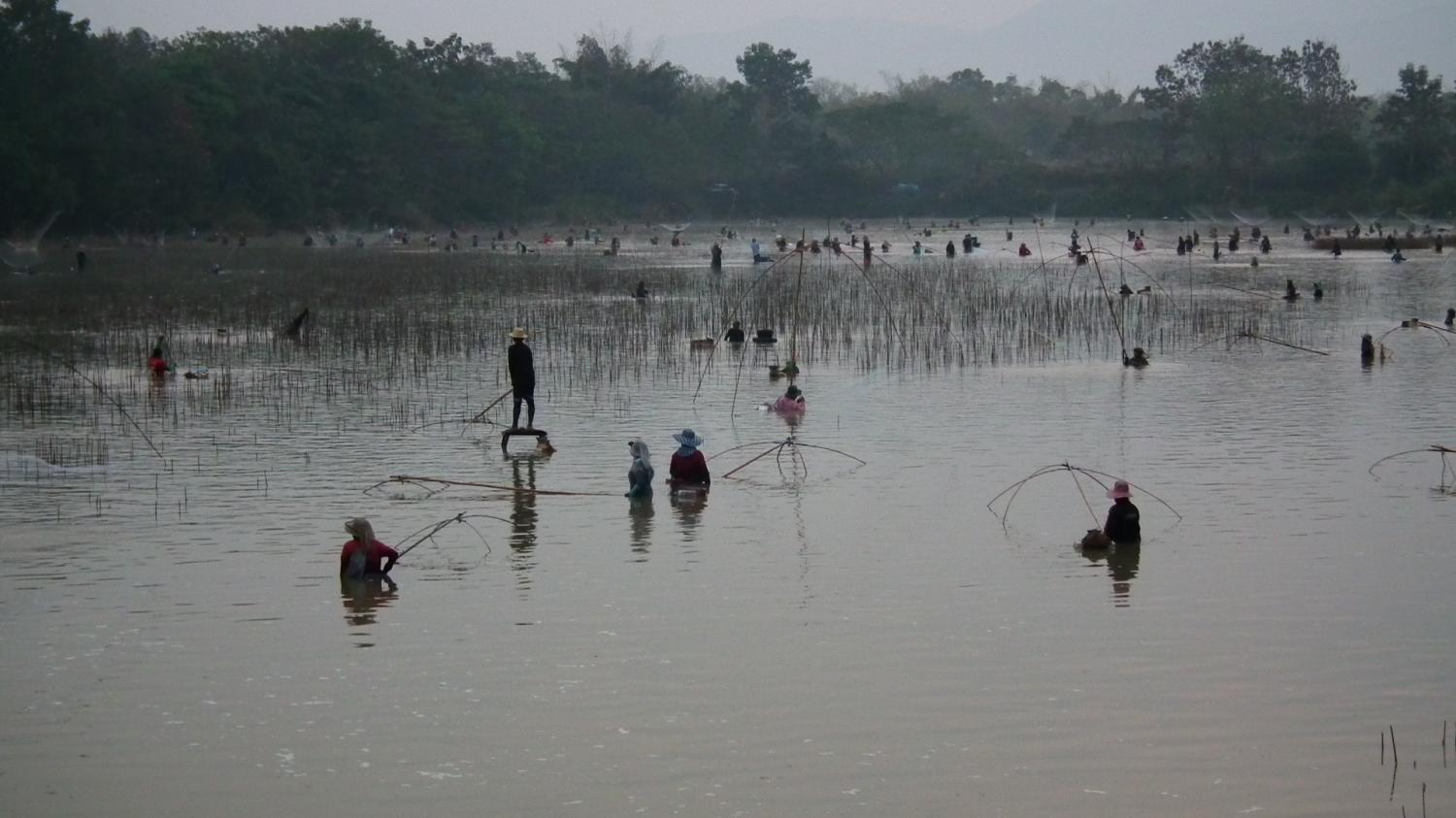
» Wetlands are essential for Thailand's ecological health. Yet our wetlands face threats nationwide. In Chiang Rai province, the Royal Irrigation Department has dispatched bulldozers to convert the Wiang Nong Lom Wetland from a living landscape into a water reservoir, erasing its vitality as a natural system.
Can alliances with the US be replaced?
Oped, Kavi Chongkittavorn, Published on 07/04/2026
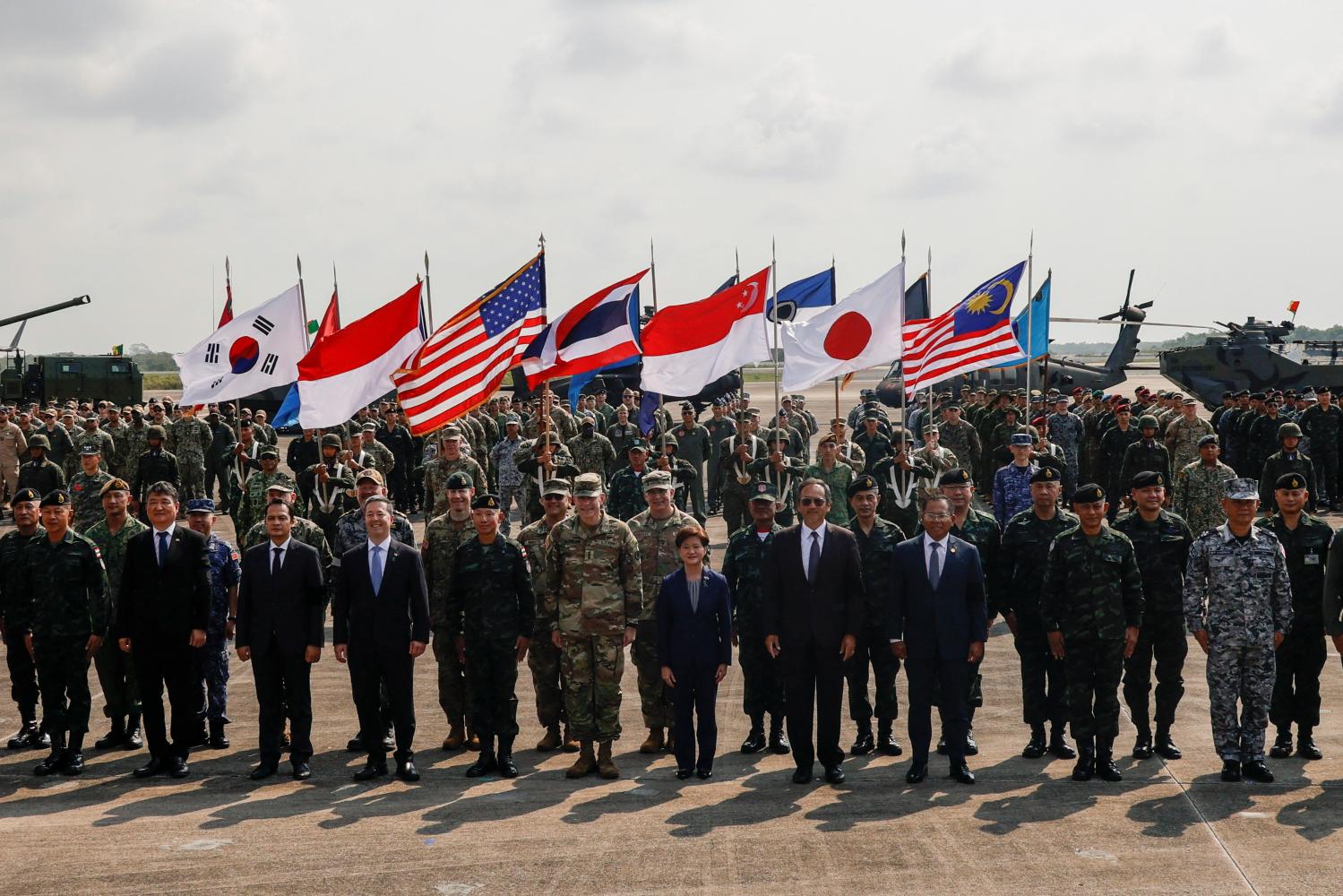
» The increasingly loud debate over the future of alliances -- after reports that the US could scale back or even withdraw from Nato -- is nerve-racking. It has caused alarm across Europe and in Southeast Asia, another node of the US alliance network. Even without any official decision, remarks by US President Donald Trump on social media were enough to shake already fragile US alliances. The question now frequently asked by Thai policymakers is: What comes next if alliances weaken?
Will Kharg Island decide the future of US alliances?
Oped, Carla Norrlöf, Published on 03/04/2026
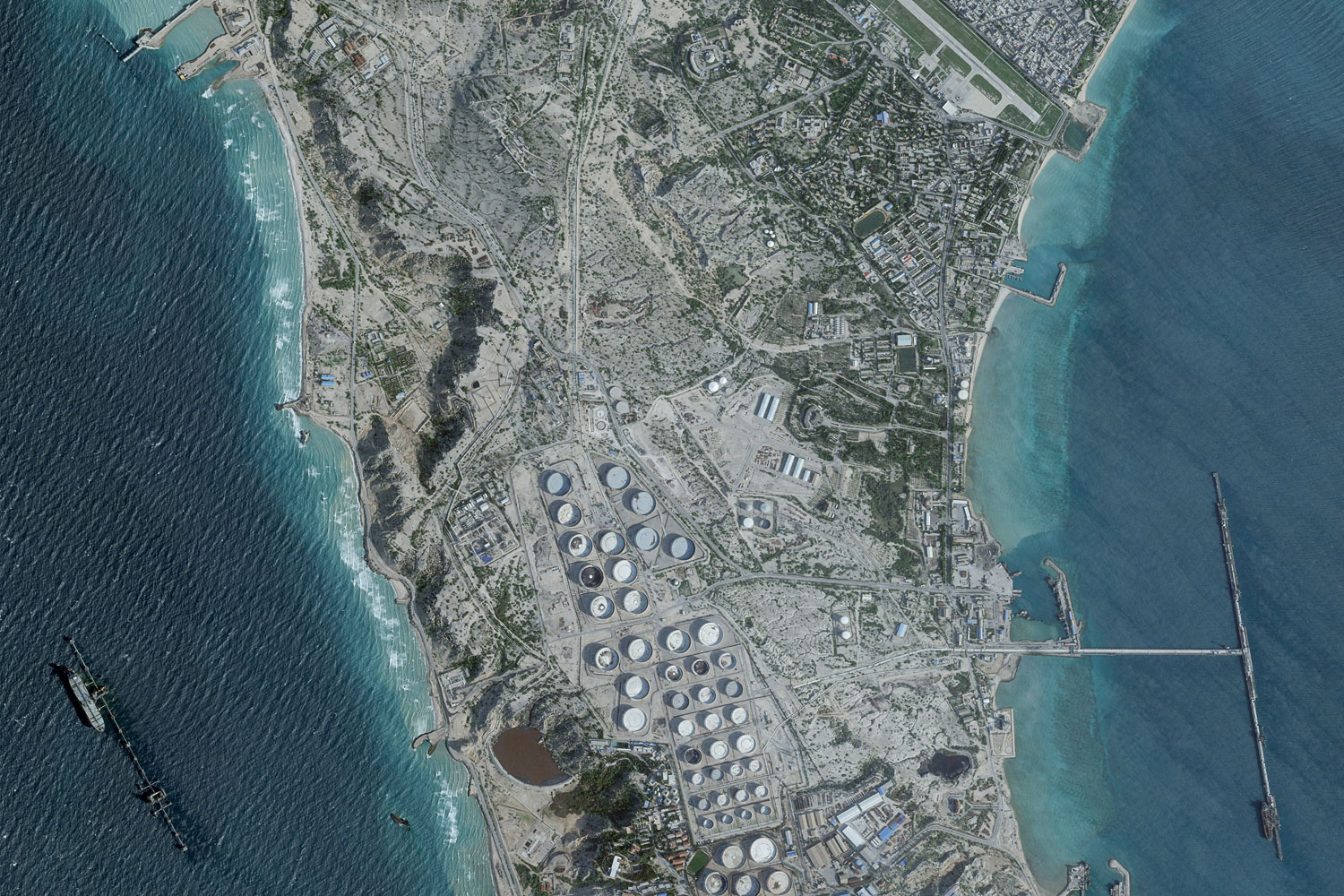
» The key question about Iran's energy-export terminal on Kharg Island is not whether the United States can seize or disable it. Of course it can.
Gulf states tell US ending the war is not enough
Oped, Samia Nakhoul, Published on 31/03/2026
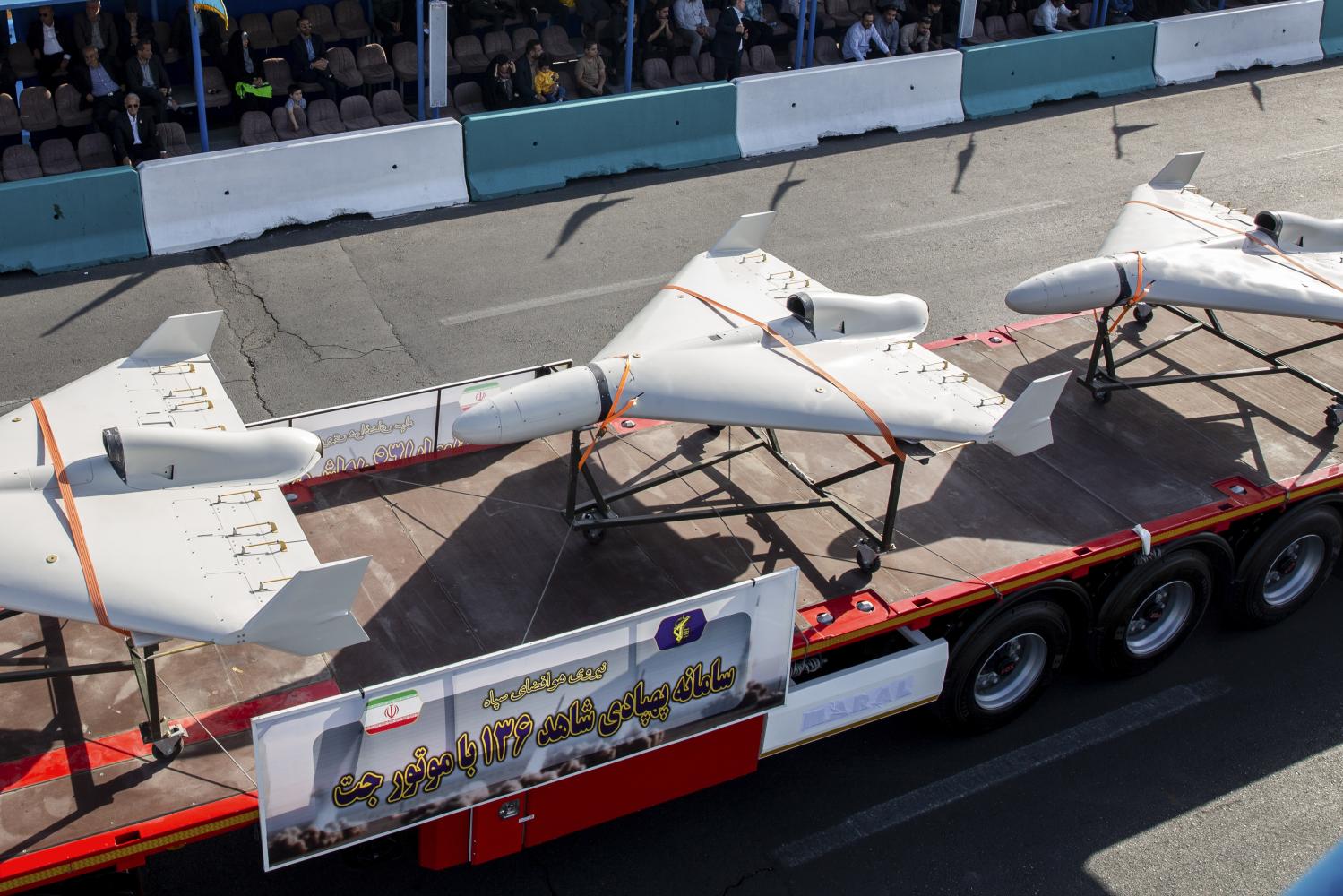
» Gulf Arab states are telling the US that any deal with Tehran should do more than end the war, and must permanently curb Iran's missile and drone capabilities and ensure global energy supplies are never again "weaponised", four Gulf sources said.
The silent engines of Asean realism
Oped, Imran Khalid, Published on 30/03/2026
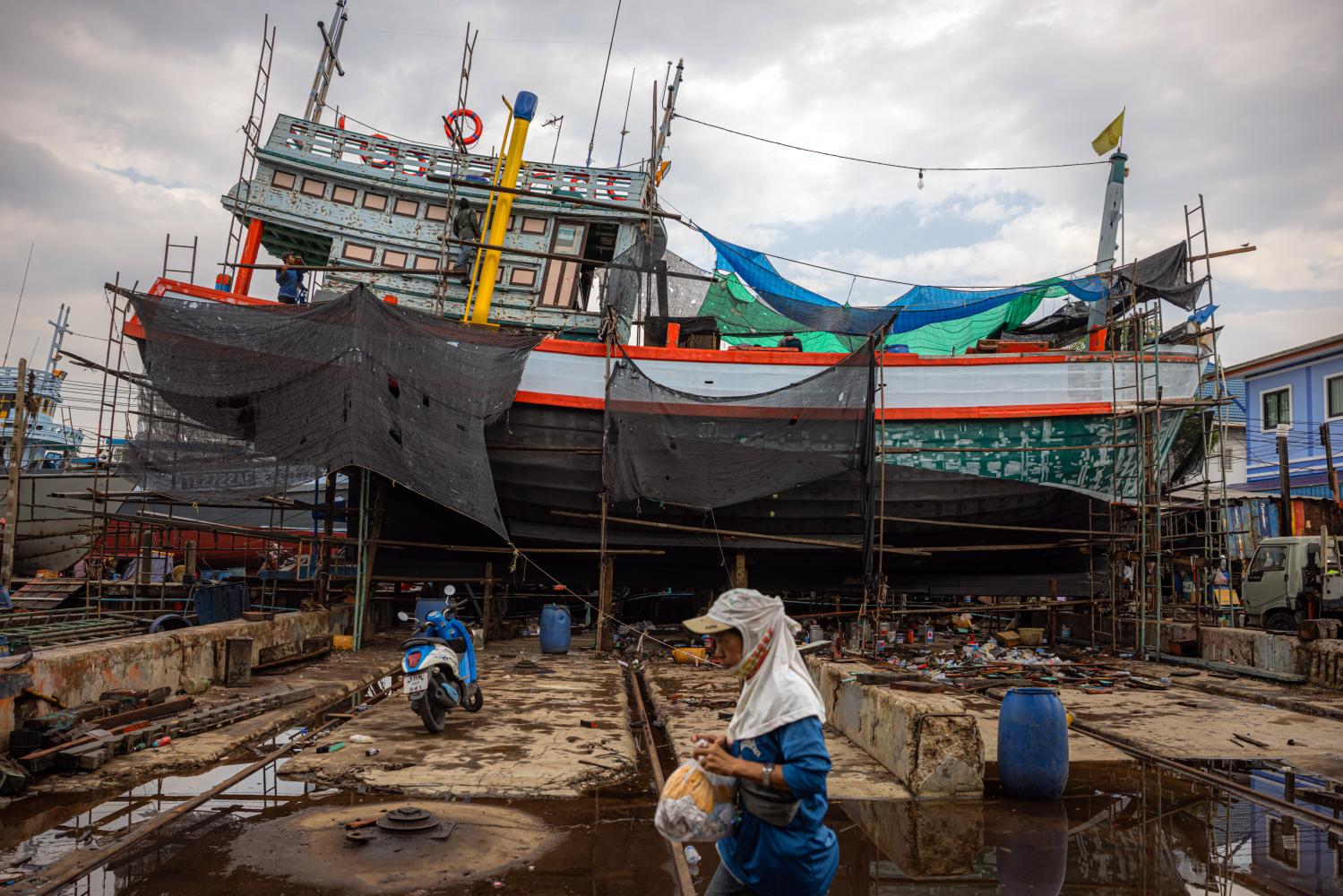
» The global economy is currently tackling what may be the most significant energy disruption since the 1970s. The effective throttling of the Strait of Hormuz -- now seeded with Iranian Maham mines and subject to a tense, IRGC-monitored tolling system -- has physically severed the energy arteries that sustain the industrial heart of Southeast Asia.
Asean's energy security at risk
Oped, Ma. Theresa P. Lazaro, Published on 26/03/2026
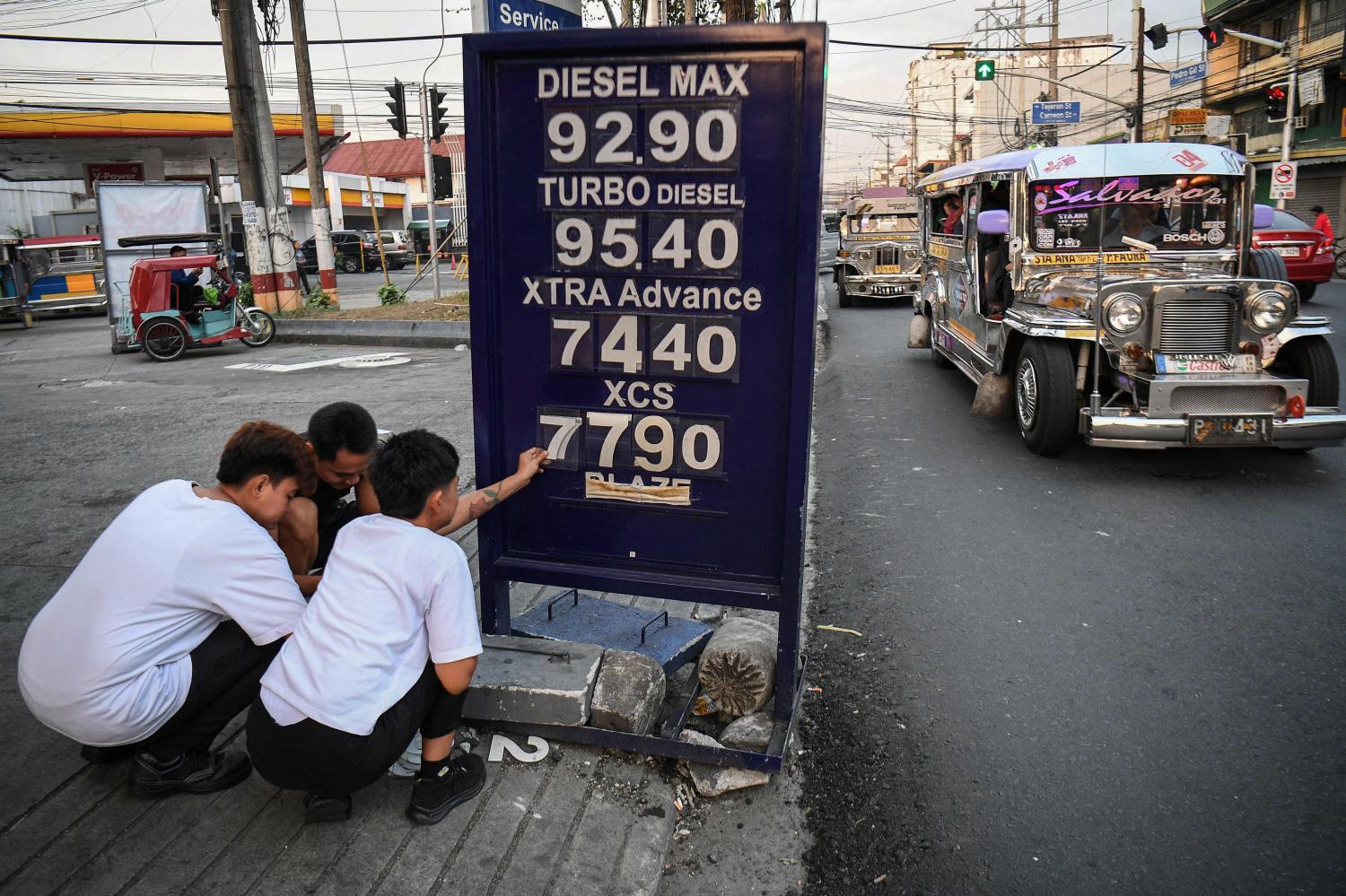
» In June 1986, the five founding members of the Association of Southeast Asian Nations (Asean) assembled in Manila to discuss Asean's response to the global energy crisis, which began with the Iranian Revolution in late 1978.
Truth will prevail over Russia's war on Ukraine
Oped, Viktor Semenov, Published on 25/03/2026
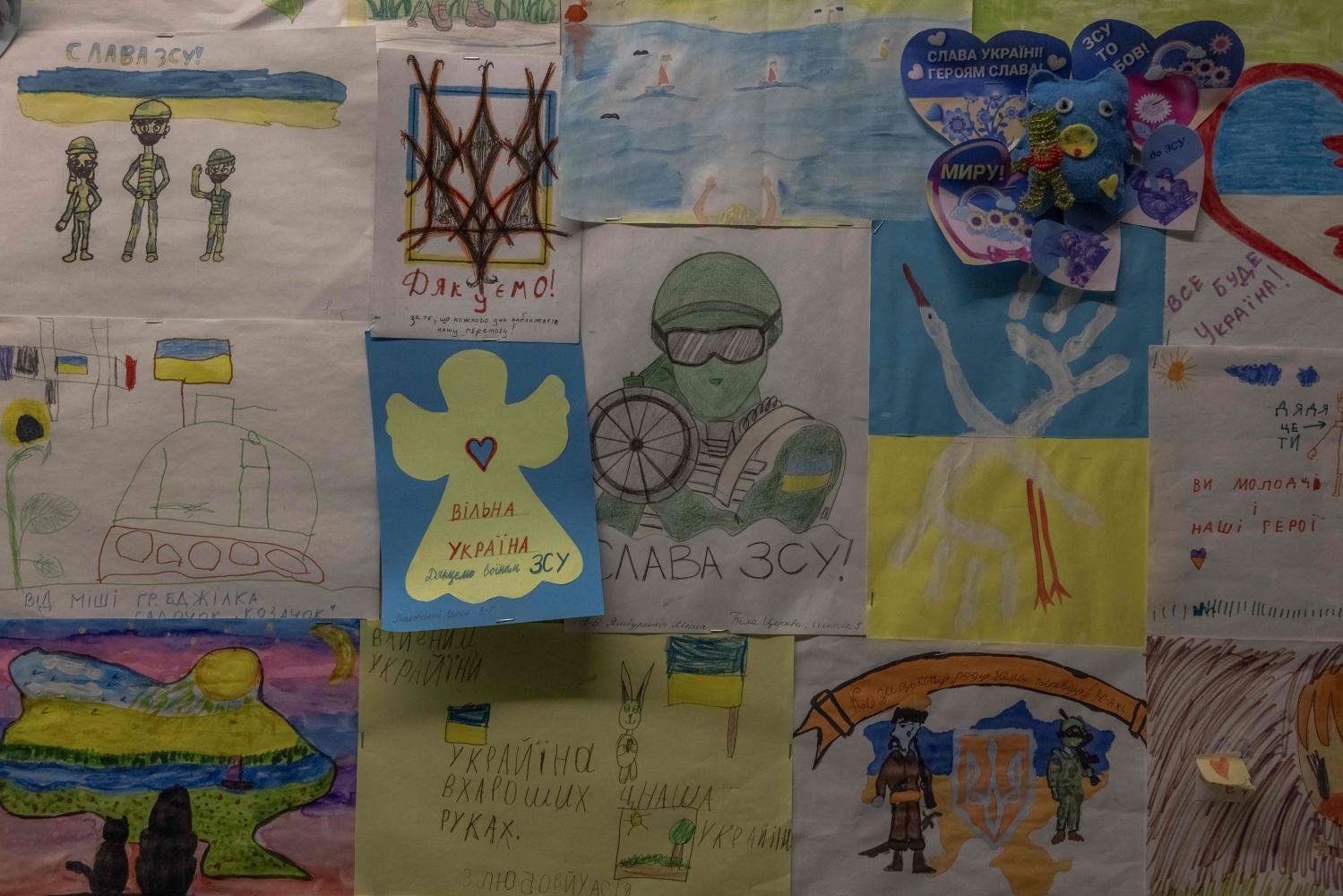
» This recent February marked 12 years of armed aggression against my country and also marks five years since Russia's full-scale invasion of Ukraine. The Kremlin has constructed a series of myths that revolve around Ukraine's Revolution of Dignity, which Russia labels a "coup d'état by a junta," the alleged "threat from Nato", the so-called "protection of Russian-speaking population", and the sham referendums conducted at gunpoint in the temporarily occupied territories of Ukraine, which are legally null and void.
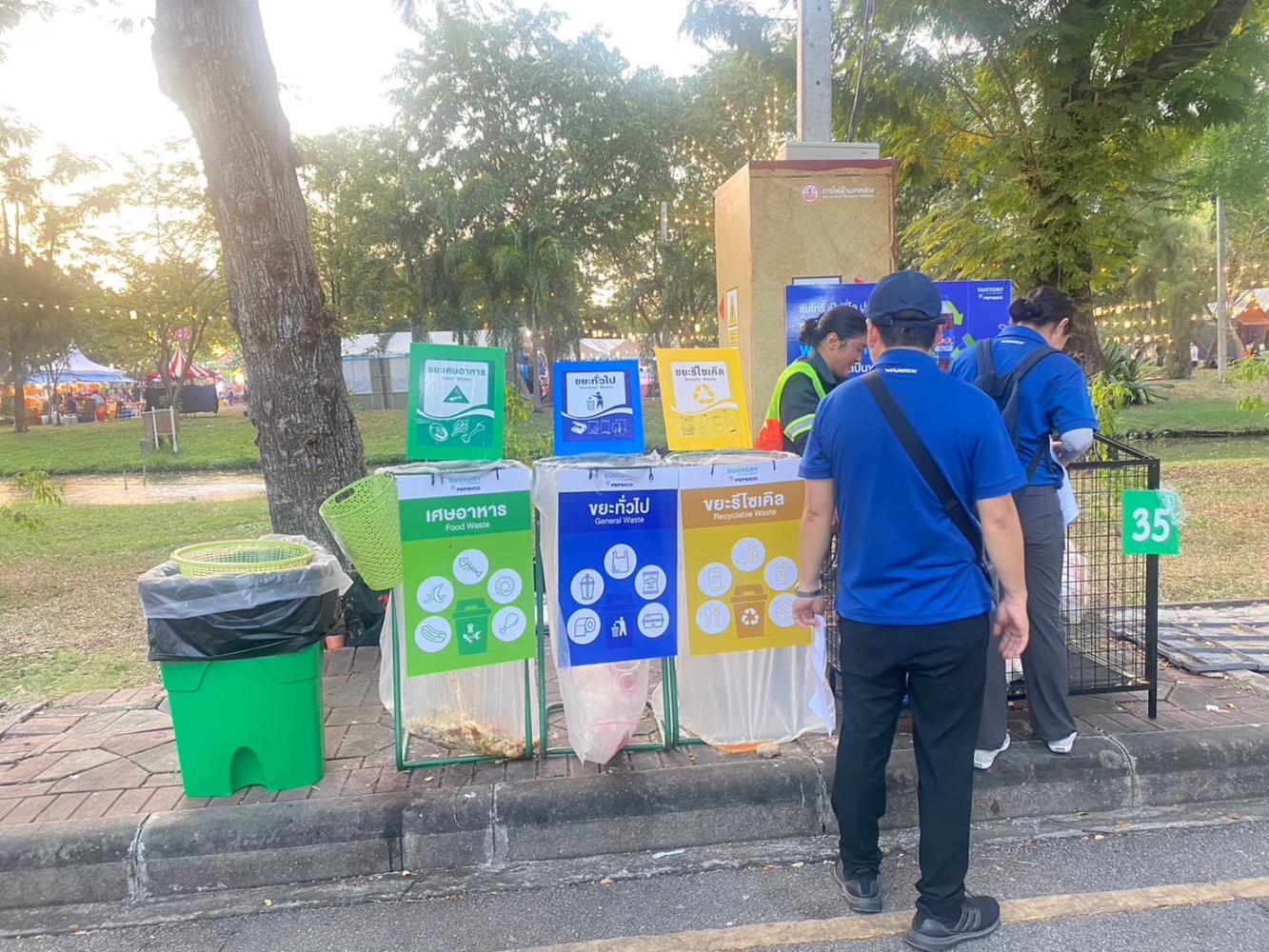
Tackle food waste, curb pollution
Oped, Edel S. Garingan, Published on 24/03/2026
» Climate change and air pollution are not driven by carbon dioxide alone. To address global warming, we must also address extremely powerful pollutants like methane, which has the capacity to trap heat in the atmosphere far more effectively than carbon dioxide over a short period of time.