



Showing 1 - 10 of 431
The silent engines of Asean realism
Oped, Imran Khalid, Published on 30/03/2026
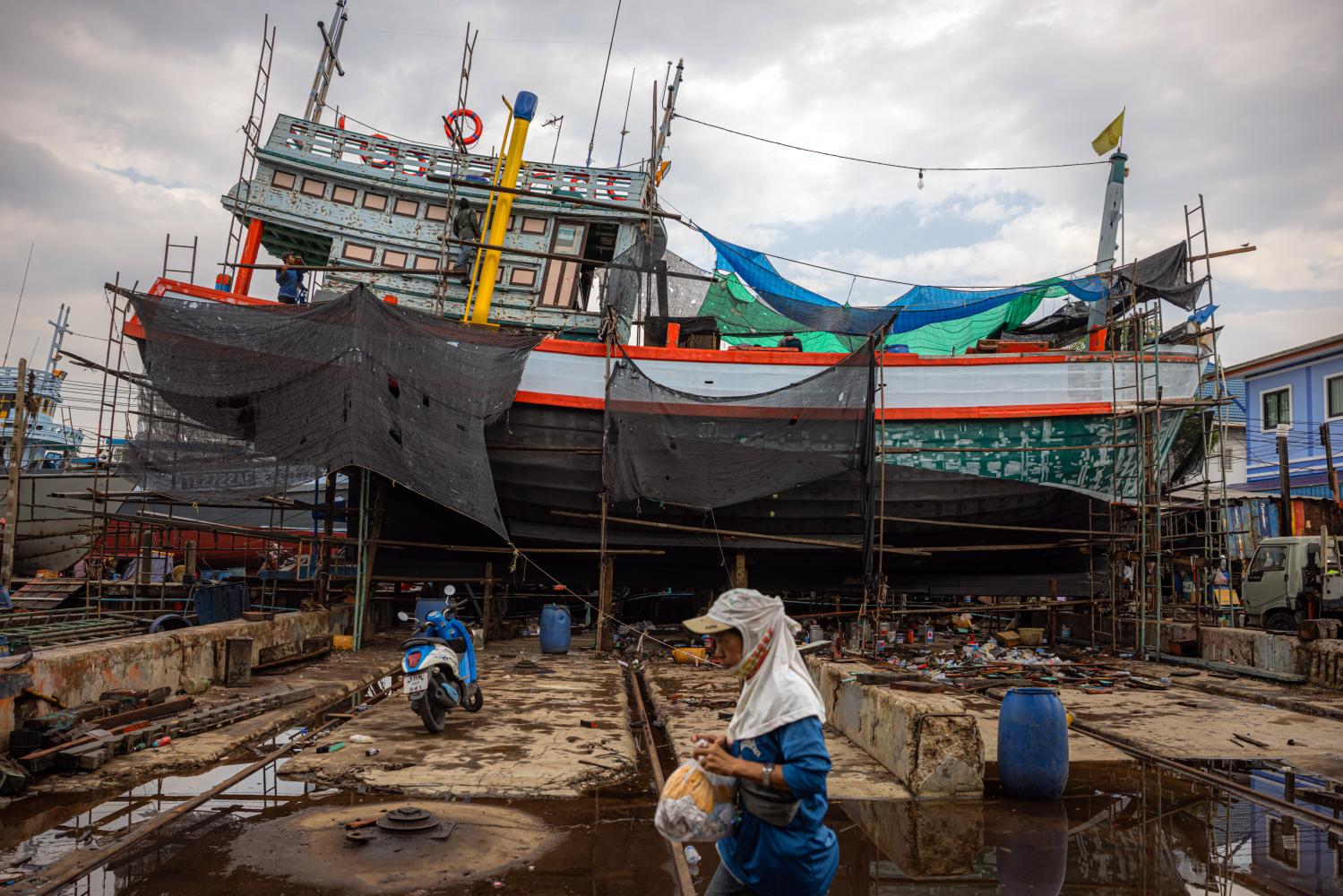
» The global economy is currently tackling what may be the most significant energy disruption since the 1970s. The effective throttling of the Strait of Hormuz -- now seeded with Iranian Maham mines and subject to a tense, IRGC-monitored tolling system -- has physically severed the energy arteries that sustain the industrial heart of Southeast Asia.
75 years of Thai-Lao relations
Oped, Krongkanit Rakcharoen, Published on 18/03/2026
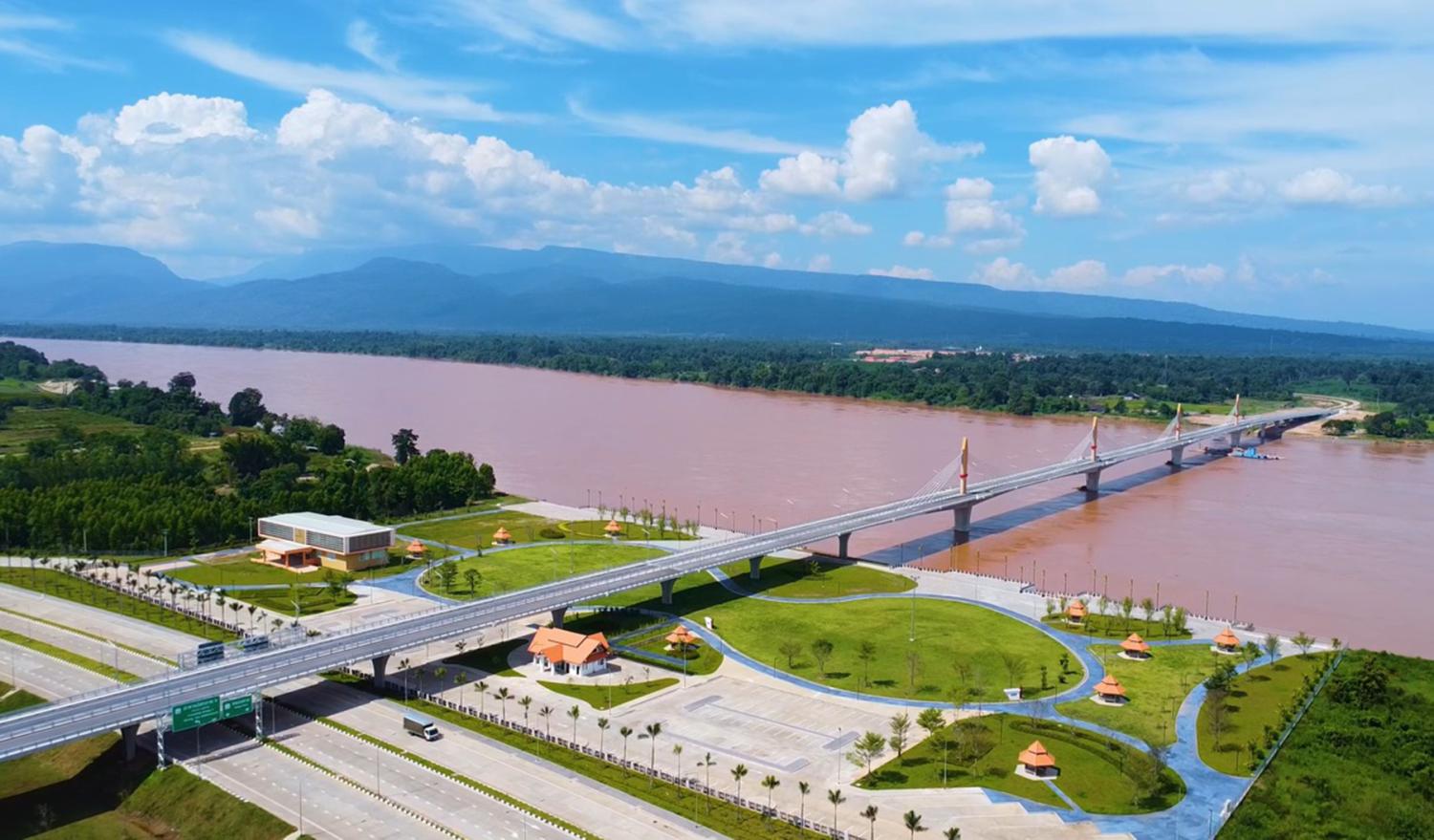
» December is a meaningful month for the peoples of Thailand and the Lao People's Democratic Republic (Lao PDR), as it marks the national days of both countries -- 2 Dec for Lao PDR and 5 Dec for Thailand. December 2025 is particularly significant as it commemorates the 50th anniversary of the founding of the Lao PDR and, on 19 Dec, the 75th anniversary of the establishment of diplomatic relations between Thailand and the Lao PDR when both countries launched the formal establishment of diplomatic relations on 19 Dec 1950.

Phuket stands at a tourism crossroads
Oped, Ajaree Tavornmas, Published on 12/03/2026
» Phuket has long stood as one of Asia's most celebrated destinations. Framed by the Andaman Sea, its turquoise waters, rich cultural fabric and globally recognised hospitality have attracted millions of visitors for decades. Tourism accounts for approximately 95% of the province's economy, generating more than 500 billion baht annually from over 14 million Thai and international travellers. With around 1,500 registered hotels and more than 100,000 rooms, the island is undeniably a cornerstone of Thailand's tourism industry.
It's never been more important to strengthen ties
Oped, Genevieve Donnellon-May, Published on 09/03/2026
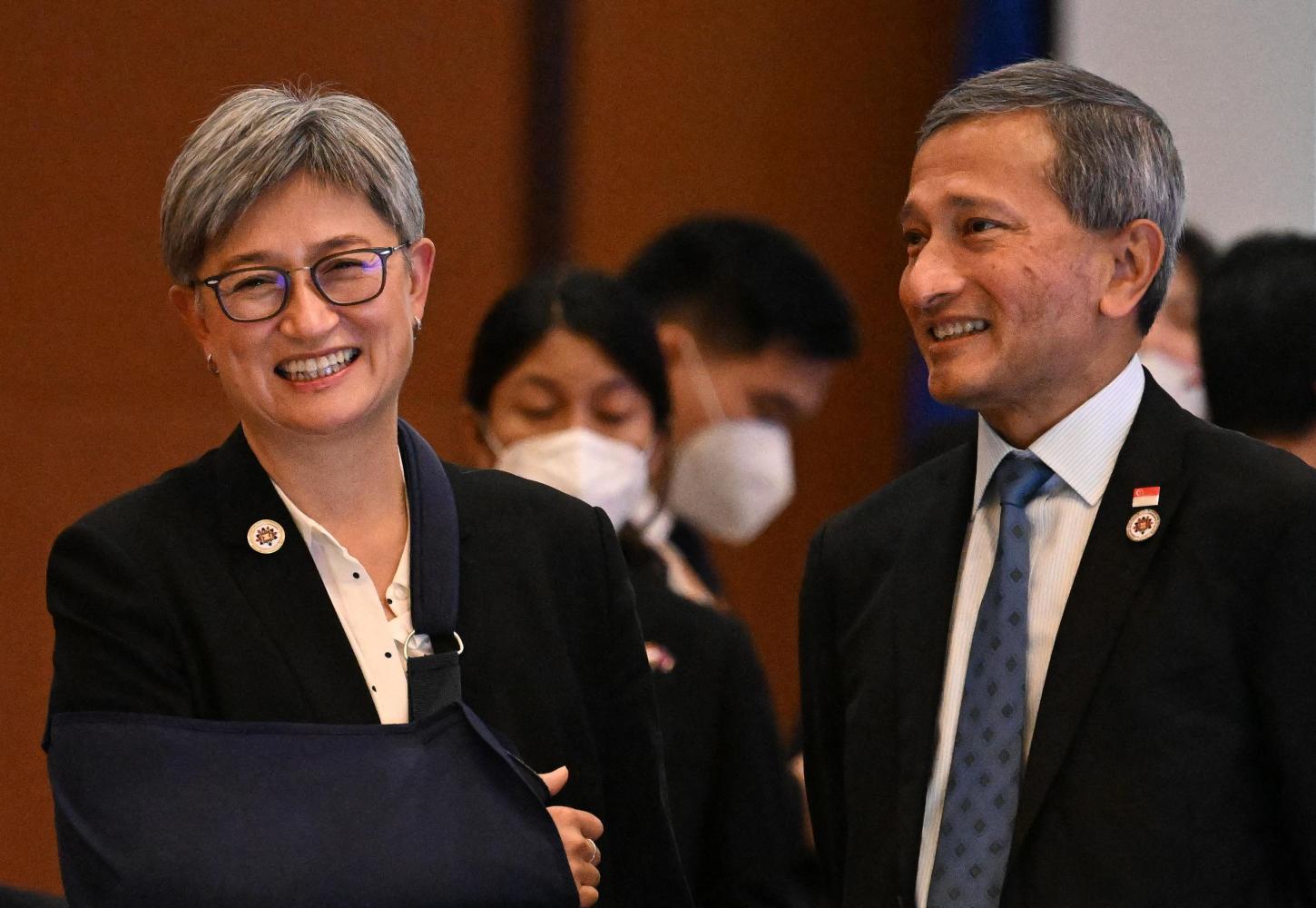
» Australia and the Association of Southeast Asian Nations (Asean) face a defining moment. Intensifying great-power competition, climate crises and economic fragmentation are reshaping the Indo-Pacific, raising urgent questions about how the two sides can build a truly resilient partnership.
The long road to war with Iran
Oped, Carla Norrlöf, Published on 06/03/2026
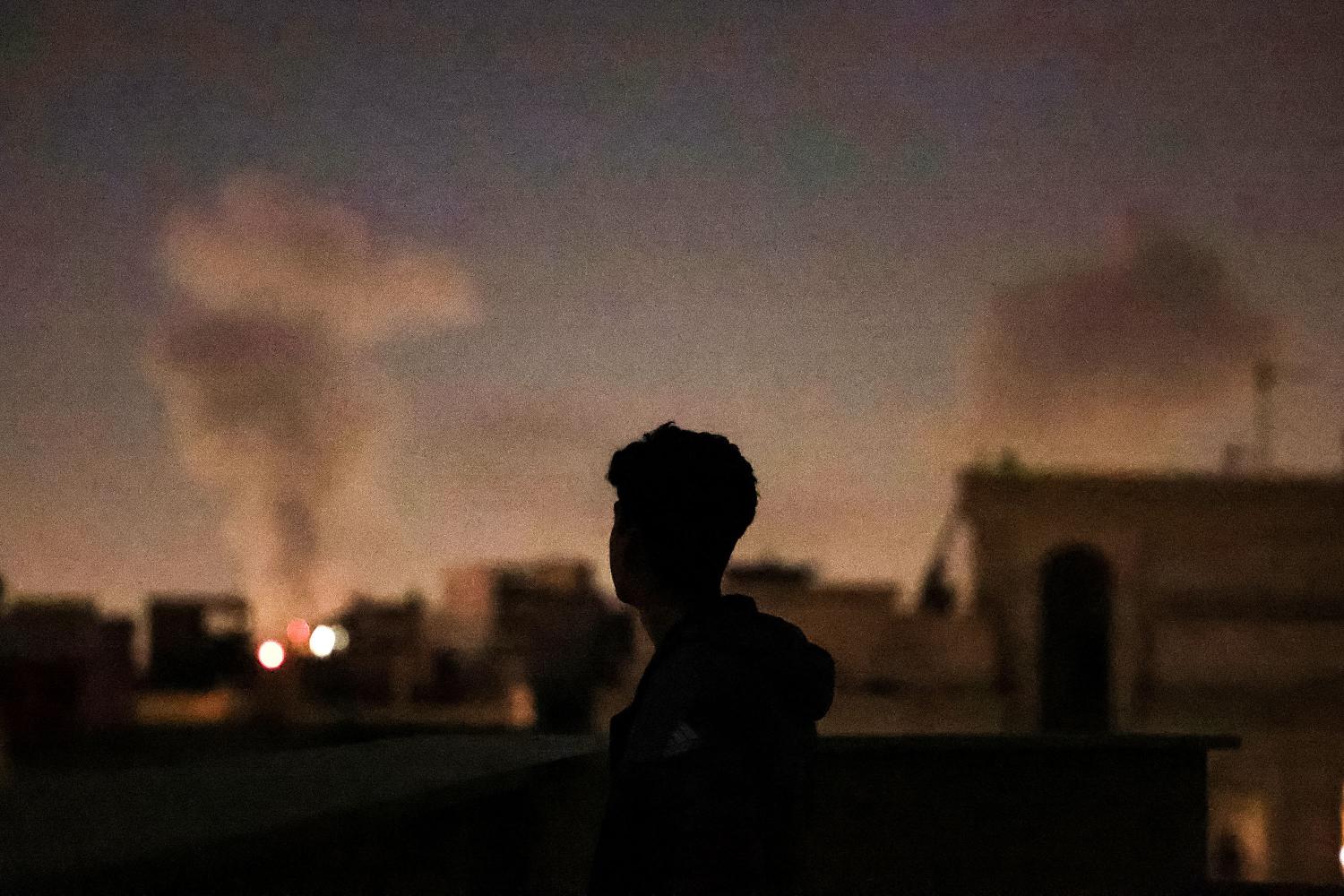
» As the conflict with Iran reshapes global security assumptions and energy markets, the debate in the United States has focused largely on why President Donald Trump chose war in the first place. Was it domestic politics, a desire to project strength, a miscalculation, or something else?
Time for region to double down on green energy
Oped, Lidy Nacpil, Published on 06/03/2026
» The escalating instability in the Middle East has sent shockwaves through global energy markets, forcing Southeast Asian nations into a precarious position. While the region has made significant pledges to transition toward renewables, the threat of interrupted gas supplies and surging LNG prices is creating a dangerous incentive to prioritise immediate energy security over long-term climate goals.
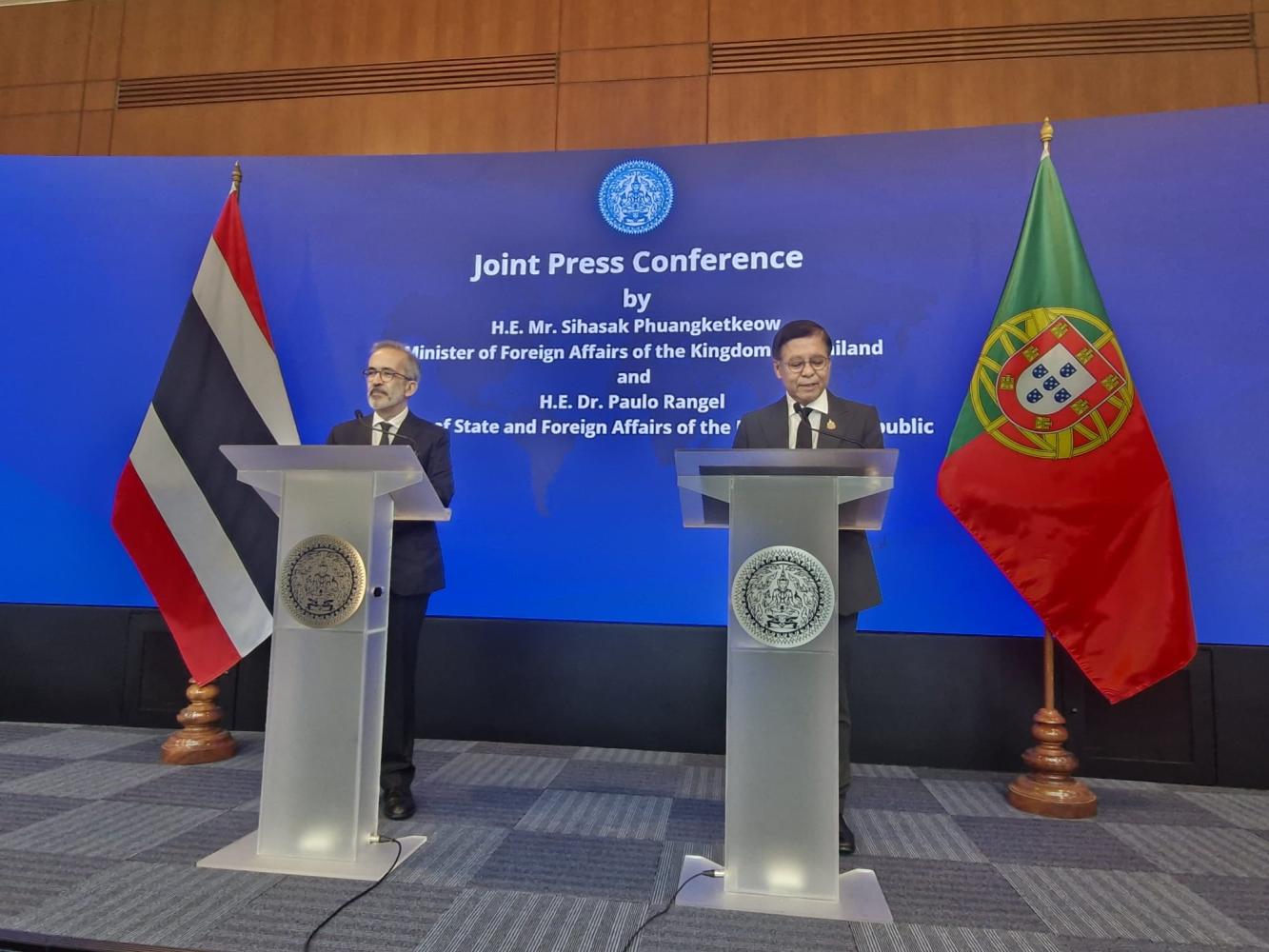
Portugal calls for global unity, multilateralism
Oped, Paulo Rangel, Published on 27/02/2026
» It is a great pleasure to be here in Thailand, and especially good to be able to have this opportunity to share our vision on how Portugal views the world and the role and importance of multilateralism.
Carney's speech signals end of Western illusions
Oped, Antara Haldar, Published on 27/02/2026
» When the late playwright Tom Stoppard's Rock 'n' Roll first opened 20 years ago, it was deeply personal for me as a student at Cambridge studying film in Prague. A meditation on the clash between communism and capitalism in Czechoslovakia (now the Czech Republic and Slovakia), it dwelt on the confrontation between high theory and lived reality in a way that moved me profoundly. Two decades later, Canadian Prime Minister Mark Carney's recent speech in Davos felt like the sequel.
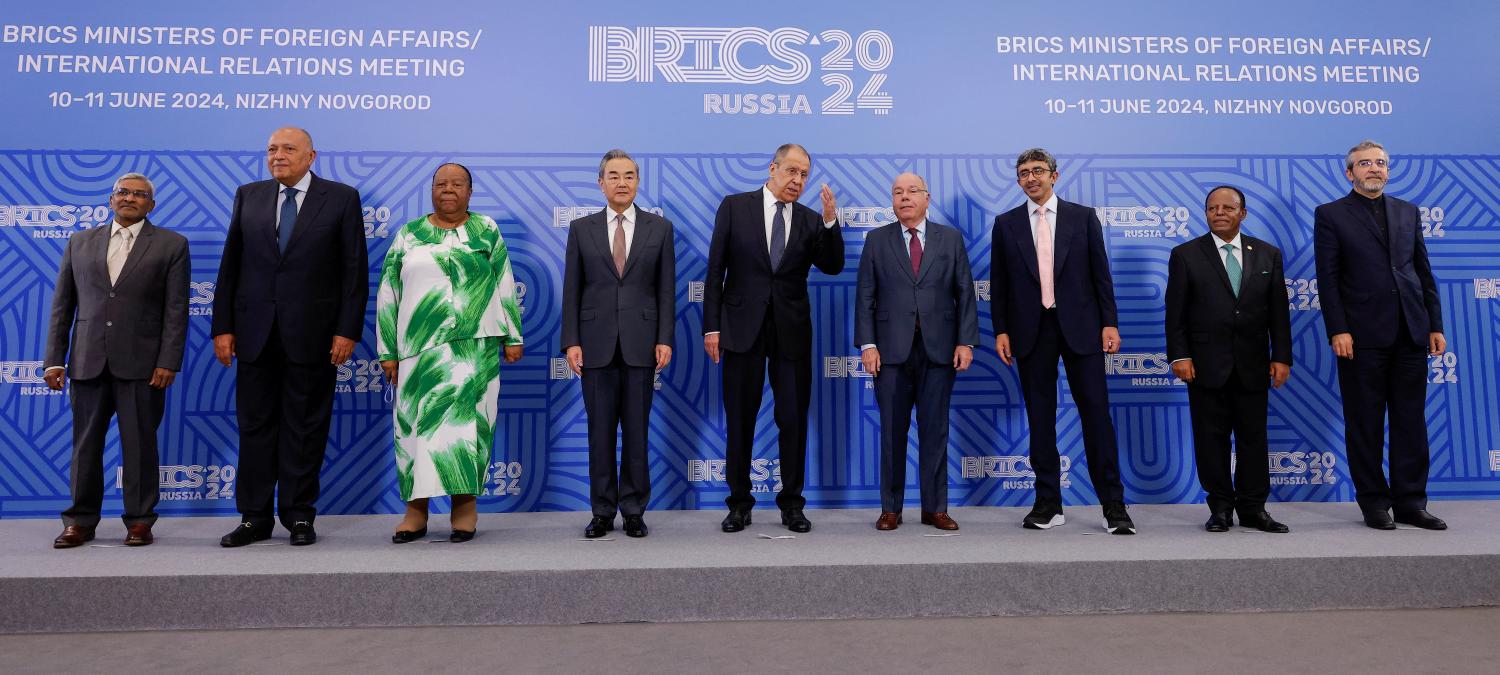
Minilateralism's necessary rise
Oped, Prabhat Upadhyaya & Saliem Fakir, Published on 23/02/2026
» If there was any doubt remaining about the return of great-power politics, it has been dispelled by US President Donald Trump's attack on Venezuela, threats to annex Greenland, and refusal to extend the New Start treaty limiting the nuclear arsenals of the United States and Russia. Such geopolitical upheavals are driven by "the will to power", as Adam Tooze has pointed out -- including "power over resources, purchasing power, the ability to resist the influence of others."
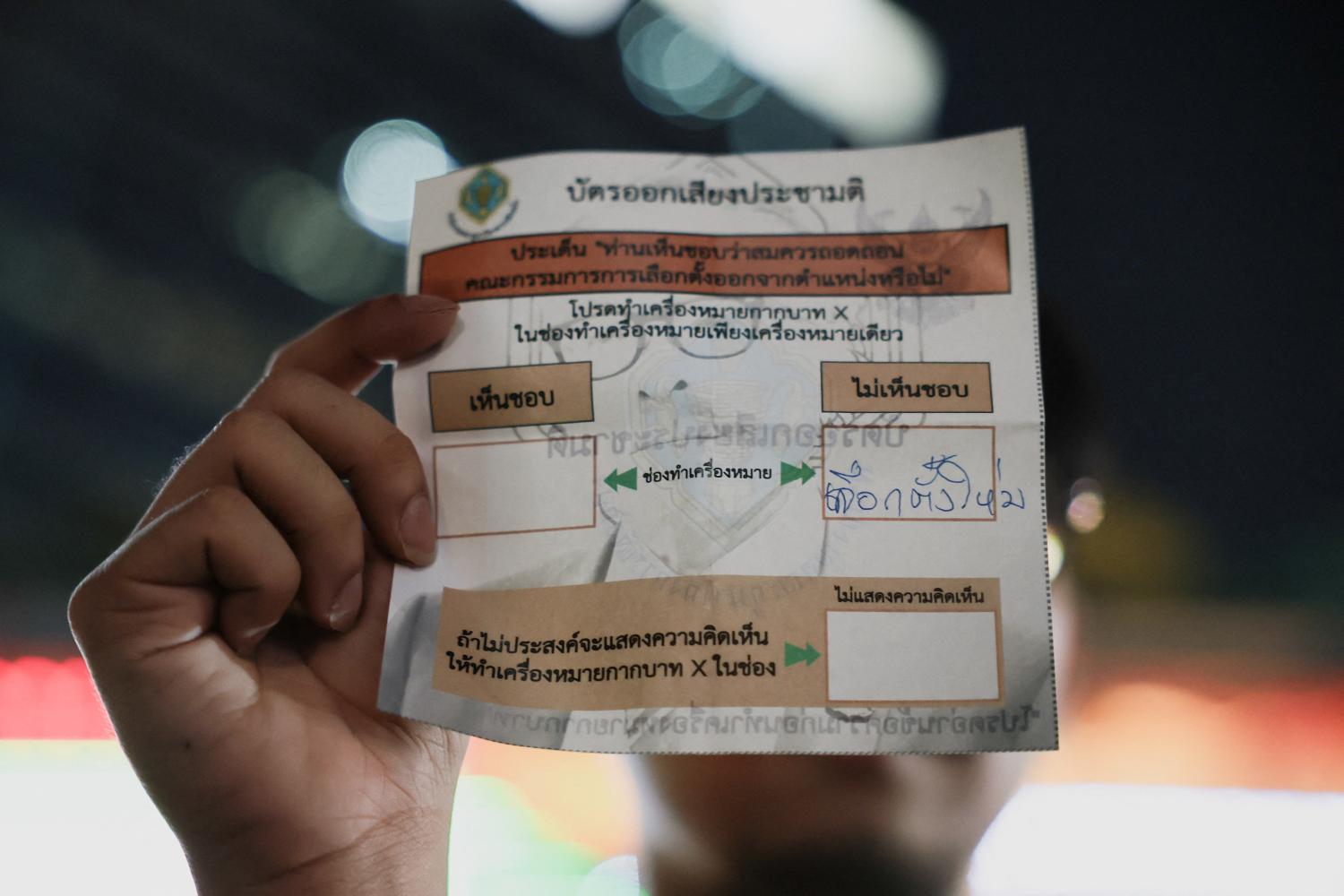
The gist of Thai politics over 20 years
Oped, Thitinan Pongsudhirak, Published on 20/02/2026
» Thailand's democratic institutions have been repressed and kept weak to the point that confusion still prevails almost two weeks after the Feb 8 election, which purportedly showed a clear victory for the ruling Bhumjaithai (BJT) Party under Prime Minister Anutin Charnvirakul. On the one hand, Mr Anutin and BJT stalwarts are busy forming a coalition government with other parties. On the other hand, fraud allegations from civil society groups and the opposition People's Party have reached a critical mass with the plausibility that the recent vote might be nullified to pave the way for a new poll.