



Showing 1 - 10 of 101
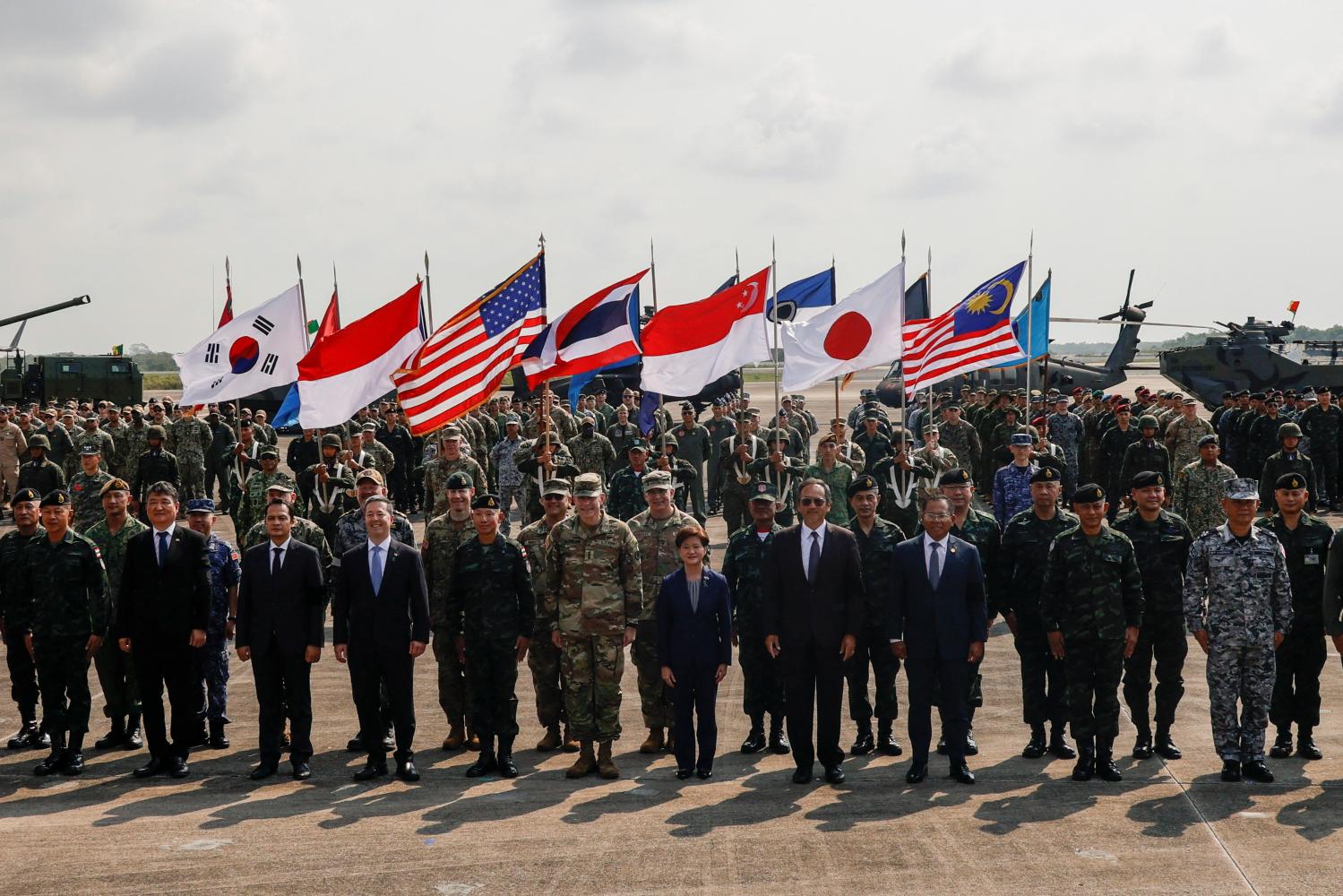
Can alliances with the US be replaced?
Oped, Kavi Chongkittavorn, Published on 07/04/2026
» The increasingly loud debate over the future of alliances -- after reports that the US could scale back or even withdraw from Nato -- is nerve-racking. It has caused alarm across Europe and in Southeast Asia, another node of the US alliance network. Even without any official decision, remarks by US President Donald Trump on social media were enough to shake already fragile US alliances. The question now frequently asked by Thai policymakers is: What comes next if alliances weaken?

Let us link our carbon markets
Oped, Xue Song, Published on 08/12/2025
» With CBAM set to cost the region billions from 2026, an Asia-led carbon corridor could turn that threat into a lasting climate and strategic advantage.

Russia-Asean ties set standard
News, Evgeny Tomikhin, Published on 15/10/2025
» Later this October, Kuala Lumpur will host a series of Asean events at the leaders' level, including the East Asia Summit, bringing together key policymakers at a time of global transformation.
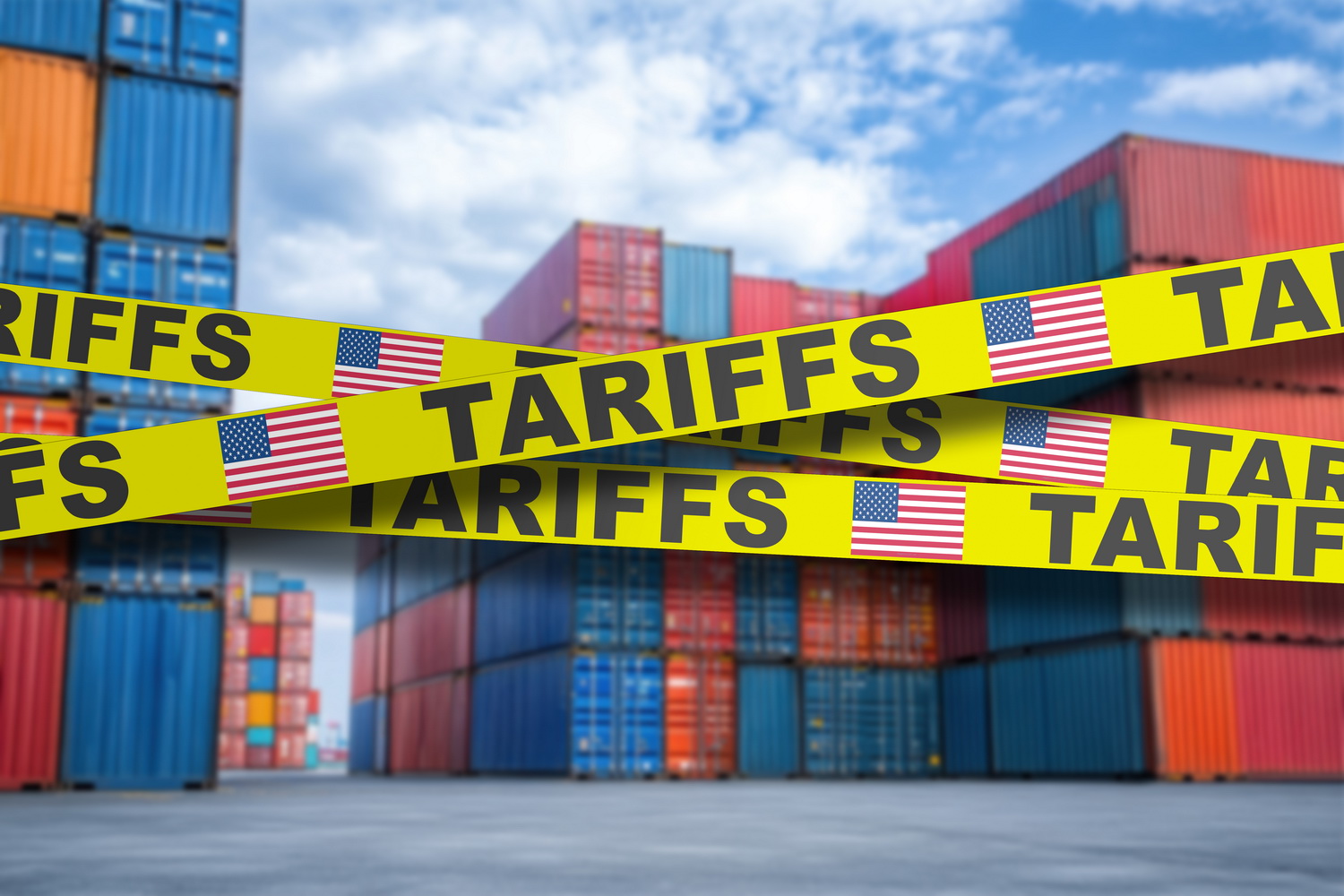
Appeasing China won't help counter Trump
Oped, Brahma Chellaney, Published on 02/09/2025
» In 2020, China's stealth encroachments into India's Himalayan borderlands triggered deadly clashes and a prolonged military standoff that nearly erupted into war. Five years on, the border crisis remains largely unresolved, yet Indian Prime Minister Narendra Modi is headed to China in an apparent effort to ease friction -- just when India is facing punishing tariffs imposed by US President Donald Trump.

Thai-Cambodian feud is Asean's worst
Oped, Thitinan Pongsudhirak, Published on 15/08/2025
» The border dispute and consequent military conflict between Cambodia and Thailand in recent weeks have become Asean's worst crisis in its 58 years of existence. Ironically, it was an intra-regional war between Indonesia and Malaysia that gave rise to Asean in 1967, but now an intra-Asean military clash is undermining the Southeast Asian organisation's core reason for being and its main claim to credibility and prominence. Unless Asean, under Malaysia as its rotational chair this year, moves fast to contain the bilateral dispute and reinforce a delicate ceasefire agreement, Southeast Asia will be looked upon increasingly as a region and less as an organisation of member states.

China's uphill fight vs price wars
News, Manishi Raychaudhuri, Published on 14/08/2025
» Overcapacity has made its way into China's domestic market, with price wars leading to collapsing profitability and accelerating deflation. The government has responded by launching a so-called "anti-involution" programme to combat deflationary price wars. It's had some early wins, but this could be a lengthy battle.

Porosity can reduce city flood effects
Oped, Nuntachart Ratanaburi, Published on 02/07/2025
» The rainy season, which officially began in May, combined with the La Niña effect, brings unusually heavy rains that leave several areas inundated. Worse, the climate change impact intensifies weather turbulences with intense, localised rainfall -- known as "rain bombs" or cloudbursts -- that may cause severe floods in areas with a poor drainage system.

US-China trade truce didn't solve rare earths riddle
Oped, Imran Khalid, Published on 27/06/2025
» Amid the swirl of headlines about a US-China trade breakthrough in London on June 11, it is reported that US President Donald Trump said the US and China had made a "great deal" -- with China agreeing to supply US companies with magnets and rare earth metals, while the US would walk back its threats to revoke visas of Chinese students.
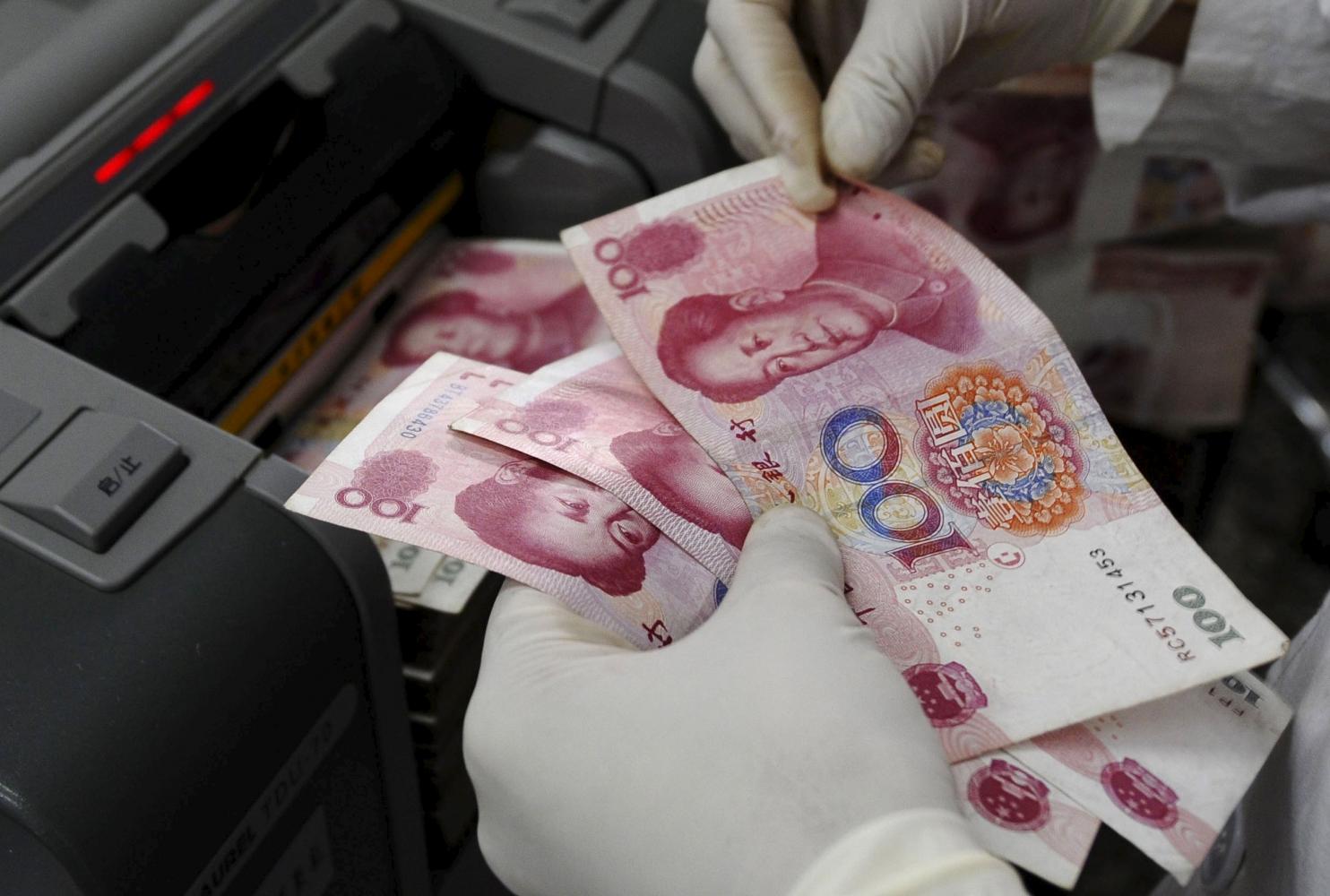
China ramps up global yuan push
News, Samuel Shen & Tom Westbrook, Published on 03/05/2025
» As Chinese President Xi Jinping toured Southeast Asia last month to forge closer ties against higher US tariffs, the People's Bank of China (PBOC) was seizing a moment of confusion and disruption in global trade to promote greater usage of the yuan.

Why China's marriage crisis really matters
Oped, Yi Fuxian, Published on 04/04/2025
» New marriages in China reportedly plummeted by one-fifth last year, implying that the official number of births will likely fall from 9.54 million in 2024 to 7.3- 7.8 million in 2025. Thus, while China represents 17.2% of the global population, it will account for less than 6% of births -- comparable to Nigeria.