



Showing 1 - 10 of 164
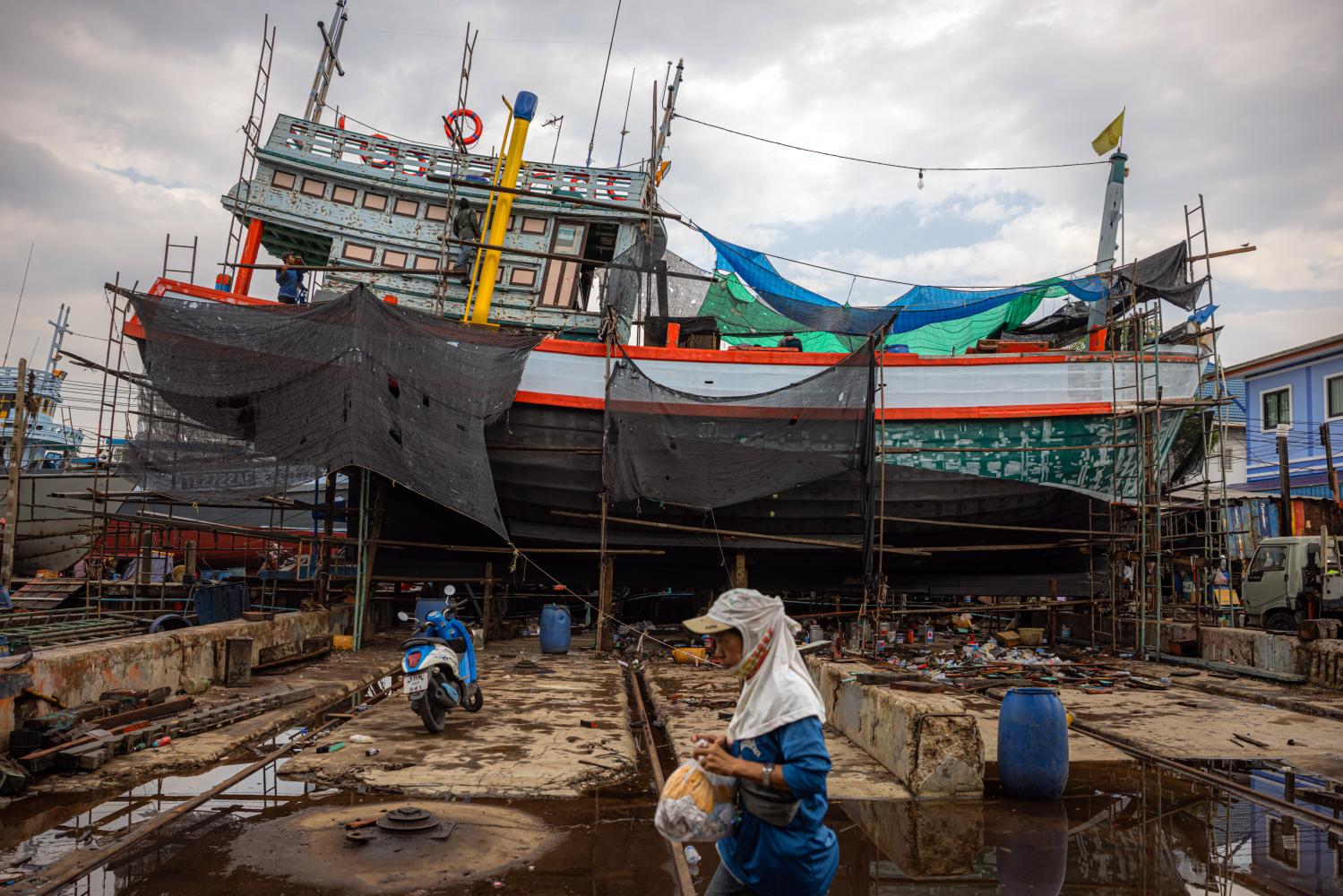
The silent engines of Asean realism
Oped, Imran Khalid, Published on 30/03/2026
» The global economy is currently tackling what may be the most significant energy disruption since the 1970s. The effective throttling of the Strait of Hormuz -- now seeded with Iranian Maham mines and subject to a tense, IRGC-monitored tolling system -- has physically severed the energy arteries that sustain the industrial heart of Southeast Asia.

When voters look beyond credentials
Oped, Anucha Charoenpo, Published on 20/02/2026
» Many observers of Thai politics may be wondering why the following individual of such distinguished standing failed to secure a seat in parliament in the Feb 8 election. He holds the title of professor and earned a doctoral degree in engineering from the Massachusetts Institute of Technology, one of the world's most renowned universities. He previously contested the 2022 Bangkok gubernatorial election, securing more than 250,000 votes. He has also achieved notable academic success and served as president of King Mongkut's Institute of Technology, Ladkrabang. With credentials such as these, his electoral defeat has come as a surprise to many.
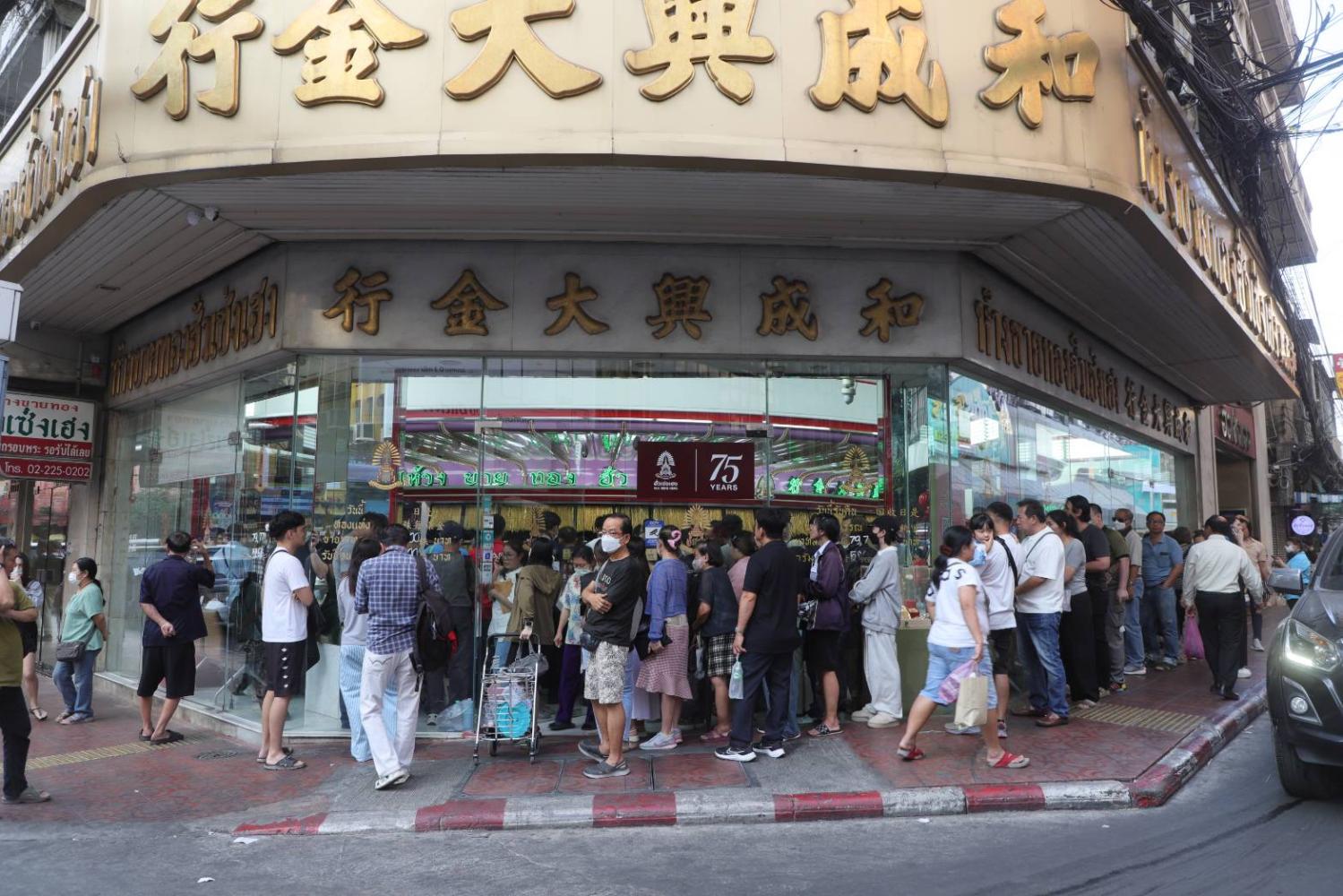
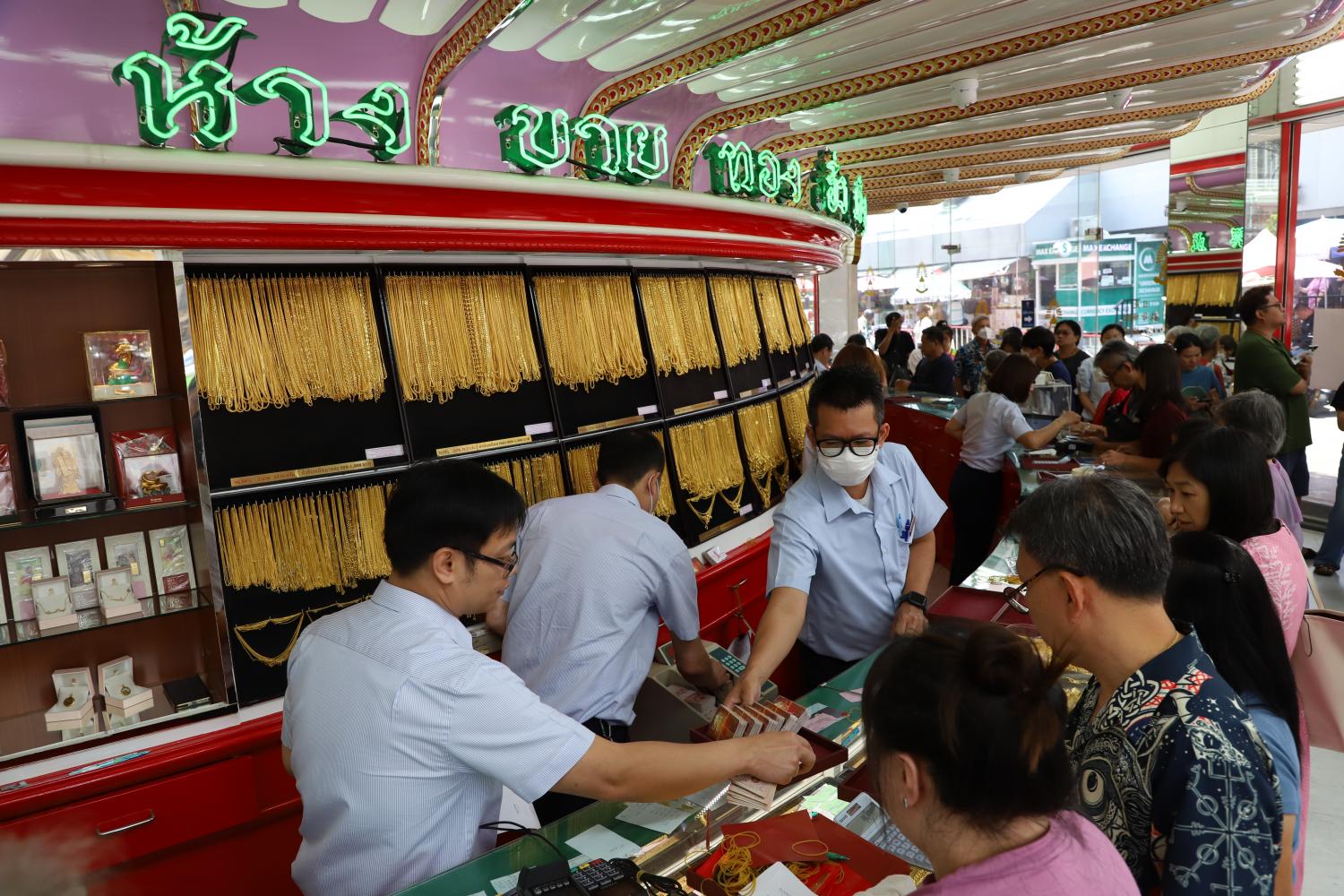
In an uncertain world, gold is a comfort
Oped, Chartchai Parasuk, Published on 05/02/2026
» With Thai citizens heading to the polls this Sunday to decide which party will form the next government, I have decided to postpone my article on the economic crisis for another two weeks.
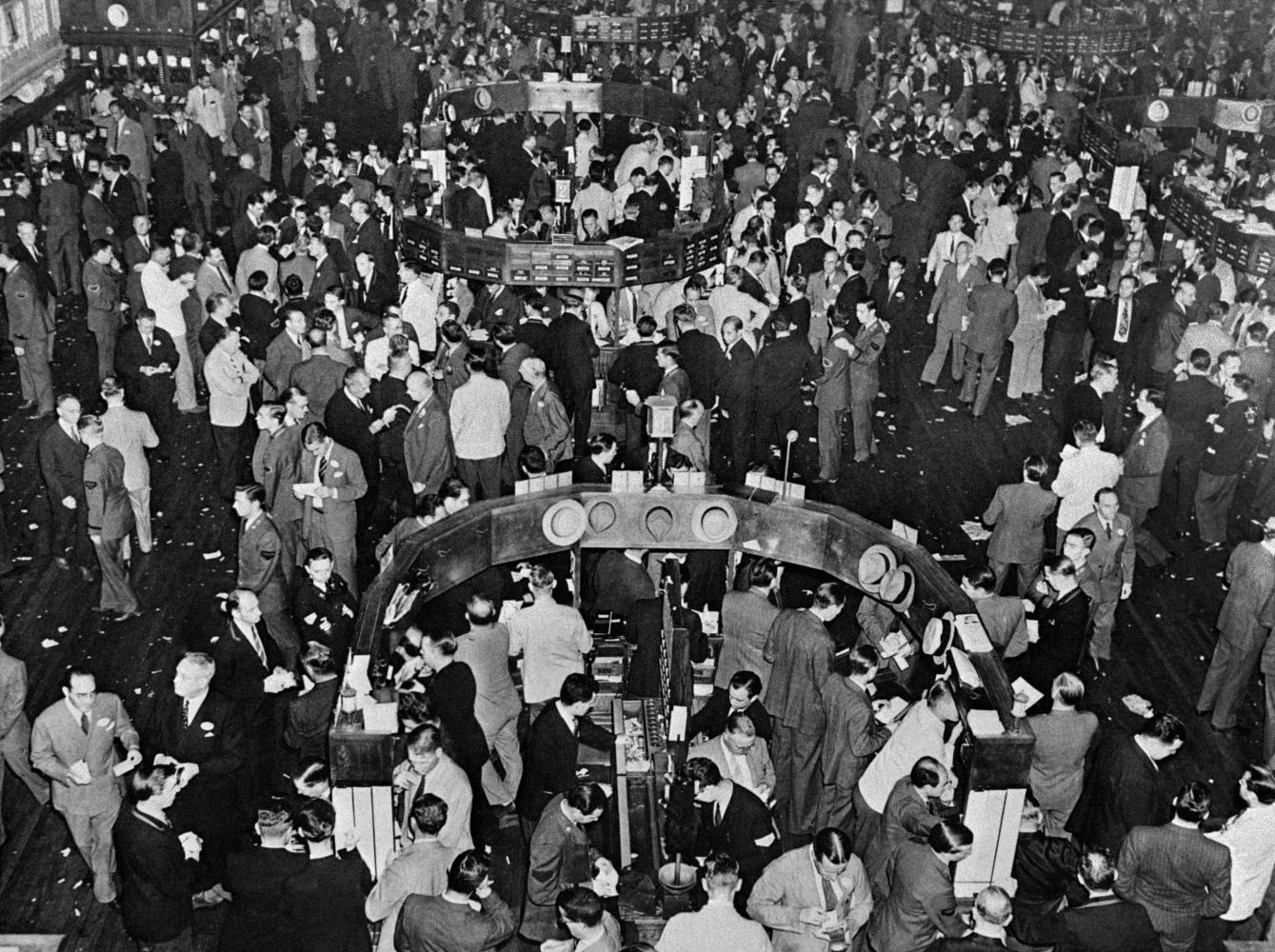
It's the economic history, stupid
Oped, Iker Saitua, Published on 14/01/2026
» Every year, I walk into a first-year lecture hall in Bilbao at the University of the Basque Country (EHU) and watch shoulders slump. The title of the course I'm teaching -- "Economic History" -- draws a similarly dejected reaction from my students: "Meh." "Boooring." "What's this even for?" Some call it "the history class", as if it belonged to another century.

Prospects dim
Oped, Postbag, Published on 02/01/2026
» Re: "Land bridge will harm nature", (Opinion, Dec 31).
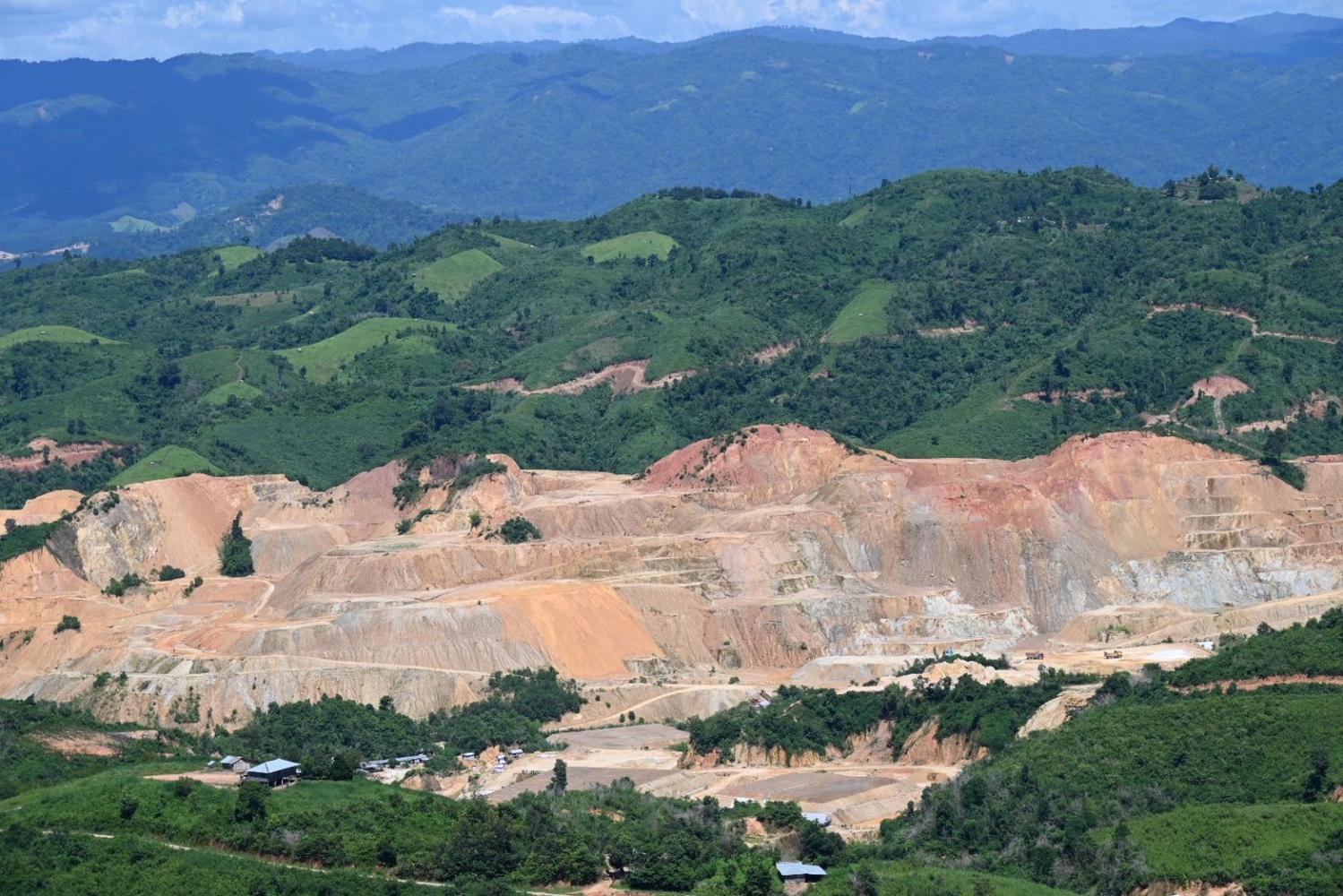
Mines, rivers, and a regional crisis
Oped, Tuenjai Deetes, Published on 18/12/2025
» 'When I was a child, the Kok River and the Mekong were clear and alive. We drank directly from the river. Women and mothers gathered along the banks, hauling in fishing nets fully loaded with heavy fish, which we cooked and ate the same day. We were happy. We lived without fear -- fear of toxins, fear for our health.
The treacherous sycophancy of the populists
Oped, Michael Burleigh, Published on 15/12/2025
» Until a few days ago, it had never crossed my mind that people across Europe -- including Londoners like me -- were living in a strife‑afflicted hell hole, "suffocated" by regulations, stripped of political liberties, and bound for "civilisational erasure". So, it was with some surprise that I read this assessment in the new US National Security Strategy -- a document that echoes pseudo‑intellectual propaganda more than resembling any serious foreign‑policy analysis.
Socialism's novel brand of nomenclature
Oped, John J Metzler, Published on 18/11/2025
» On Nov 9, 1989, the Berlin Wall collapsed. On a very ordinary night, thousands of East Germans started crossing the dividing barrier between the communist East and capitalist West Berlin after the East German regime had suddenly opened tightly controlled border crossings. In a matter of hours, history was made. Throngs of people soon swamped the Wall and then started smashing the hated communist barrier into concrete rubble.
Why gold matters in a changing world
Oped, Chartchai Parasuk, Published on 13/11/2025
» After reading my previous article, "Thailand has become the sick man of Asean", a good friend asked me what would happen to the Thai economy after becoming the sick man?

Adam Smith and the moral economy we have lost
Oped, Antara Haldar, Published on 12/11/2025
» With the 250th anniversary of The Wealth of Nations approaching next year, the world is gearing up to honour Adam Smith. But which Smith should be recognised? The hard-nosed "founding father" of modern economics, or the philosopher who wrote The Theory of Moral Sentiments? Scholars have wrestled with this question, a riddle known as "Das Adam Smith Problem", for centuries, because it concerns not just dualities within Smith's thought, but also our own uneasy relationship with morality and markets.