




Showing 1 - 7 of 7
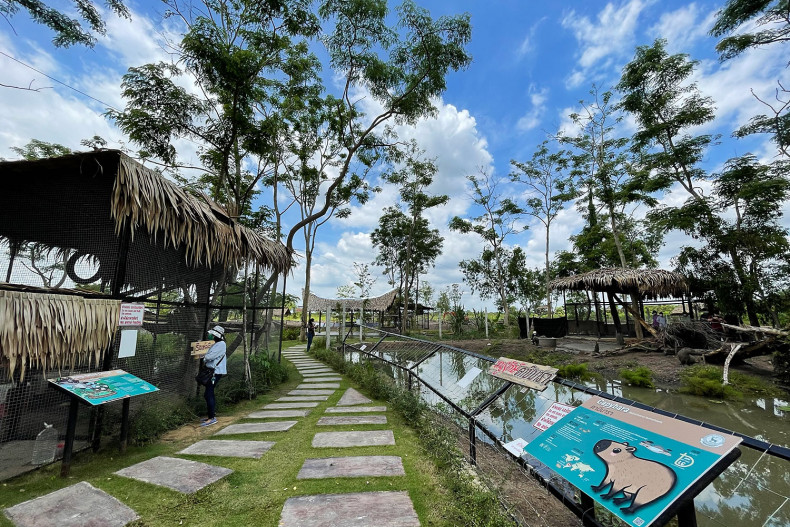
A stroll in another world
Life, Pattarawadee Saengmanee, Published on 23/06/2022
» After Thailand's first zoological park closed in mid-2018, Dusit Zoo relocated to Pathum Thani and reopened earlier this year to serve as a new recreational attraction for families interested in learning about wildlife and biological systems.
Frolicking in Korat
Life, Apinan Poshyananda, Published on 14/03/2022
» Postponed since 2020 due to Covid-19, Thailand Biennale had a grandiose opening last December in Pak Chong and Phimai in Nakhon Ratchasima. Held under the themes of "Butterflies Frolicking On The Mud: Engendering Sensible Capital", "Nature Reigns Supreme In The World. Art Is Having Freedom In One Self" and "Soeng Sin Thin Ya Mo" (Celebration Of Art In The Land Of Ya Mo), the Office of Contemporary Art and Culture (OCAC), Ministry of Culture and Nakhon Ratchasima (Korat) co-hosted the events with a budget of over 120 million baht.
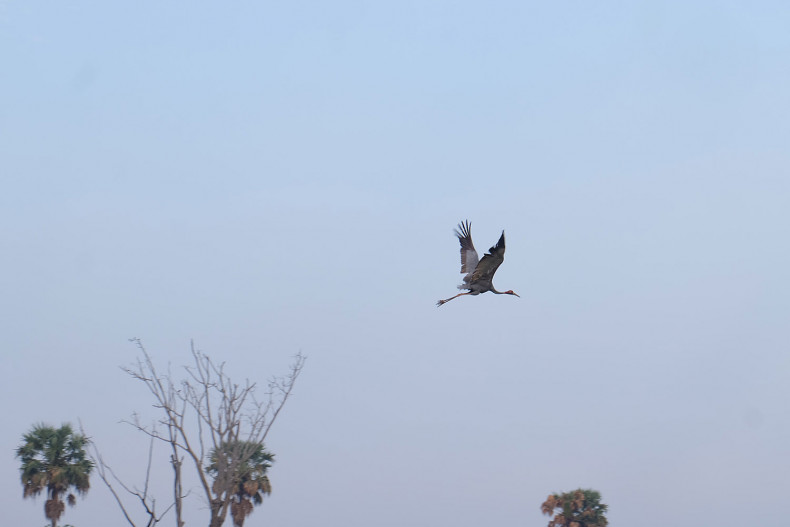
Symbols of eternal love
Life, Thana Boonlert, Published on 01/03/2022
» 'We teach them humans are not friends, but foes," said Tanet Uttaraviset, an animal scientist at Nakhon Ratchasima Zoo, while opening the door of the nursery for young sarus cranes. Inside this leafy circular enclosure is a green puddle where his words echo the conflict between humans and tall waterbirds under threat of extinction.

Adopt a sarus crane nest for a good cause
Life, Suwitcha Chaiyong, Published on 16/09/2021
» In collaboration with the Bird Conservation Society of Thailand and the Zoological Park Organisation, "Sarus Crane Nest Adoption" was established in 2018 to help both sarus cranes and farmers in Buri Ram whose crops are damaged by the birds nesting in their rice fields.
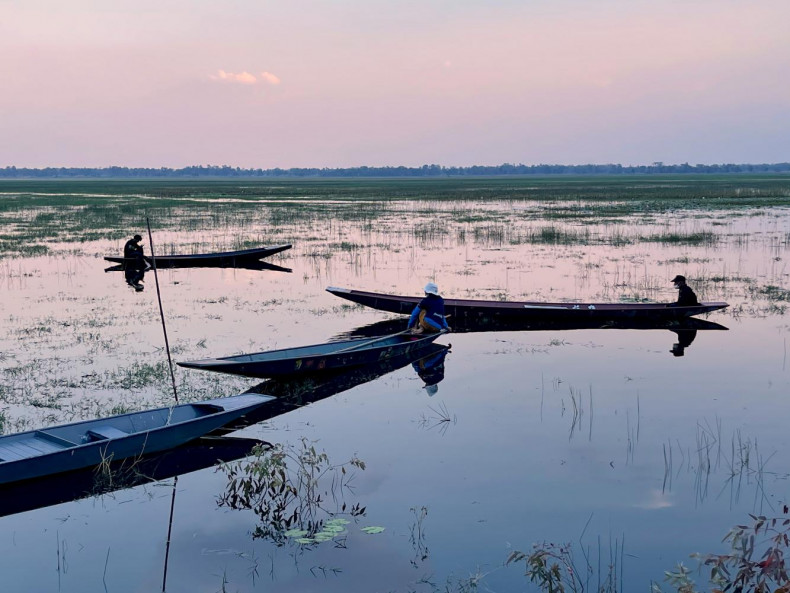
Birding in Buri Ram
Life, Karnjana Karnjanatawe, Published on 18/03/2021
» A series of short high-pitched calls broke the silence and a pair of adult sarus cranes seemed to respond to the calls of other birds.
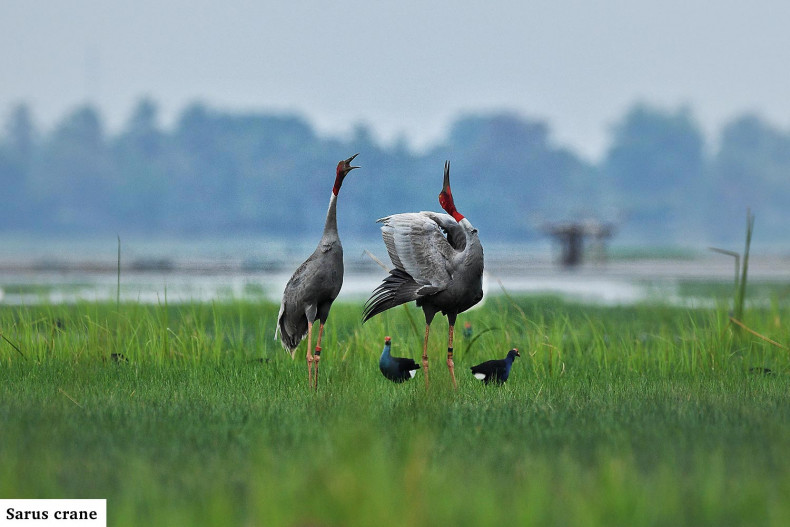
Southeast Asia's birding bubble
Life, Pongpet Mekloy, Published on 08/10/2020
» Normally at this time of year, Puwish Lenvaree would station himself in the forests of West Papua, an Indonesian province on New Guinea Island. Over the past three years, he routinely spent much of the latter half of each year on New Guinea and nearby islands such as Waigeo and Halmahera mainly because it's the mating season for birds-of-paradise, which occurs only in that part of the world.
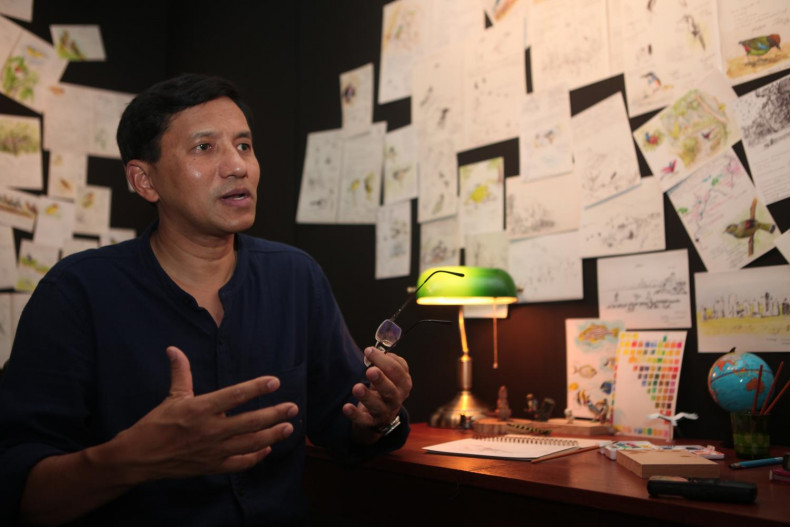
Promoting nature conservation through art
Life, Suwitcha Chaiyong, Published on 28/05/2020
» Back in the day when Dr Rungsrit Kanjanavanit was a high school student, his sister handed him a telescope so he could take a closer look at a flock of birds jumping on a Jamaican cherry. Through the telescope, the vivid colours of red and yellow scarlet minivets and golden fronted leafbirds mesmerised him. Ever since then, he has been attracted to feathered creatures and has become an avid birdwatcher.