




Showing 1 - 10 of 10
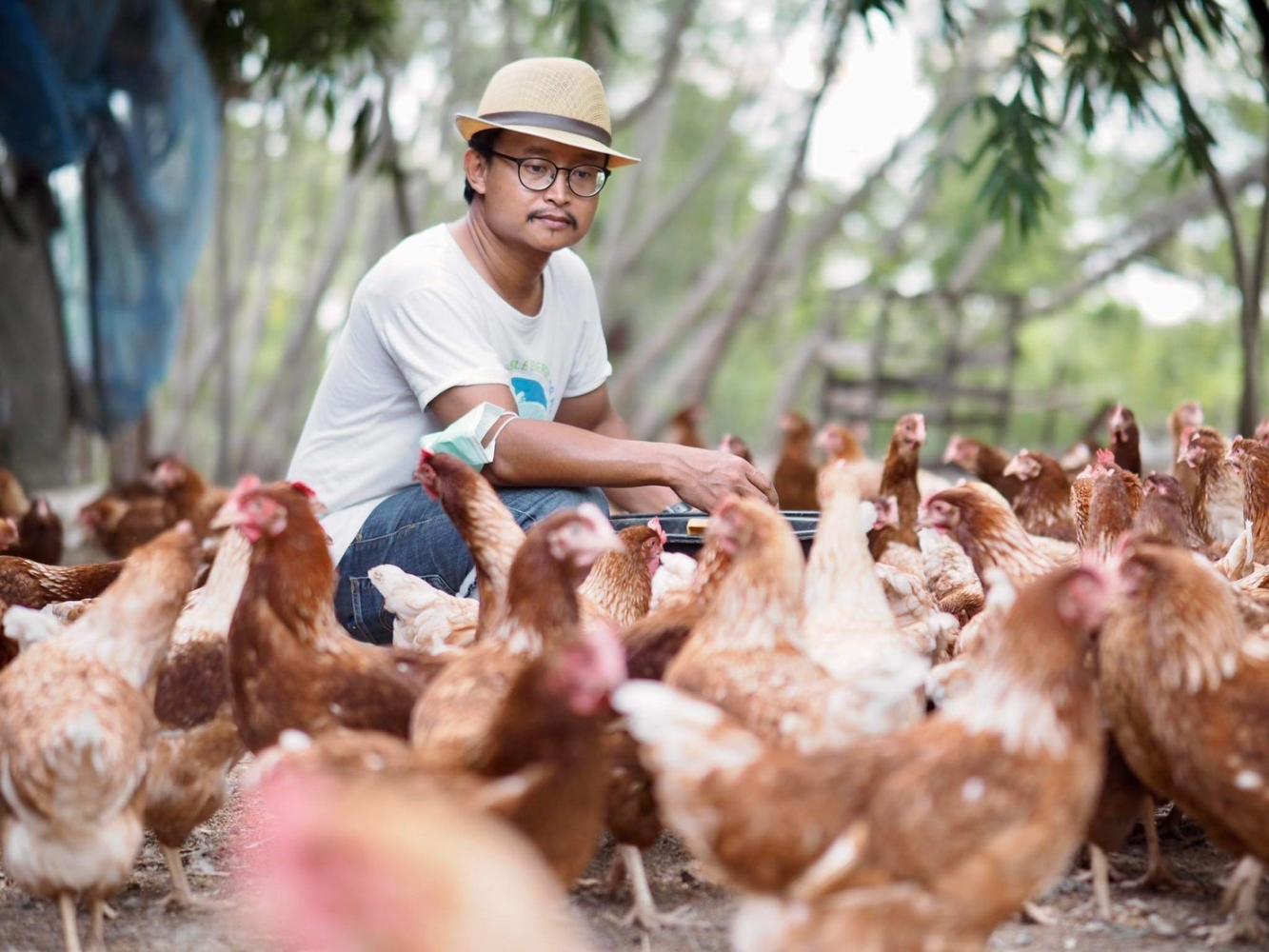
Redefining the future of food
Business, Boonsong Lipimas, Published on 16/02/2026
» At a time when climate change, food waste and rural inequality are converging into a single, complex crisis, Thailand's agricultural debate can no longer be confined to yields, prices or exports alone. The more urgent question is whether the way we produce food today can still sustain the land, the farmers and consumers tomorrow.
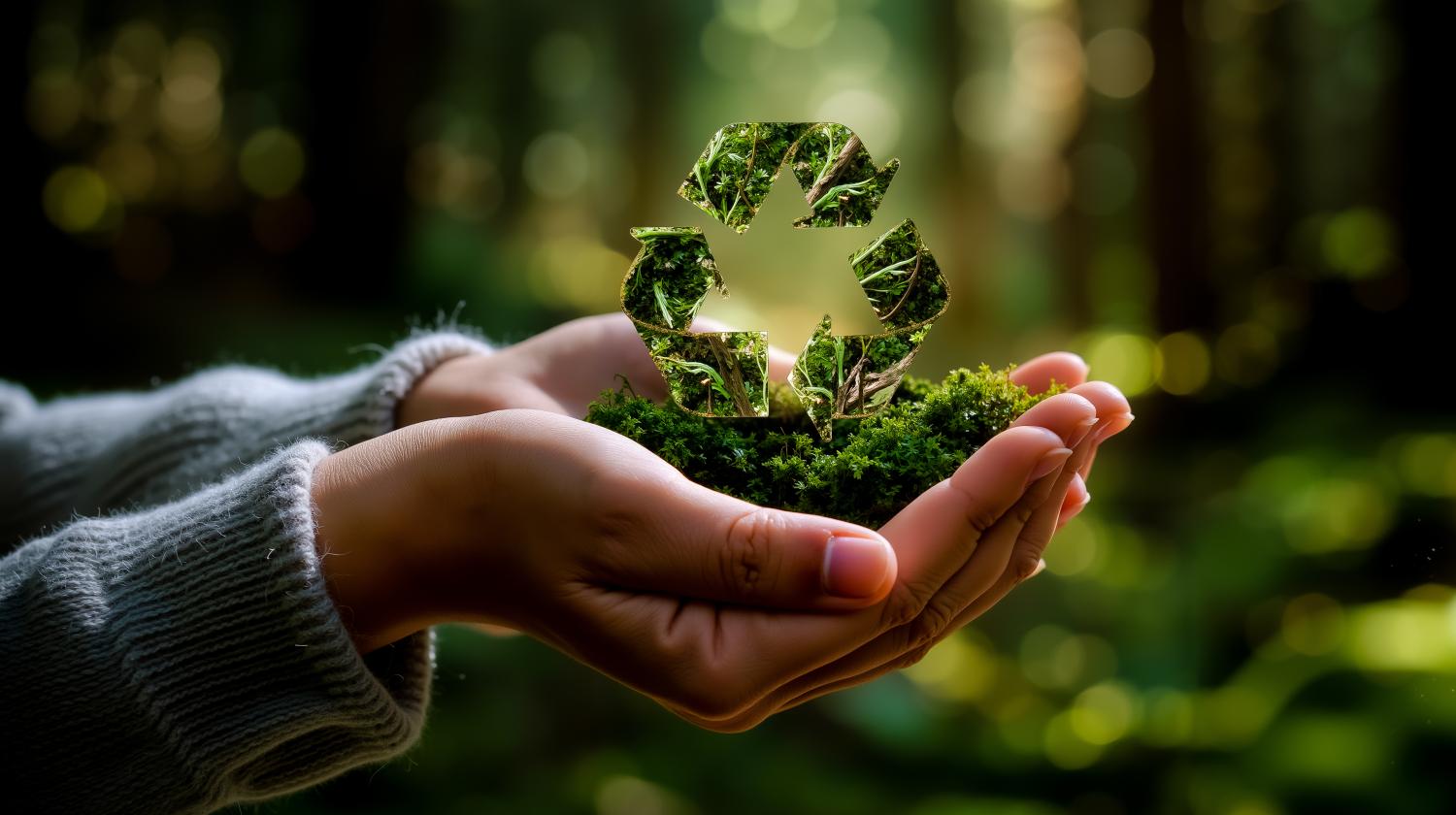
Charging ahead on saving forests
Business, Somruedi Banchongduang, Published on 29/12/2025
» As sustainability rises to the top of Thailand's economic agenda, local banks are increasingly partnering with global payment networks to introduce eco-friendly cards -- turning everyday financial transactions into tools for environmental action.

Science parks take centre stage
Business, SUCHIT LEESA-NGUANSUK, Published on 01/12/2025
» Science and technology parks are essential catalysts for driving the global transition towards environmental, social and governance (ESG) principles, according to executives in the sector.
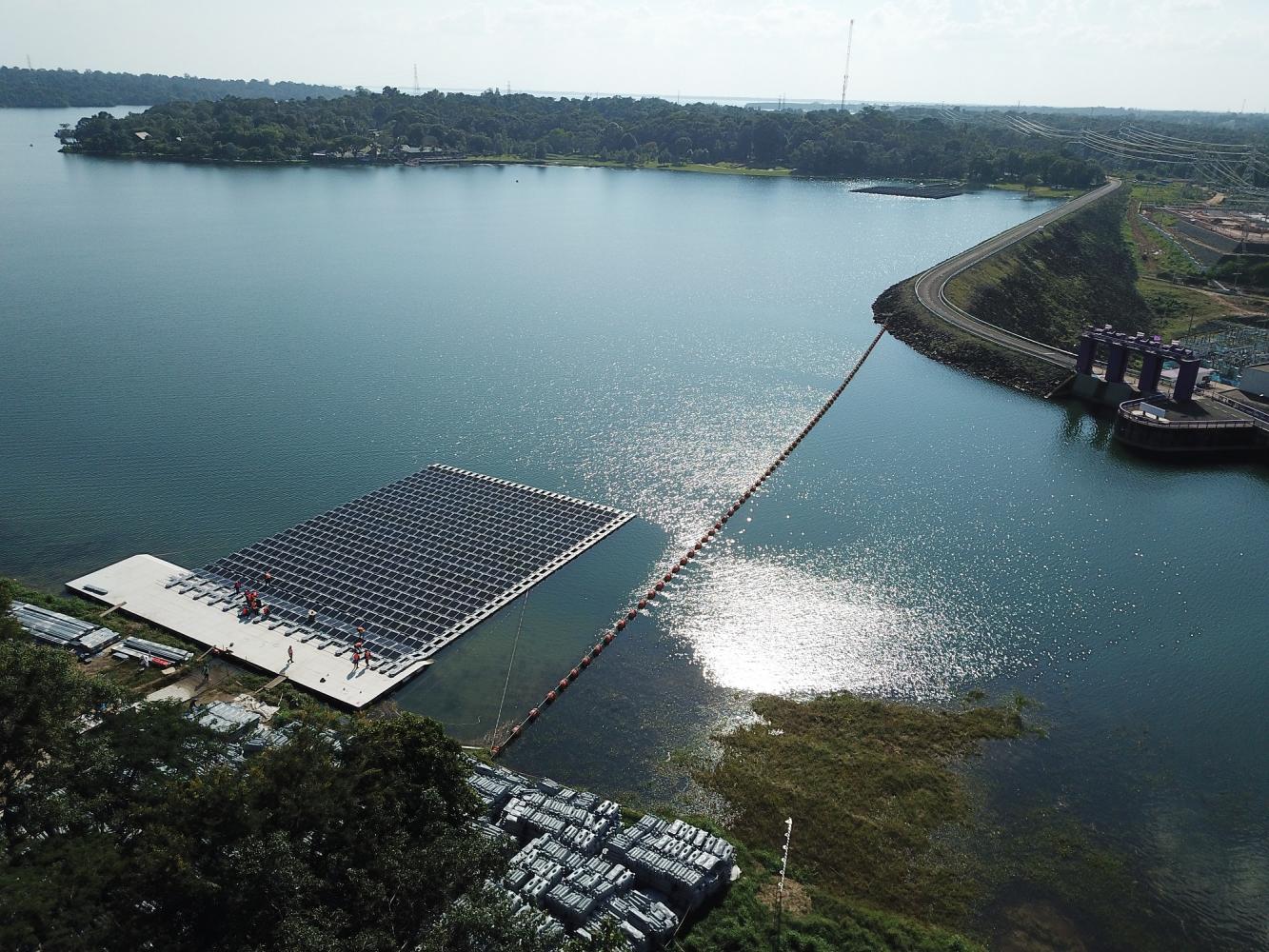
Thailand's SDG path shows gains
Oped, Michaela Friberg-Storey, Published on 25/07/2025
» Thailand presented its third Voluntary National Review at the United Nations High-Level Political Forum in New York. It was a moment to take stock, not only of what has been achieved under the Sustainable Development Goals (SDGs), but of the work still to come. Thailand has shown consistent engagement in this process, having previously submitted reviews in 2017 and 2021, underscoring a clear message: sustainable development remains a national priority.

Thai climate capitalism takes root
Business, Suchit Leesa-nguansuk, Published on 16/06/2025
» Thailand's green tech startups are emerging, in line with the country's ambitious greenhouse gas reduction targets and the global momentum towards environmental, social and governance standards.

Fund vows to drive capital market development
Business, Nuntawun Polkuamdee, Published on 30/05/2025
» The Capital Market Development Fund (CMDF) has reaffirmed its commitment to driving sustainable development in Thailand's capital market, which faces both external and domestic challenges.

Neilson Hays Library presents secondhand book sale
Life, Tatat Bunnag, Published on 29/04/2025
» Neilson Hays Library is delighted to announce a special secondhand book sale from May 17-25. This event offers a wonderful opportunity to browse an extensive selection of fiction and non-fiction titles in English and other languages generously donated by supporters or withdrawn from the library's own collection.

Empowering Thailand’s Workforce with Green Career Skills
Published on 12/03/2025
» A new online platform by RMUTs, Chevron, and IAFSW equips learners with sustainability-driven skills for the future economy.
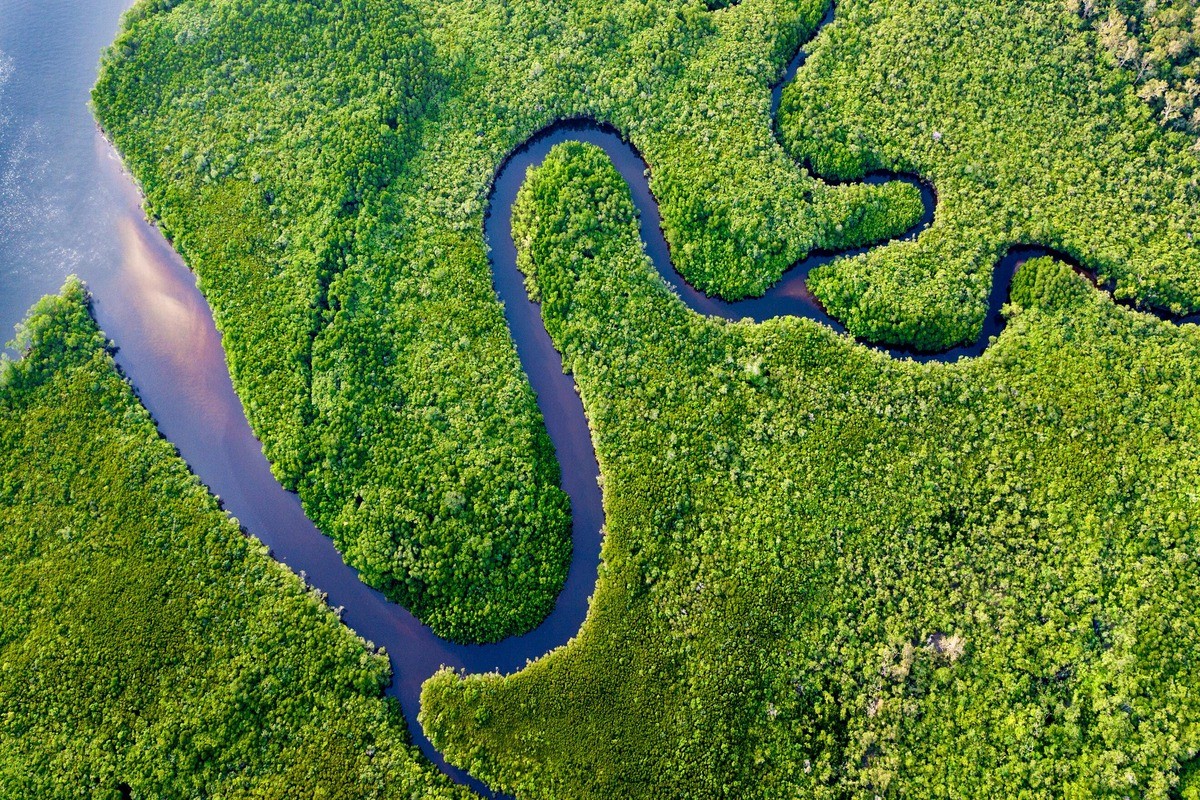
Climate Neutrality... We don't say it's easy – but possible. Together.
Published on 17/05/2024
» Our world is currently facing unprecedented challenges. Yet we must not lose sight of the long-term developments like climate change. The chemical and plastics industry is one of the biggest emitters of greenhouse gases. But we are also part of the solution with innovative products to foster a truly sustainable world and cope with global challenges.A journey of transformation towards sustainability for Covestro includes ambitious targets for initially reducing the emissions generated by our own production (scope 1) as well as emissions from purchased energy sources (scope 2) and becoming climate-neutral in these aspects by 2035. This year, Covestro has announced scope 3 climate neutrality targets by 2050, completing its climate strategy for reducing greenhouse gas emissions. Climate neutrality can only succeed through close cooperation along the entire supply chain. Covestro’s scope 3 climate neutrality targets that make up around 80 percent of the company’s total greenhouse gas emissions are an important part of this and will be implemented alongside customers and suppliers.

What if the world lacks sustainability…
Published on 07/05/2024
» If the world lacks sustainability, we would face severe consequences across environmental, social, and economic domains. Environmental degradation, including deforestation, pollution, habitat loss, and climate change, would accelerate, leading to biodiversity loss, natural disasters, and resource depletion. Socially, inequality and social injustices would likely worsen, exacerbating poverty, food insecurity, and access to clean water and healthcare. Economically, businesses would face increased risks due to resource scarcity, regulatory pressures, and market instability, ultimately impacting global economic stability and prosperity.