



Showing 1 - 10 of 14
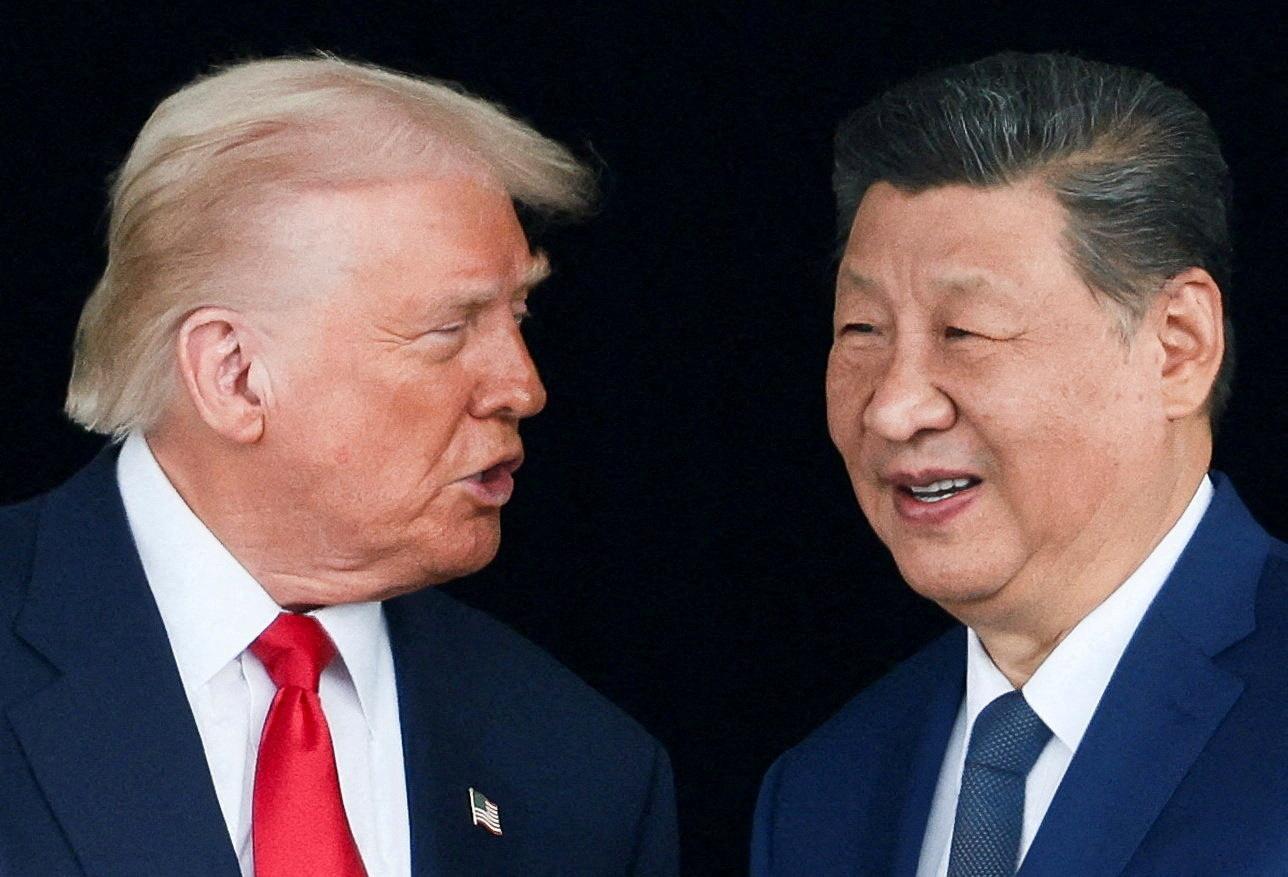
2026 outlook calls for recalibration
News, Mohamed A El-Erian, Published on 17/01/2026
» For global markets, 2025 was defined as much by what did not happen as by what did. The year offered a masterclass in the power of a single narrative, with massive, concentrated bets on AI masking various other unanswered questions. Yet as we move further into 2026, the AI narrative is unlikely to prove strong enough to continue overshadowing other lingering uncertainties, many of which reflect deeper structural shifts. For investors, central banks, and governments alike, the situation demands adaptation.
Future utopias stumble over governance
Oped, Joe Mathews, Published on 20/08/2025
» In 2020, the rapper Akon declared he would build his own eponymous city on the site of the coastal village of Mbodiène, Senegal.
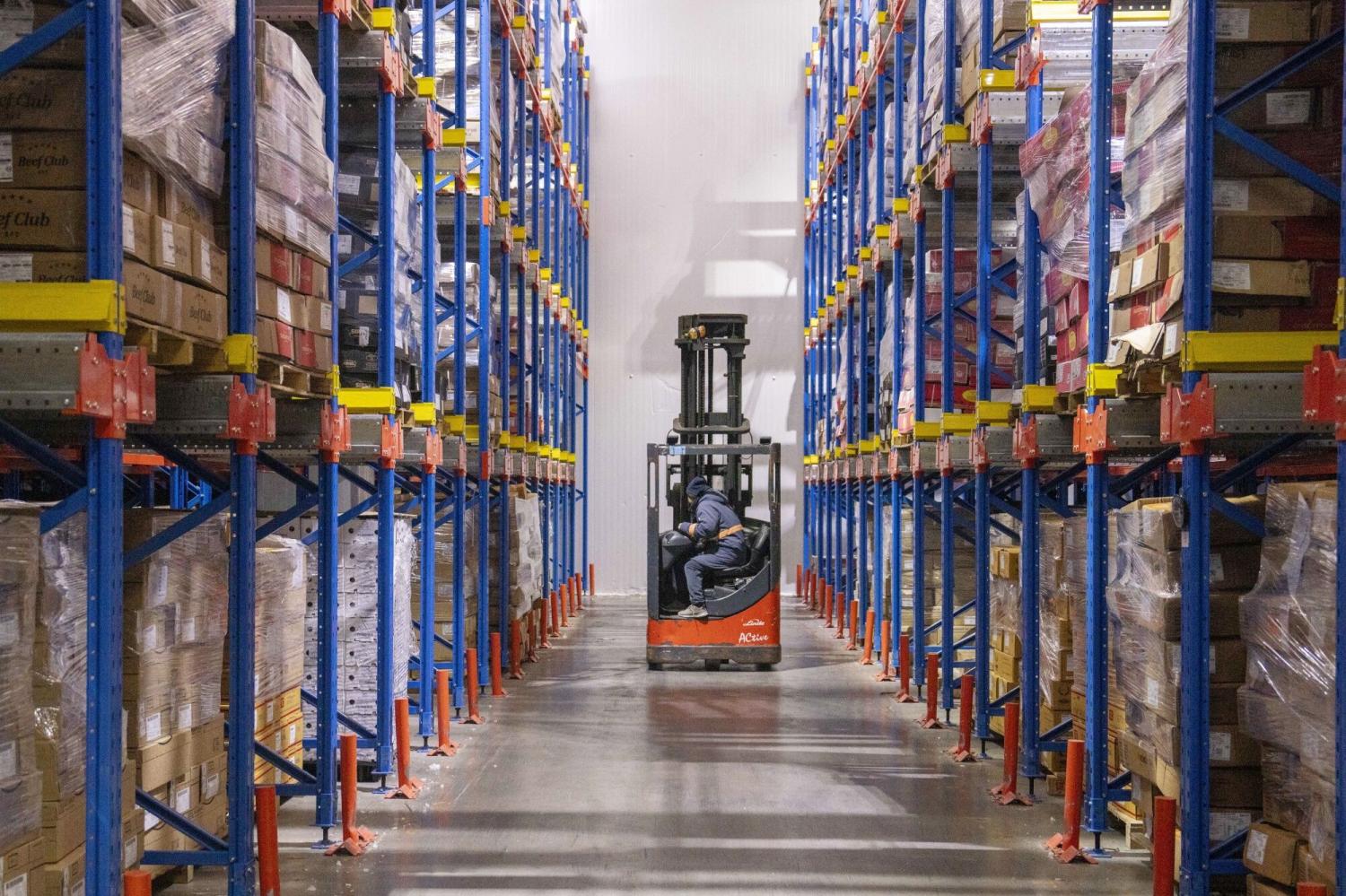
Rethinking development in an era of upheaval
News, Mohamed A El-Erian, Published on 14/08/2025
» For many developing countries, the global economic landscape has shifted dramatically in recent years. Lower growth, disrupted supply chains, reduced aid flows, and heightened financial-market volatility represent significant headwinds. Underpinning these changes is a fundamental restructuring, driven by the developed world, of the postwar economic and financial order. Against this background, a handful of factors are becoming critically important for the current and future well-being of developing countries -- and for the fate of multilateral institutions.

Where is US economic policy taking us this time?
Oped, Mohamed A. El-Erian, Published on 29/05/2025
» Although this year is not even half over, it is already likely to feature in history books as one of extreme policy-induced volatility -- not only in financial markets but also in terms of economic narratives and international relations. But where it will lead remains to be seen. Are we witnessing the fragmenting of the US domestic and international order, or just a bumpy ride towards a beneficial rewiring of both?

Once again, it was the economy, stupid
Oped, Mohamed A El-Erian, Published on 15/11/2024
» 'It's the economy, stupid!" This famous mantra, coined by the political strategist James Carville, helped Bill Clinton unseat President George H W Bush in 1992, and now it explains another election. The economy played a critical role in the 2024 presidential race, creating the conditions not only for Donald Trump to trounce Kamala Harris, and for the Republicans to gain control of the Senate and the House of Representatives, but possibly also for a counter-elite to usher in a new power structure.
Asterisk more than just a footnote
Roger Crutchley, Published on 09/06/2024
» In the ladies golf major tournament last weekend one of the top American amateurs was 15-year-old Asterisk Talley. I don't recall ever coming across Asterisk as a name before. Apparently her mother is Greek and the word asterisk in Greek means "little star". So it would seem quite an acceptable name for a baby.
The AI assembly line ends with the tech giants
News, Parmy Olson, Published on 22/03/2024
» It's almost impossible for an artificial intelligence startup to build anything as good as ChatGPT, but Inflection was getting there.

The growing risk of global disorder
Oped, Mohamed A El-Erian, Published on 26/12/2023
» The Western-led global economic order had a bad 2023. Surprisingly, the primary cause was not the emergence of an alternative order led by China, as some had anticipated. Instead, it was internal stress that led to more doubts around the world about its effectiveness and legitimacy.

The five main drivers of uncertainty
Oped, Mohamed A El-Erian, Published on 02/11/2023
» Businesses, governments, and investors were already navigating a foggy global landscape before the tragic events unfolding in the Middle East. But the horrible conflict between Hamas and Israel, which has already led to enormous suffering and claimed the lives of thousands of civilians, including so many children, has introduced a new layer of uncertainty for the global economy, the subject of this commentary.

Global rulebook needs a facelift
Oped, Gordon Brown, Published on 28/09/2023
» After India's G20 summit and the UN General Assembly this month, world leaders next month will attend the International Monetary Fund and World Bank meetings in Marrakesh, before heading to the UN Climate Change Conference (COP28) in Dubai. But there is little optimism that these summits will deliver meaningful progress in tackling our greatest challenges, not because of any lack of resolve, but because the global rulebook we have been following since the end of World War II is no longer fit for purpose.