




Showing 1 - 10 of 3,631

Rethink handouts
Oped, Postbag, Published on 10/04/2026
» Re: "Co-pay scheme misses mark", (Editorial, April 5).

Clean Air Bill unites rivals
Oped, Editorial, Published on 10/04/2026
» It is encouraging news that opposition parties -- political rivals who rarely see eye to eye -- have launched a campaign this week to push for clean air legislation. This move comes after the former Clean Air Bill was killed off in its final reading last week by lawmakers led by the Bhumjaithai Party (BJT), which controls the Lower House.
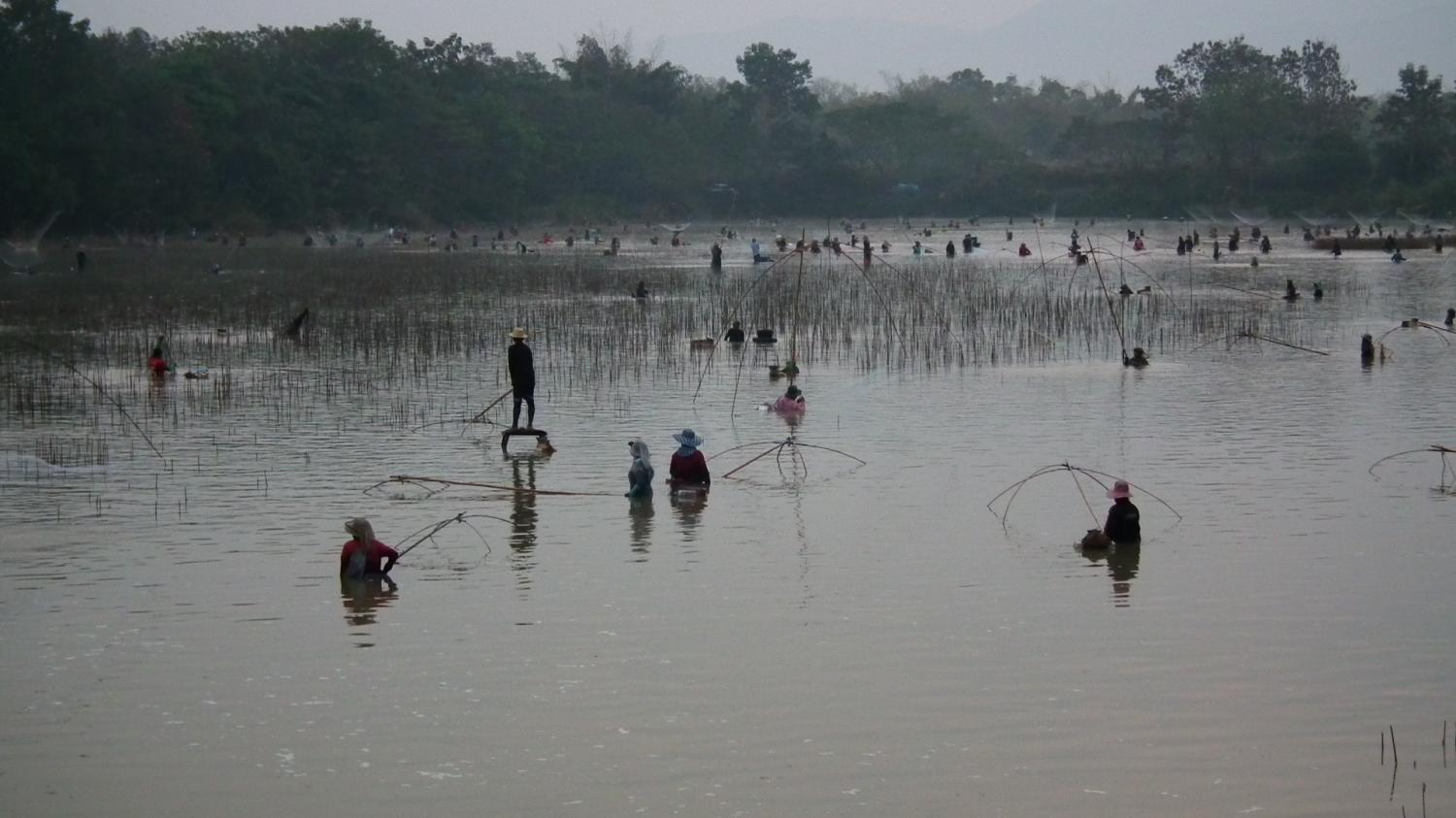
Let's save Chiang Rai's wetlands
Oped, Rungsrit Kanjanavanit, Published on 10/04/2026
» Wetlands are essential for Thailand's ecological health. Yet our wetlands face threats nationwide. In Chiang Rai province, the Royal Irrigation Department has dispatched bulldozers to convert the Wiang Nong Lom Wetland from a living landscape into a water reservoir, erasing its vitality as a natural system.

It's a revenue grab
Oped, Postbag, Published on 09/04/2026
» Re: "Thailand plans mandatory accident insurance for foreign visitors", (Business, April 8).
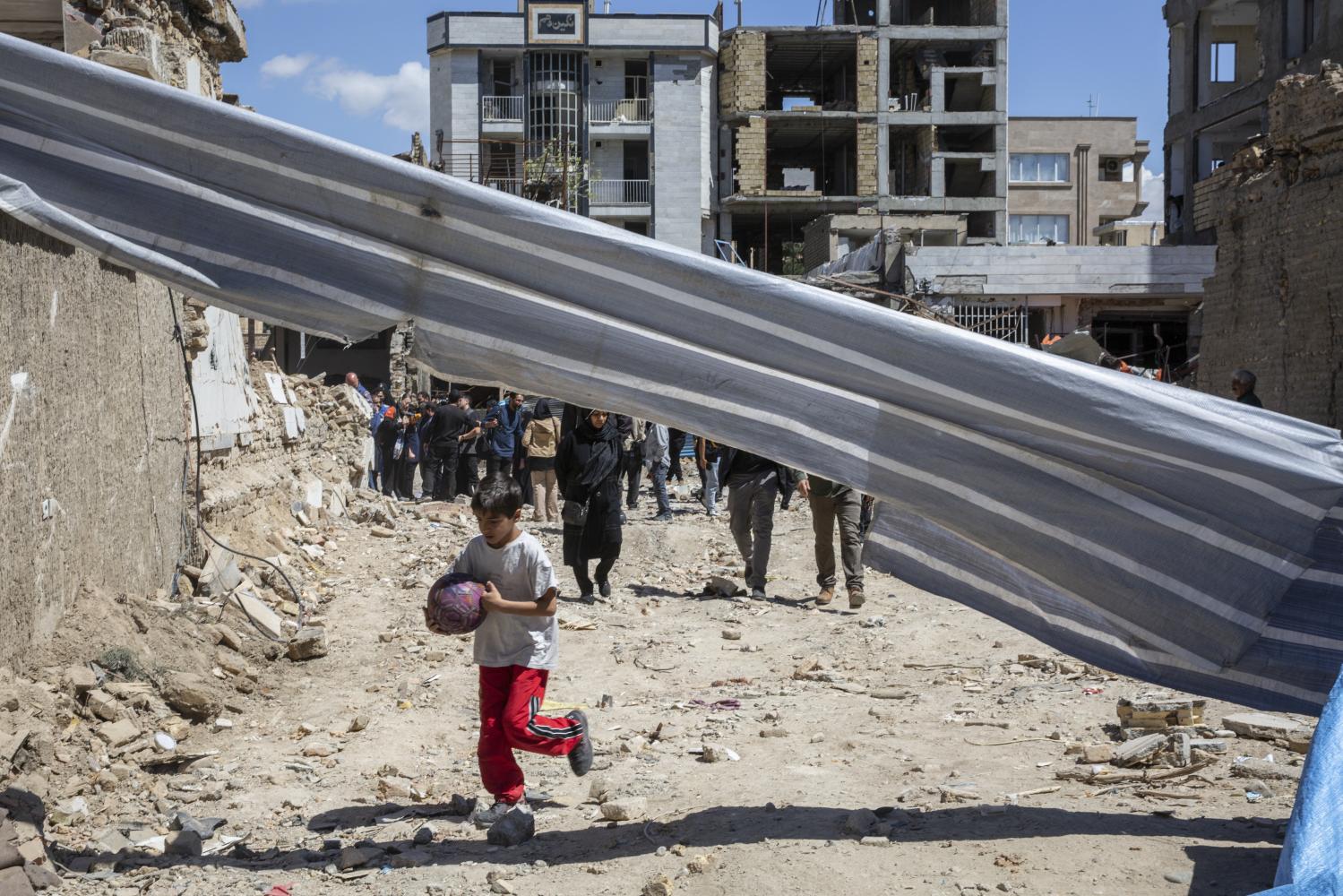
Modern-day mispricing of war
Oped, Antara Haldar, Published on 09/04/2026
» In the space of just a few weeks, the throttling of shipping traffic through the Strait of Hormuz has revealed the true nature of the US-Israeli war with Iran. This is no regional conflict, because the entire world is being invoiced. While the size of the bill remains to be determined, it is already obvious that the belligerents won't be the only ones paying the tab.

Policy debate a litmus test
Oped, Editorial, Published on 09/04/2026
» A major showdown looks set to take place between the government and the opposition as Parliament begins its policy debate later today.
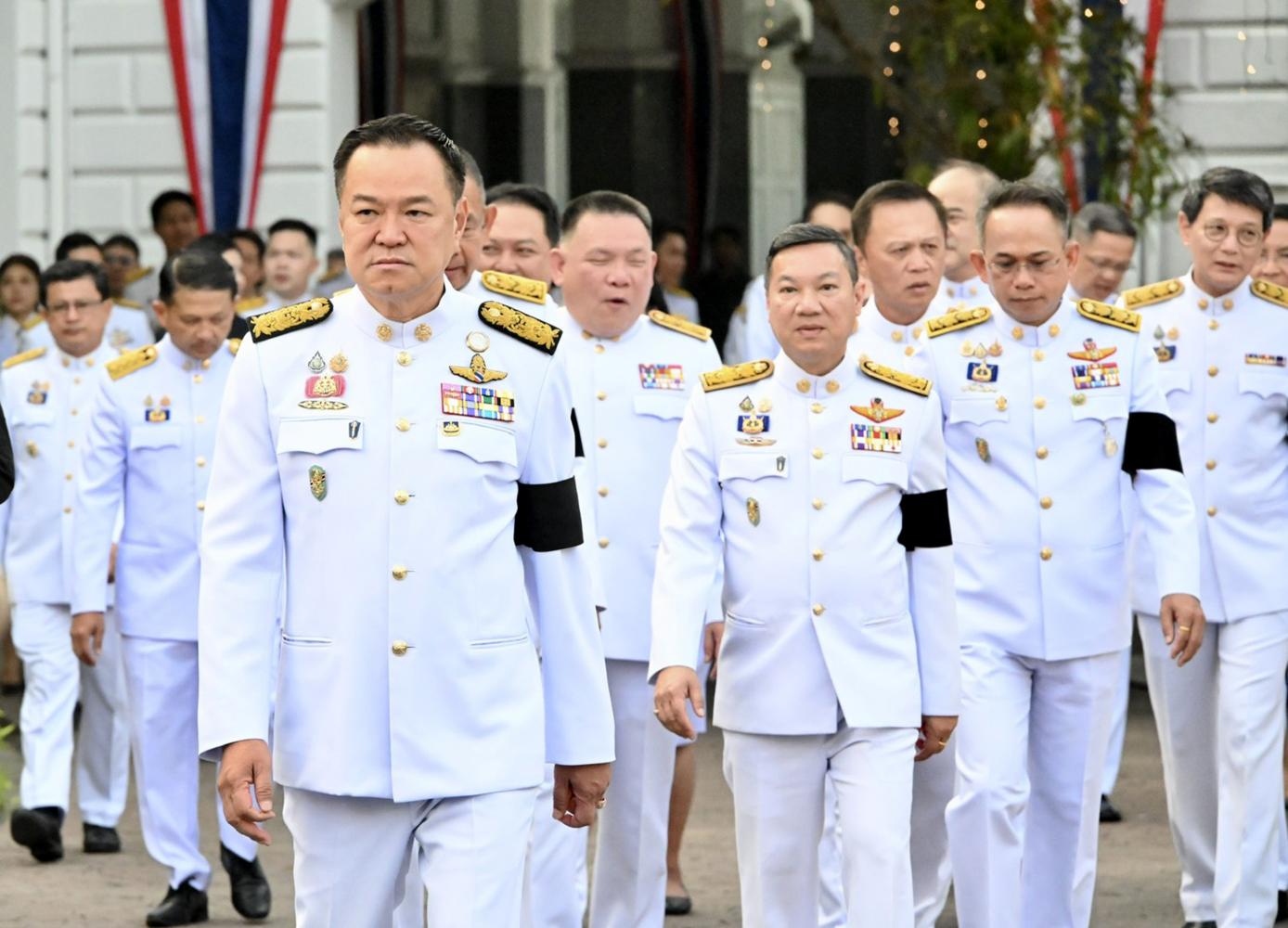
Government stability tests performance
Oped, Thitinan Pongsudhirak, Published on 03/04/2026
» Prime Minister Anutin Charnvirakul has gone from strength to strength, leveraging a stopgap minority government late last year into solid majority rule after the Feb 8 election.
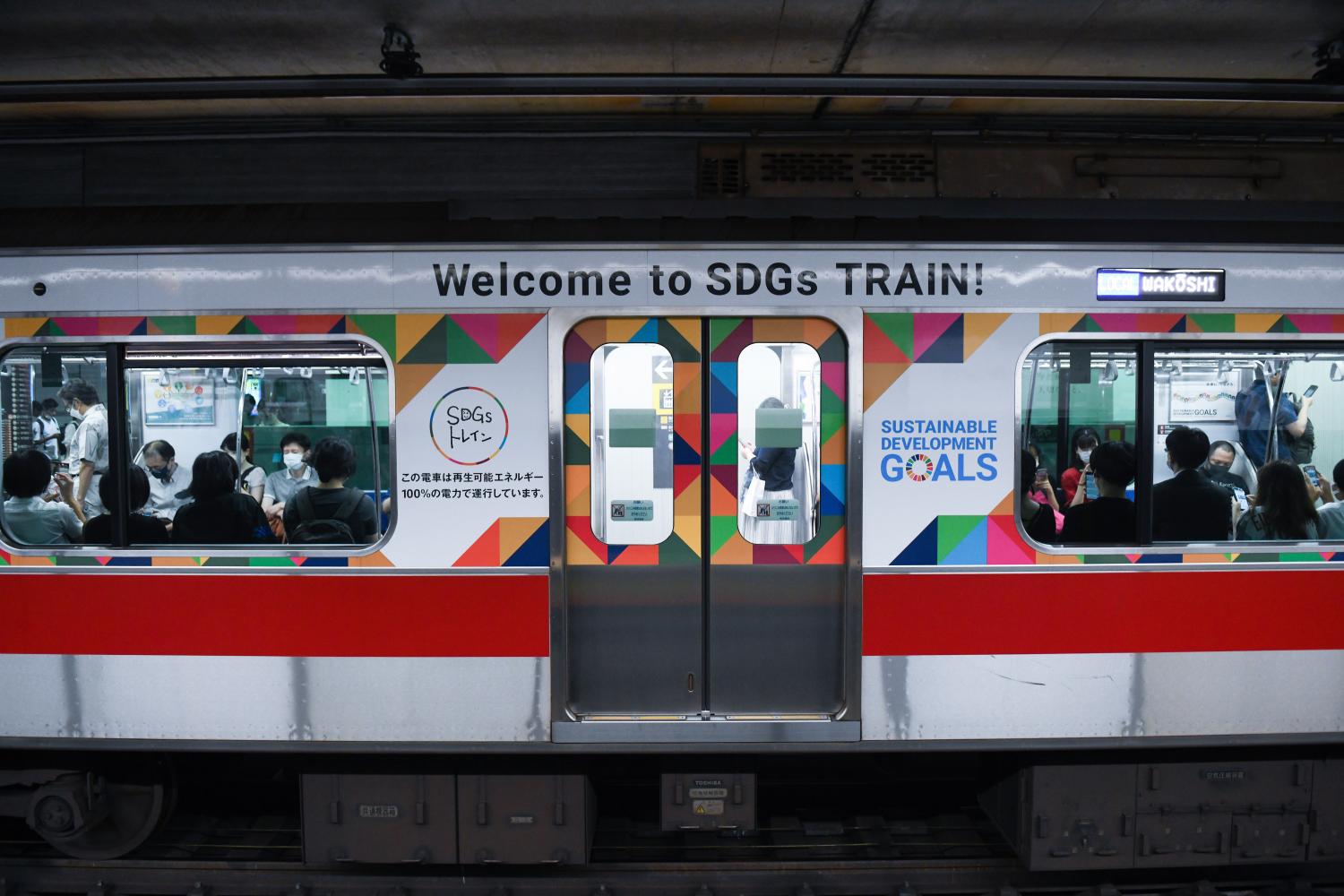
Where are we in terms of SDGs?
Oped, Evgeny Tomikhin, Published on 03/04/2026
» As 2026 began, the United Nations Commission for Asia and the Pacific (Unescap) headquarters reopened its doors for the annual Asia-Pacific Forum for Sustainable Development (APFSD).
Some shock therapy or slow healing?
Oped, Chartchai Parasuk, Published on 02/04/2026
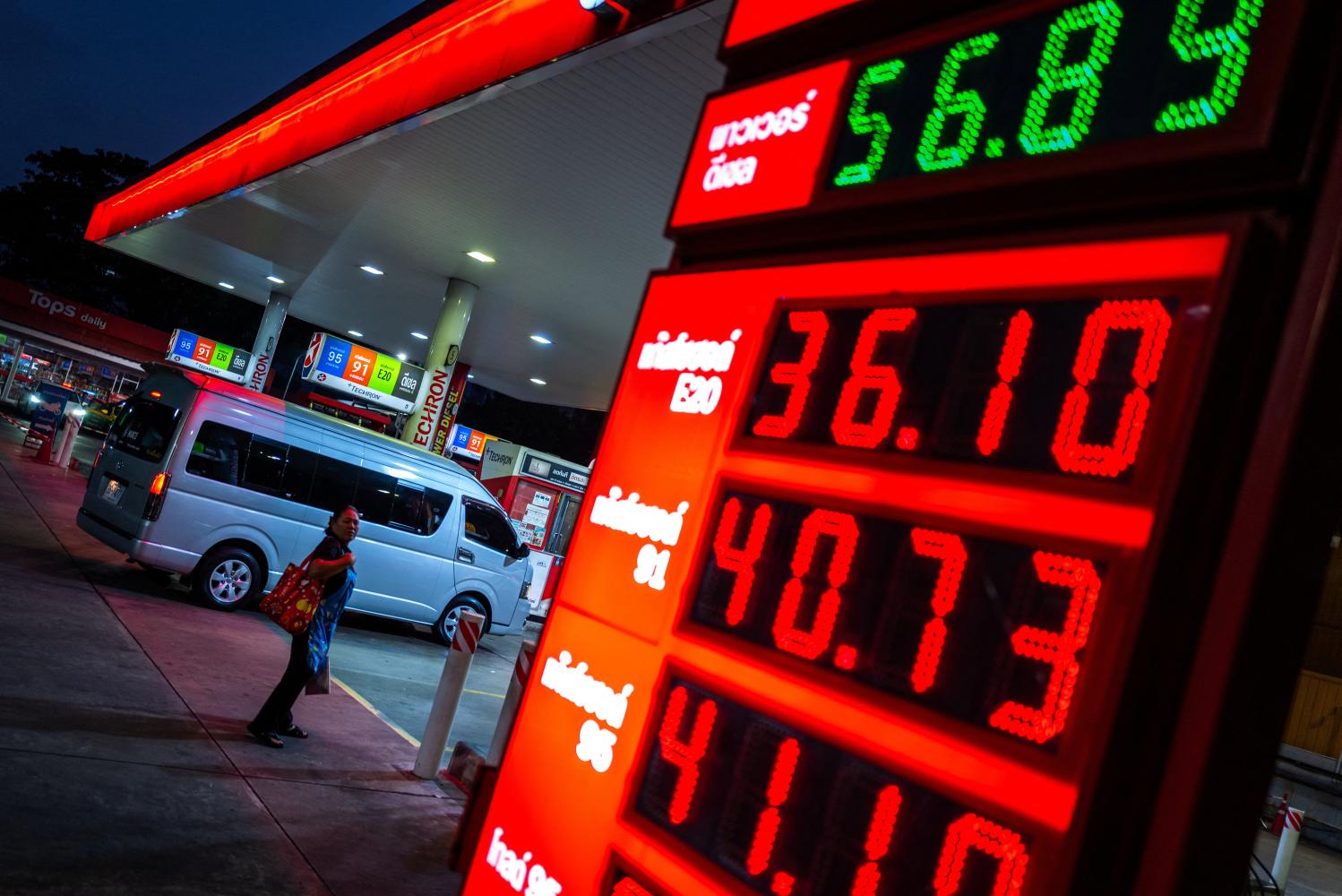
» Do readers prefer shock therapy or slow healing? This is not a health question, but an important economic one.

Fuel-saving ideas
Oped, Postbag, Published on 02/04/2026
» Re: "PM apologises for fuel 'chaos'", (BP, March 28).