



Showing 1 - 10 of 135
Impacts of Iran war on Southeast Asia
Oped, Thitinan Pongsudhirak, Published on 20/03/2026
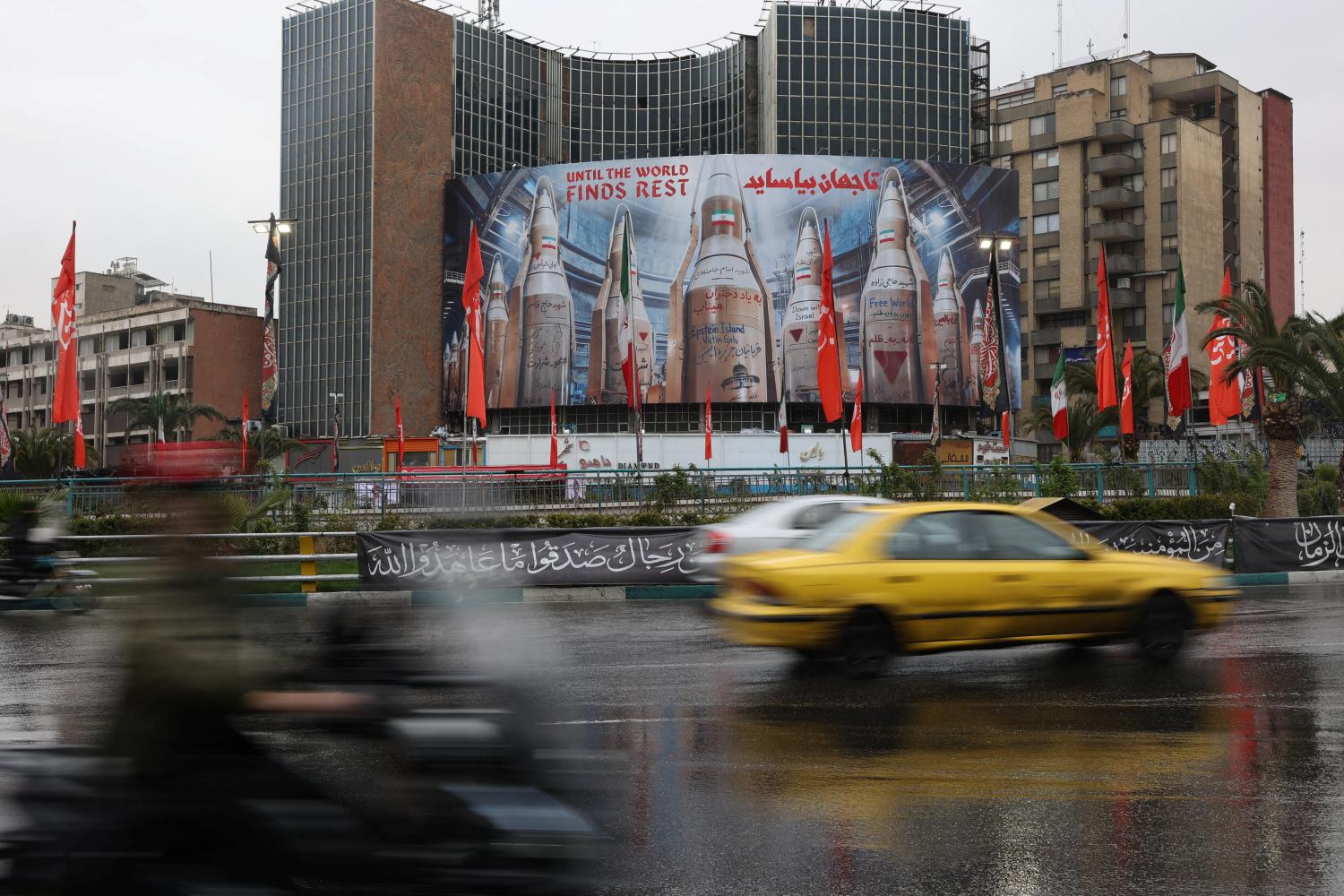
» For the most part, Southeast Asia as a region has taken a neutral stance toward the joint attack between the United States and Israel against the Islamic Republic of Iran. Even the Philippines and Thailand, two formal US treaty allies, have distanced themselves, calling for restraint and de-escalation.

Diversification key to surviving volatility
Oped, Sally Tyler, Published on 13/03/2026
» On the day I am writing this editorial, I was meant to be travelling to Bangkok for one of my periodic visits to a city I have grown to love. I am always keen to shave off a few hours from a long-haul flight, which means the shortest flight path from my home in Washington, DC, would take me through Abu Dhabi, but my flight was cancelled like thousands of others due to the ongoing conflict in the Mideast. My inconvenience is nothing compared to the destruction endured by those on the ground, but it illustrates the expanding global impact of the US/Israel/Iran War.
It's never been more important to strengthen ties
Oped, Genevieve Donnellon-May, Published on 09/03/2026
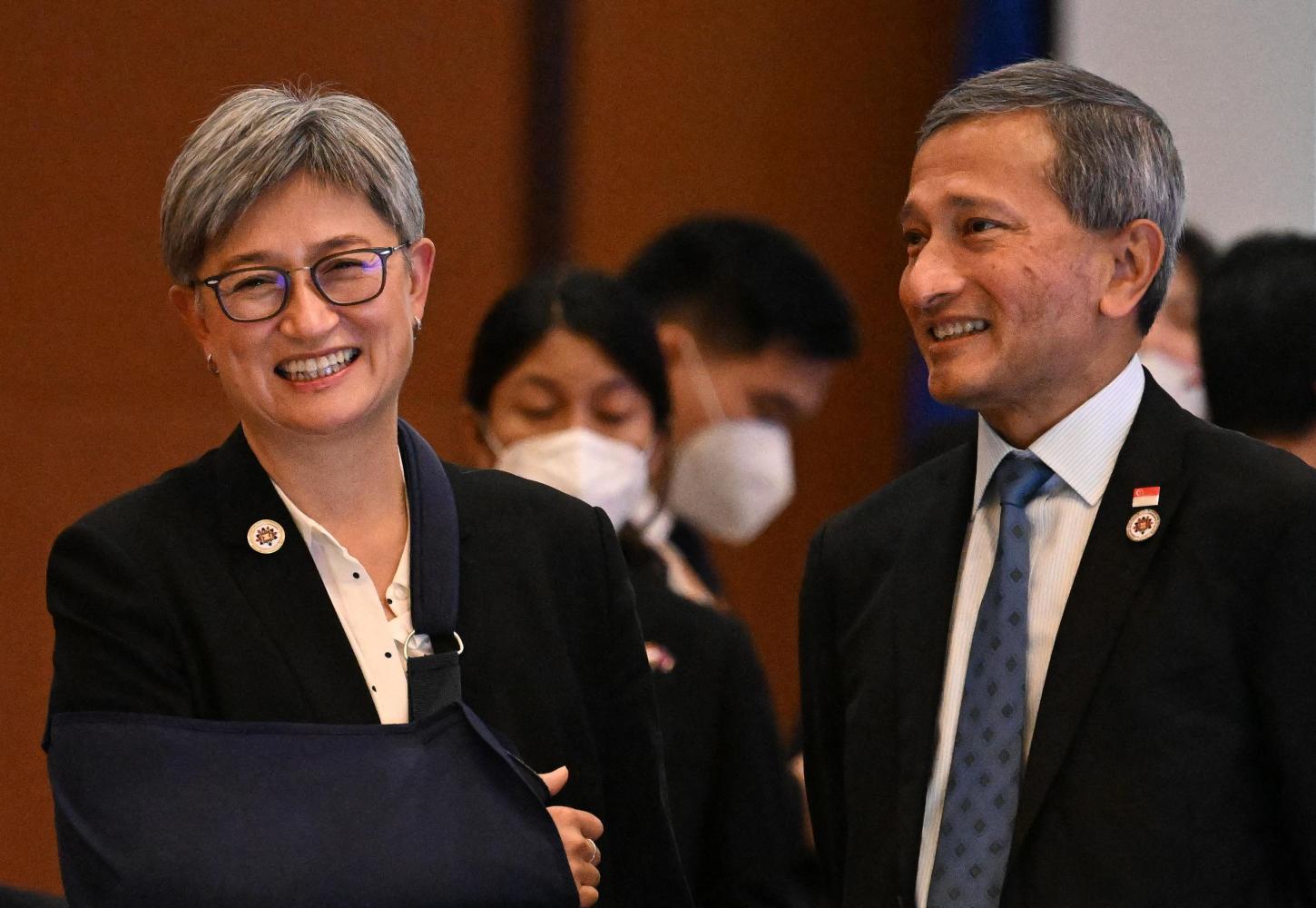
» Australia and the Association of Southeast Asian Nations (Asean) face a defining moment. Intensifying great-power competition, climate crises and economic fragmentation are reshaping the Indo-Pacific, raising urgent questions about how the two sides can build a truly resilient partnership.
Keeping Asia's growth engine on track
News, Thomas Noto Suoneto & Genevieve Donnellon-May, Published on 28/02/2026
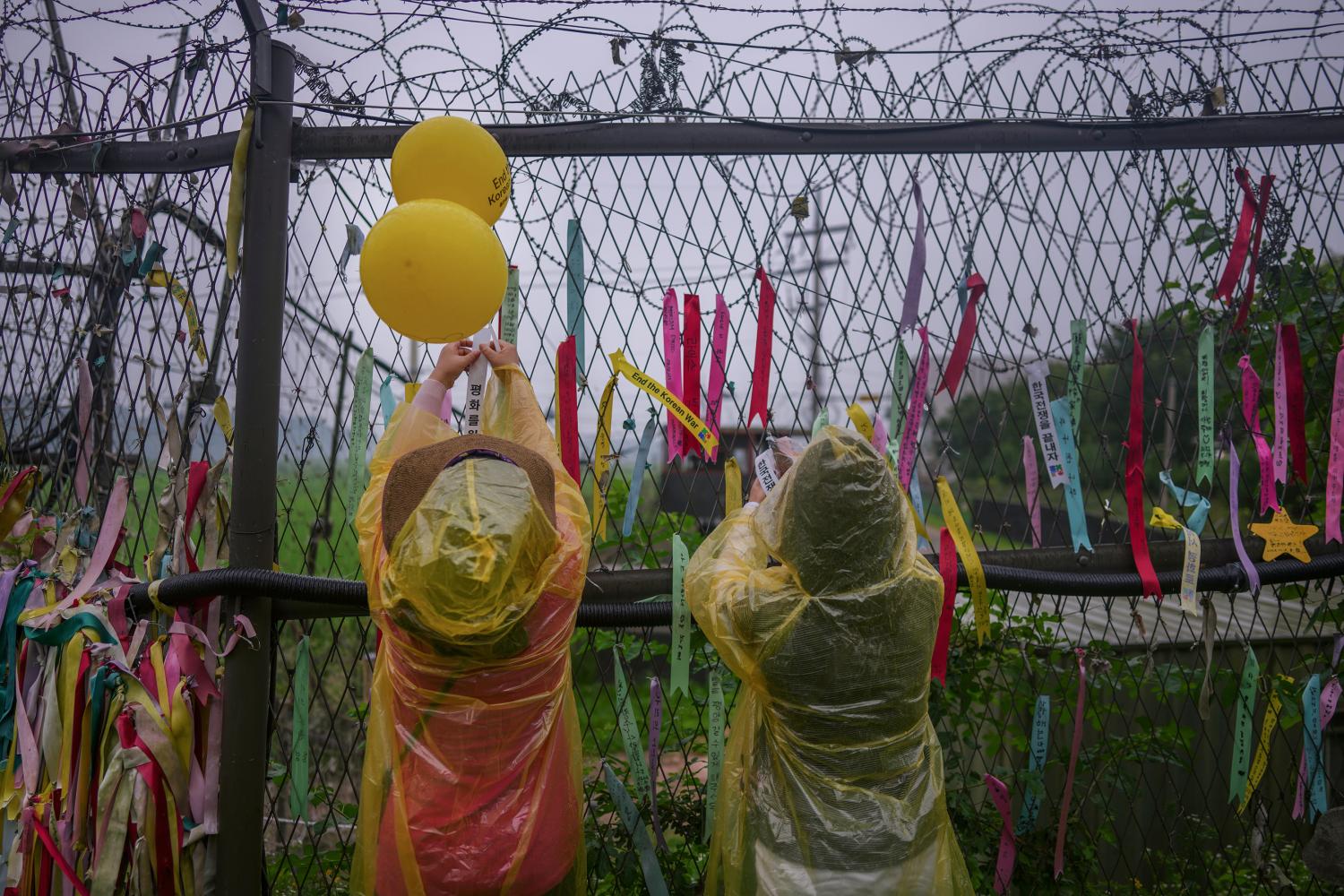
» Asia stands at a decisive crossroads. The region remains the world's most powerful growth engine, with many Asean economies expanding above 5% and Asia-wide growth projected to exceed 4% in 2026 -- well above the global average of roughly 3.1%. Strong domestic demand, rising middle classes, and rapid technological adoption continue to propel the region forward, cementing its role as the central driver of global economic growth.
Minilateralism's necessary rise
Oped, Prabhat Upadhyaya & Saliem Fakir, Published on 23/02/2026
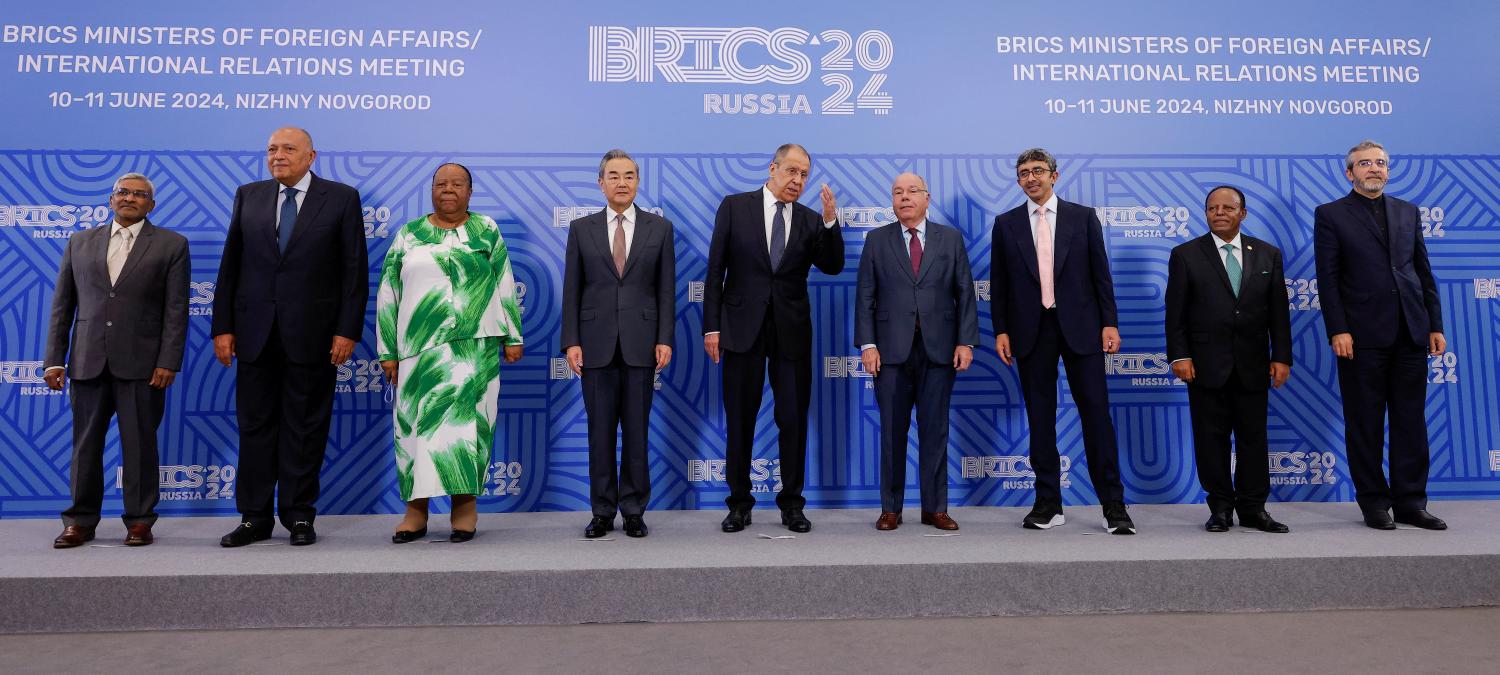
» If there was any doubt remaining about the return of great-power politics, it has been dispelled by US President Donald Trump's attack on Venezuela, threats to annex Greenland, and refusal to extend the New Start treaty limiting the nuclear arsenals of the United States and Russia. Such geopolitical upheavals are driven by "the will to power", as Adam Tooze has pointed out -- including "power over resources, purchasing power, the ability to resist the influence of others."

Middle powers can do their bit
News, Moreno Bertoldi & Marco Buti, Published on 02/02/2026
» Amid escalating geopolitical tensions, the world is increasingly caught between the United States -- an extractive superpower -- and China, a "dependency superpower" whose global influence rests on making other countries reliant on its exports. In the absence of meaningful resistance, both are likely to remain on this course, leaving middle powers to comply with their demands or face retaliation.

Survival of the tastiest in 2026
Petprakai Hansiri, Published on 20/01/2026
» Over the past year, our social media feeds were flooded by highly visual treats, from cheese-pull sensations to extravagant snacks. When looking back in a fridge today, those fleeting trends have been replaced by familiar, simple-looking essentials.
Trump's doubling of tariffs is hitting India hard
Oped, Shashi Tharoor, Published on 05/12/2025
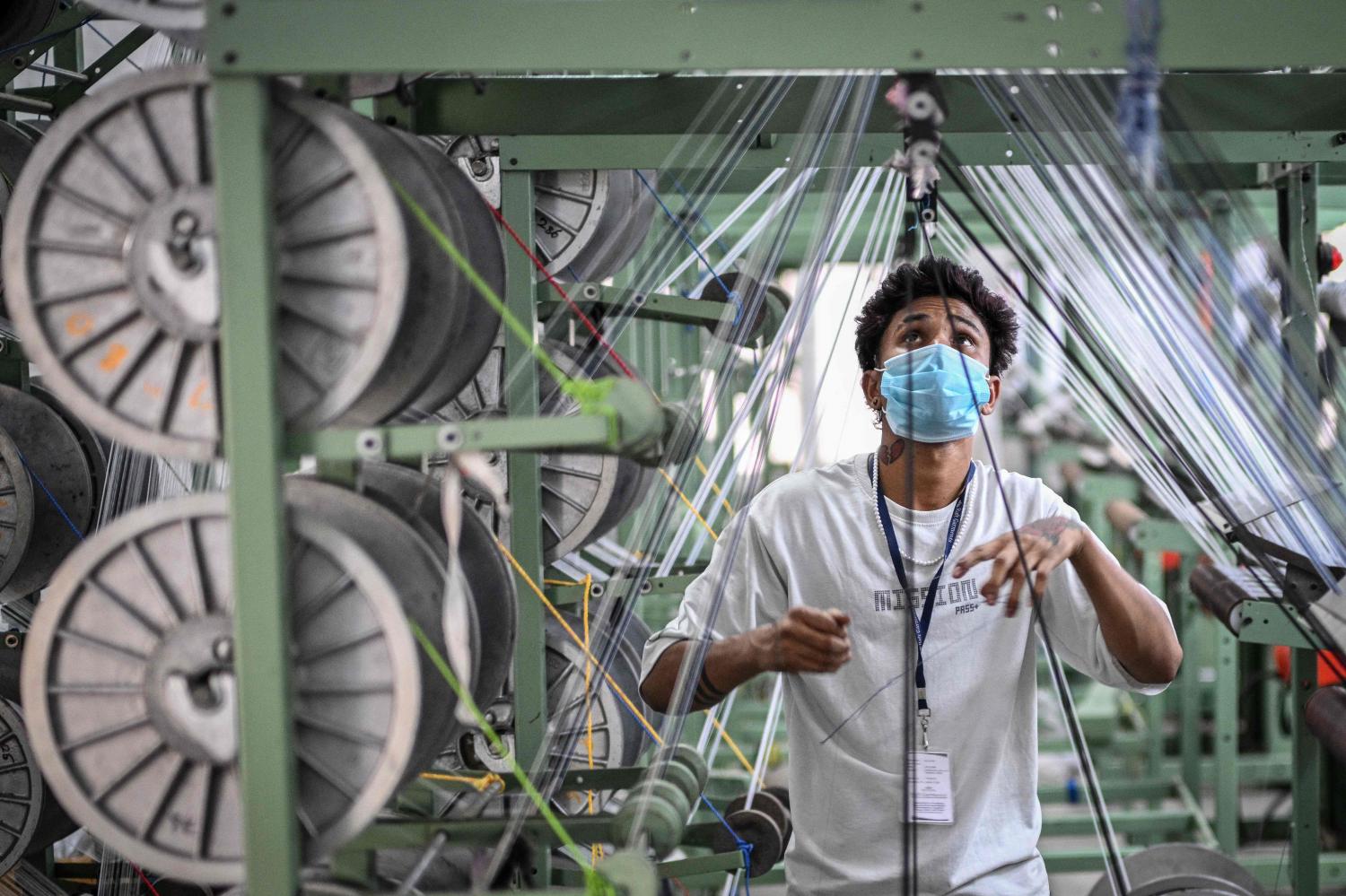
» US President Donald Trump's doubling of tariffs on a wide range of Indian goods, from a steep 25% to a catastrophic 50%, is reshaping India's export economy. Half of what India sells to the United States -- its largest trading partner -- is now prohibitively expensive, and ordinary Indians are suffering as a result.
Asean must grab its rare-earth shot
News, Imran Khalid, Published on 22/11/2025
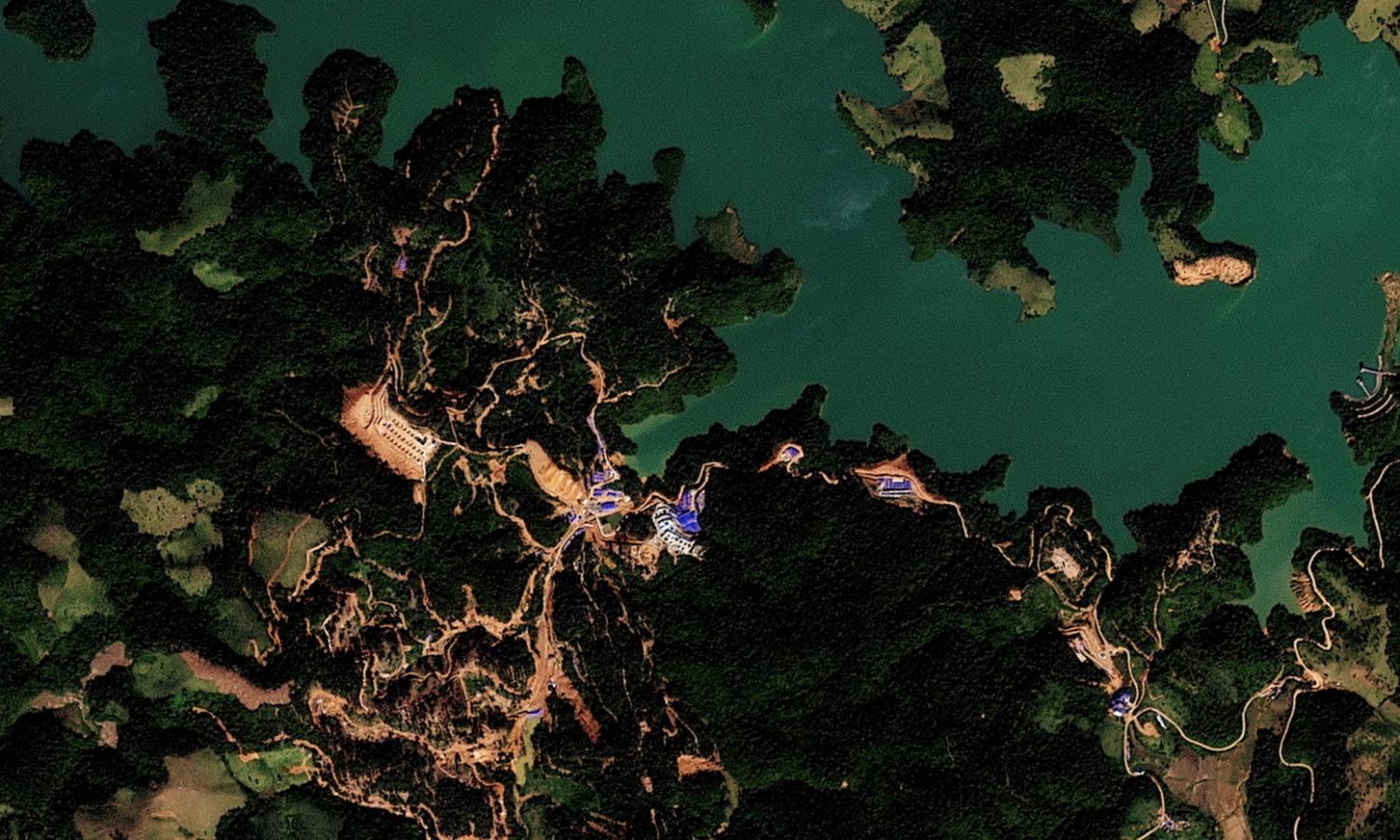
» US President Donald Trump's return to Southeast Asia last month felt like a rerun -- tariffs, tough talk, and televised deals. But this time, he left behind more than headlines. From Kuala Lumpur to Hanoi, Mr Trump inked trade pacts promising tariff relief on US exports in exchange for joint ventures in mining and refining the rare-earth minerals that power the world's clean-tech boom.
Southeast Asia squeezed by superpowers
News, Manishi Raychaudhuri, Published on 15/11/2025
» Southeast Asian nations are in a bind. While the Association of Southeast Asian Nations' (Asean) exporters face increasing pressure from US tariffs and heightened scrutiny of transshipments, their domestic markets are increasingly being dominated by Chinese goods.