




Showing 1 - 10 of 1,649
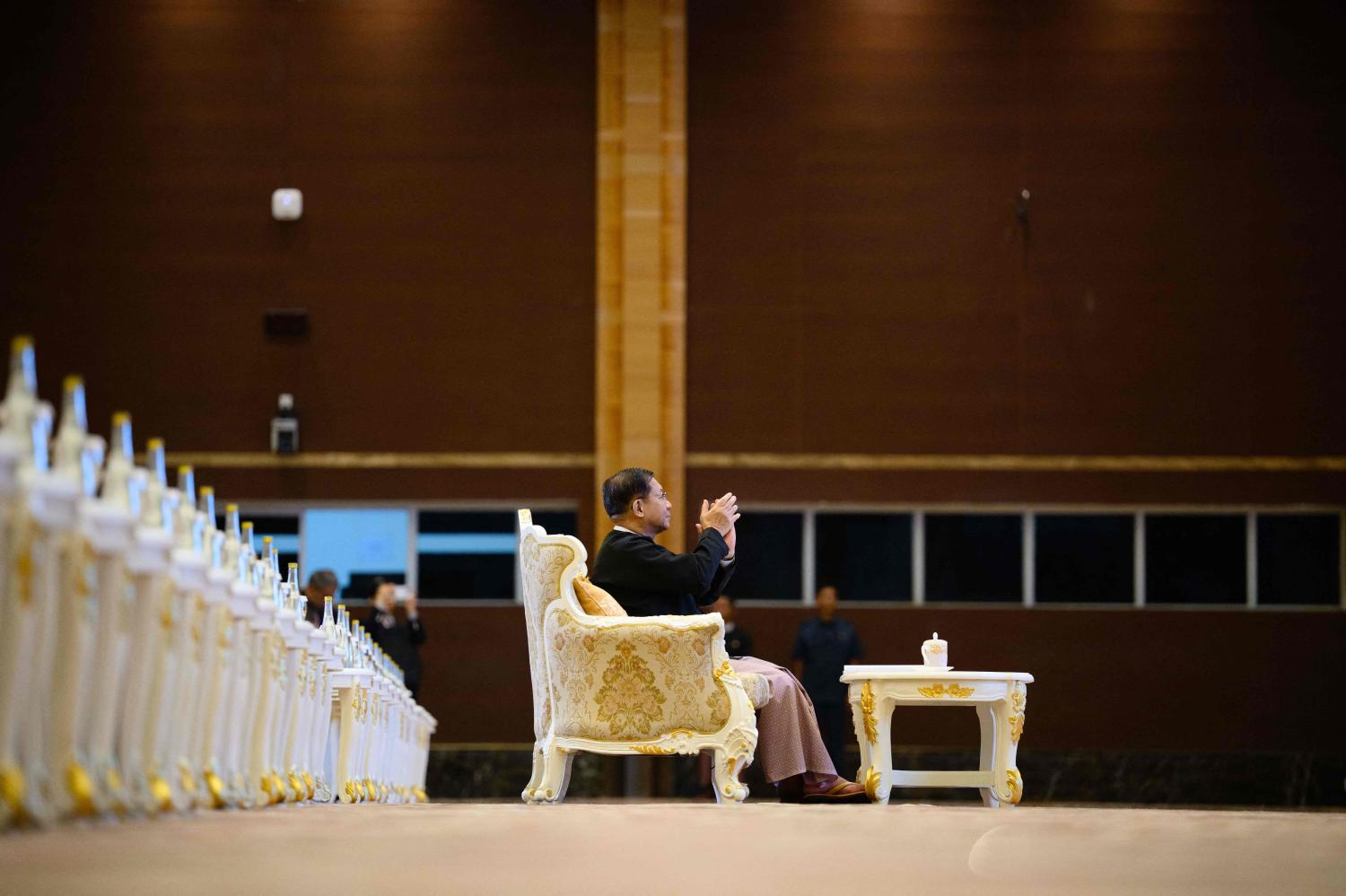
Myanmar's robbery of a democracy
Oped, Thitinan Pongsudhirak, Published on 24/04/2026
» Five long years after Myanmar's military seized power on 1 Feb 2021, what has taken place in recent weeks amounts to a delayed fait accompli. Led by Senior General Min Aung Hlaing, then commander-in-chief of the armed forces, the coup diverged from its traditional playbook seen in 1962 and 1988, when tanks rolled and the military ruled by brute force. This time, the takeover nearly unravelled amid a nationwide uprising that evolved into a civil war, waged by an armed and determined resistance comprising the civilian-led National Unity Government (NUG), the People's Defence Forces (PDFs), and a constellation of Ethnic Armed Organisations (EAOs).
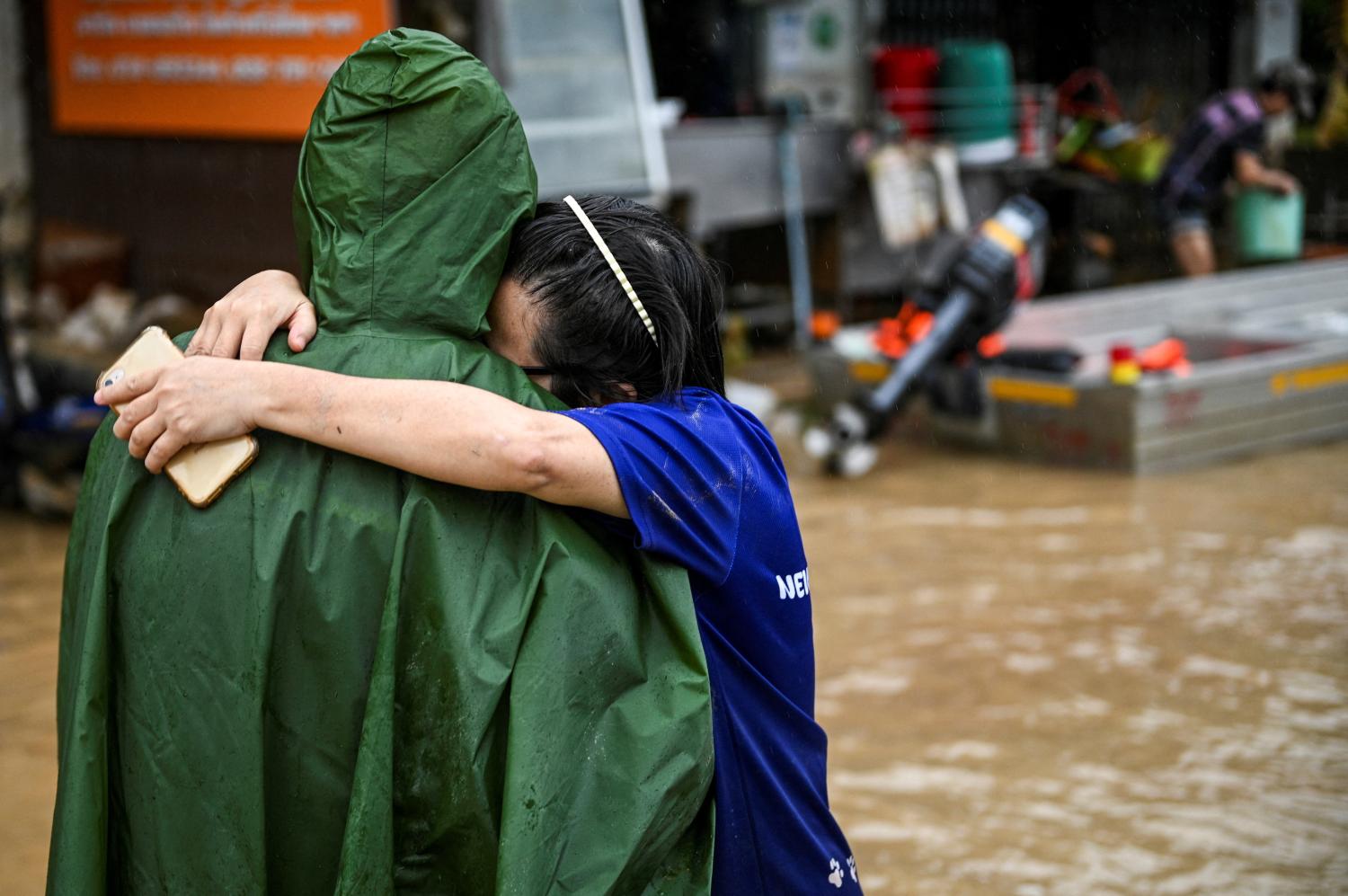
Building readiness for climate loss
Oped, Chayapat Patarapanchai, Published on 22/04/2026
» The floods that submerged Hat Yai were not just another natural disaster. They were a warning sign that climate change is now hitting harder and faster than Thailand can keep up with.
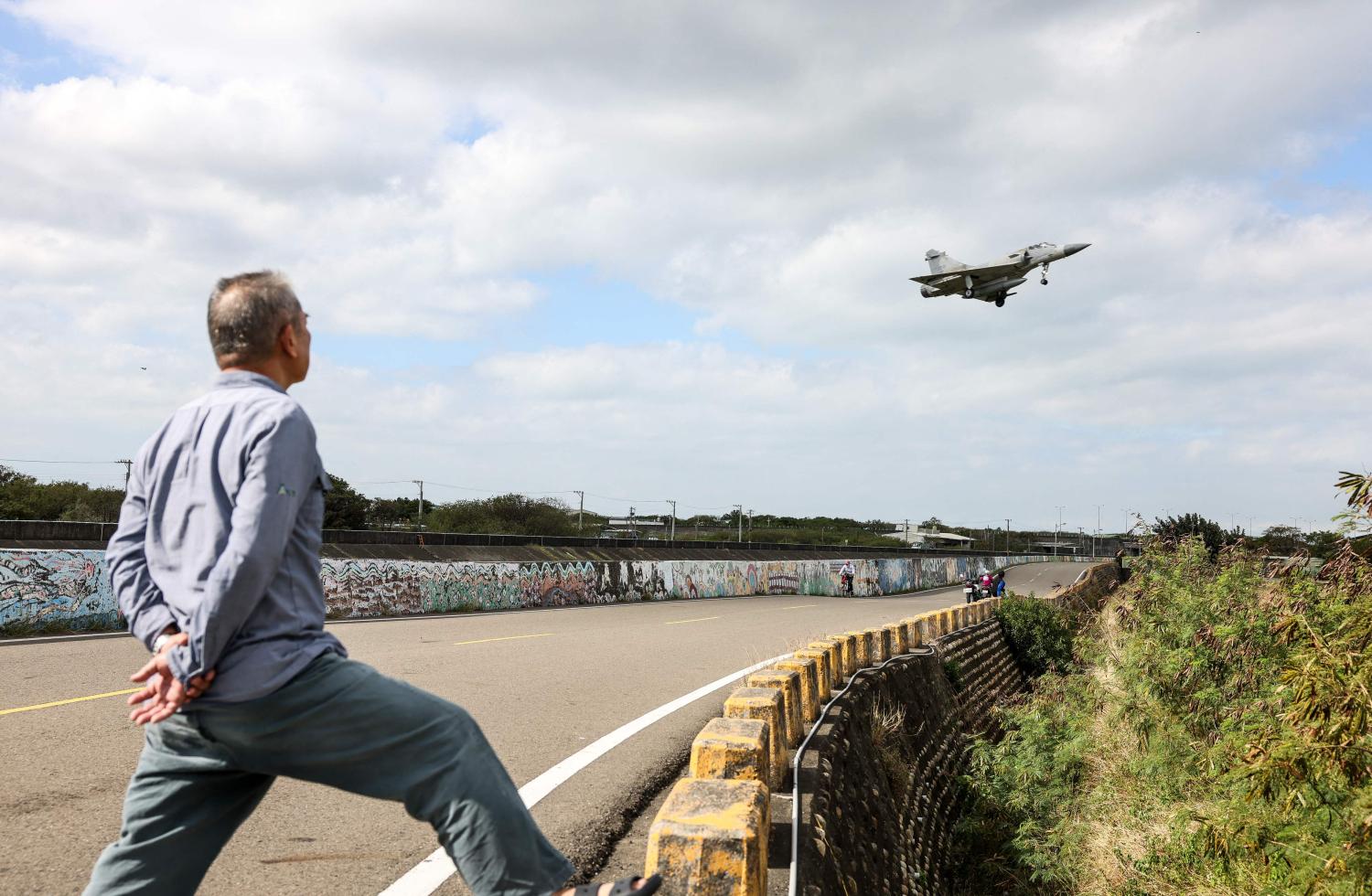
Chokepoints expose fragility of our global order
Oped, Todd G Buchholz, Published on 22/04/2026
» Most schoolchildren learn that the Earth is roughly 40,000km around. They do not learn that the global economy depends on just 160 of those kilometres.

Car scheme doubts
Oped, Editorial, Published on 20/04/2026
» The government's planned "old car for new" scheme, a campaign to provide a subsidy and soft loans to accelerate electric vehicle adoption, marks a policy push to advance the transition towards net zero. In principle, the direction sounds good.
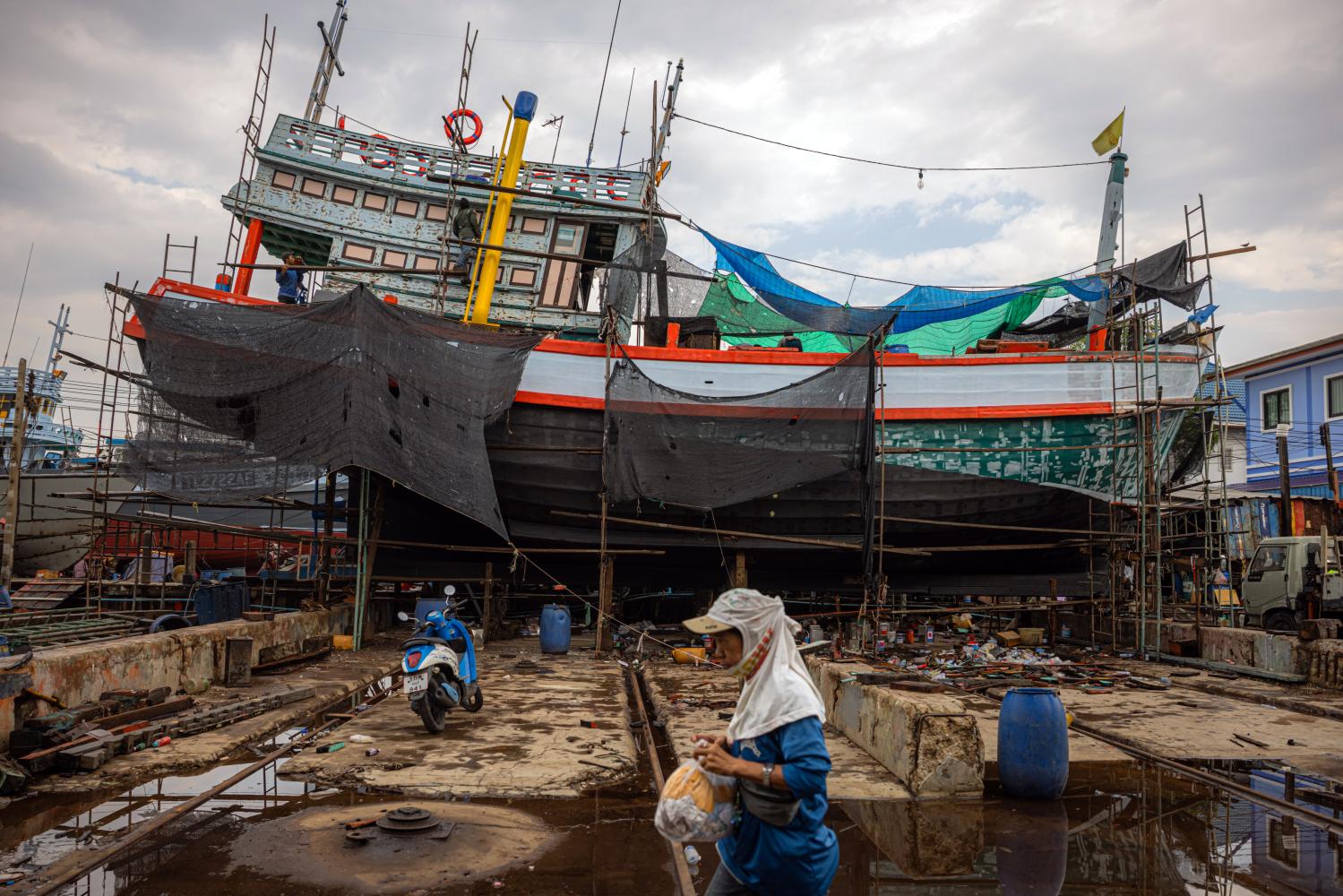
Oil shock risks wider chain reaction
Oped, Chartchai Parasuk, Published on 16/04/2026
» There is no such thing as a free lunch. When global oil prices rise sharply, as they are doing now, someone must bear the cost. Some countries choose to absorb it through government support, as in Japan, while others pass the burden on to consumers, as in Thailand. Neither approach is inherently right or wrong; each carries different economic consequences. Policymakers must decide which set of outcomes is more acceptable and act accordingly.

It's a revenue grab
Oped, Postbag, Published on 09/04/2026
» Re: "Thailand plans mandatory accident insurance for foreign visitors", (Business, April 8).
Modern-day mispricing of war
Oped, Antara Haldar, Published on 09/04/2026
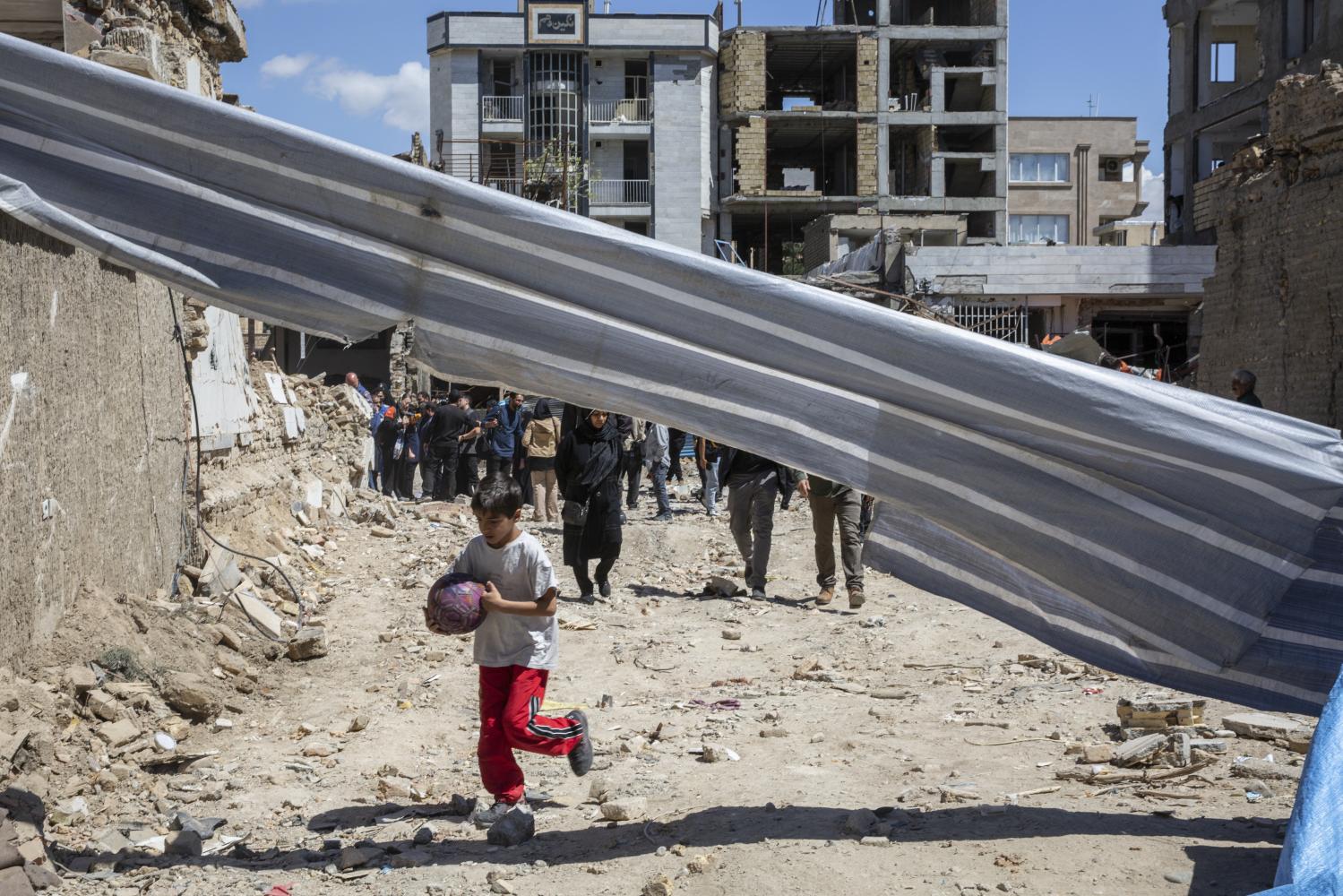
» In the space of just a few weeks, the throttling of shipping traffic through the Strait of Hormuz has revealed the true nature of the US-Israeli war with Iran. This is no regional conflict, because the entire world is being invoiced. While the size of the bill remains to be determined, it is already obvious that the belligerents won't be the only ones paying the tab.
Asean banks face climate pressure
Oped, Rachel Ho, Published on 08/04/2026
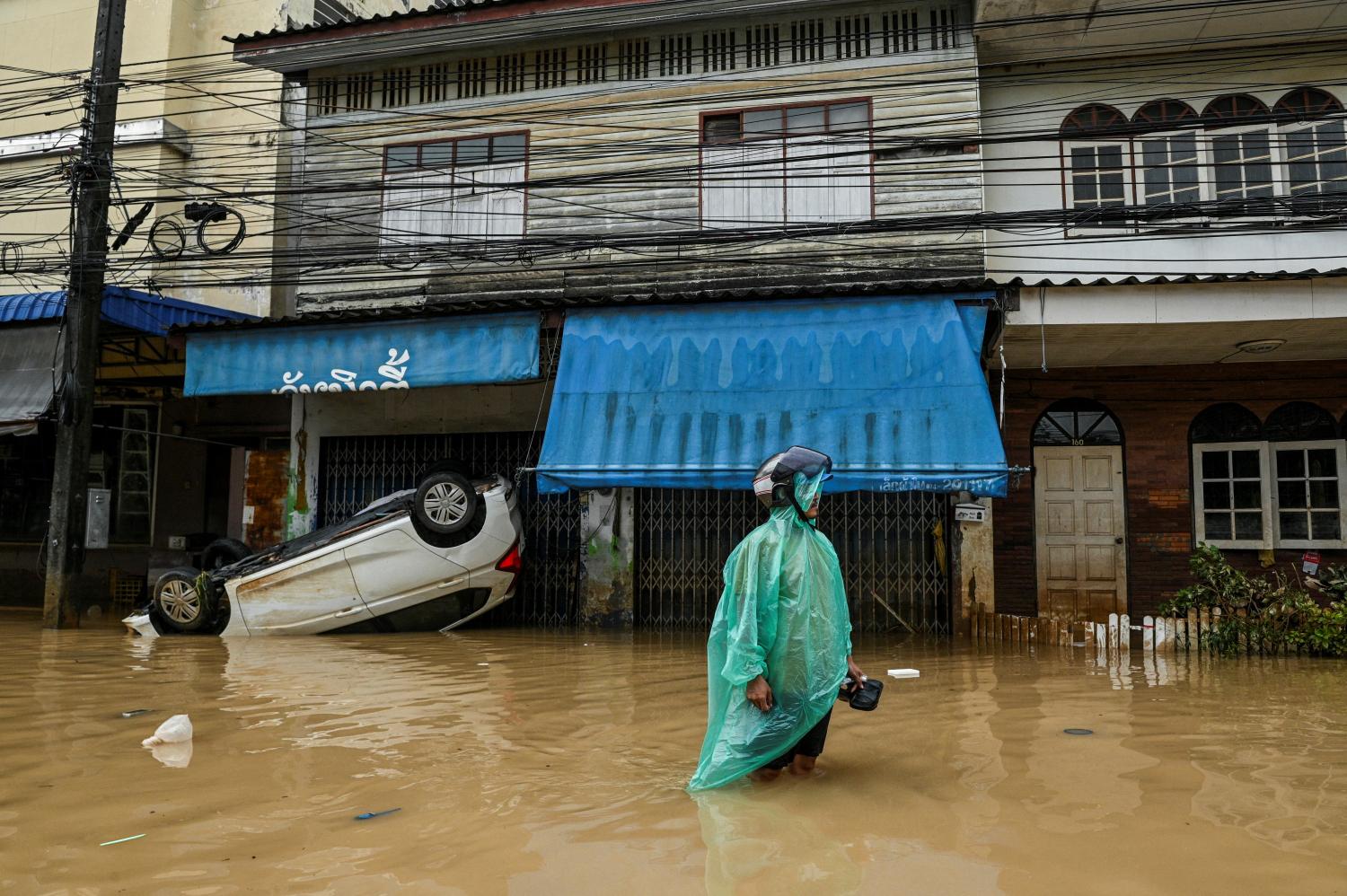
» The global oil and gas crisis is worsening. Amid the Middle East war, the central banks of countries in Southeast Asia must address a perfect storm of rising fuel prices, cost-of-living pressures, and worsening impacts of climate disasters.

Stuck in Senate
Oped, Postbag, Published on 08/04/2026
» Re: "BJT pulls support for Clean Air Bill", (BP, April 7). This article chose to single out and quote Bhumjaithai (BJT) party list-MP Supachai, voicing concerns about "fast-tracking" and the economic fallout caused by the Clean Air Bill (CAB) during a recent House debate on a severe PM 2.5 crisis in the Northern region.
Can alliances with the US be replaced?
Oped, Kavi Chongkittavorn, Published on 07/04/2026
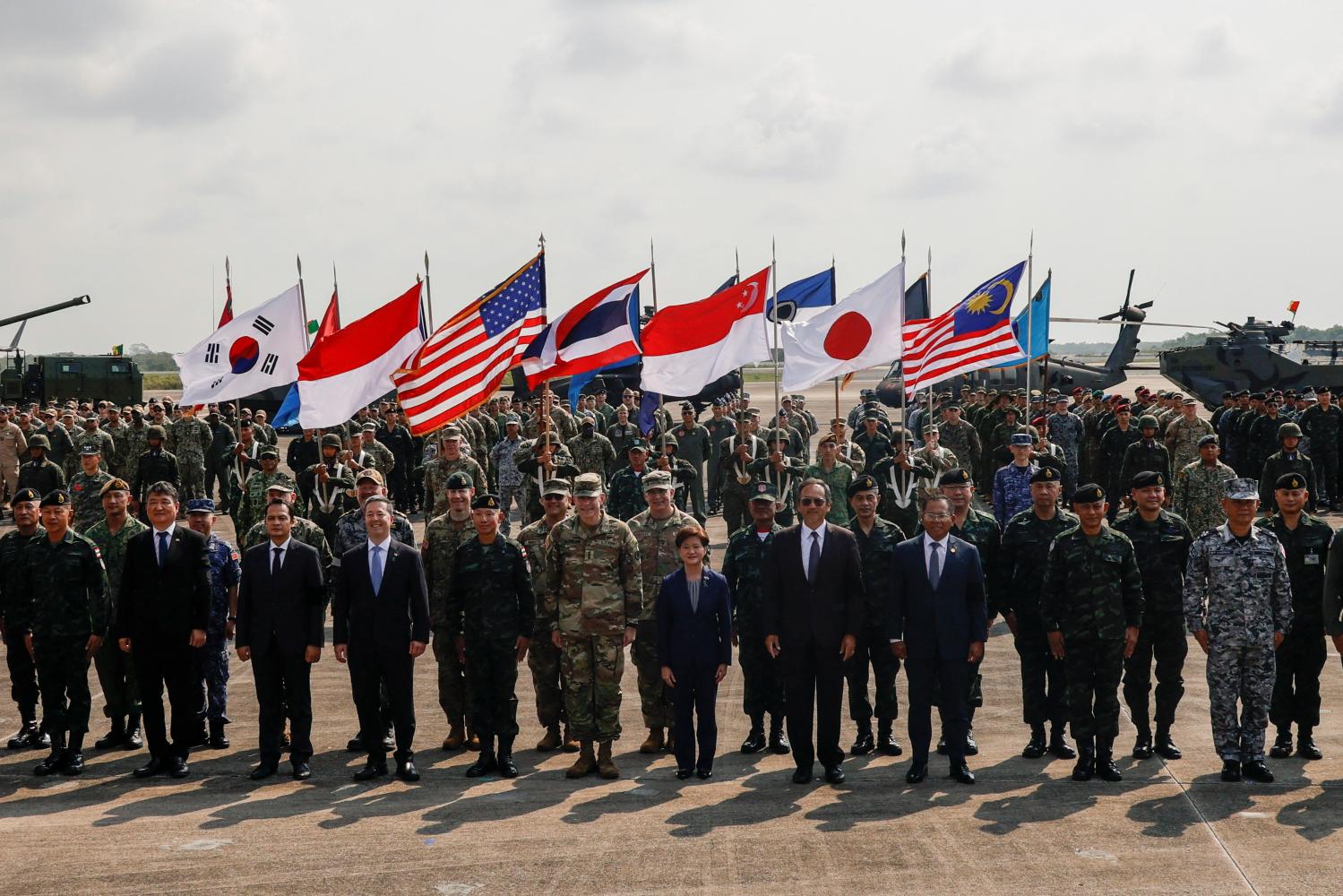
» The increasingly loud debate over the future of alliances -- after reports that the US could scale back or even withdraw from Nato -- is nerve-racking. It has caused alarm across Europe and in Southeast Asia, another node of the US alliance network. Even without any official decision, remarks by US President Donald Trump on social media were enough to shake already fragile US alliances. The question now frequently asked by Thai policymakers is: What comes next if alliances weaken?