




Showing 1 - 10 of 1,269
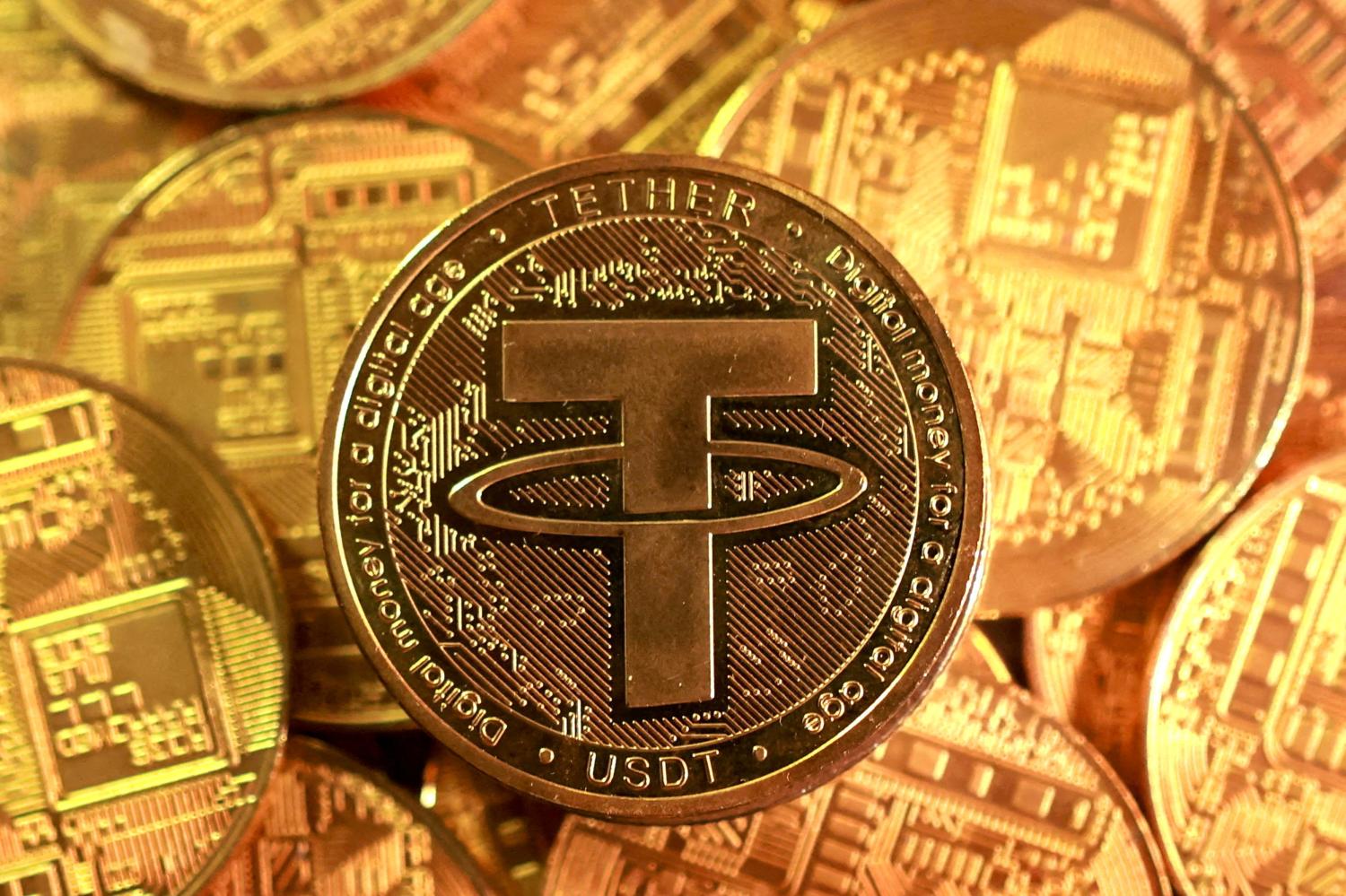
Crypto push undermines US power
Oped, Jayati Ghosh, Published on 20/04/2026
» The Ouroboros, the ancient image of a serpent devouring its own tail, has long symbolised self-defeating strategies. It is thus an apt metaphor for US President Donald Trump's current policies. His reckless and illegal war against Iran is the clearest example, but his administration's enthusiastic embrace of crypto currencies represents a subtler, slower-burning expression of the same self-destructive tendency.
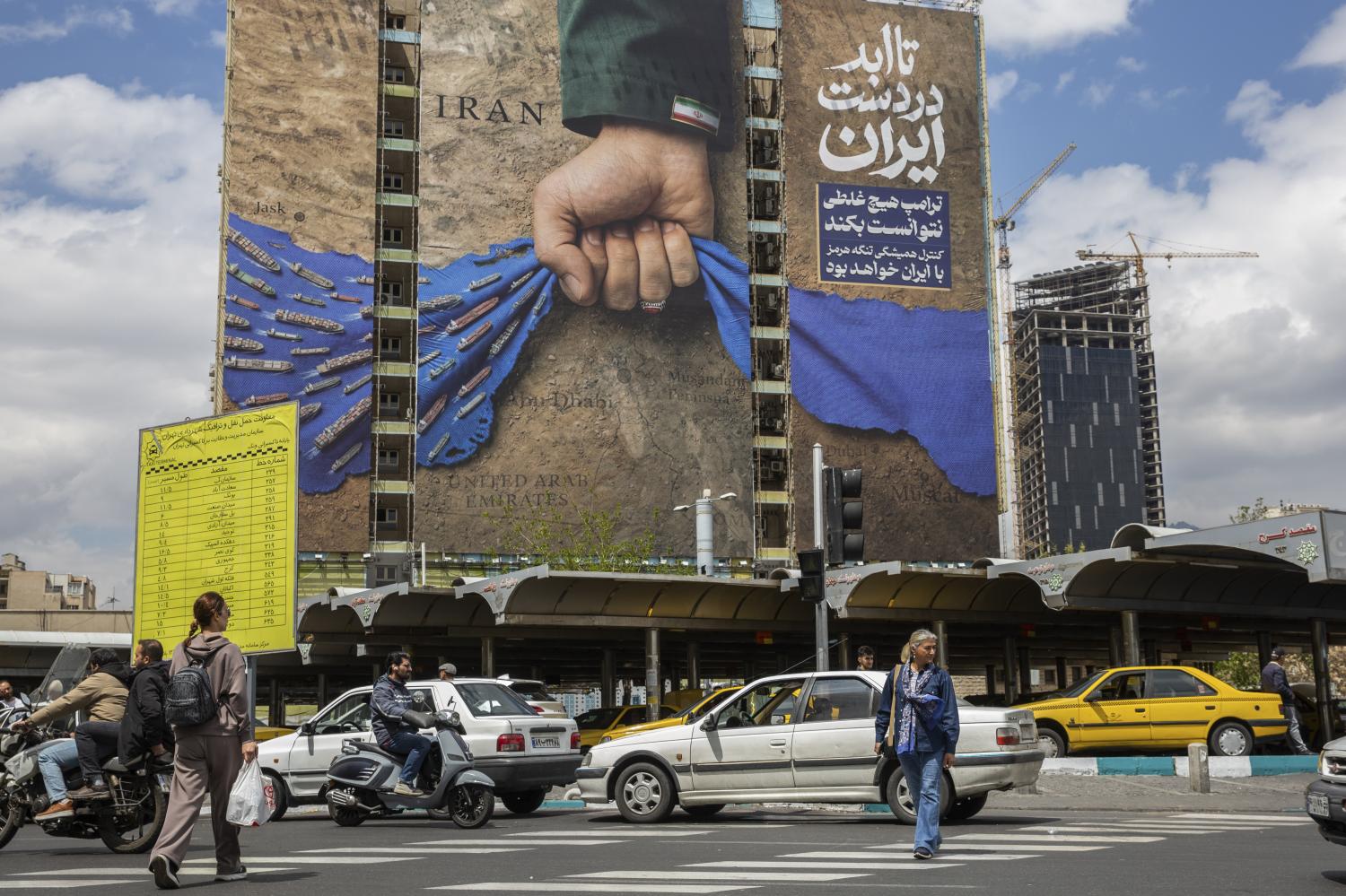
The war and its likely consequences
Oped, Thitinan Pongsudhirak, Published on 17/04/2026
» As the joint attack between the United States and Israel against Iran that resulted in a wider regional conflict in the Middle East approaches its two-month mark, the directions of the war remain precarious while some of the longer-lasting consequences appear evident. Unsurprisingly, the war has been detrimental and damaging for all states and societies concerned, not just within the affected region but the wider world. Already we can start counting some of the long-term costs.

Myanmar looks east again in search of legitimacy
Oped, Larry Jagan, Published on 17/04/2026
» Myanmar understands it needs to reach out to the world if it is to end its isolation and roll back the sanctions much of the West has levied against it. To this end, the men in green, now in civilian clothes, are seeking the support of traditional allies -- China and Asean, especially Thailand -- as well as Bangladesh and Pakistan, in an effort to reset foreign policy and regain international acceptance.
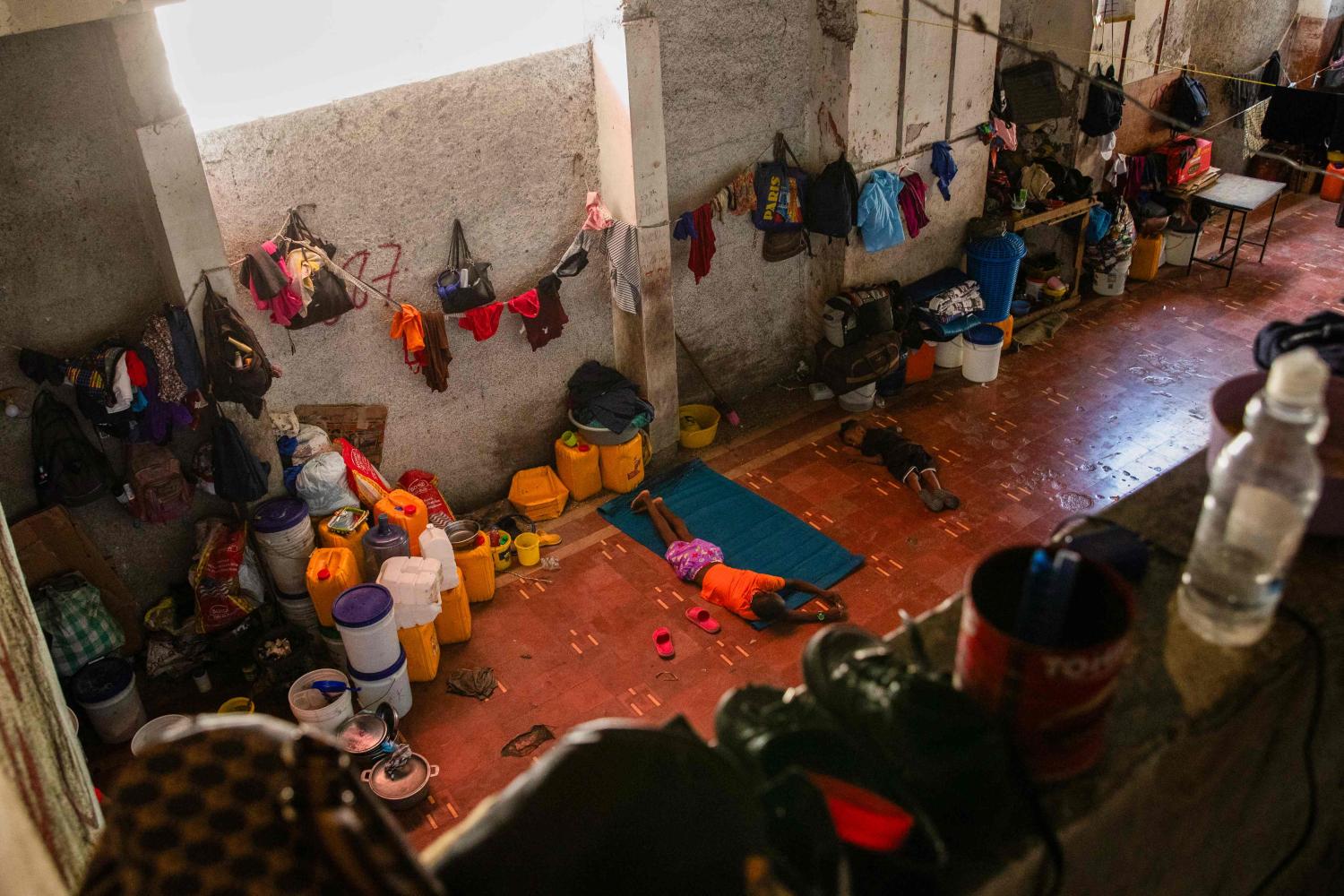
Climate fixation fails world's poor
Oped, Bjorn Lomborg, Published on 17/04/2026
» This week in Washington, more than 10,000 delegates, finance ministers, and central bankers are gathering for the World Bank and IMF Spring Meetings. Their stated goal: accelerate global development, drive economic growth, and lift billions out of poverty.

When will the IMF ever learn?
Oped, Timothy Kaldas, Published on 16/04/2026
» This year's International Monetary Fund Spring Meetings come at a time of heightened economic uncertainty and intense scrutiny of the institution's capabilities and approach. Critics on the left argue that the IMF imposes regressive austerity measures on borrowers, exacerbating poverty, hampering economic growth, and undermining their ability to achieve debt sustainability. On the right, US President Donald Trump's administration has accused the IMF of "mission creep," claiming that it has strayed from its core mandate of maintaining macroeconomic stability.
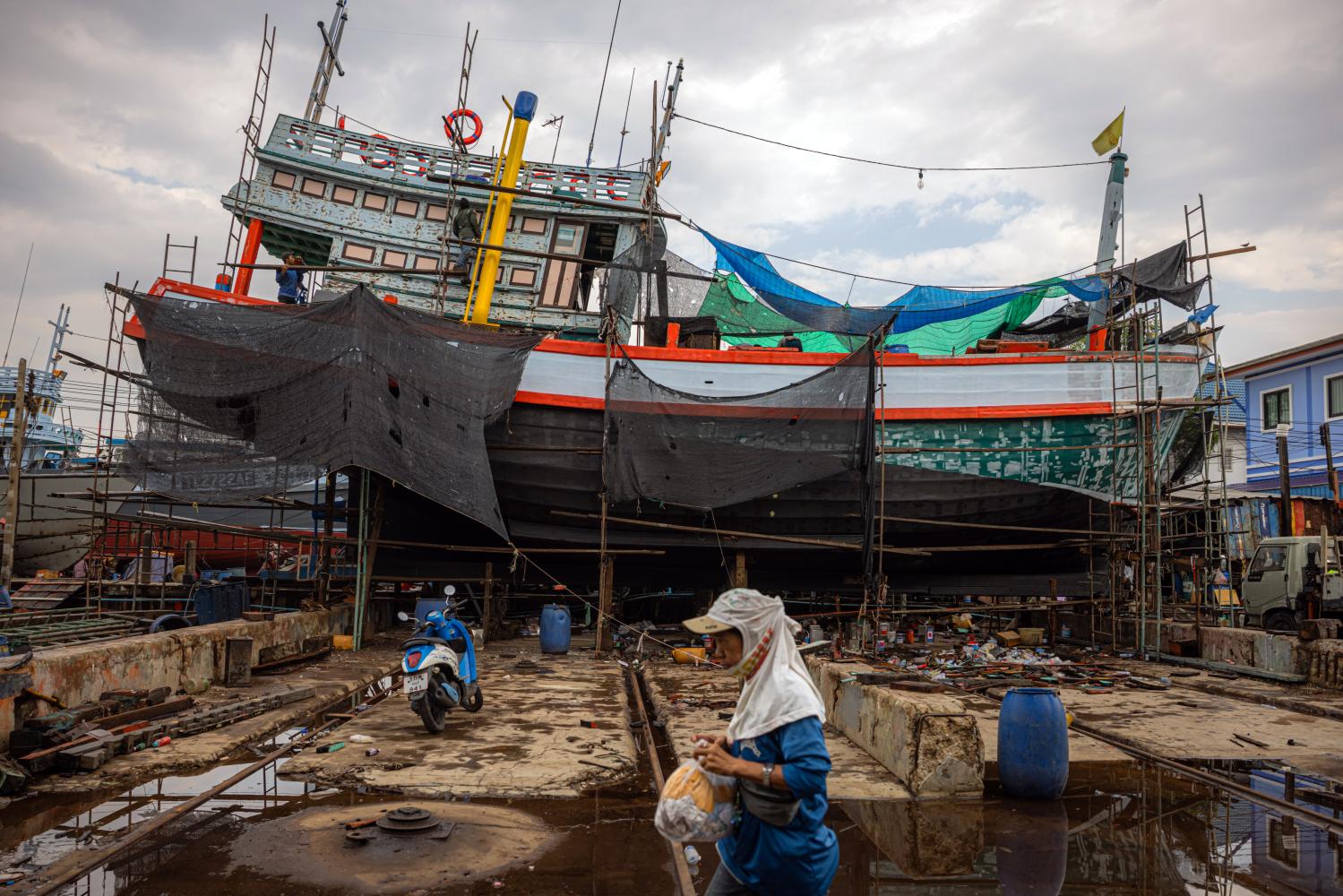
Oil shock risks wider chain reaction
Oped, Chartchai Parasuk, Published on 16/04/2026
» There is no such thing as a free lunch. When global oil prices rise sharply, as they are doing now, someone must bear the cost. Some countries choose to absorb it through government support, as in Japan, while others pass the burden on to consumers, as in Thailand. Neither approach is inherently right or wrong; each carries different economic consequences. Policymakers must decide which set of outcomes is more acceptable and act accordingly.
The day the US became Britain at Suez
Oped, Philip J Cunningham, Published on 09/04/2026
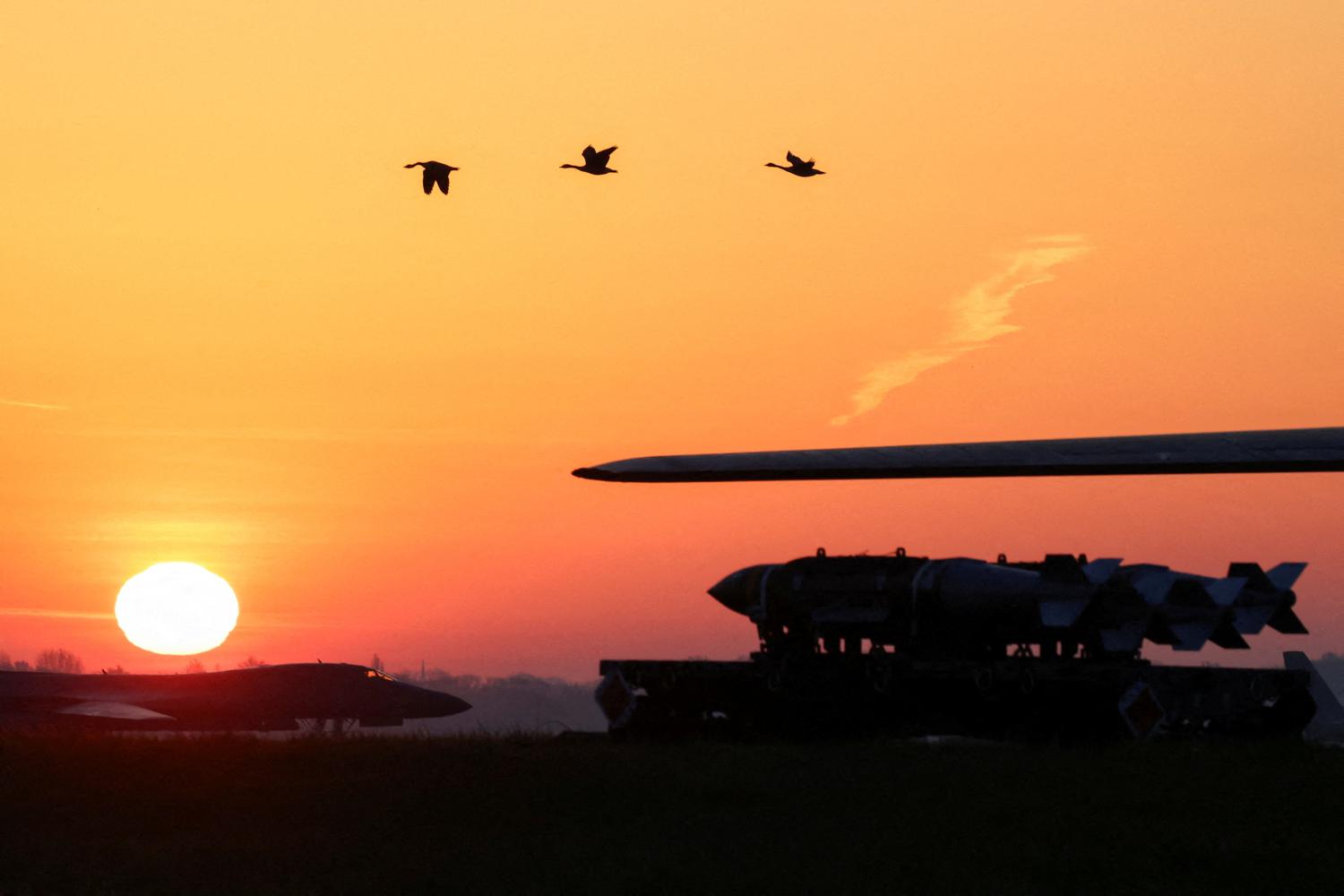
» The world's focus is on the US-induced debacle in the Strait of Hormuz, but it's another narrow strait that sums up the current state of US power in the world: Suez.
Modern-day mispricing of war
Oped, Antara Haldar, Published on 09/04/2026
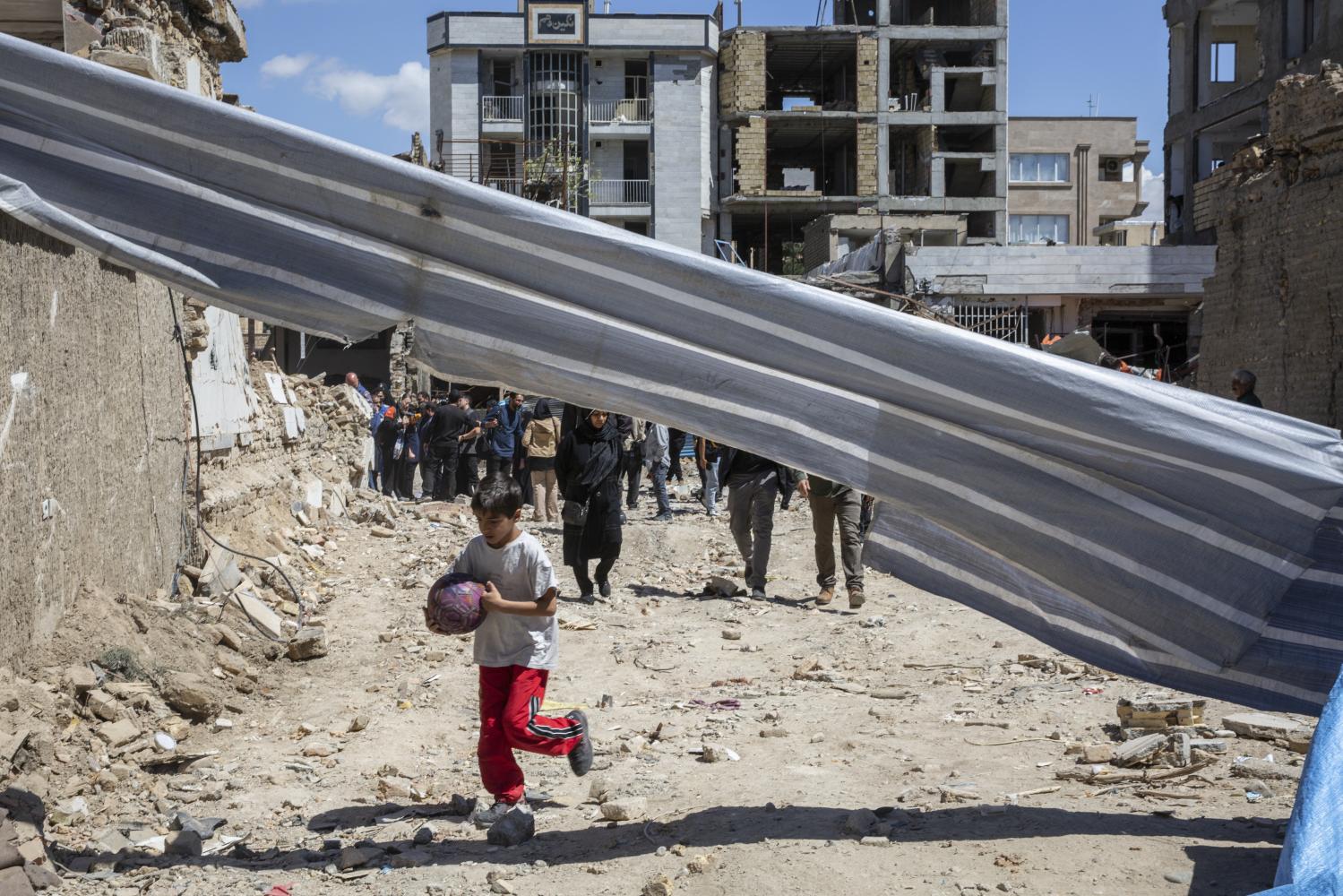
» In the space of just a few weeks, the throttling of shipping traffic through the Strait of Hormuz has revealed the true nature of the US-Israeli war with Iran. This is no regional conflict, because the entire world is being invoiced. While the size of the bill remains to be determined, it is already obvious that the belligerents won't be the only ones paying the tab.

Isoc role under scrutiny
Oped, Editorial, Published on 08/04/2026
» The shooting of Kamolsak Leewama, a list-MP from the Prachachart Party in Narathiwat on March 20, is not just an ordinary criminal case nor political revenge, as the media has widely speculated. Police investigations have revealed shocking evidence linking the gunmen to a national security office operating in the deep South.
Asean banks face climate pressure
Oped, Rachel Ho, Published on 08/04/2026
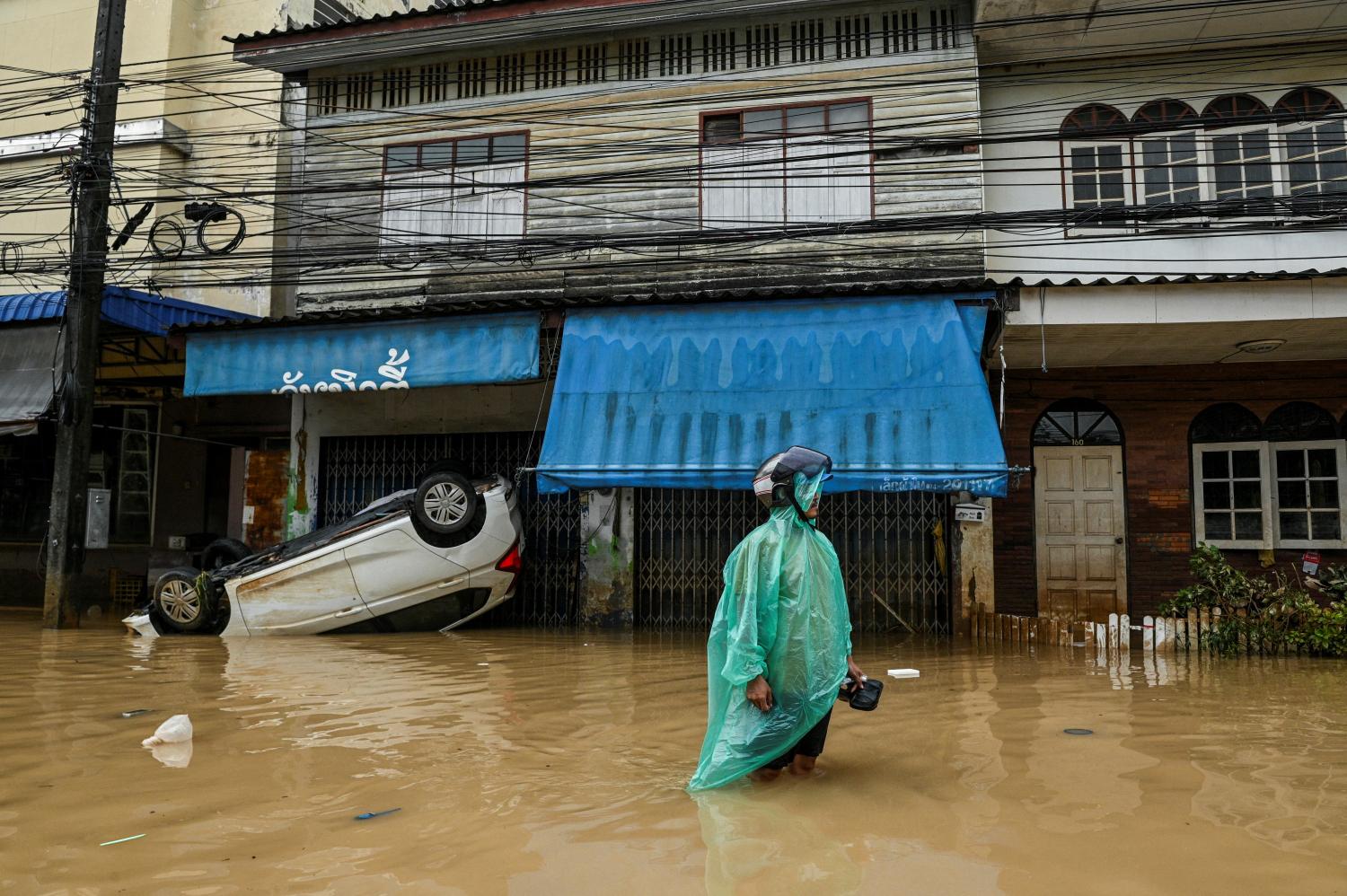
» The global oil and gas crisis is worsening. Amid the Middle East war, the central banks of countries in Southeast Asia must address a perfect storm of rising fuel prices, cost-of-living pressures, and worsening impacts of climate disasters.