




Showing 1 - 10 of 6,966
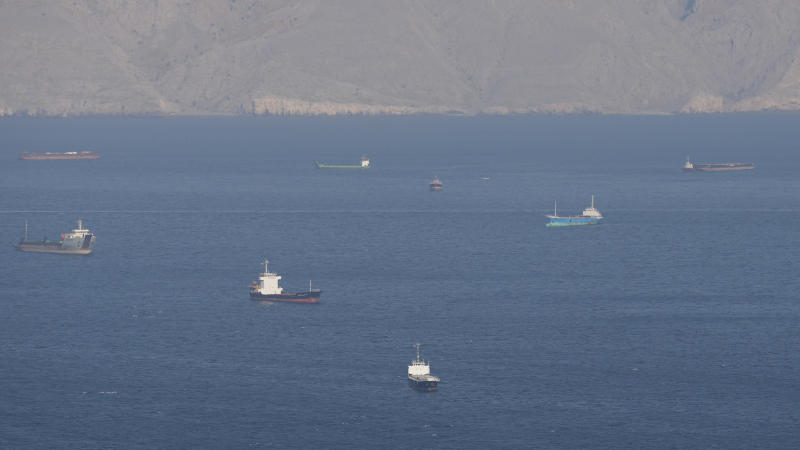
Opening Hormuz is the easy part, restoring oil flow is not
Reuter's columnist Ron Bousso, Published on 20/04/2026
» LONDON - The stop-start shipping traffic through the Strait of Hormuz underscores the profound uncertainty hanging over the world’s most critical oil and gas chokepoint. But one thing is already clear: even if the guns fall silent, flows through the narrow waterway will take months – and possibly years – to recover to pre-war levels.
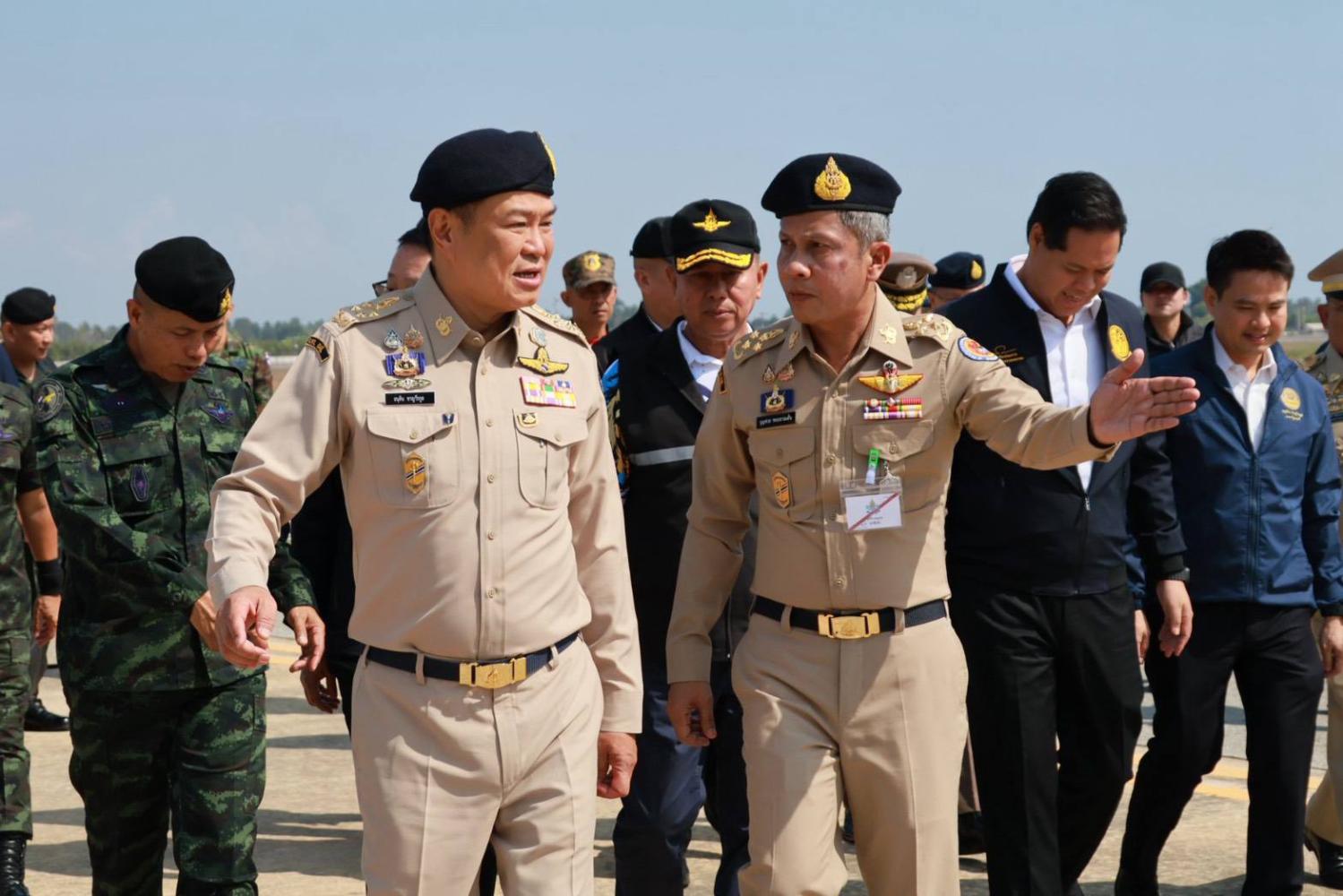
Norathip's gaffe shows mistrust still rife
Oped, Veera Prateepchaikul, Published on 20/04/2026
» A campaign is being aggressively launched on the social media to save Lt-Gen Norathip Poynok, commander of the southern-based Fourth Army Region, from being transferred out of the region as demanded by the federation of private religious schools in the Deep South, known as the Pondok and Tadika schools.

Border hospitals need more help
Editorial, Published on 19/04/2026
» A recent appeal for financial help from Umphang Hospital in Tak province highlights the ordeals faced by hospitals along the Thai-Myanmar border.
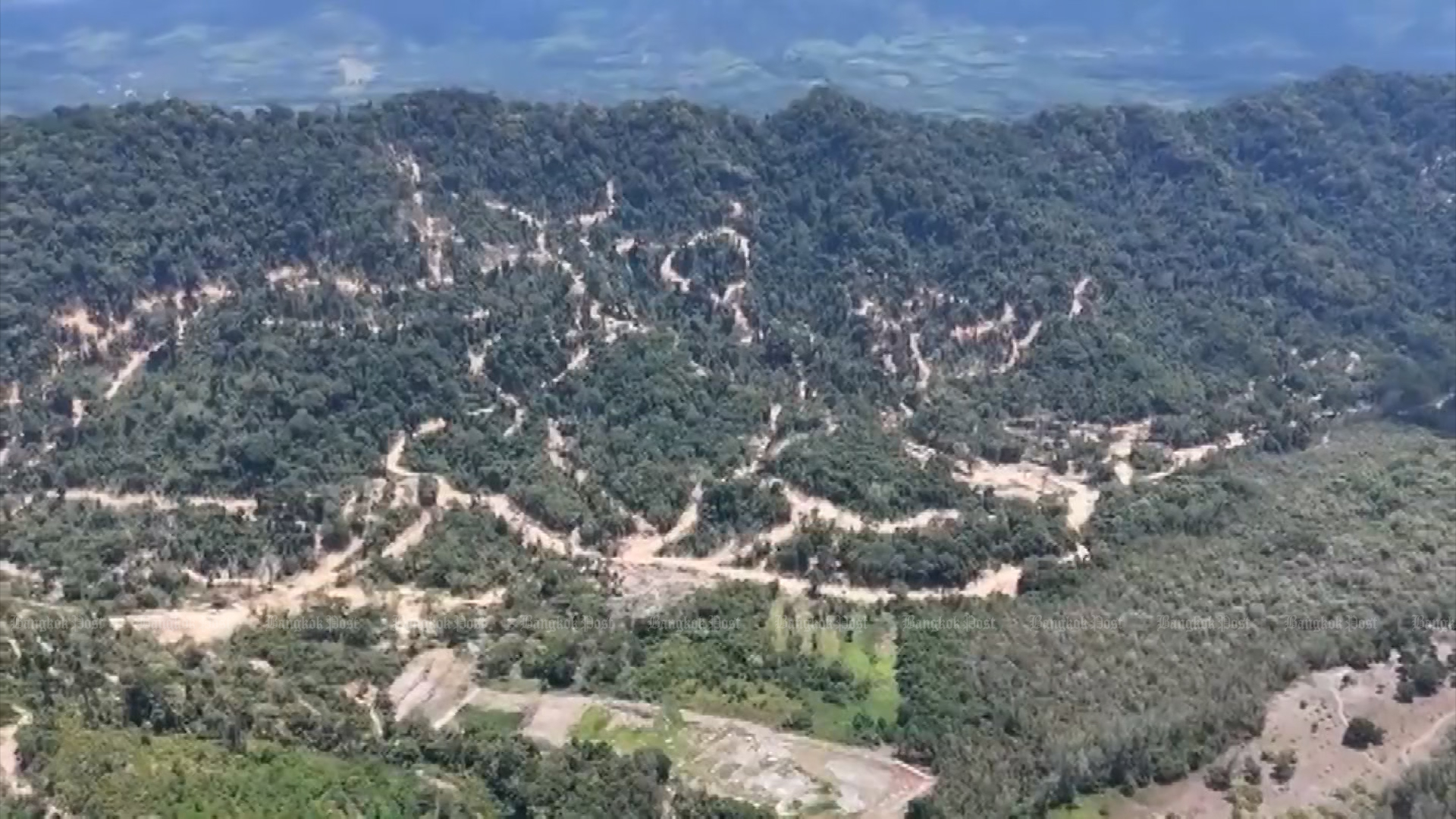
Thailand is failing its forests
Vanich Kittichai, Published on 18/04/2026
» I would be the first to admit that I have been quite single-minded on matters of perceived domestic corruption and mismanagement throughout just over a month of writing here at the Bangkok Post.

Universities face age shift
News, Editorial, Published on 18/04/2026
» The Ministry of Higher Education, Science, Research and Innovation (MHESI) is not a coveted portfolio in politics. Political parties have treated this portfolio as a consolation prize and often appoint new politicians to look after the country's higher education affairs.
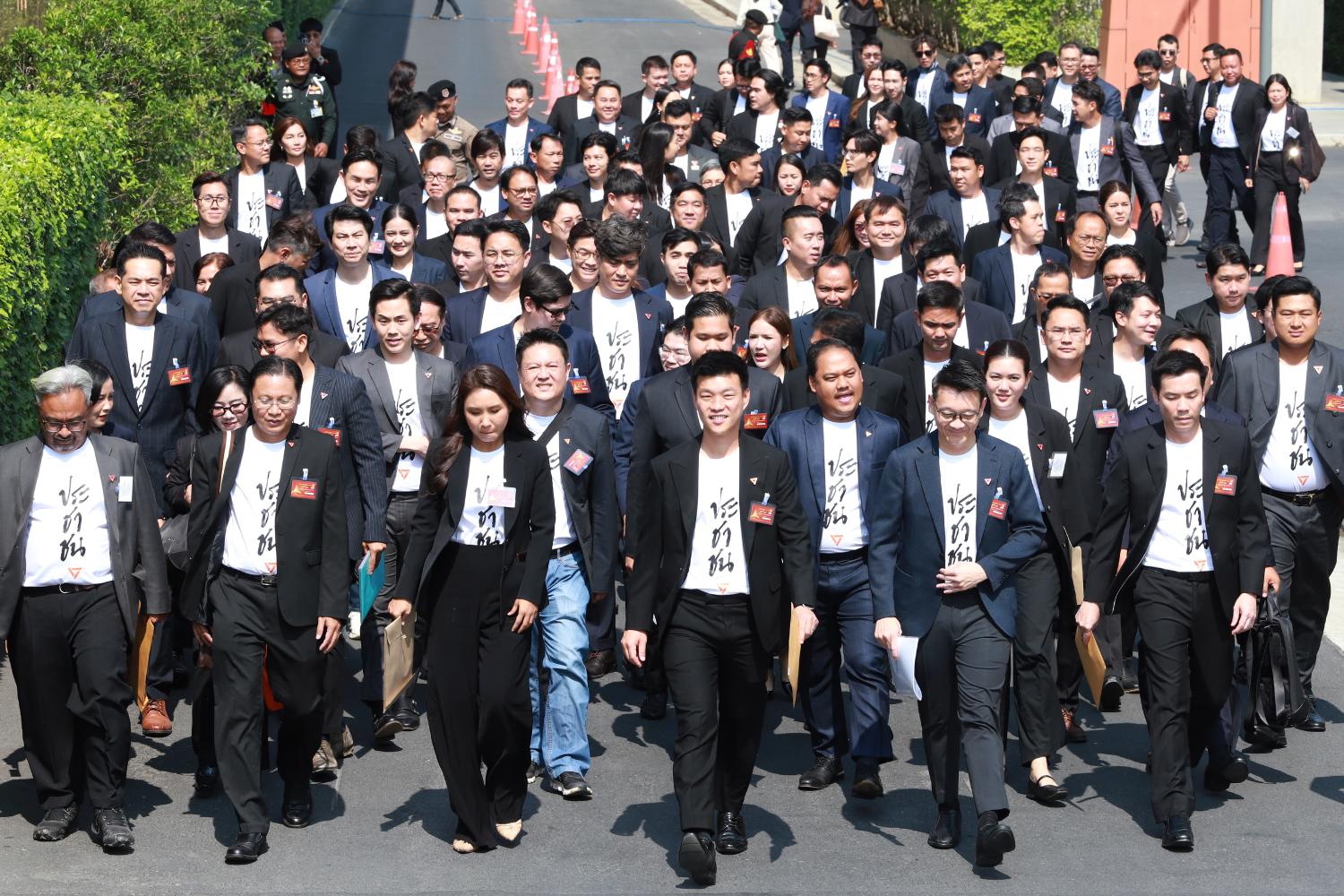
PP's fate in hands of Supreme Court
News, Chairith Yonpiam, Published on 18/04/2026
» Progress of the legal case against 44 former Move Forward Party (MFP) MPs involved in a proposed amendment of Section 112 of the criminal code -- the lese-majeste law -- is heating up an already simmering political atmosphere.
Hormuz crisis reveals energy resilience gap
News, Laura Carvalho, Published on 18/04/2026
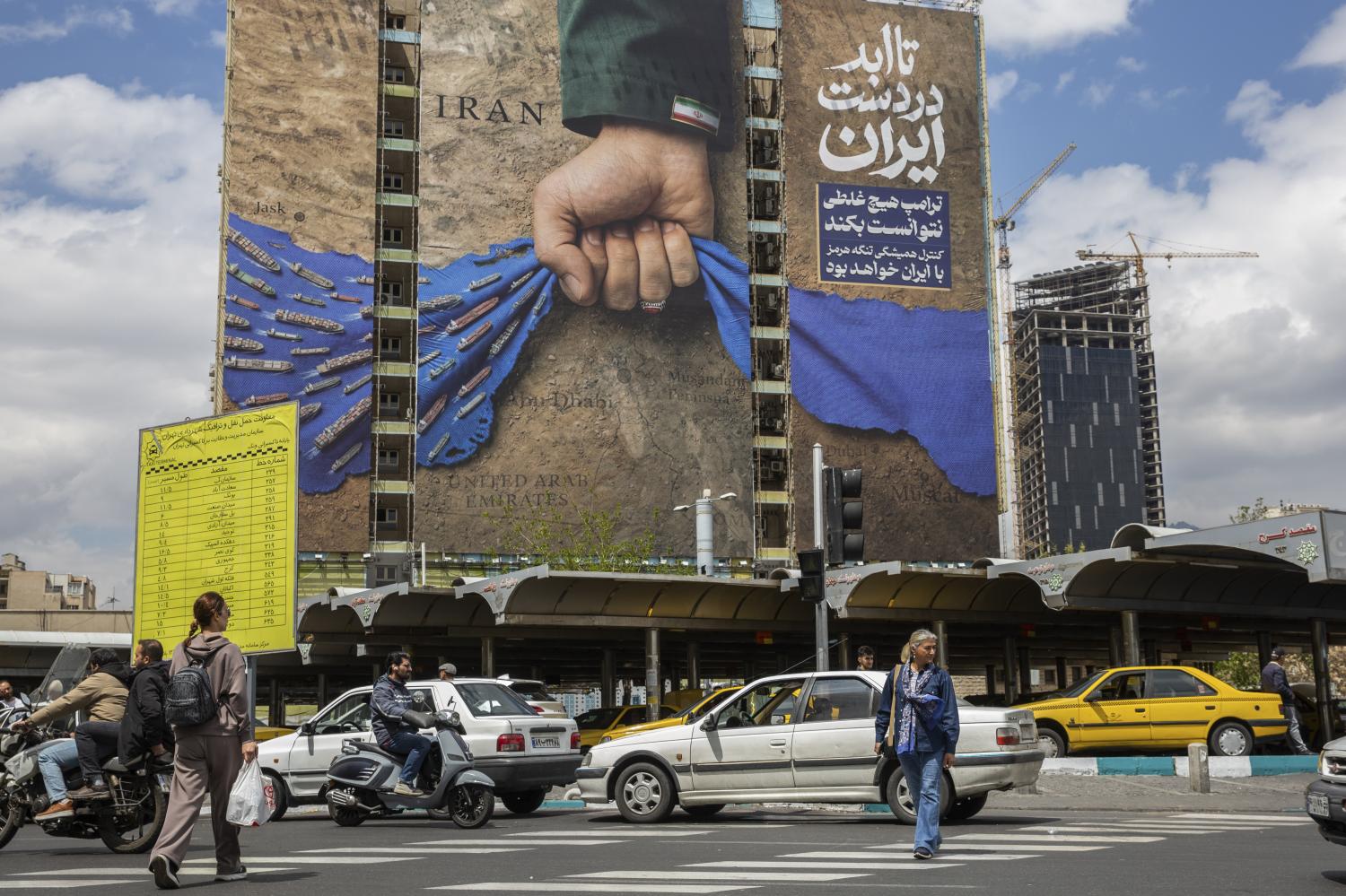
» The closure of the Strait of Hormuz has triggered what the International Monetary Fund calls a "global yet asymmetric" rupture, disrupting the flow of roughly one-quarter of oil, one-fifth of liquefied natural gas, and one-third of fertiliser supplies. Energy and fertiliser prices have risen, supply chains have rerouted, and financial conditions have tightened unevenly around the world.
The war and its likely consequences
Oped, Thitinan Pongsudhirak, Published on 17/04/2026
» As the joint attack between the United States and Israel against Iran that resulted in a wider regional conflict in the Middle East approaches its two-month mark, the directions of the war remain precarious while some of the longer-lasting consequences appear evident. Unsurprisingly, the war has been detrimental and damaging for all states and societies concerned, not just within the affected region but the wider world. Already we can start counting some of the long-term costs.

Myanmar looks east again in search of legitimacy
Oped, Larry Jagan, Published on 17/04/2026
» Myanmar understands it needs to reach out to the world if it is to end its isolation and roll back the sanctions much of the West has levied against it. To this end, the men in green, now in civilian clothes, are seeking the support of traditional allies -- China and Asean, especially Thailand -- as well as Bangladesh and Pakistan, in an effort to reset foreign policy and regain international acceptance.
Oil shock risks wider chain reaction
Oped, Chartchai Parasuk, Published on 16/04/2026
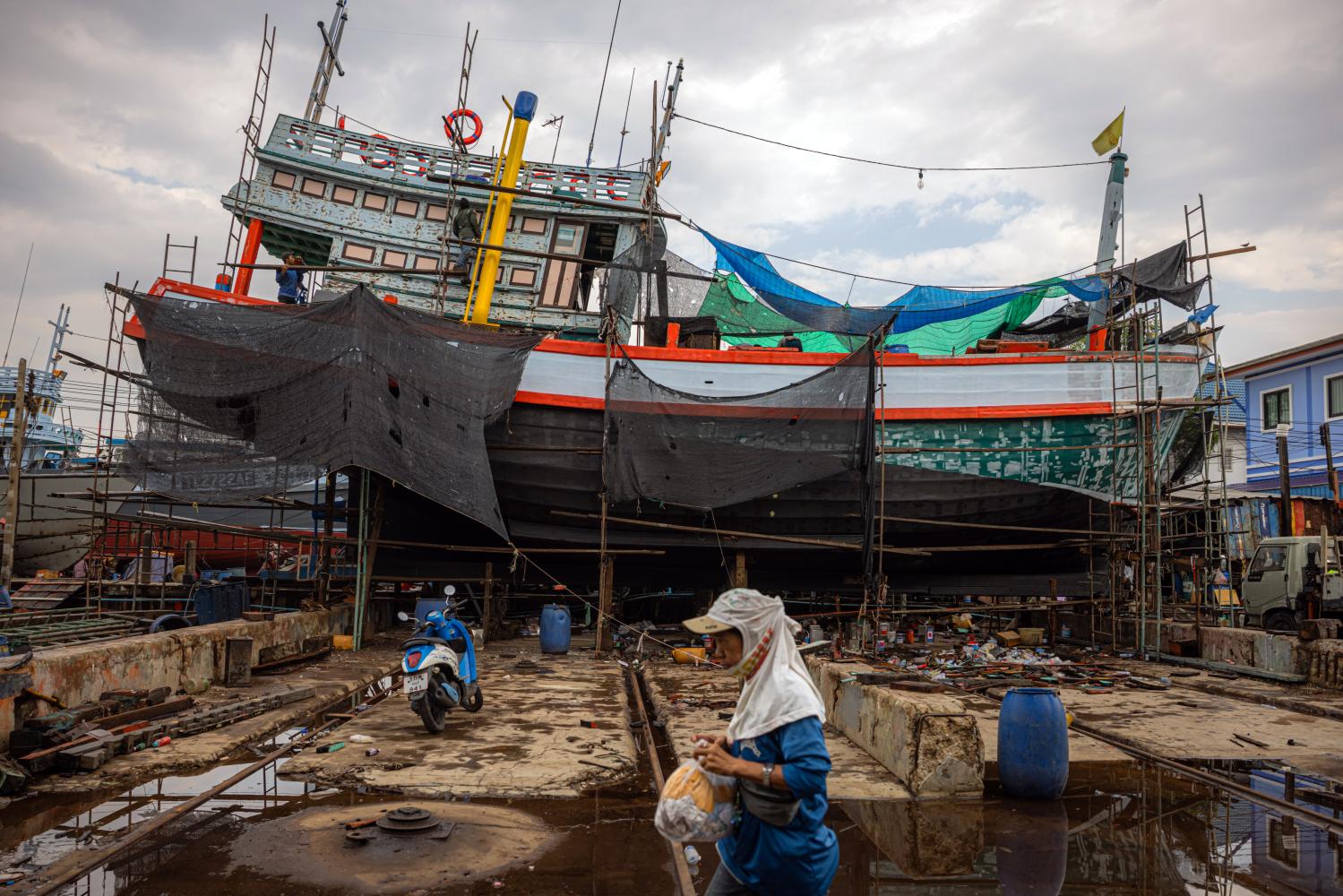
» There is no such thing as a free lunch. When global oil prices rise sharply, as they are doing now, someone must bear the cost. Some countries choose to absorb it through government support, as in Japan, while others pass the burden on to consumers, as in Thailand. Neither approach is inherently right or wrong; each carries different economic consequences. Policymakers must decide which set of outcomes is more acceptable and act accordingly.