



Showing 1 - 10 of 281
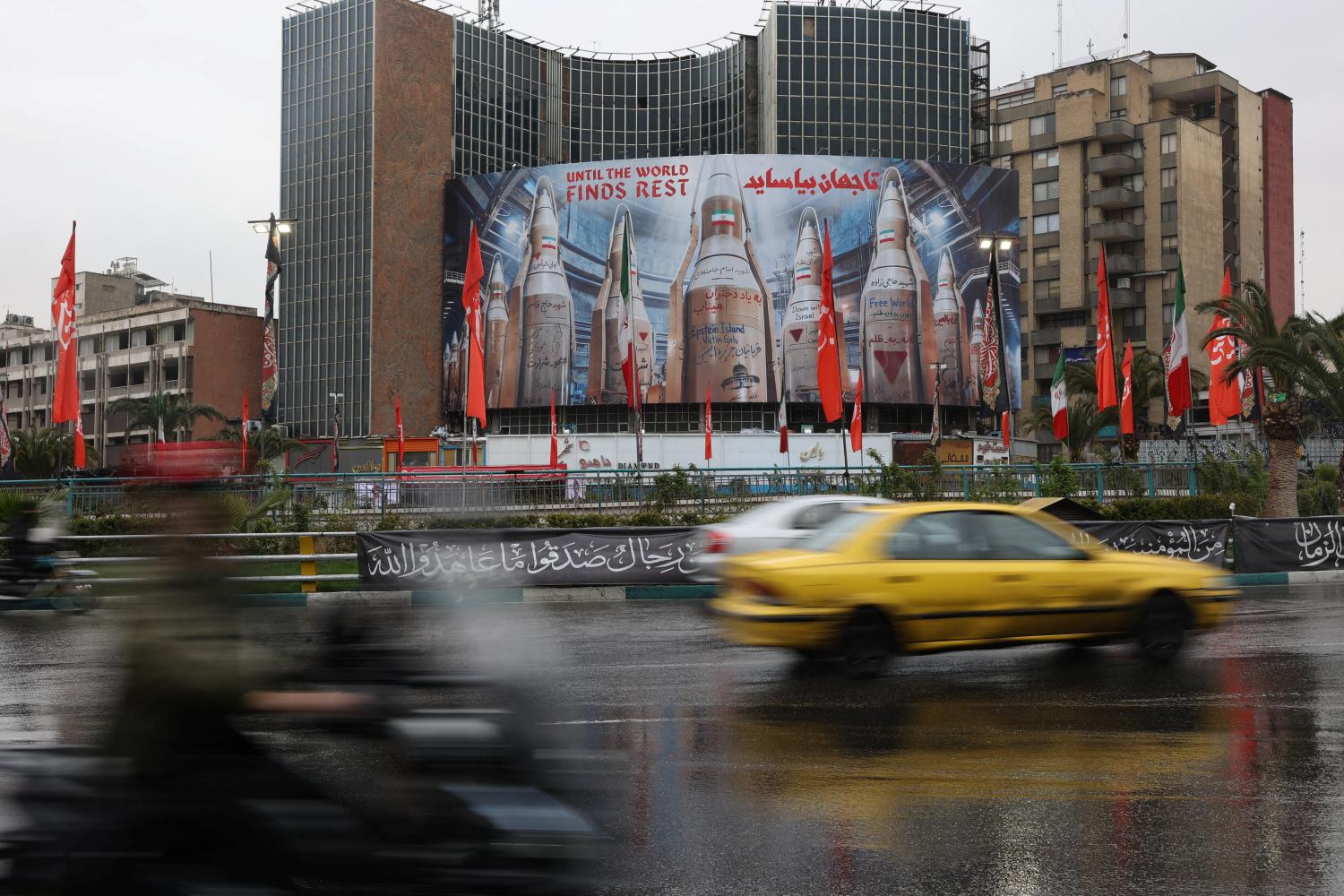
Impacts of Iran war on Southeast Asia
Oped, Thitinan Pongsudhirak, Published on 20/03/2026
» For the most part, Southeast Asia as a region has taken a neutral stance toward the joint attack between the United States and Israel against the Islamic Republic of Iran. Even the Philippines and Thailand, two formal US treaty allies, have distanced themselves, calling for restraint and de-escalation.
Lesson from India to avoid the middle-income trap
Oped, Arvind Panagariya, Published on 18/03/2026
» Among Indian Prime Minister Narendra Modi's most ambitious goals is to transform his country into a developed economy by Aug 15, 2047 -- the centenary of Indian independence. Given India's growth record over the past two decades, the speed and scale of its infrastructure development in recent years, and the Modi government's willingness to enact large-scale economic reforms, India is likely to become one of the few developing countries to avoid the middle-income trap.
Women can lead push for growth
Oped, Anisha Chugh, Laura Leonelli Morey & Teresa Zapeta Mendoza, Published on 09/03/2026
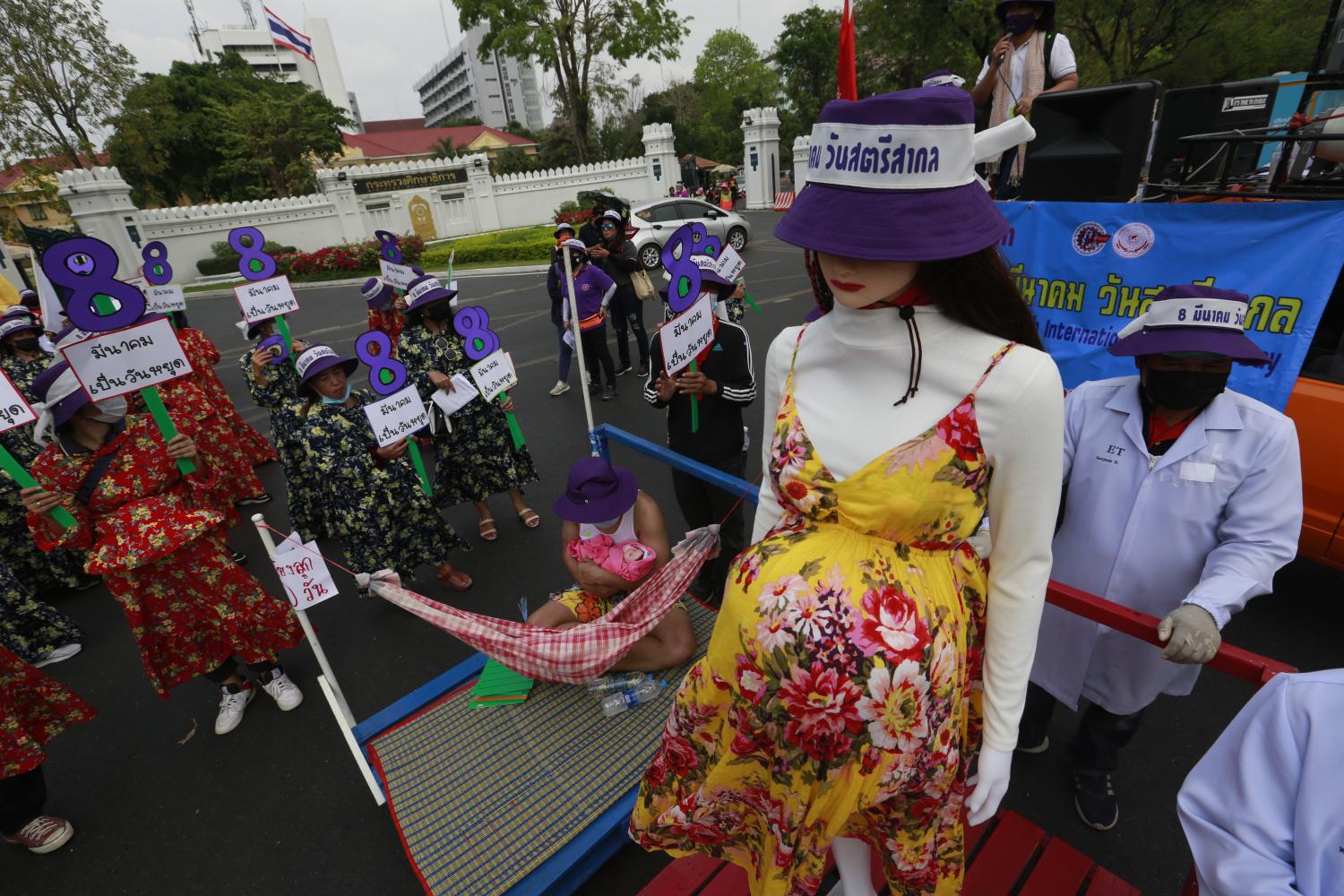
» Across the Global South, painful austerity measures such as benefit caps, pay freezes and subsidy cuts have followed donor governments' recent cuts to foreign aid. The policy pivot has had an especially dramatic impact on women -- costing them jobs, services and protections -- and is causing widespread economic hardship in many developing countries.
Unlocking Thai competitiveness
Oped, Kiratipong Naewmalee & Phumjit Sri-Udomkajorn, Published on 25/02/2026
» Regulatory reform is an urgent priority in restoring growth to Thailand's emerging economy. Rigid rules and excessive red tape have become significant structural barriers to private sector development. Evidence from several key industries demonstrates that outdated, fragmented legislation continues to constrain competitiveness.
Rethinking global health finance
Oped, Walter O Ochieng & Tom Achoki, Published on 06/02/2026
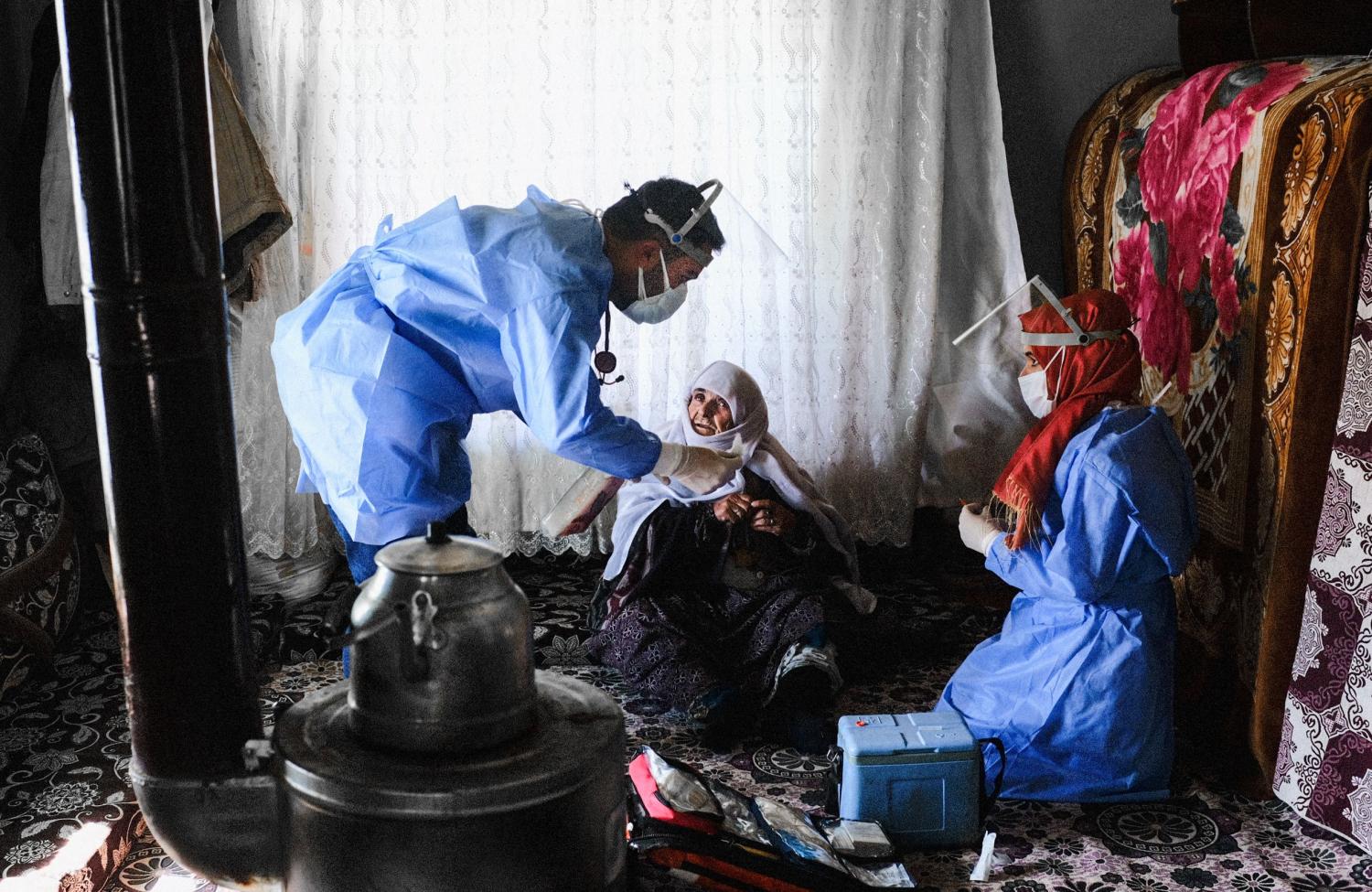
» For the past half-century, the economics of global health were straightforward. Under the so-called "grant-based" approach, rich countries donate to poor countries, which use the funds to meet their populations' health needs. Success was measured by services provided or lives saved, rather than by balance sheets. While this model was far from perfect, the latest approach replacing it -- focused on using tools like guarantees and blended finance to crowd in private capital -- threatens to produce even worse outcomes.
Decriminalising sex work needs clarity
Oped, Poramet Tangsathaporn, Published on 04/02/2026
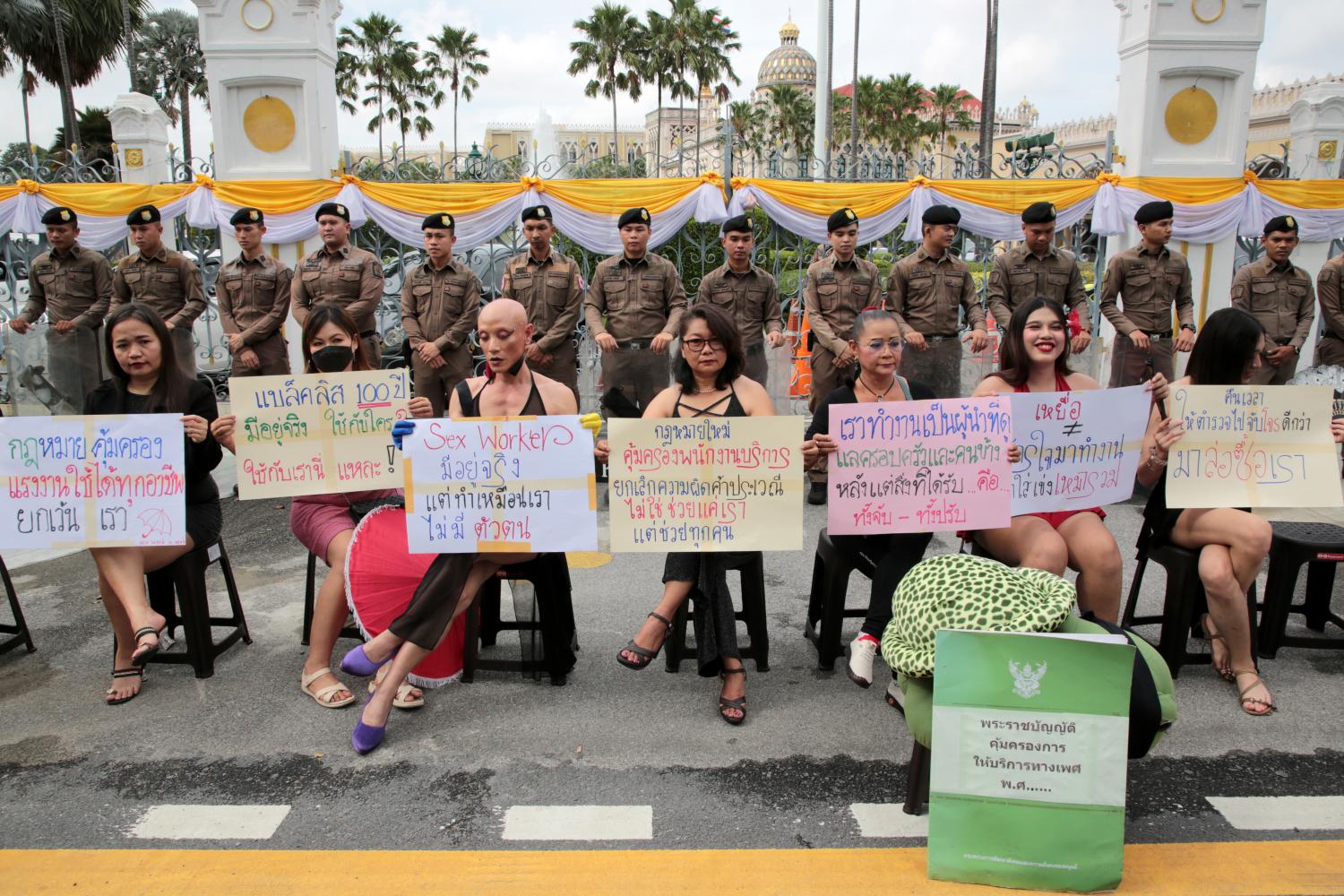
» The world's oldest profession has always been a taboo subject in Thai society, even in our politics so it was encouraging to see at least five political parties -- the Pheu Thai Party, the People's Party, the Movement Party, the Thai Sang Thai Party, and the Democrat Party -- agree that the current Prevention and Suppression of Prostitution Act B.E. 2539 (1996) needs to be repealed.
The treacherous sycophancy of the populists
Oped, Michael Burleigh, Published on 15/12/2025
» Until a few days ago, it had never crossed my mind that people across Europe -- including Londoners like me -- were living in a strife‑afflicted hell hole, "suffocated" by regulations, stripped of political liberties, and bound for "civilisational erasure". So, it was with some surprise that I read this assessment in the new US National Security Strategy -- a document that echoes pseudo‑intellectual propaganda more than resembling any serious foreign‑policy analysis.
When the news is wrong about my homeland
Oped, José González Vargas, Published on 11/12/2025
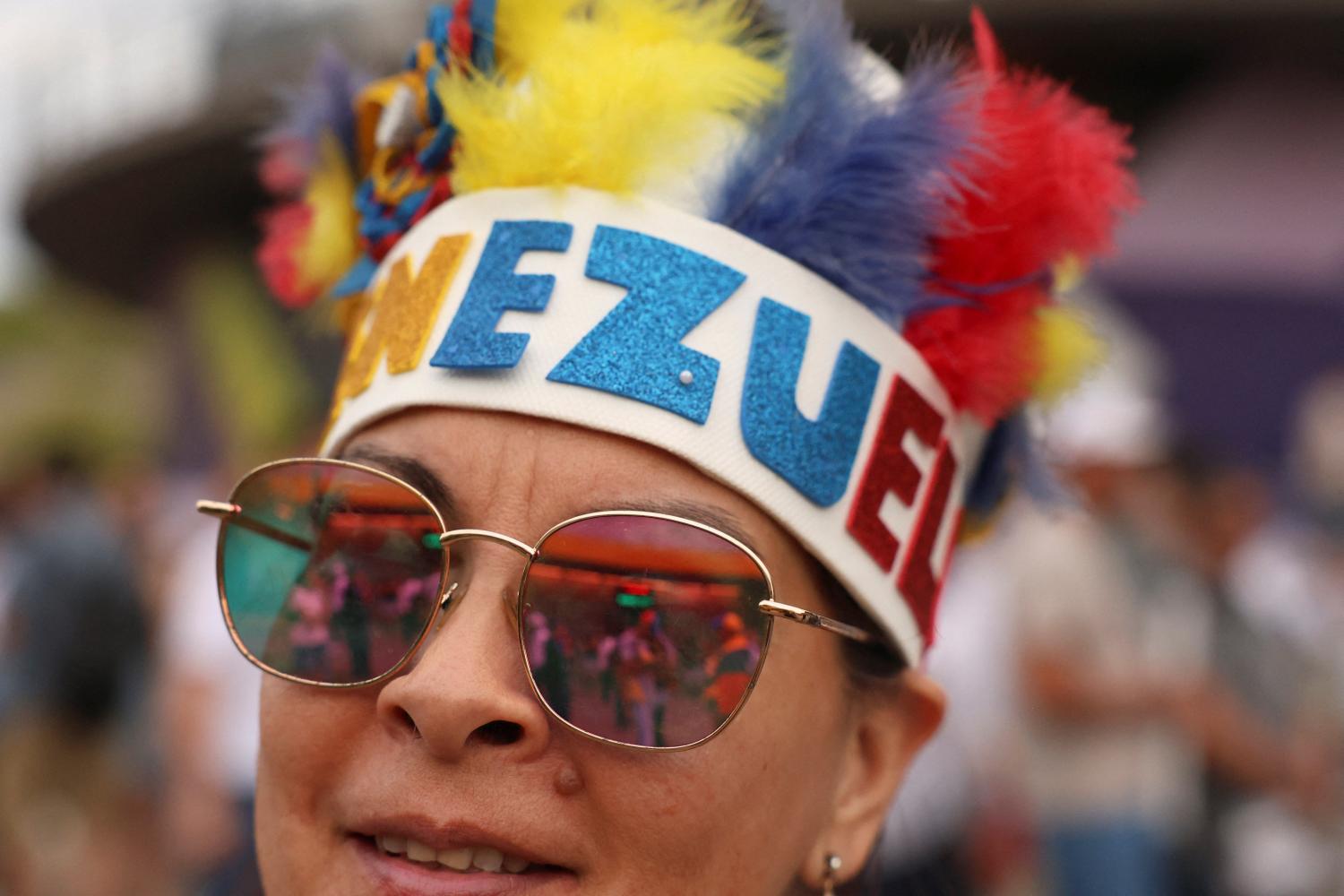
» The people of Venezuela conjure contradictory images, particularly for those living in the Global North. We're starved and oppressed masses under a totalitarian thumb, but also arrogant and pigheaded émigrés living in golden exile from Miami to Madrid. More recently, we are hordes of criminals, the scum of the Earth, flooding into the United States. Where's the truth? Where's the lie?
Artists resist repression in Thailand, US
Oped, Sally Tyler, Published on 08/12/2025
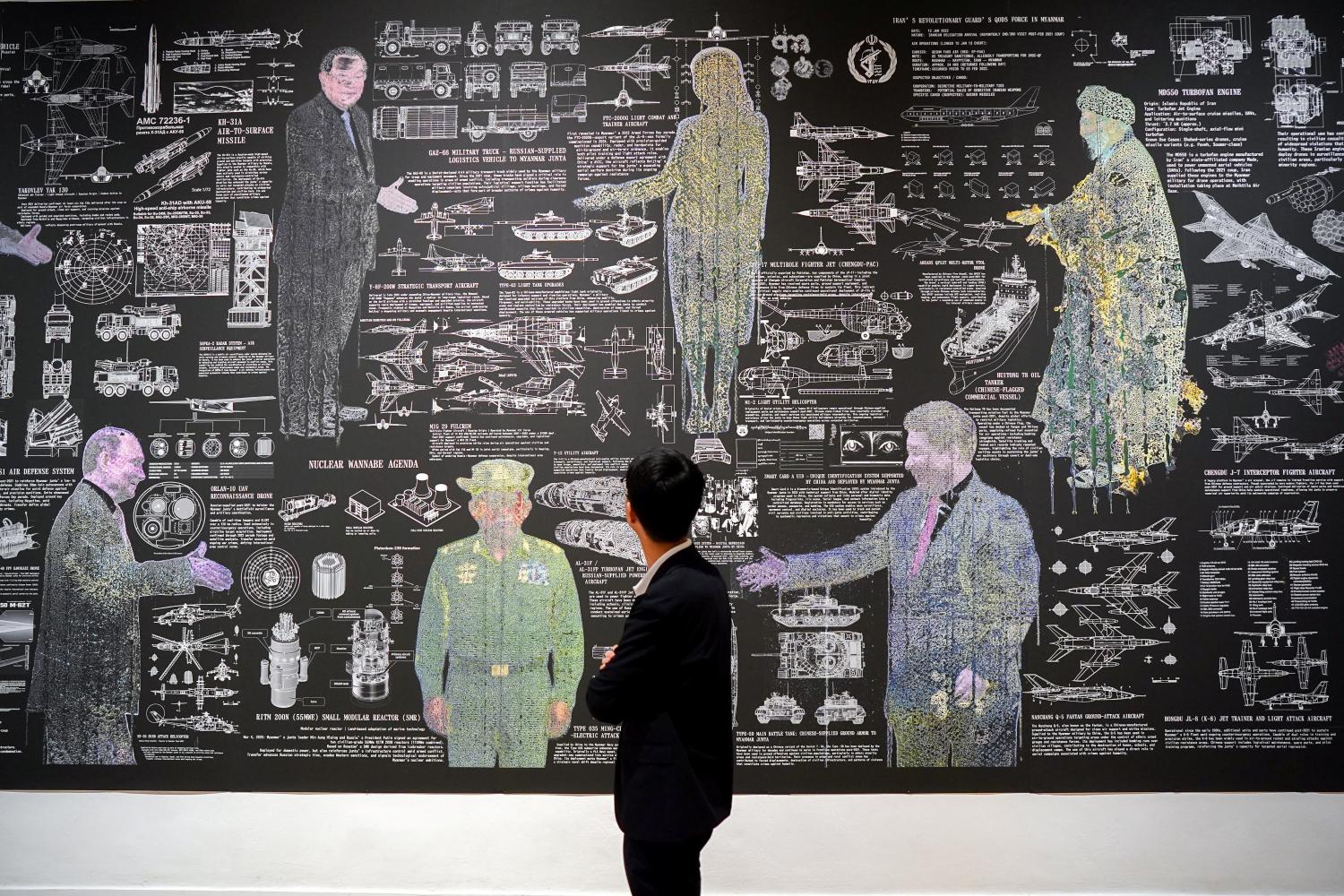
» In late August, two seemingly unrelated events occurred in Thailand and the US. The Bangkok Art and Culture Centre (BACC) altered a major exhibit it had recently opened and, a few weeks later, the comedian Jimmy Kimmel was temporarily taken off the air by the ABC television network. These events are linked as forms of artistic repression and perhaps more concerning, as examples of the growing use of intermediary censorship by authoritarian regimes.
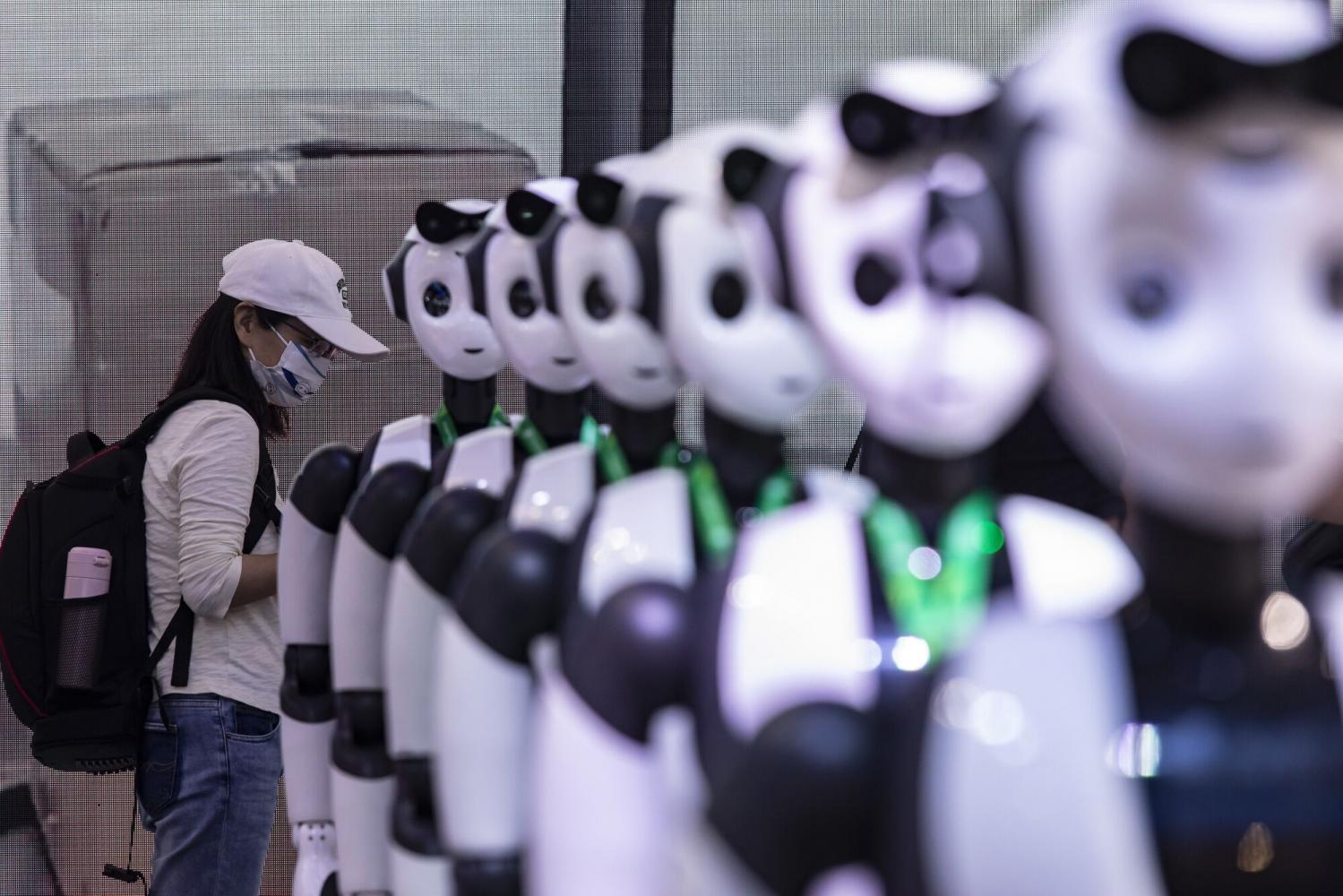
AI as Asia's new growth engine?
Oped, Lee Jong-wha, Published on 27/11/2025
» Two decades after globalisation fuelled a global economic boom, growth has shifted onto a more subdued path, where it is likely to remain for the foreseeable future. Beyond the immediate shock of fragmenting trade and investment ties -- a result of rising geopolitical tensions, particularly between the United States and China -- lie structural headwinds, including population ageing, stagnant productivity, and the growing costs of inequality and natural disaster. These challenges strike at the heart of Asia's growth model.