




Showing 1 - 10 of 589
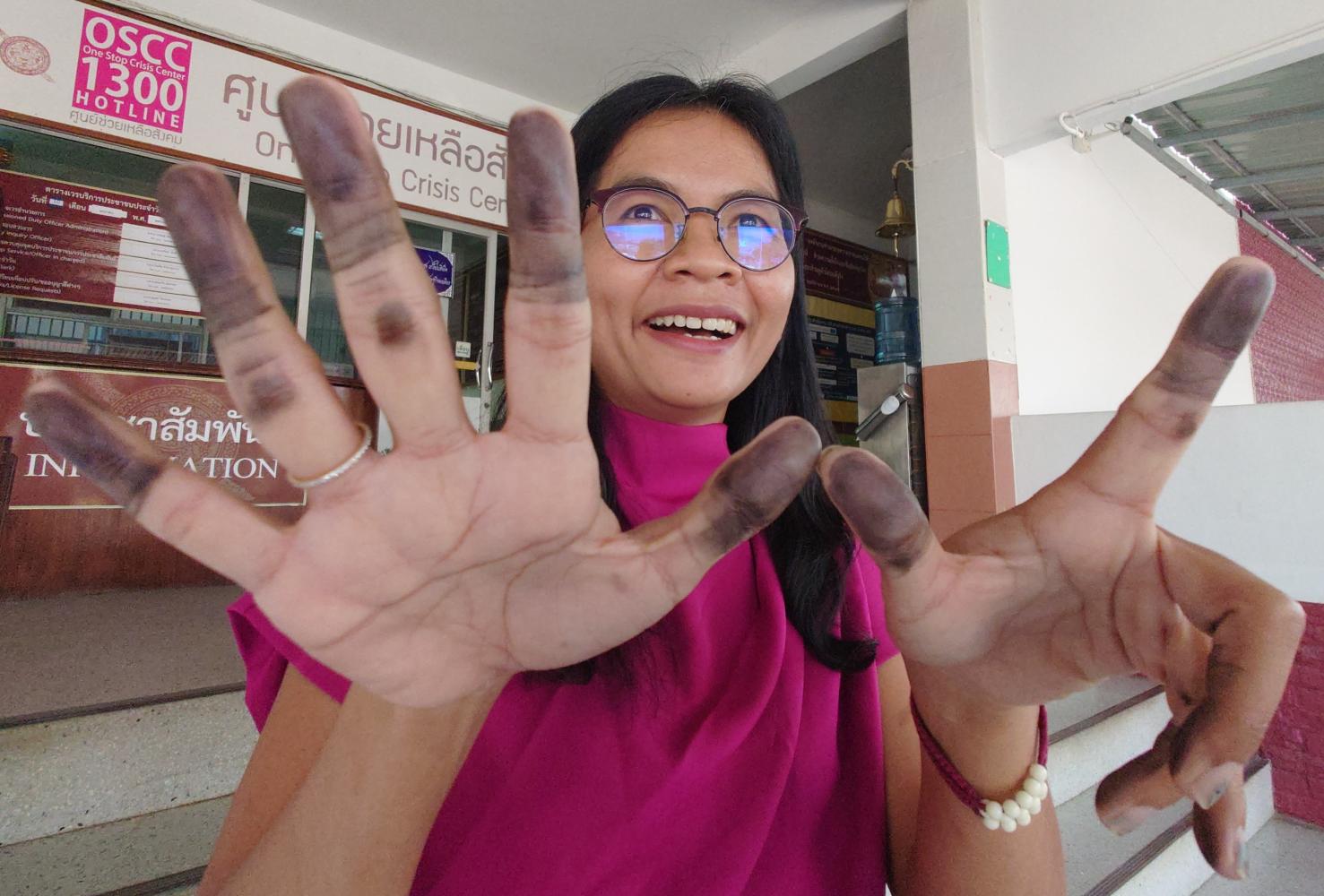
New government must tackle SLAPP lawsuits
News, Chairith Yonpiam, Published on 04/04/2026
» As the Anutin Charnvirakul government is about to officially begin work on Monday, with the cabinet formally sworn in, the public expects it to fulfil electoral pledges, address urgent issues, and pass crucial laws in the parliamentary pipeline.
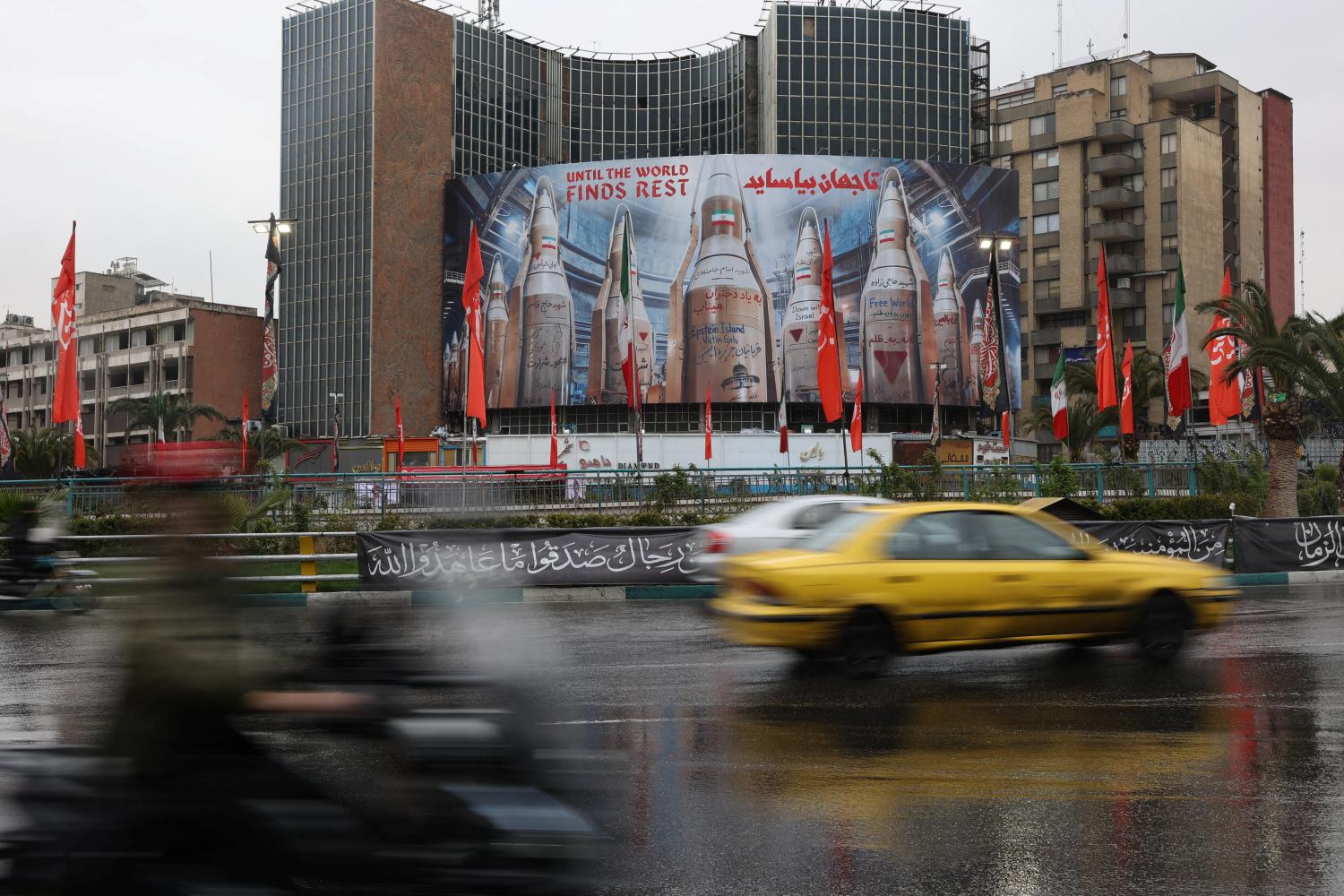
Impacts of Iran war on Southeast Asia
Oped, Thitinan Pongsudhirak, Published on 20/03/2026
» For the most part, Southeast Asia as a region has taken a neutral stance toward the joint attack between the United States and Israel against the Islamic Republic of Iran. Even the Philippines and Thailand, two formal US treaty allies, have distanced themselves, calling for restraint and de-escalation.

Lesson from India to avoid the middle-income trap
Oped, Arvind Panagariya, Published on 18/03/2026
» Among Indian Prime Minister Narendra Modi's most ambitious goals is to transform his country into a developed economy by Aug 15, 2047 -- the centenary of Indian independence. Given India's growth record over the past two decades, the speed and scale of its infrastructure development in recent years, and the Modi government's willingness to enact large-scale economic reforms, India is likely to become one of the few developing countries to avoid the middle-income trap.

Stepping up against discrimination
News, Vitit Muntarbhorn, Published on 14/03/2026
» Amidst the global turmoil happening today, it is easy to yield to a sense of despair and despondency. Yet, there are positive changes at the national-local level which seem incremental at first glance, but which are, in reality, monumental; they act as a gentle palliative projecting hope. On this front, Thailand experienced a sense of elation a year ago, when the possibility of same-sex marriage became the norm in the country due to reform of the Thai Civil Code.

State must tackle racism
News, Editorial, Published on 14/03/2026
» On the surface, a case involving a group of men assaulting an ethnic Karen worker in Chon Buri may look like an ordinary crime.
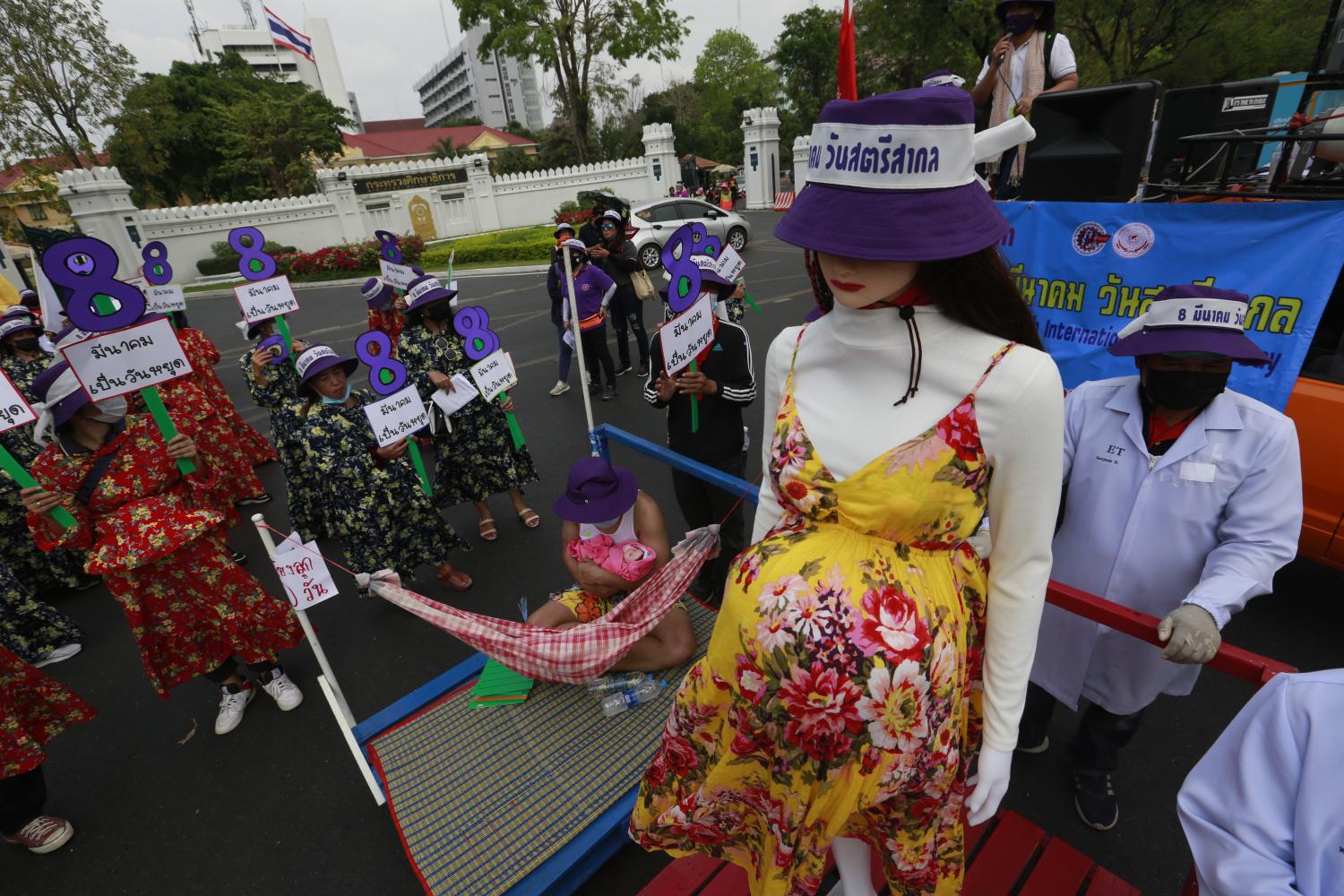
Women can lead push for growth
Oped, Anisha Chugh, Laura Leonelli Morey & Teresa Zapeta Mendoza, Published on 09/03/2026
» Across the Global South, painful austerity measures such as benefit caps, pay freezes and subsidy cuts have followed donor governments' recent cuts to foreign aid. The policy pivot has had an especially dramatic impact on women -- costing them jobs, services and protections -- and is causing widespread economic hardship in many developing countries.
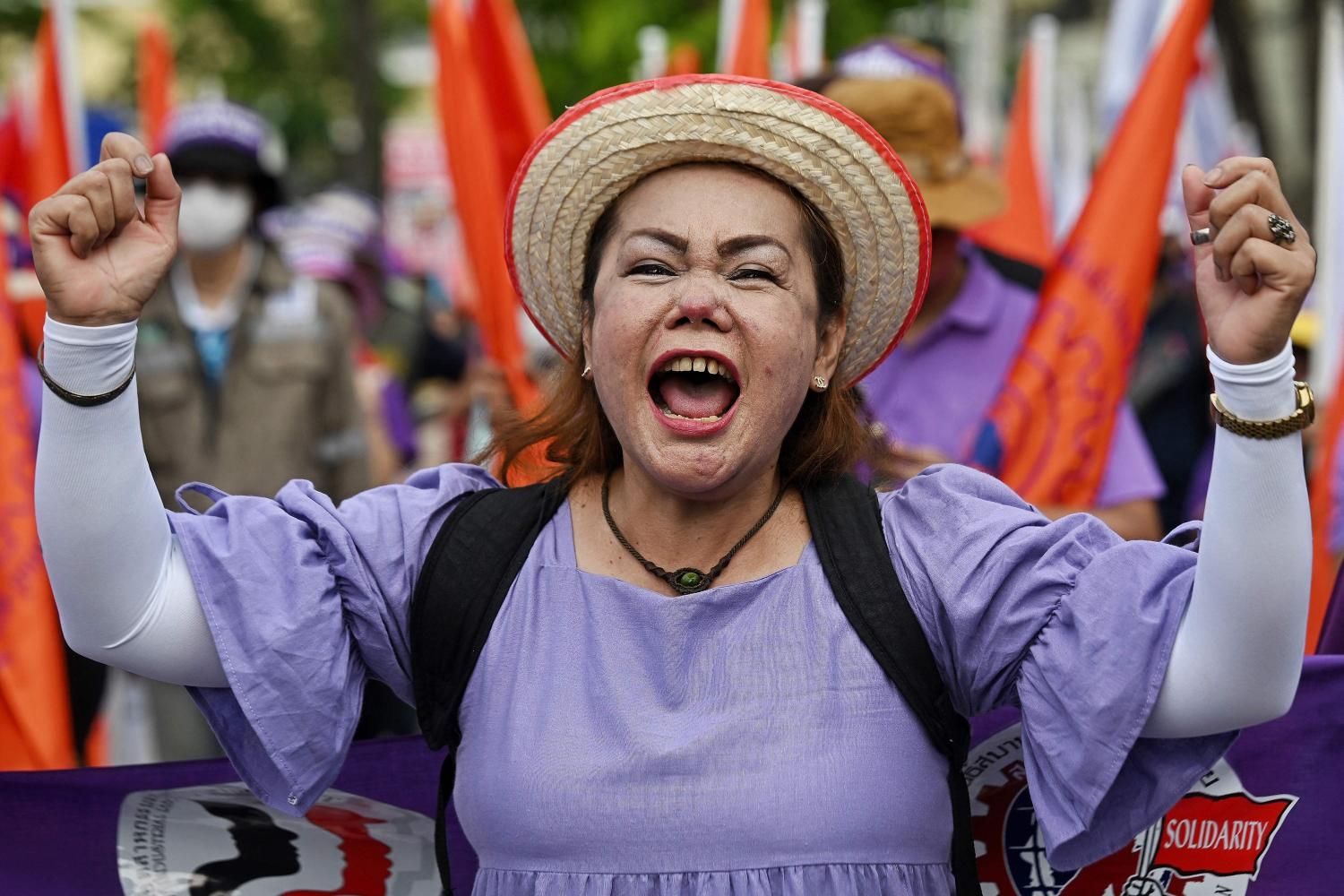
Justice must extend to all women
News, Anna Hammargren and Michaela Friberg-Storey, Published on 07/03/2026
» International Women's Day, which occurs tomorrow, often brings statements of support. This year's UN theme asks a harder question -- does justice actually work for women and girls?

Unlocking Thai competitiveness
Oped, Kiratipong Naewmalee & Phumjit Sri-Udomkajorn, Published on 25/02/2026
» Regulatory reform is an urgent priority in restoring growth to Thailand's emerging economy. Rigid rules and excessive red tape have become significant structural barriers to private sector development. Evidence from several key industries demonstrates that outdated, fragmented legislation continues to constrain competitiveness.
Rethinking global health finance
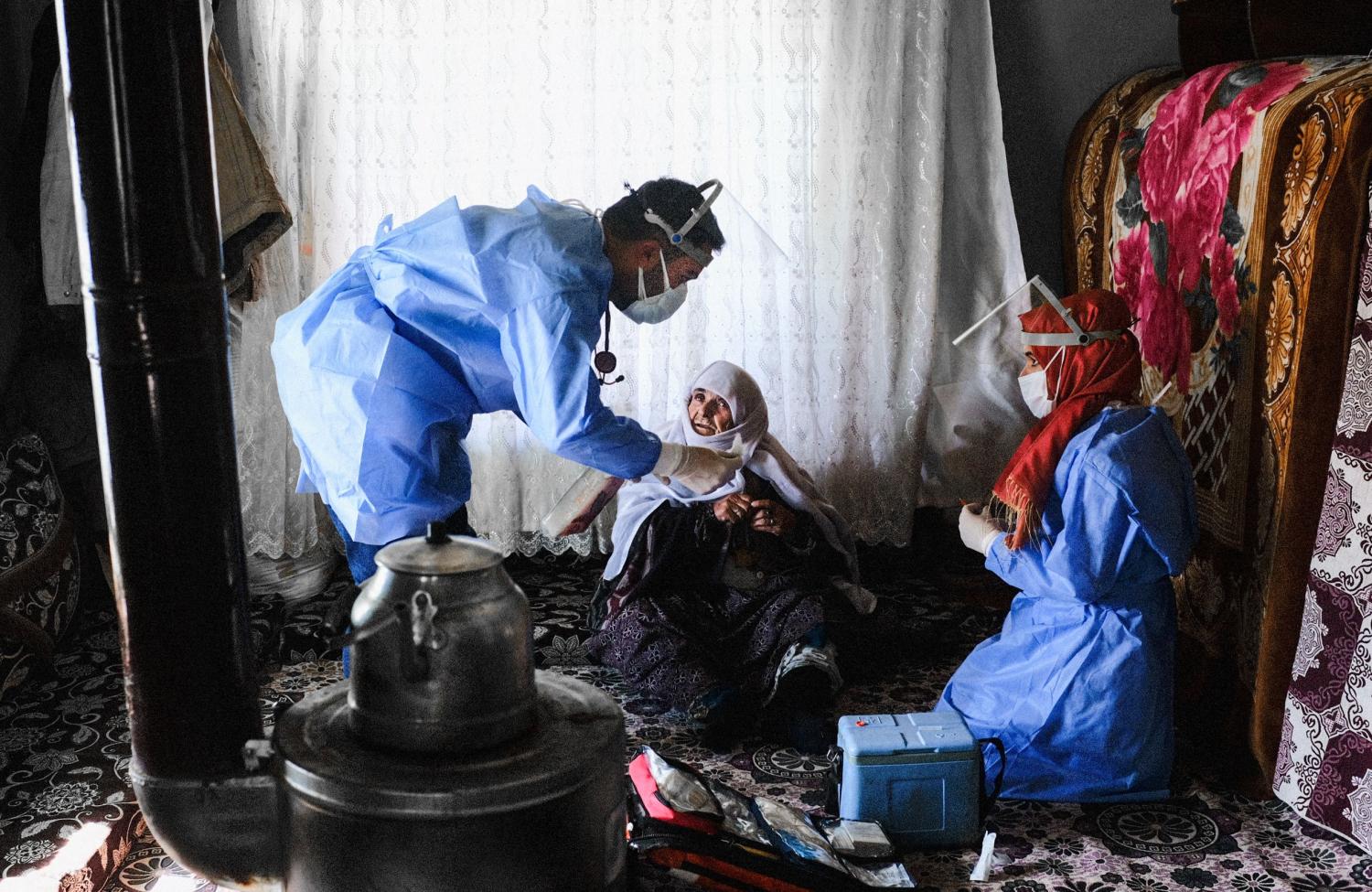
Oped, Walter O Ochieng & Tom Achoki, Published on 06/02/2026
» For the past half-century, the economics of global health were straightforward. Under the so-called "grant-based" approach, rich countries donate to poor countries, which use the funds to meet their populations' health needs. Success was measured by services provided or lives saved, rather than by balance sheets. While this model was far from perfect, the latest approach replacing it -- focused on using tools like guarantees and blended finance to crowd in private capital -- threatens to produce even worse outcomes.
Decriminalising sex work needs clarity
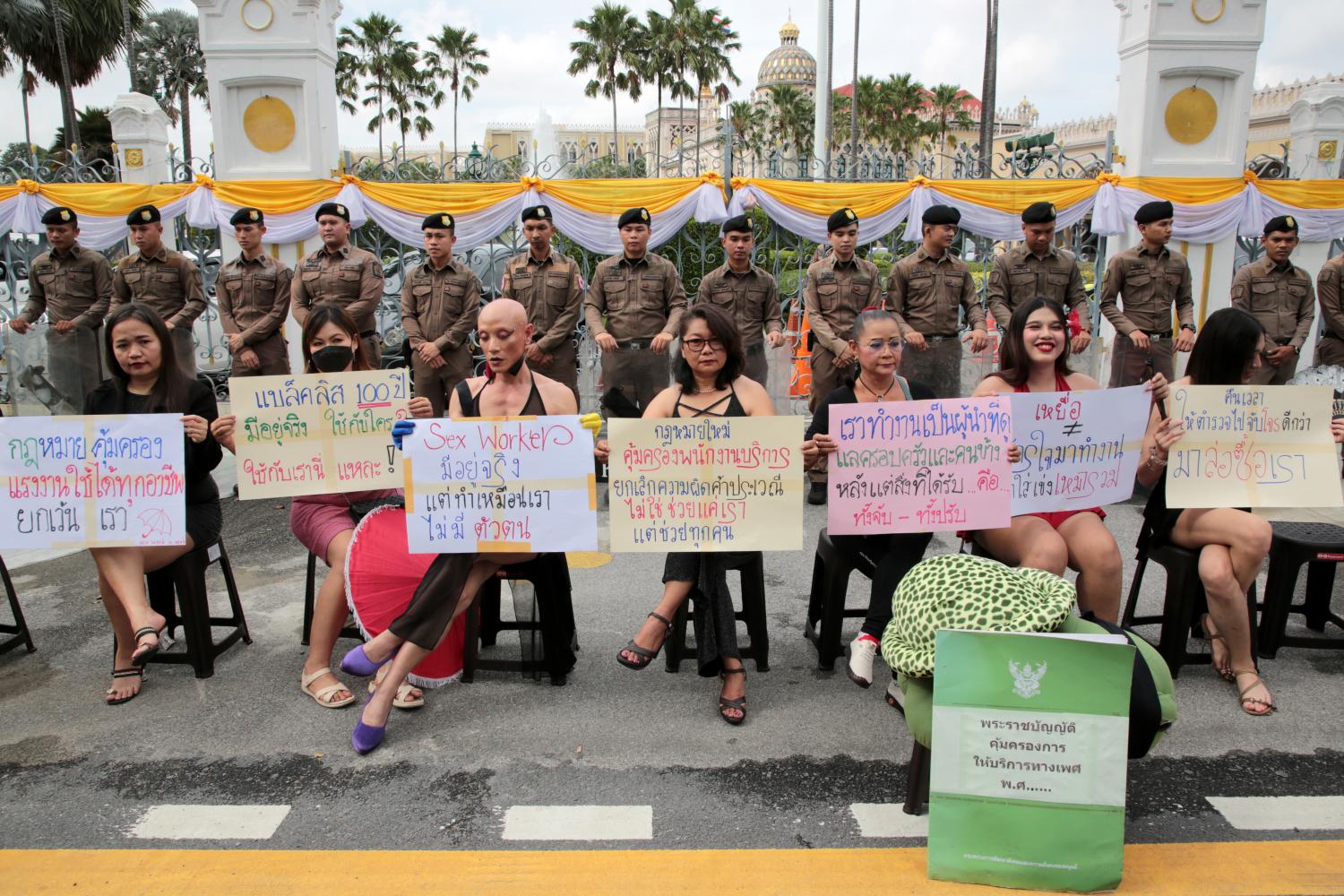
Oped, Poramet Tangsathaporn, Published on 04/02/2026
» The world's oldest profession has always been a taboo subject in Thai society, even in our politics so it was encouraging to see at least five political parties -- the Pheu Thai Party, the People's Party, the Movement Party, the Thai Sang Thai Party, and the Democrat Party -- agree that the current Prevention and Suppression of Prostitution Act B.E. 2539 (1996) needs to be repealed.