



Showing 1 - 10 of 233
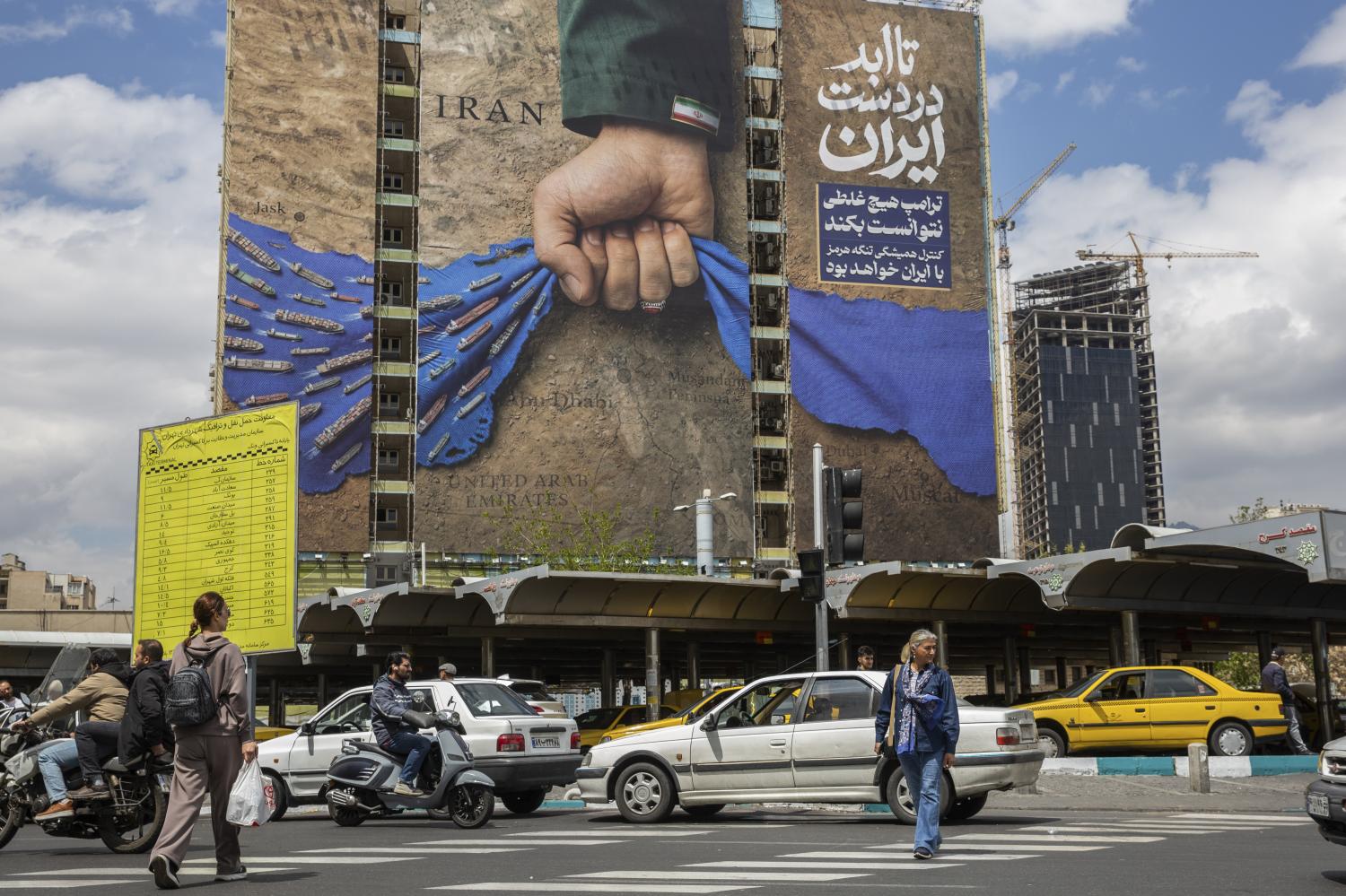
The war and its likely consequences
Oped, Thitinan Pongsudhirak, Published on 17/04/2026
» As the joint attack between the United States and Israel against Iran that resulted in a wider regional conflict in the Middle East approaches its two-month mark, the directions of the war remain precarious while some of the longer-lasting consequences appear evident. Unsurprisingly, the war has been detrimental and damaging for all states and societies concerned, not just within the affected region but the wider world. Already we can start counting some of the long-term costs.

Stuck in Senate
Oped, Postbag, Published on 08/04/2026
» Re: "BJT pulls support for Clean Air Bill", (BP, April 7). This article chose to single out and quote Bhumjaithai (BJT) party list-MP Supachai, voicing concerns about "fast-tracking" and the economic fallout caused by the Clean Air Bill (CAB) during a recent House debate on a severe PM 2.5 crisis in the Northern region.
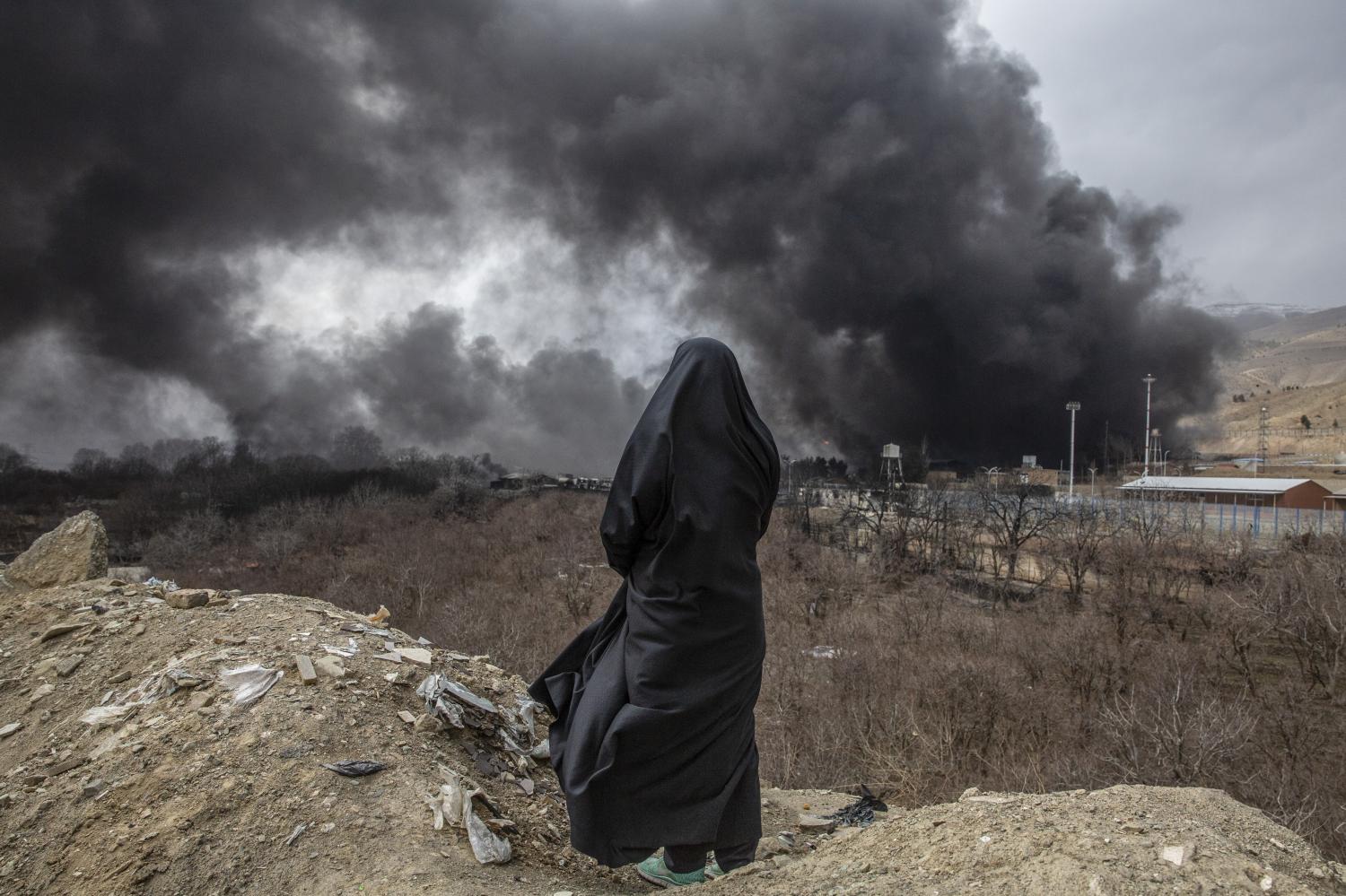
US must let IAEA do its job in Iran
Oped, Helen Clark, Published on 31/03/2026
» The US-Israeli war on Iran has already destabilised the global economy and the geopolitics of the Middle East. Even more alarming, recent reporting shows that US President Donald Trump is deploying ground troops, a prospect that immediately evokes memories of past failed interventions -- from Vietnam to Iraq -- with their high costs in American and especially local lives.
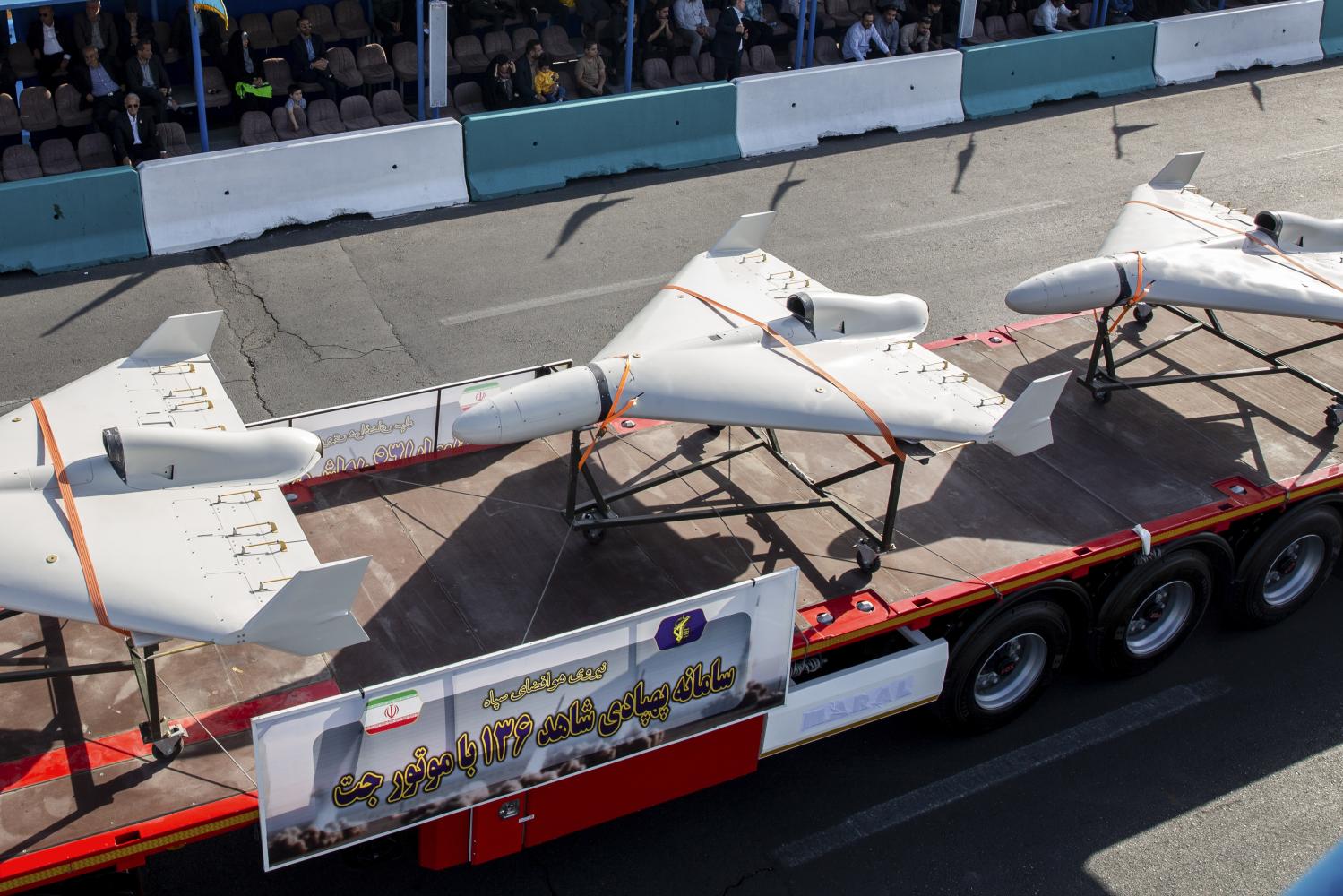
Gulf states tell US ending the war is not enough
Oped, Samia Nakhoul, Published on 31/03/2026
» Gulf Arab states are telling the US that any deal with Tehran should do more than end the war, and must permanently curb Iran's missile and drone capabilities and ensure global energy supplies are never again "weaponised", four Gulf sources said.

Rethinking Thailand's visa-free policy
Oped, Kavi Chongkittavorn, Published on 31/03/2026
» Thailand is planning to cut visa-free stays from 60 days to 30 days. This long-overdue change reflects growing concern over the effectiveness of immigration surveillance. Moreover, scaling down visa-free stays underscores the seriousness of the Anutin government's efforts to combat scammers, illegal work, and other underground activities that exploit easy visa access to turn Thailand into a base for under-the-table operations.
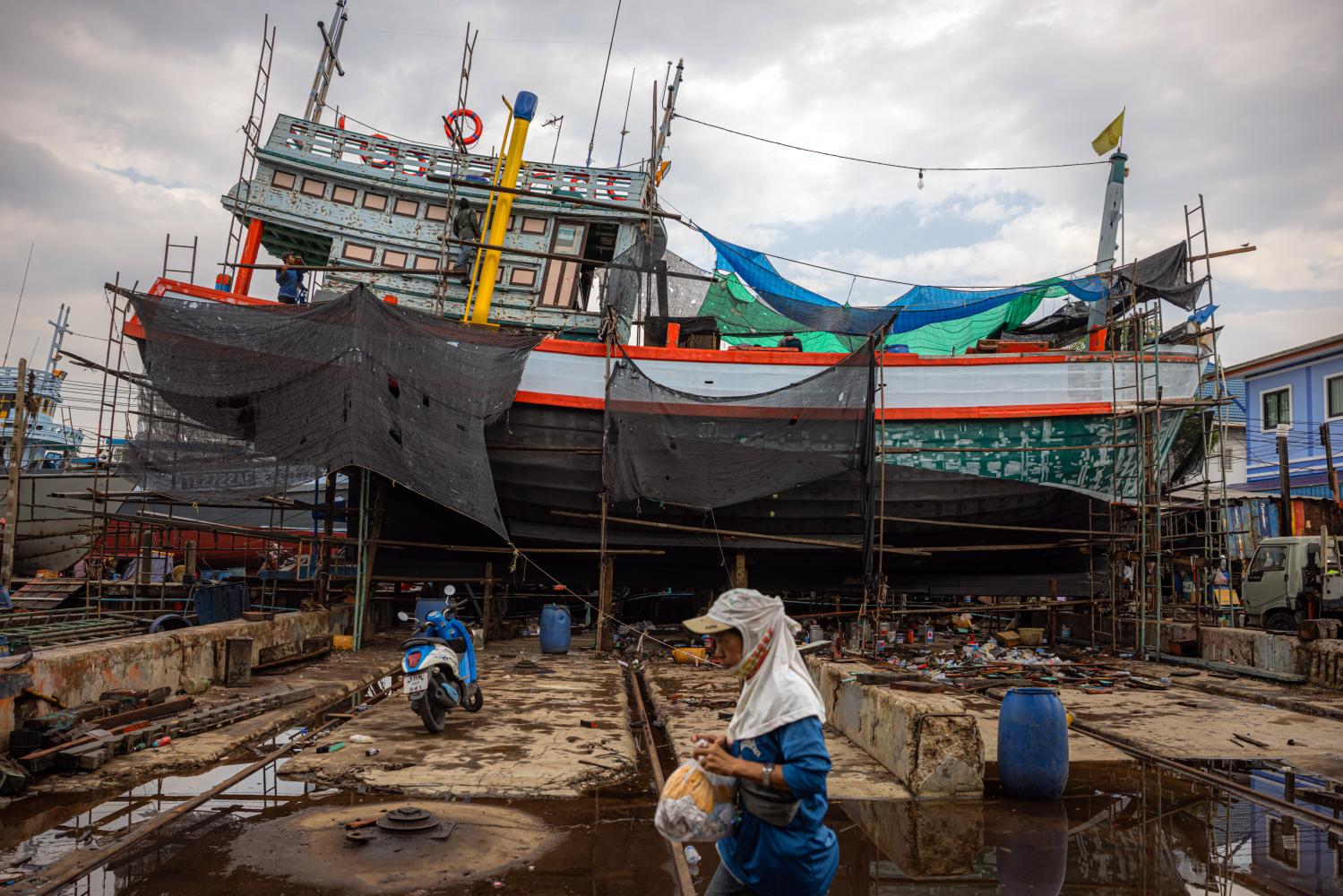
The silent engines of Asean realism
Oped, Imran Khalid, Published on 30/03/2026
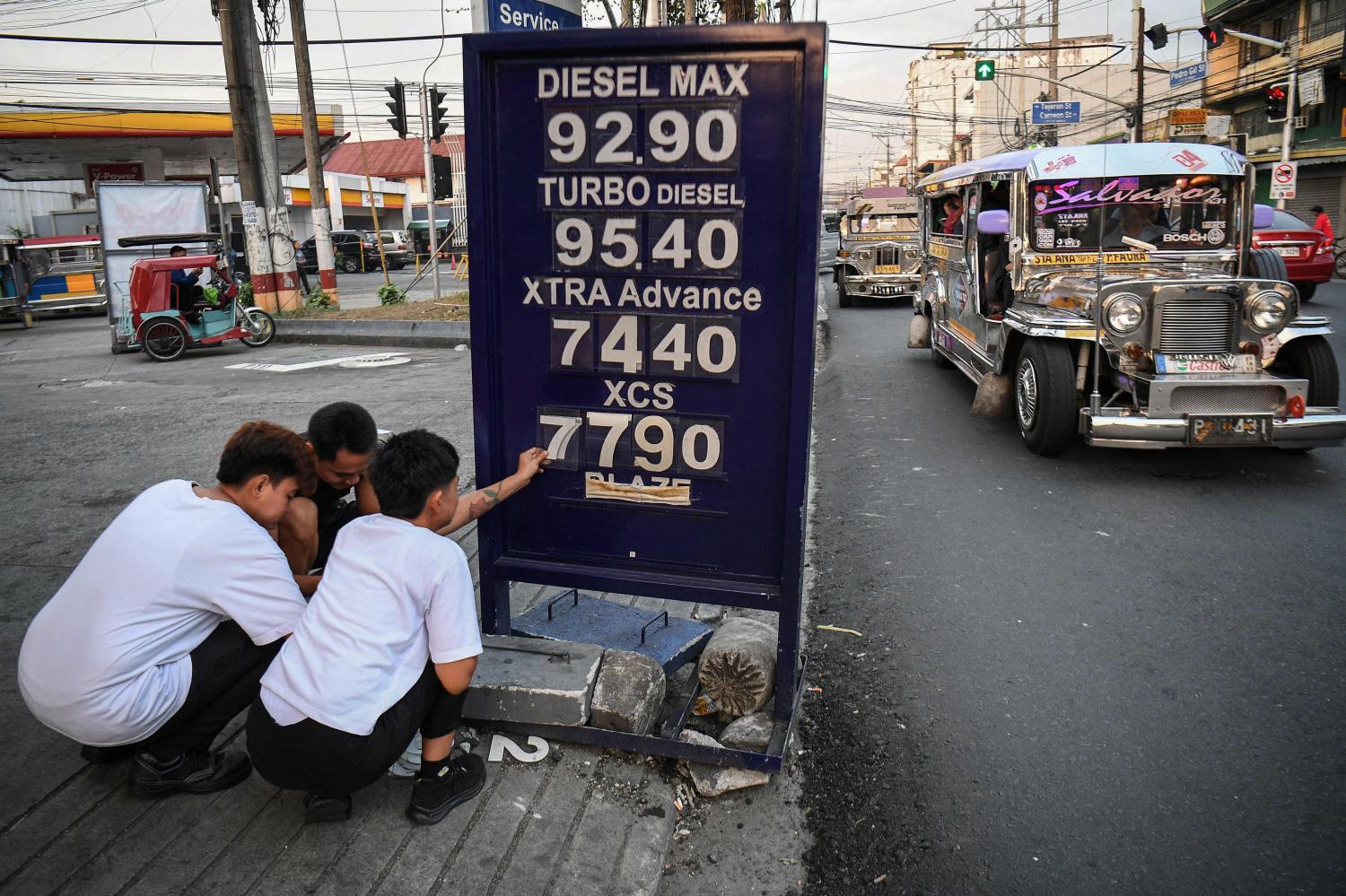
» The global economy is currently tackling what may be the most significant energy disruption since the 1970s. The effective throttling of the Strait of Hormuz -- now seeded with Iranian Maham mines and subject to a tense, IRGC-monitored tolling system -- has physically severed the energy arteries that sustain the industrial heart of Southeast Asia.
Asean's energy security at risk
Oped, Ma. Theresa P. Lazaro, Published on 26/03/2026
» In June 1986, the five founding members of the Association of Southeast Asian Nations (Asean) assembled in Manila to discuss Asean's response to the global energy crisis, which began with the Iranian Revolution in late 1978.
Impacts of Iran war on Southeast Asia
Oped, Thitinan Pongsudhirak, Published on 20/03/2026
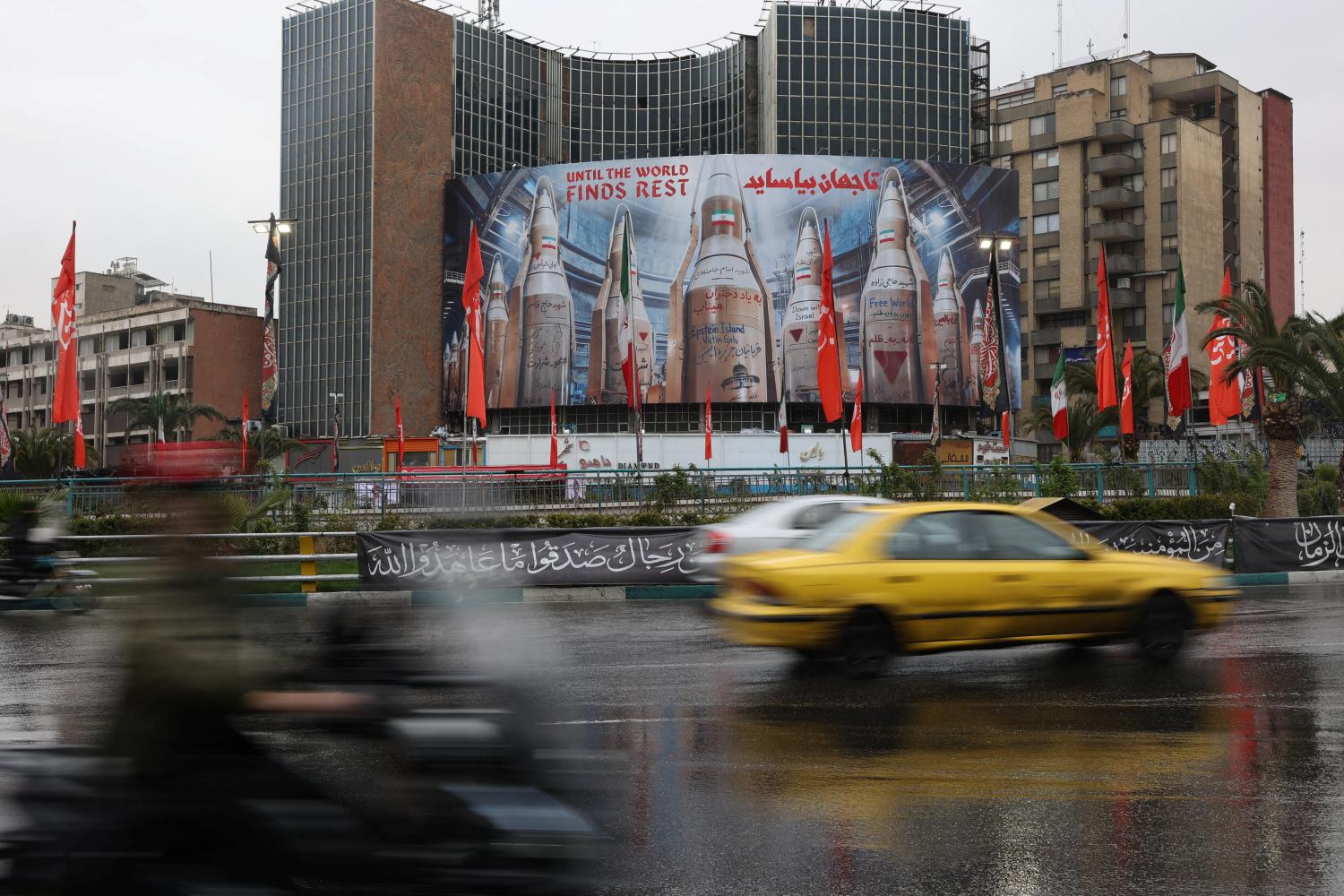
» For the most part, Southeast Asia as a region has taken a neutral stance toward the joint attack between the United States and Israel against the Islamic Republic of Iran. Even the Philippines and Thailand, two formal US treaty allies, have distanced themselves, calling for restraint and de-escalation.
The Iran war is upending global energy markets
Oped, Carolyn Kissane, Published on 12/03/2026
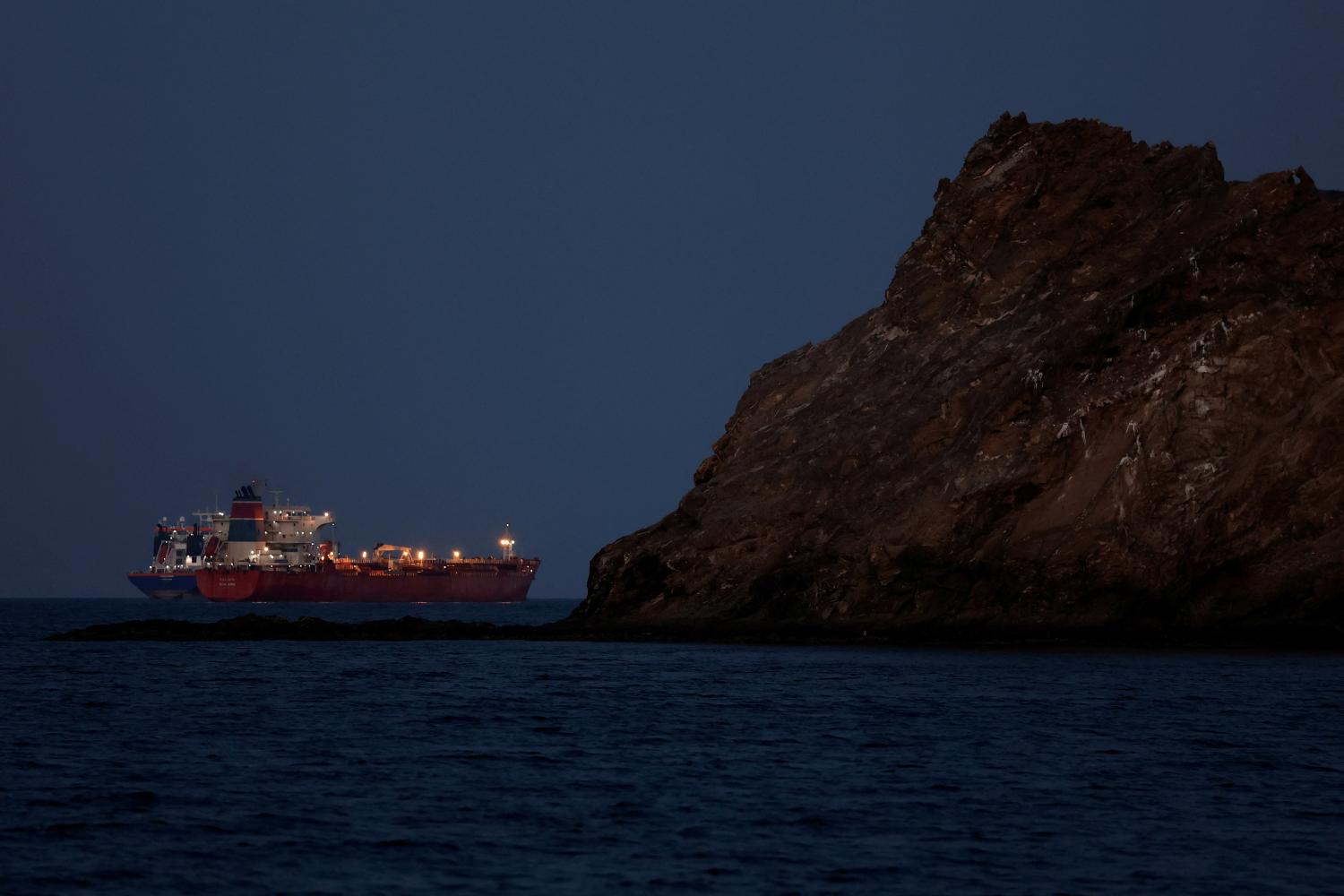
» The war with Iran is widening faster than many expected. The Islamic Republic's retaliation against Arab Gulf states has extended beyond military targets to critical civilian infrastructure, including airports, water desalination plants, and energy facilities. Hezbollah has opened a second front from Lebanon. US President Donald Trump suggests that operations could last "four to five weeks", but with nearly 50 senior Iranian officials having been killed, it is unclear who might be positioned to negotiate an off-ramp.
Solar boom risks leaving toxic legacy
Oped, Nattaphorn Buayam, Published on 11/03/2026
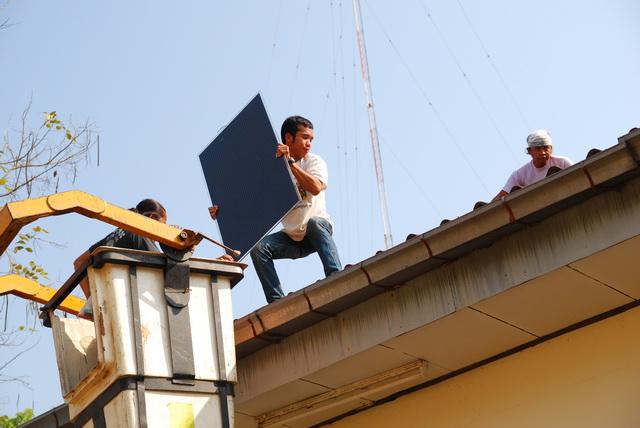
» Solar power is Thailand's master key in the fight against global warming. It is cheap, popular, and even promoted by the state. But beneath the success story lies a big question: What happens when millions of panels begin to die?