



Showing 1 - 10 of 91
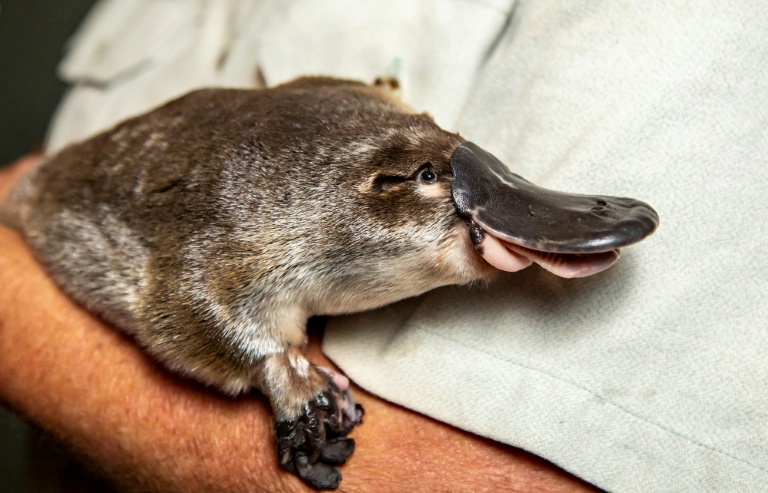
The platypus is even weirder than thought, scientists discover
AFP, Published on 19/03/2026
» PARIS (FRANCE) - They already have the bill of a duck, the tail of a beaver, lay eggs like reptiles and have venom like snakes.
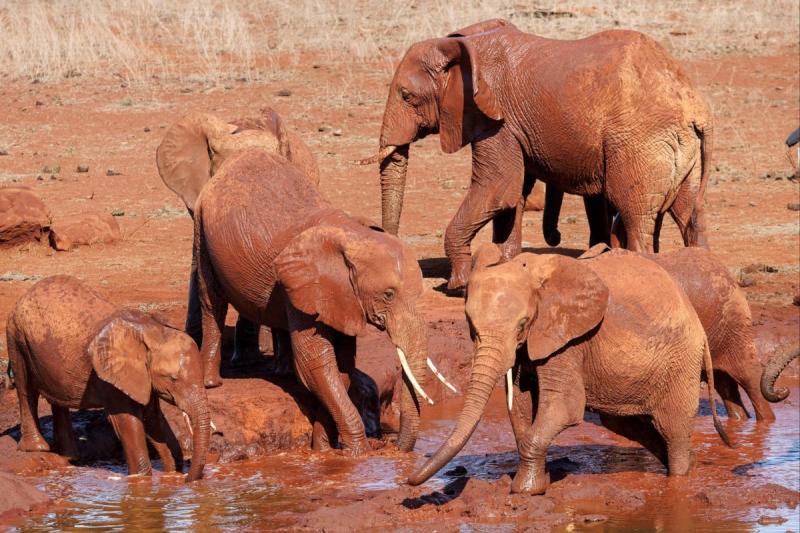
Why mammals that band together may face lower cancer risks
South China Morning Post, Published on 02/12/2025
» BUENOS AIRES — Much research on cancer prevalence has focused on genetic, environmental and lifestyle factors. But a new study by Argentine researchers offers a novel evolutionary perspective: the social structure of mammals may play a critical role in cancer risk.

Seal milk is the cream of the molecular crop
New York Times, Published on 26/11/2025
» NEW YORK — Collecting milk from a nursing seal is no easy task.
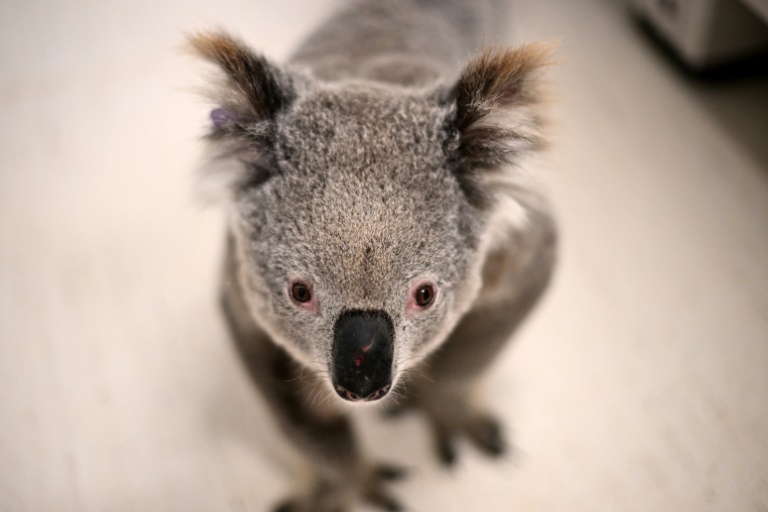
Australia approves chlamydia vaccine for koalas
AFP, Published on 10/09/2025
» SYDNEY — Australian regulators have approved a chlamydia vaccine for koalas, researchers said Wednesday, as they seek to stamp out a sexually transmitted disease responsible for about half of all deaths of the fluffy marsupial in the wild.

Killer whales spotted grooming each other with seaweed
AFP, Published on 24/06/2025
» PARIS - Killer whales have been caught on video breaking off pieces of seaweed to rub and groom each other, scientists announced on Monday, saying it was the first evidence of marine mammals making their own tools.

130,000-year-old baby mammoth goes under scalpel
AFP, Published on 04/04/2025
» YAKUTSK — Making incisions and carefully taking samples, the scientists at a laboratory in Russia's far east looked like pathologists carrying out a post-mortem.

Nepal community efforts revive red panda population
AFP, Published on 14/03/2025
» TāPLEJUNG — Nepali police officer Jiwan Subba still feels pangs of regret decades after he bludgeoned a strange creature he found wandering in his barn, not realising it was an endangered red panda.

Orangutan uses medicinal plant to treat wound
Reuters, Published on 04/05/2024
» JAKARTA - In June 2022, a male Sumatran orangutan named Rakus sustained a facial wound below the right eye, apparently during a fight with another male orangutan at the Suaq Balimbing research site, a protected rainforest area in Indonesia. What Rakus did three days later really caught the attention of scientists.

Chinese scientists clone first rhesus monkey to live into adulthood
South China Morning Post, Published on 18/01/2024
» BEIJING - Researchers affiliated to China's premier science academy have successfully cloned the first rhesus monkey to survive into adulthood.

Grandma chimps offer clues for evolution of menopause in humans
AFP, Published on 27/10/2023
» WASHINGTON - Humans and some whales are the only known species in which females live long after they stop being able to reproduce.