



Showing 1 - 10 of 4,108
How can we future-proof the global economy?
Oped, Mohamed A El-Erian, Published on 23/04/2026
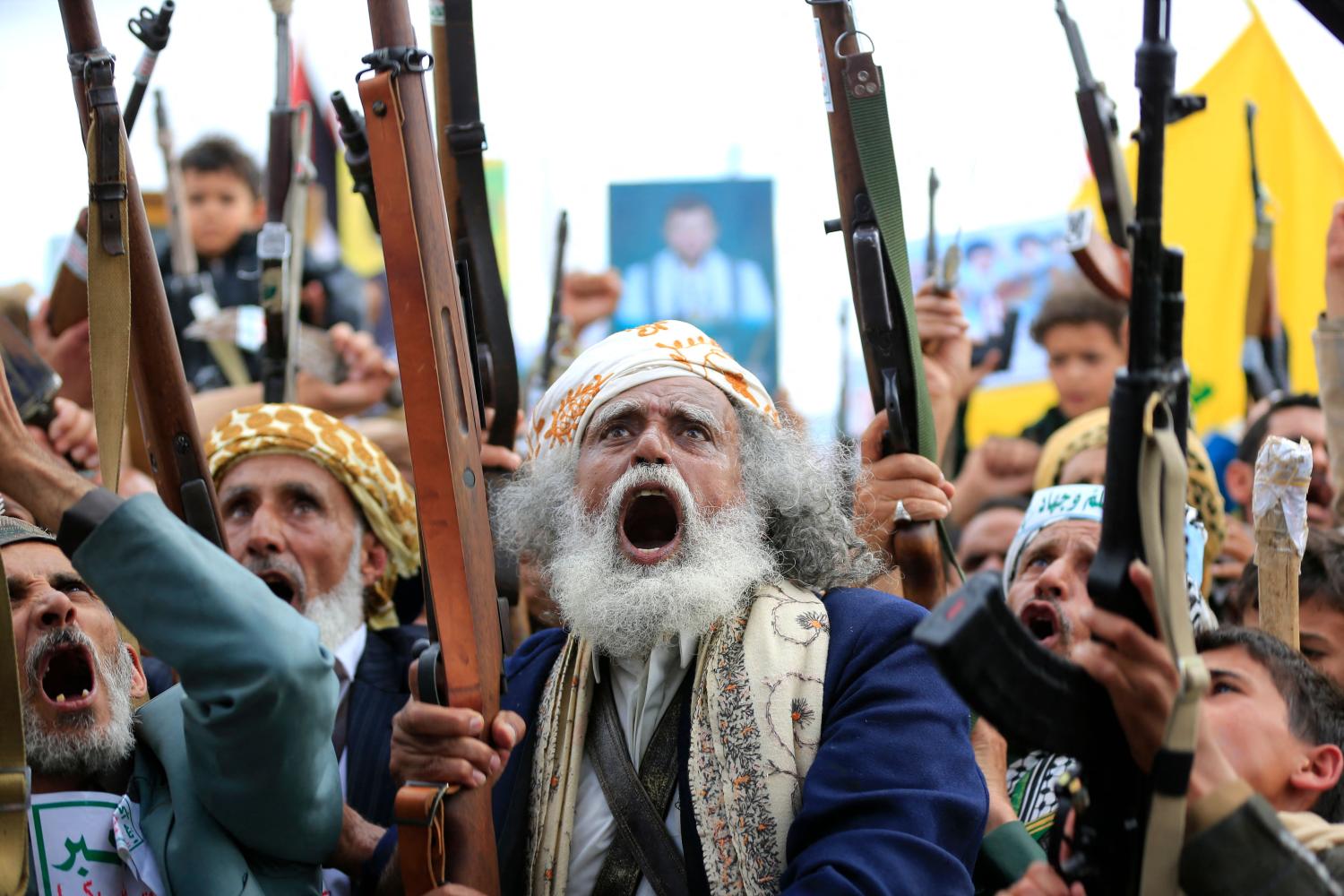
» An uncomfortable reality is becoming increasingly difficult to ignore. The global economy is in a period of "more frequent and violent shocks", as Nobel laureate Michael Spence puts it. Instead of facing isolated and temporary disruptions, we are confronting a structural shift towards unsettling volatility, deepening fragmentation, and a wider dispersion of outcomes for countries, companies, and households. The old world is gone, and virtually everyone risks losing out in the new one. The question is by how much and what to do about it.
The generational shift in learning needs addressing
News, Mariano Miguel Carrera, Published on 22/04/2026
» Picking mangoes at home recently highlighted the generational shift in learning. My sons, 10 and 13, were not interested in the mangoes. After years of pushing, pleading and prompting, climbing the trees is a problem for them. Interest muted. They occasionally pick mangoes with a rod to eat, but the joy of climbing trees and picking mangoes by hand is not there. Convenience, interest and options make what was once a rite of passage, a joy, a form of exercise, learning, a communion with nature and more, a mundane -- meh.
Is the Iran war America's Suez or its Gallipoli?
Oped, Yanis Varoufakis, Published on 21/04/2026
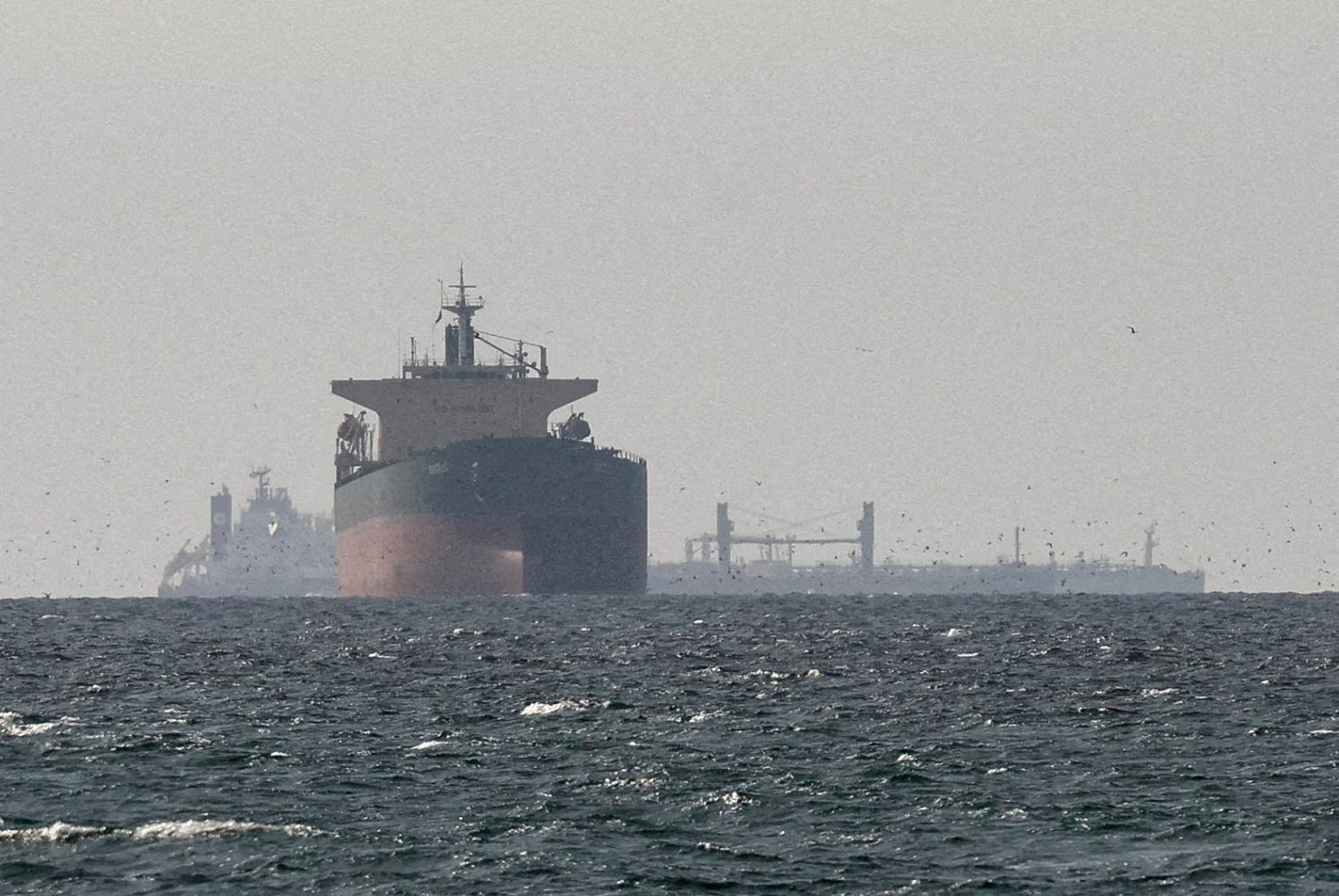
» When Egypt closed the Suez Canal for five months in 1956, it triggered events that shrunk the global standing of Britain's pound sterling, inaugurated the petrodollar age, and demonstrated how a small country can inflict serious damage upon the economic power that had subjugated it decades earlier.
Mining is killing region's rivers
Oped, Pianporn Deetes, Published on 21/04/2026
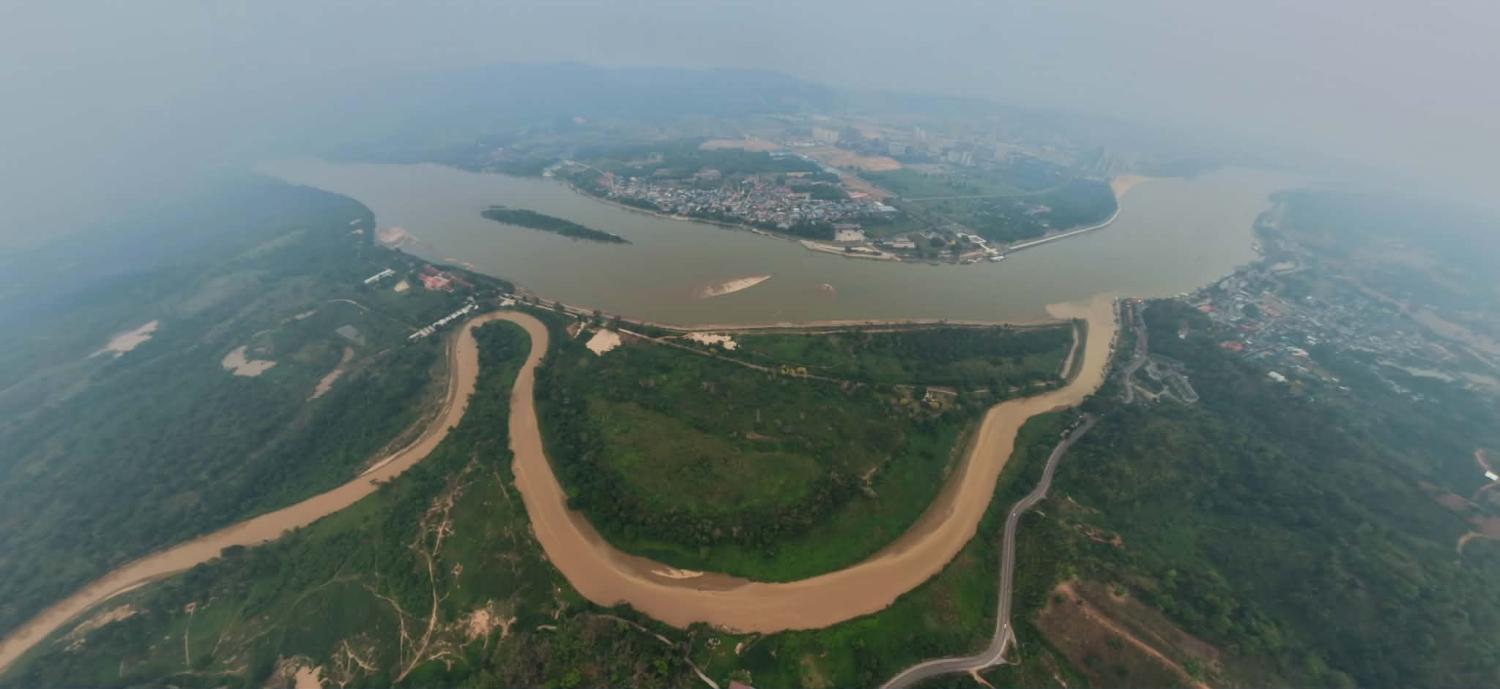
» Last week, Thailand's Pollution Control Department (PCD) released a report on its tenth round of water quality monitoring tests on three rivers in the northern region. The report is based on samples taken from the Kok, Sai, Ruak, and Mekong rivers in the country's northernmost area.
Opening Hormuz is the easy part, restoring oil flow is not
Reuter's columnist Ron Bousso, Published on 20/04/2026
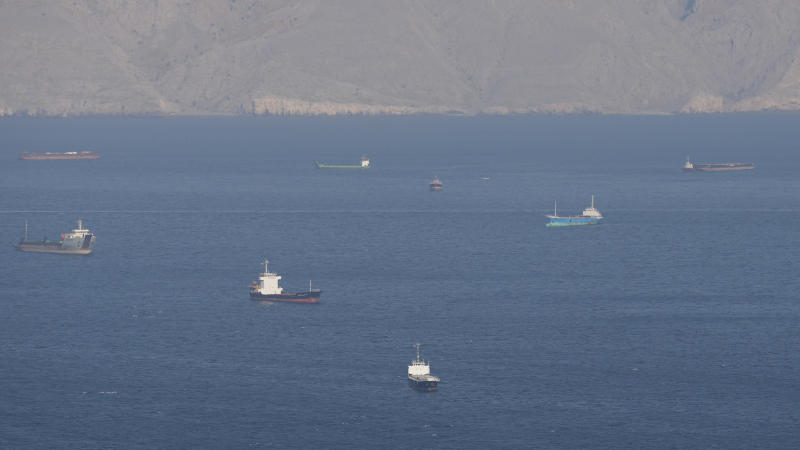
» LONDON - The stop-start shipping traffic through the Strait of Hormuz underscores the profound uncertainty hanging over the world’s most critical oil and gas chokepoint. But one thing is already clear: even if the guns fall silent, flows through the narrow waterway will take months – and possibly years – to recover to pre-war levels.

Crypto push undermines US power
Oped, Jayati Ghosh, Published on 20/04/2026
» The Ouroboros, the ancient image of a serpent devouring its own tail, has long symbolised self-defeating strategies. It is thus an apt metaphor for US President Donald Trump's current policies. His reckless and illegal war against Iran is the clearest example, but his administration's enthusiastic embrace of crypto currencies represents a subtler, slower-burning expression of the same self-destructive tendency.

Car scheme doubts
Oped, Editorial, Published on 20/04/2026
» The government's planned "old car for new" scheme, a campaign to provide a subsidy and soft loans to accelerate electric vehicle adoption, marks a policy push to advance the transition towards net zero. In principle, the direction sounds good.

A word to brokers
Oped, Postbag, Published on 20/04/2026
» Re: "Stock reforms mirror regional realignment" (Business, April 15).

Universities face age shift
News, Editorial, Published on 18/04/2026
» The Ministry of Higher Education, Science, Research and Innovation (MHESI) is not a coveted portfolio in politics. Political parties have treated this portfolio as a consolation prize and often appoint new politicians to look after the country's higher education affairs.
Hormuz crisis reveals energy resilience gap
News, Laura Carvalho, Published on 18/04/2026
» The closure of the Strait of Hormuz has triggered what the International Monetary Fund calls a "global yet asymmetric" rupture, disrupting the flow of roughly one-quarter of oil, one-fifth of liquefied natural gas, and one-third of fertiliser supplies. Energy and fertiliser prices have risen, supply chains have rerouted, and financial conditions have tightened unevenly around the world.